Understanding the historical periods of Japan and their influence on art, swords and samurai culture
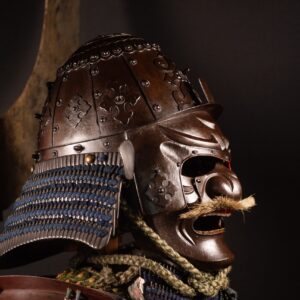
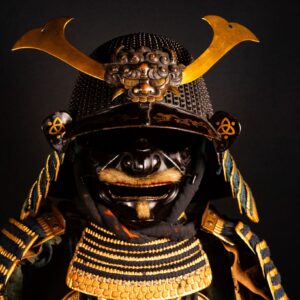
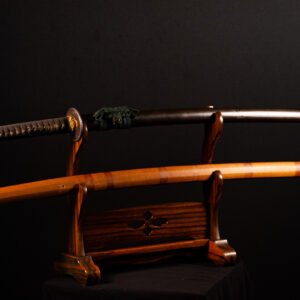
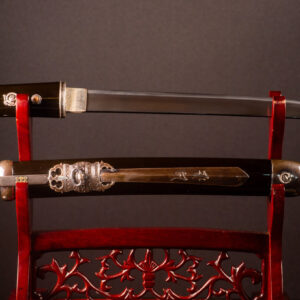
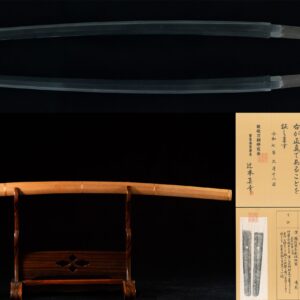
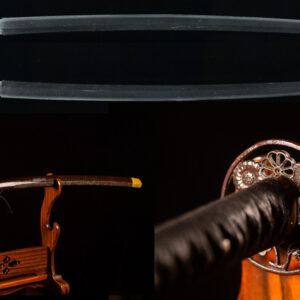
To fully appreciate Japanese swords, samurai armour, netsuke, inro and other traditional works of art, it is essential to understand the historical periods in which they were created.
For more than a thousand years, Japan experienced profound political, social and cultural transformations that shaped the development of its artistic traditions. Each era produced distinct styles, techniques and cultural values that continue to influence Japanese art today.
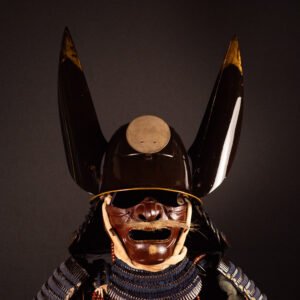
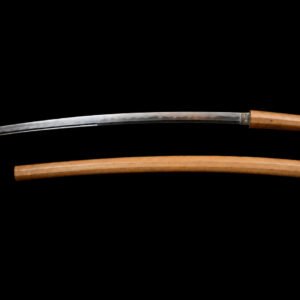
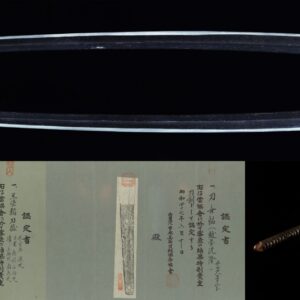
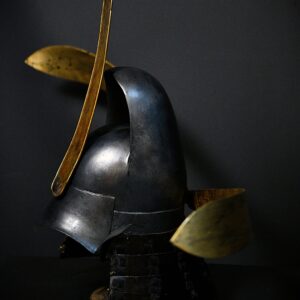
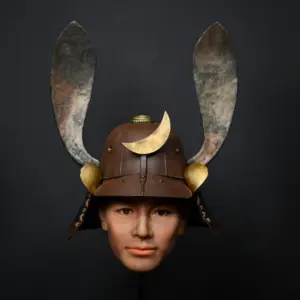
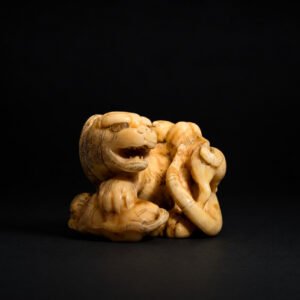
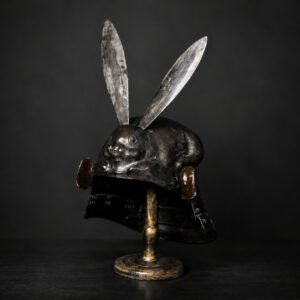
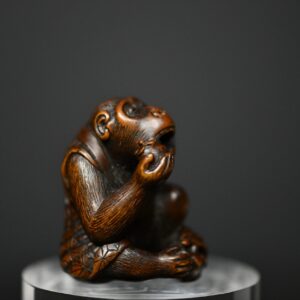
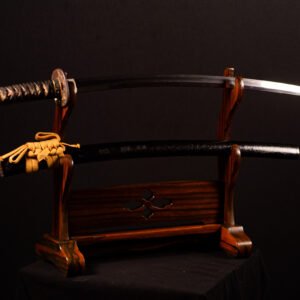
Whether collecting a Kamakura sword, an Edo-period kabuto or a Meiji-era netsuke, understanding the historical context allows collectors to better appreciate the significance and rarity of these remarkable objects.
Why japanese historical periods matter
Unlike many Western antiques, Japanese art is often closely tied to specific historical periods.
The age of an object can reveal:
- Its artistic influences
- Manufacturing techniques
- Social significance
- Rarity
- Historical importance
- Collecting value
For this reason, understanding Japanese chronology is one of the most important foundations for any collector of Japanese art.
Heian Period (794–1185)
The birth of samurai culture
The Heian Period marked the emergence of the warrior class that would eventually become known as the samurai.
During this era, Japan developed many of its unique cultural traditions, including:
- Classical literature
- Court culture
- Early samurai institutions
- The first recognisably Japanese swords
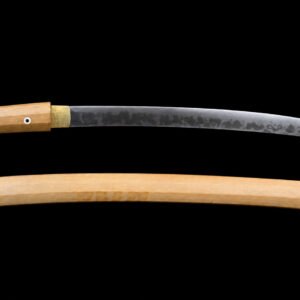
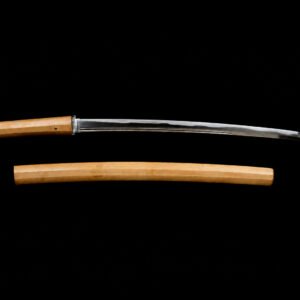
It was during this period that curved swords evolved from earlier straight continental designs, laying the foundation for the development of the tachi and later the katana.
Kamakura period (1185–1333)
The golden age of japanese swordsmithing
The Kamakura Period is often regarded as the greatest era in the history of Japanese swords.
Military rule replaced aristocratic government, and the samurai became the dominant force in Japanese society.
This period saw the rise of legendary swordsmiths and schools such as:
- Bizen
- Yamashiro
- Soshu
- Yamato
Many of Japan’s National Treasure swords originate from this era.
Collectors often consider Kamakura blades among the finest ever produced.
Nanbokucho period (1336–1392)
An age of conflict and innovation
The Nanbokucho Period was characterised by political instability and nearly constant warfare.
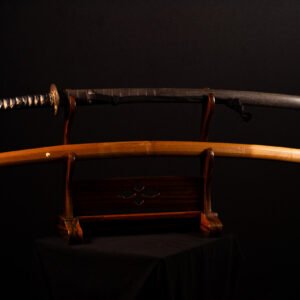
As battles intensified, swordsmiths began producing larger and more powerful blades.
Distinctive features of this era include:
- Exceptionally long swords
- Broad blade shapes
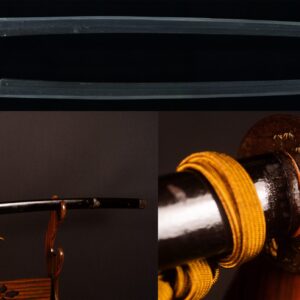
- Dynamic hamon patterns
- Powerful cutting geometry
Many collectors prize Nanbokucho swords for their dramatic appearance and historical significance.
Muromachi period (1336–1573)
The rise of the katana
During the Muromachi Period, warfare became increasingly widespread.
The famous katana emerged as the preferred weapon of the samurai.
Unlike the earlier tachi, the katana was worn edge-up through the sash, allowing for faster drawing and combat techniques.
Mass production increased to meet military demand, while important schools such as Mino rose to prominence.
Momoyama period (1573–1603)
The age of great warlords
The Momoyama Period was dominated by powerful military leaders such as:
- Oda Nobunaga
- Toyotomi Hideyoshi
- Tokugawa Ieyasu
This was a period of unification, wealth and artistic innovation.
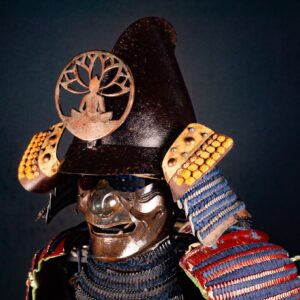
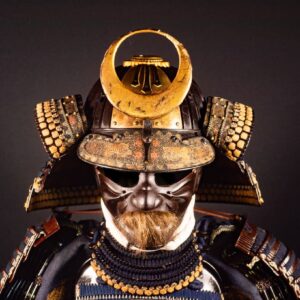
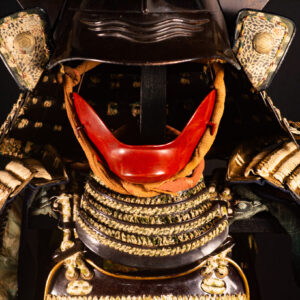
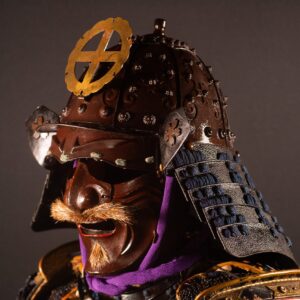
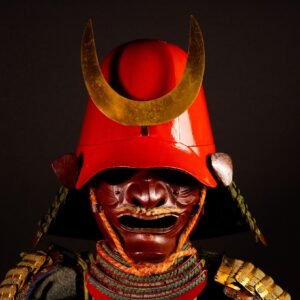
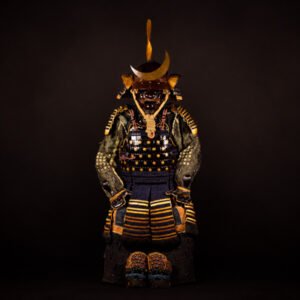
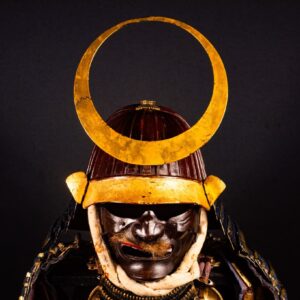
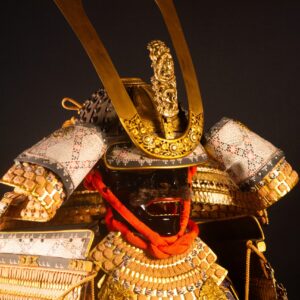
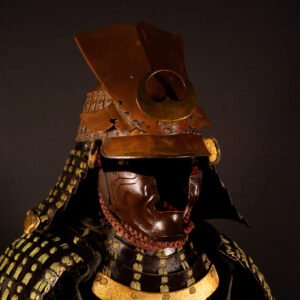
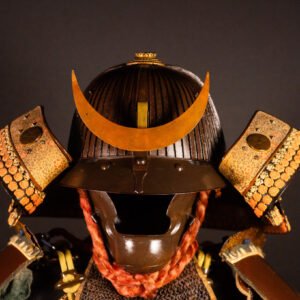
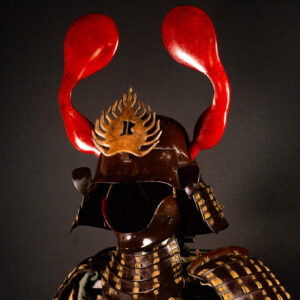
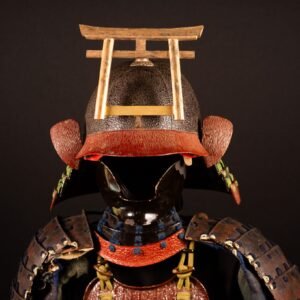
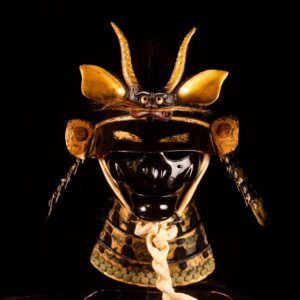
Samurai armour became increasingly elaborate, while decorative arts flourished under the patronage of powerful daimyo.
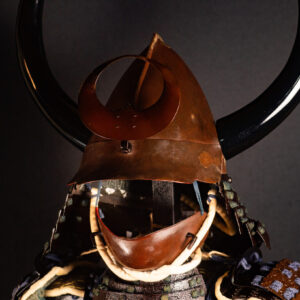
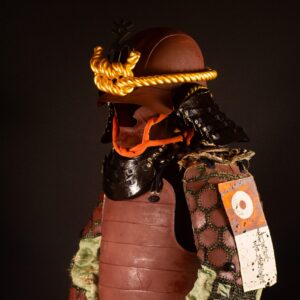
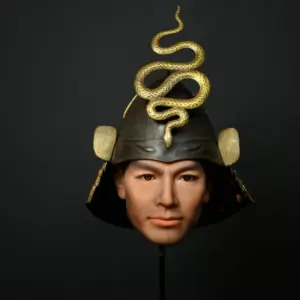
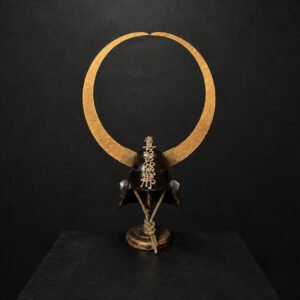
Many spectacular kabuto and armour designs originate from this era.
Edo period (1603–1868)
Peace, prosperity and artistic refinement
The Edo Period represents one of the most important eras for collectors of Japanese art.
Following centuries of warfare, Japan entered a long period of peace under the Tokugawa Shogunate.
As military conflict declined, artistic expression flourished.
During this period:
- Samurai swords became more refined
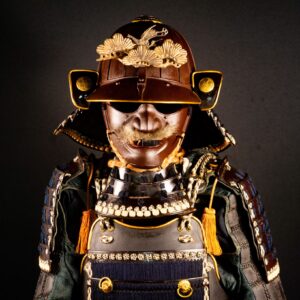
- Armour became increasingly decorative
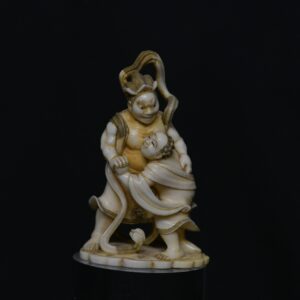
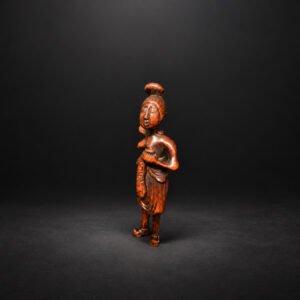
- Netsuke carving reached its golden age
- Inro production flourished
- Noh theatre expanded
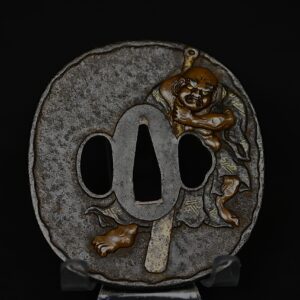
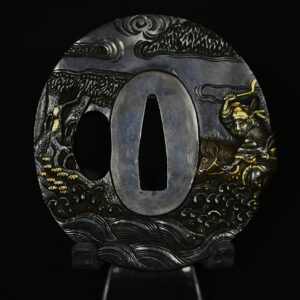
- Sword fittings achieved extraordinary artistic sophistication
Many of the finest examples of Japanese decorative arts available today date from the Edo Period.
Meiji period (1868–1912)
Modernisation and global influence
The Meiji Restoration transformed Japan from a feudal society into a modern industrial nation.
The samurai class was abolished and the wearing of swords was prohibited.
Although this marked the end of traditional samurai culture, it also created new opportunities for artists and craftsmen.
Japanese art became highly sought after by Western collectors, leading to the production of extraordinary export pieces including:
- Fine netsuke
- Elaborate inro
- Cloisonné enamels
- Metalwork
- Ceramics
The Meiji Period is often considered a golden age of technical craftsmanship.
Taisho period (1912–1926)
Tradition meets modernity
The Taisho Period was relatively short but culturally significant.
Japanese artists increasingly combined traditional techniques with modern influences from Europe and America.
Art movements became more diverse, while traditional crafts continued to evolve within a rapidly changing society.
Showa period (1926–1989)
Preservation and renewal
The Showa Period witnessed both conflict and reconstruction.
Following World War II, efforts were made to preserve traditional Japanese arts and crafts.
Swordsmithing, lacquer work, ceramics and metalworking experienced a revival supported by cultural preservation initiatives.
Many contemporary masters trace their artistic lineages to traditions that survived through this period.
Heisei Period (1989–2019)
Preservation, global collecting and cultural continuity
The Heisei Period was characterised by stability, internationalisation and a renewed appreciation for Japan’s traditional cultural heritage.
During this era, efforts to preserve traditional crafts continued to expand, supported by museums, cultural organisations and recognised master craftsmen.
Japanese swords, samurai armour and traditional decorative arts gained increasing attention from collectors and institutions around the world.
Notable characteristics of the Heisei Period include:
- Continued preservation of traditional craftsmanship
- Growth of international collecting communities
- Increased study and documentation of historical Japanese art
- Restoration and conservation of important cultural properties
- Expansion of global interest in nihontō and samurai culture
Although modern in date, the Heisei Period played an important role in ensuring the survival and transmission of many traditional Japanese artistic practices into the twenty-first century.
Reiwa era (2019–Present)
Living traditions
Today, Japan continues to preserve many of its traditional crafts.
Licensed swordsmiths still forge nihonto using ancient methods, while contemporary artisans produce armour, lacquerware and metalwork inspired by centuries of tradition.
These living crafts ensure that the artistic heritage of Japan remains active rather than simply historical.
Understanding japanese antiques
When evaluating Japanese art, collectors often classify objects according to these historical periods.
For example:
- Kamakura sword
- Edo-period kabuto
- Meiji netsuke
- Momoyama armour
- Taisho lacquerware
The period of manufacture provides essential information regarding style, rarity and historical context.
Understanding these distinctions allows collectors to make more informed decisions and develop a deeper appreciation for the objects they acquire.
A journey through japanese history
The story of Japanese art is inseparable from the history of Japan itself.
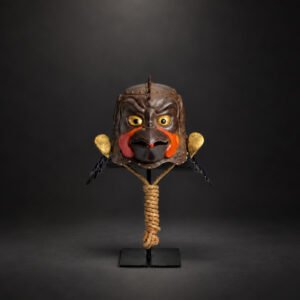
Every sword, armour, netsuke, inro or Noh mask reflects the cultural values and artistic traditions of the era in which it was created.
By exploring these historical periods, collectors gain a richer understanding of the craftsmanship, symbolism and human stories behind the objects that have survived for centuries.
Japanese art is more than a collection of beautiful objects—it is a living record of one of the world’s most fascinating civilizations.