Showing 1–1 of 73 results
What is a netsuke?
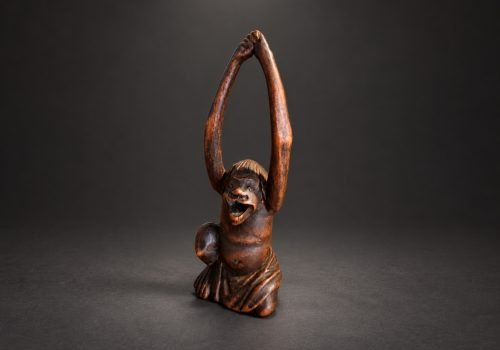
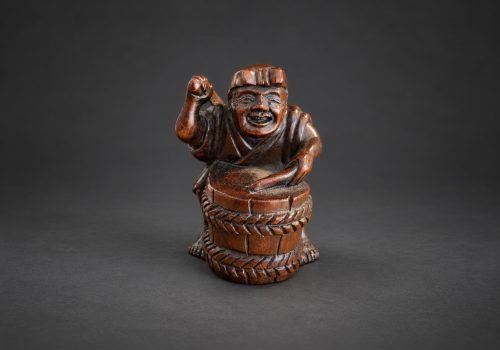
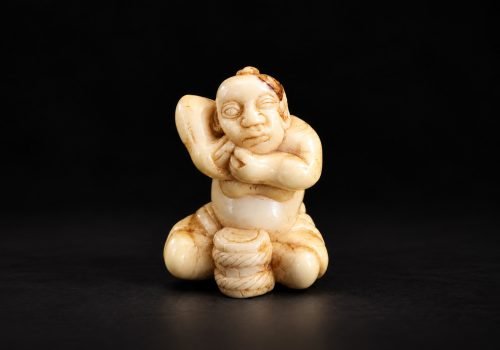
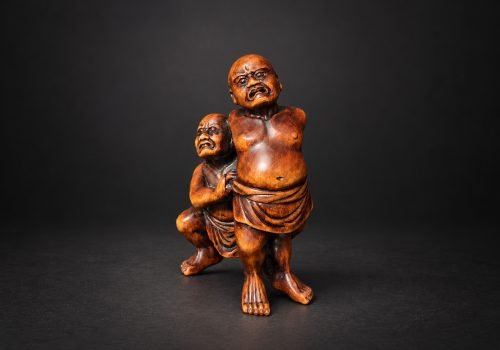
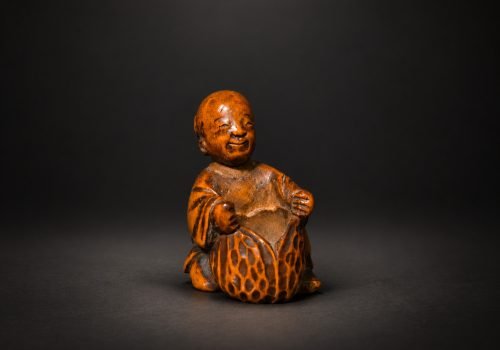
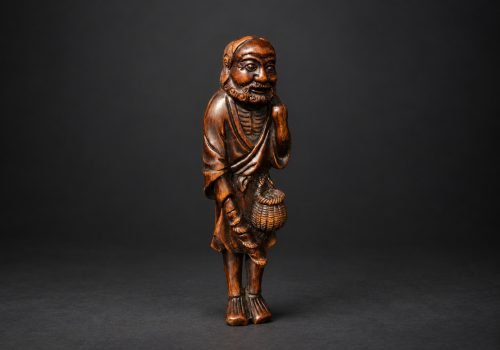
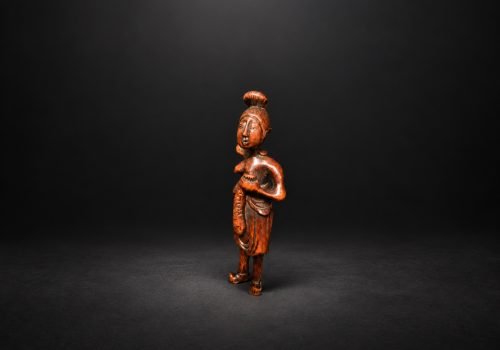
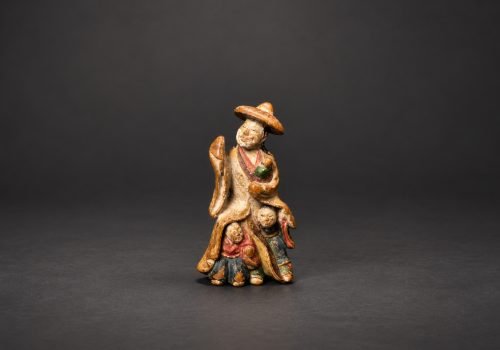
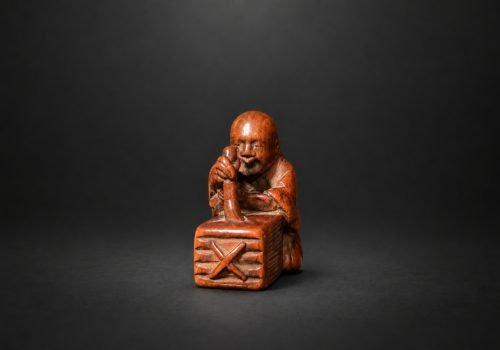
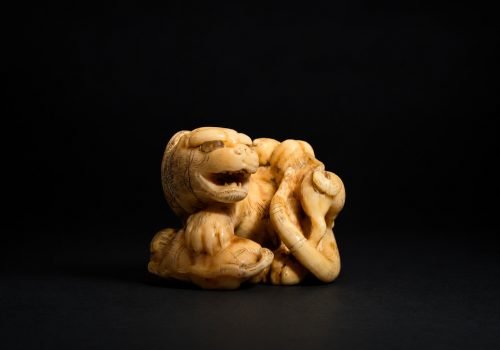
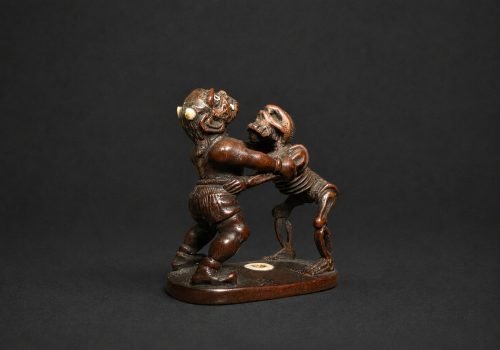
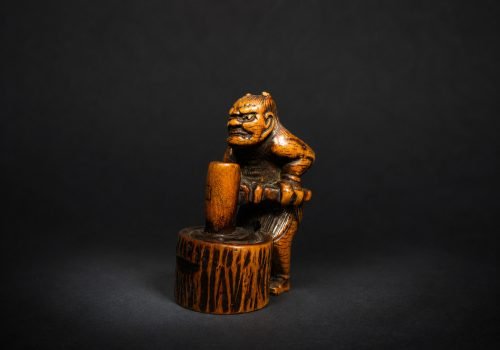
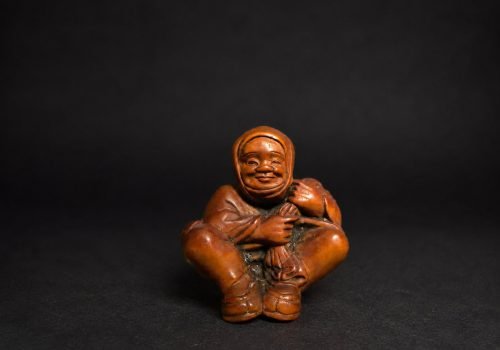
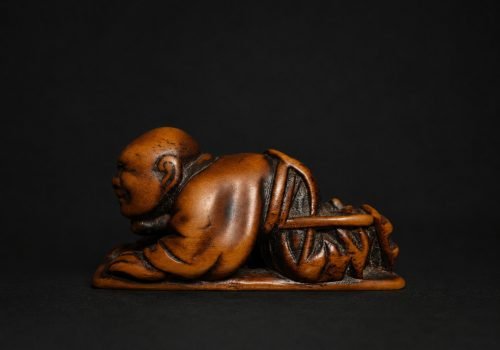
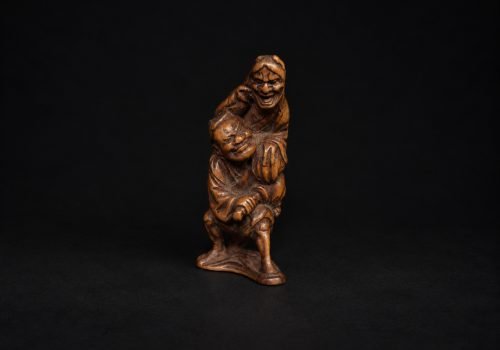
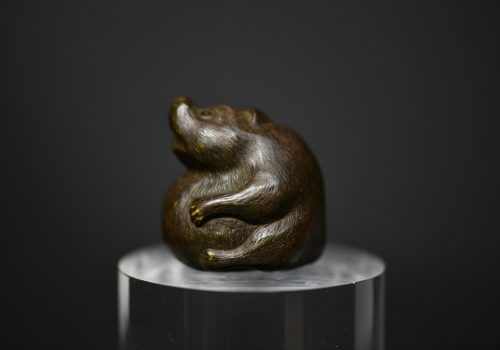
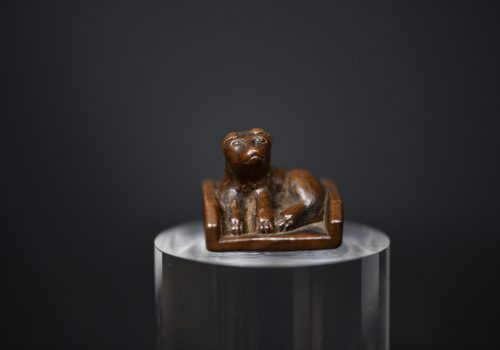
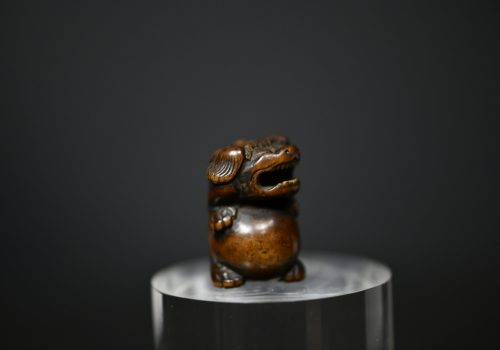
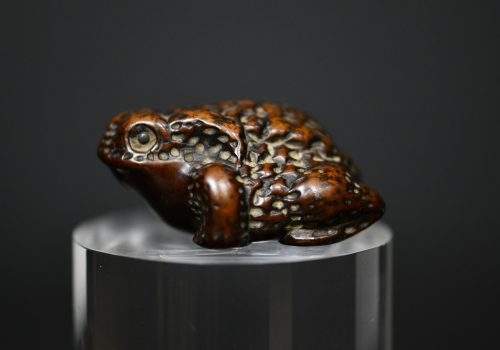
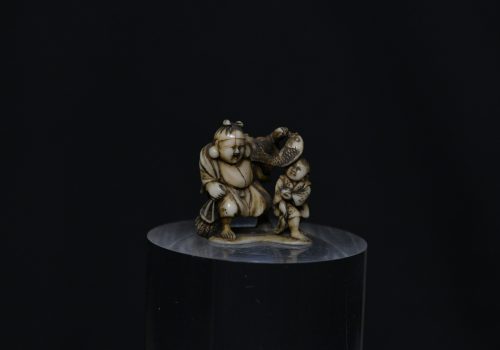
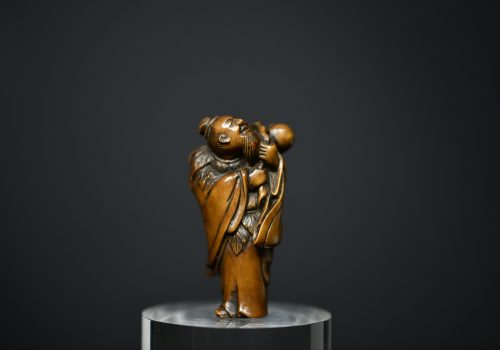
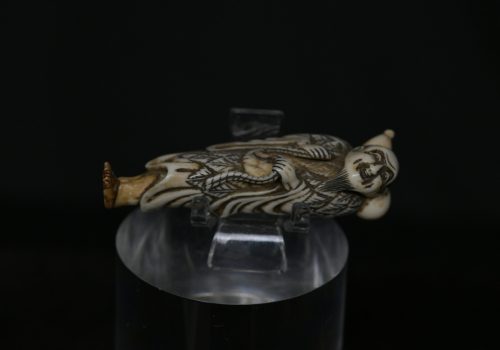
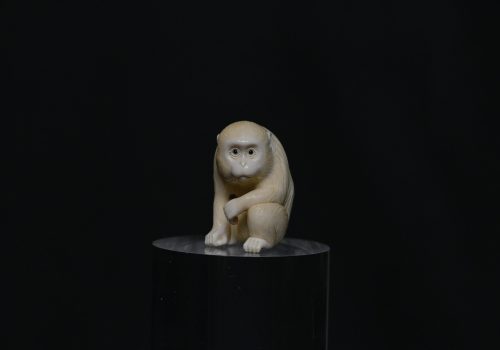
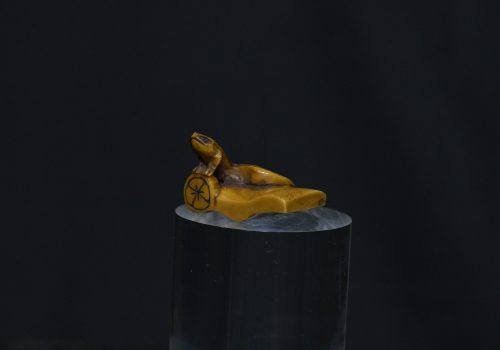
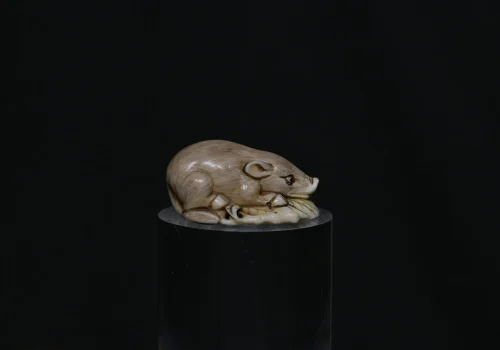
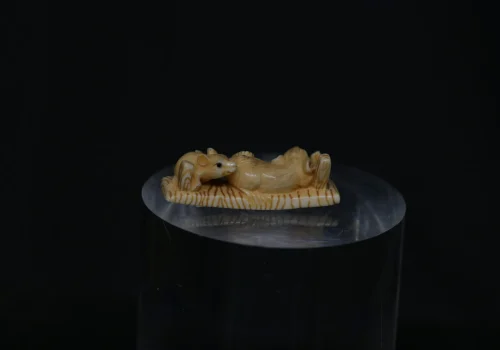
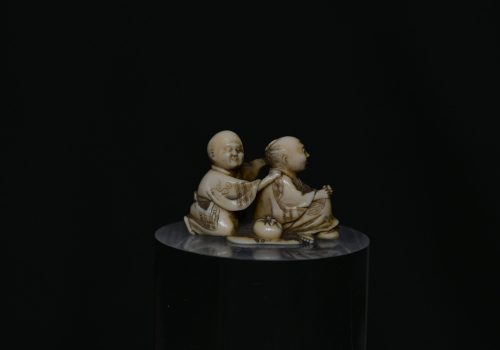
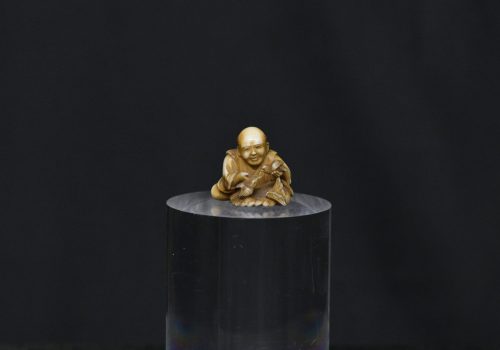
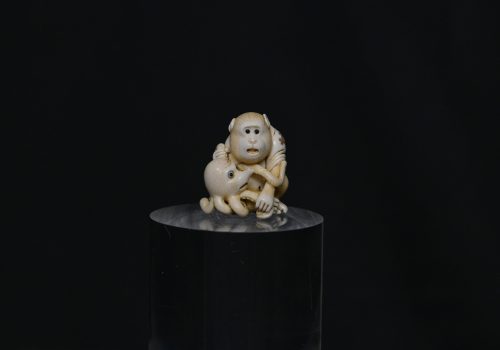
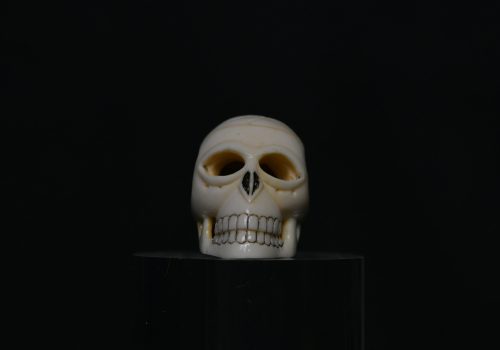
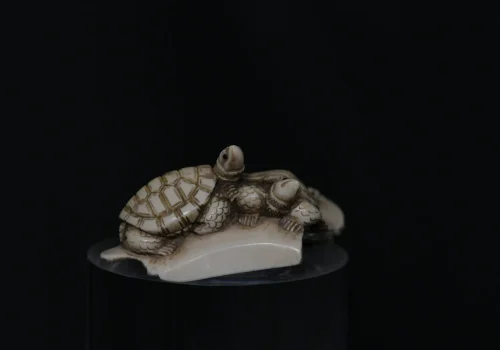
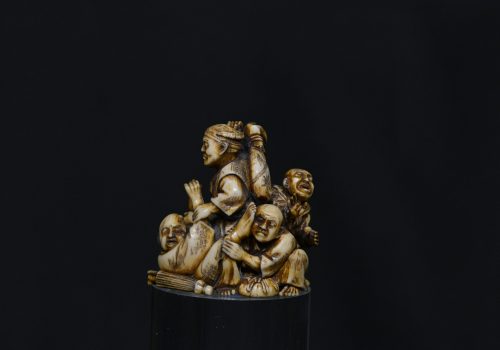
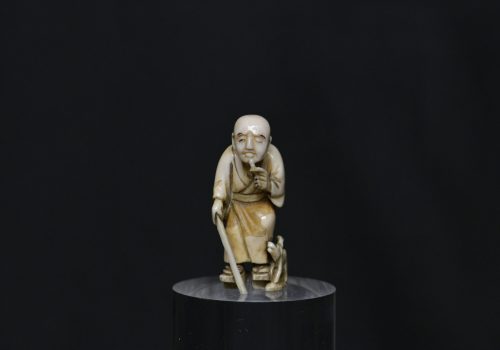
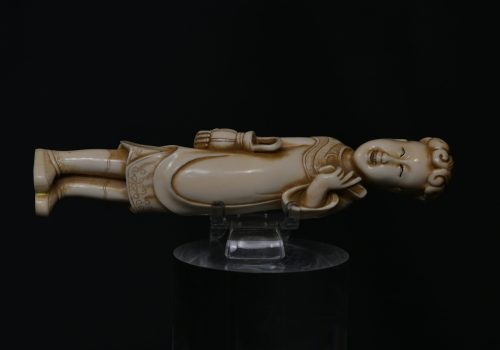
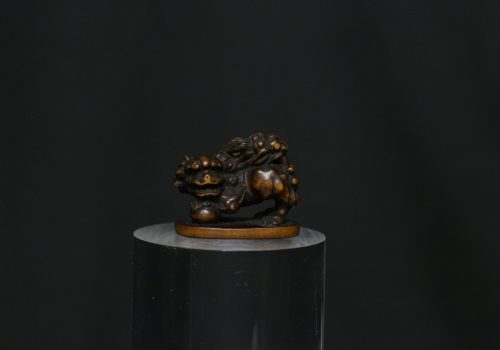
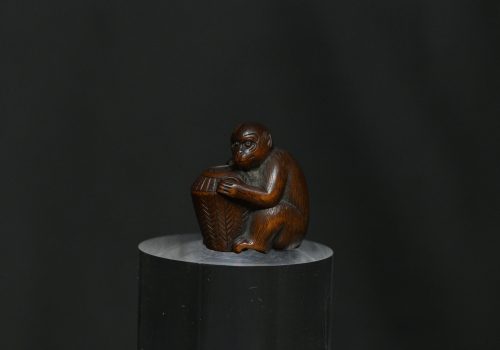
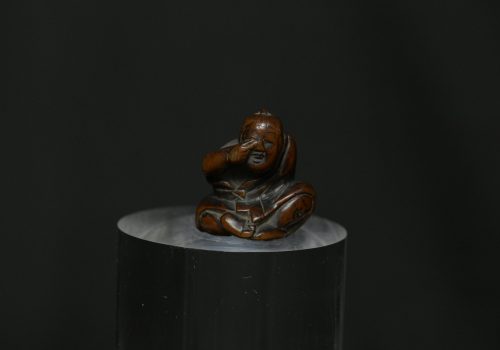
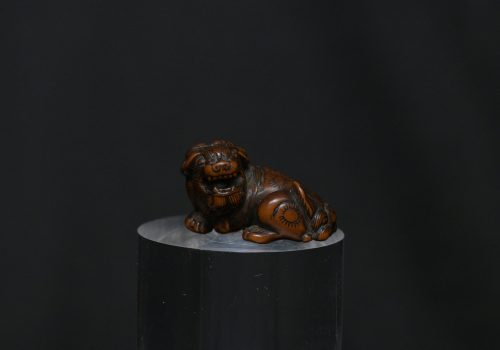
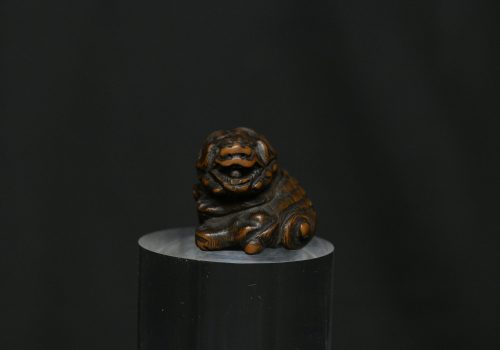
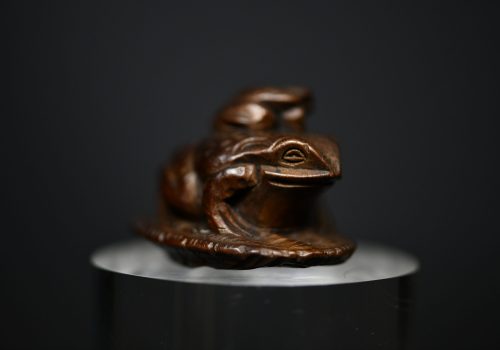
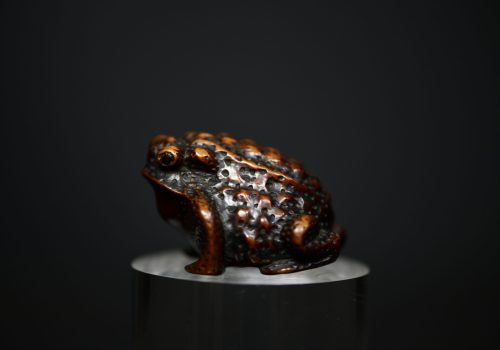
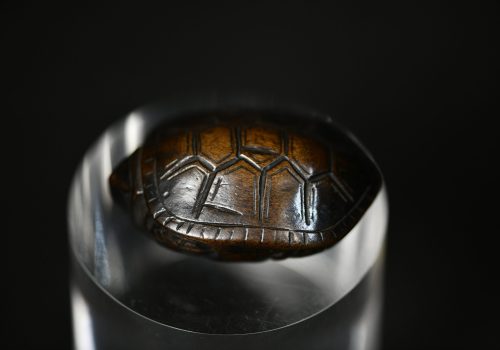
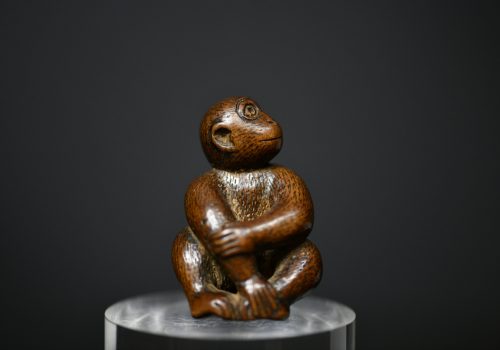
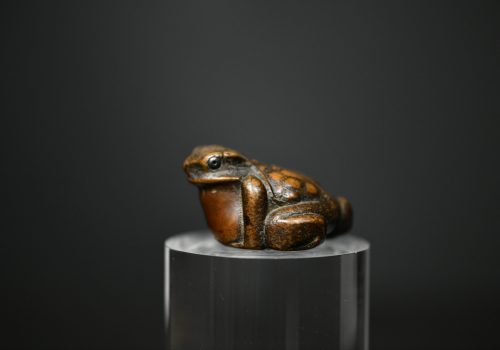
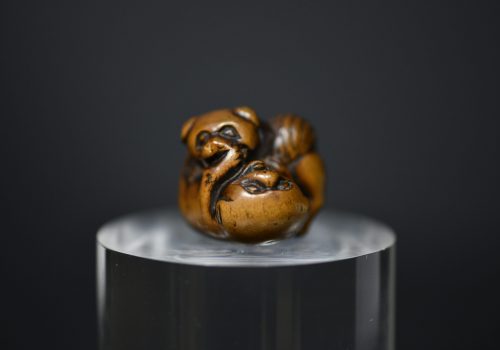
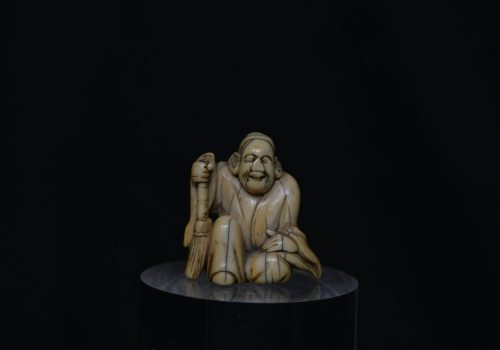
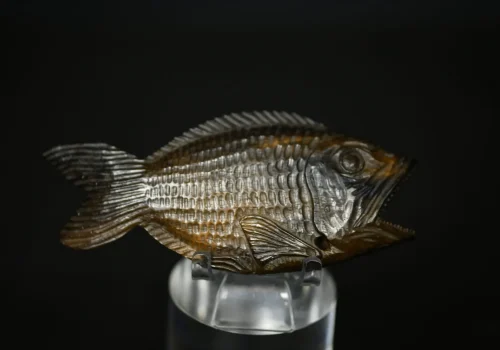
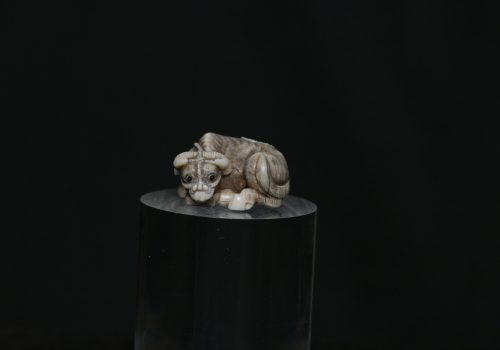
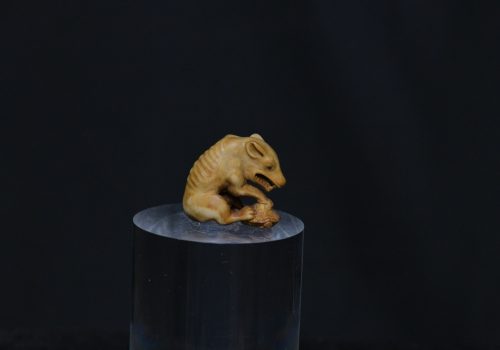
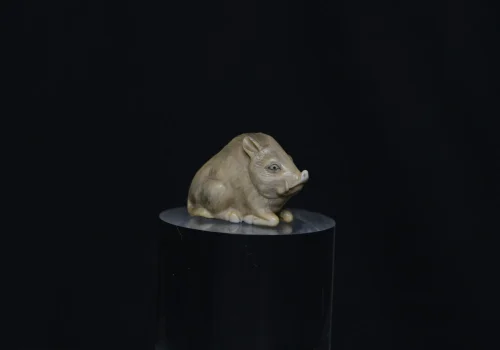
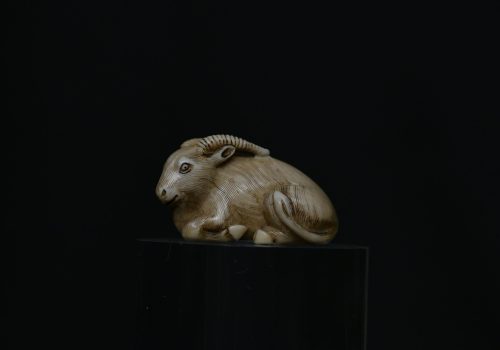
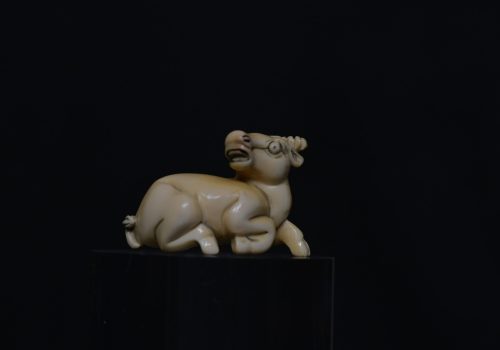
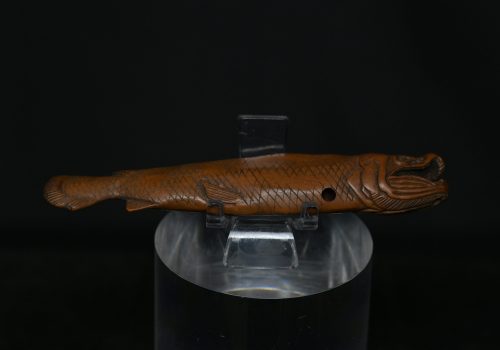
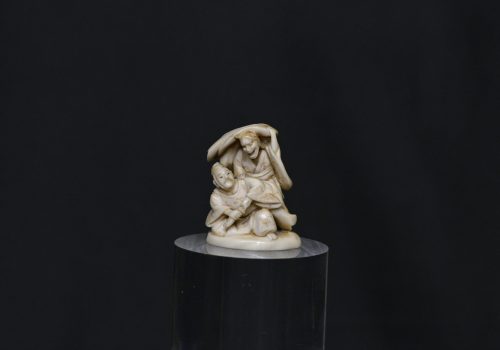
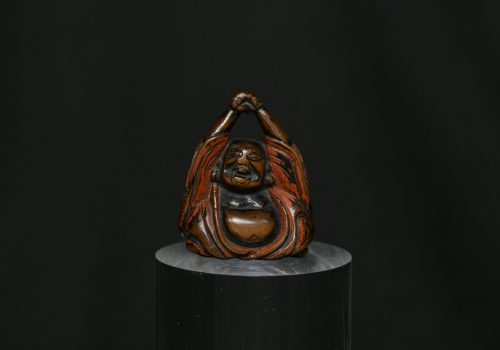
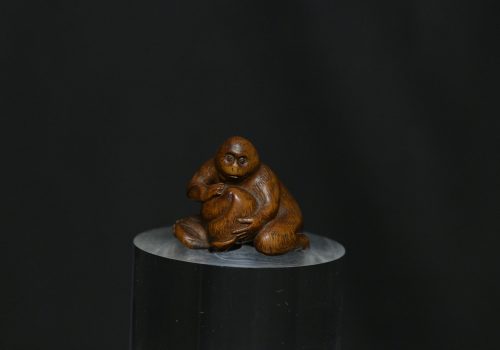
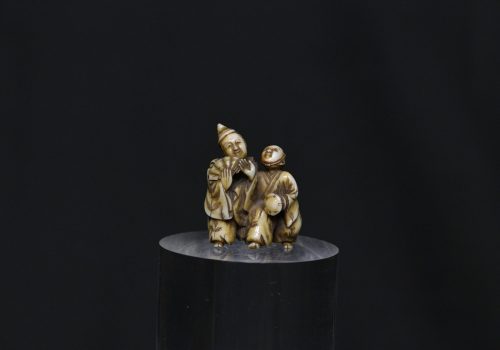
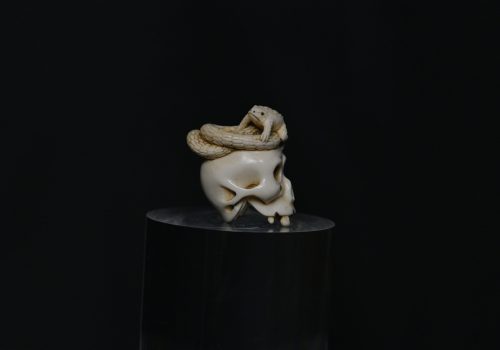
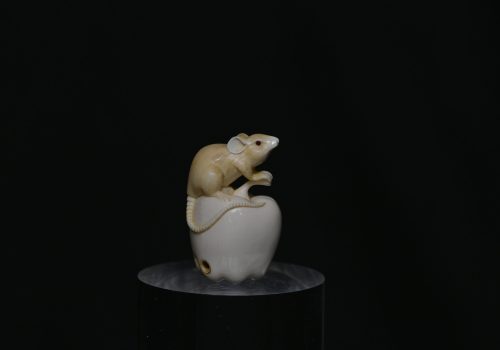
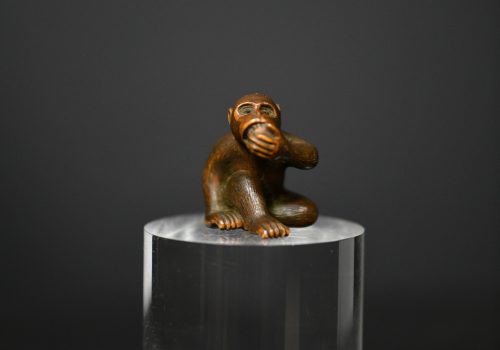
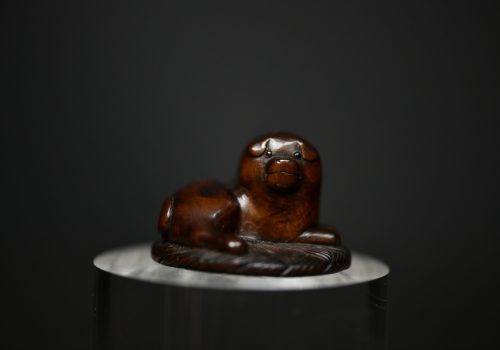
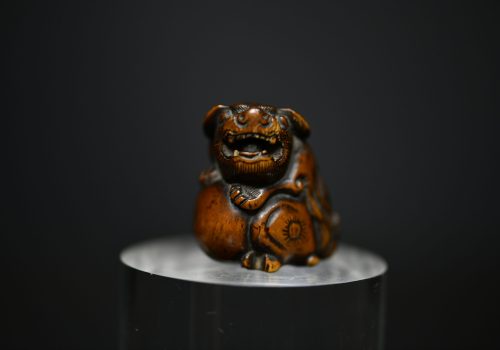
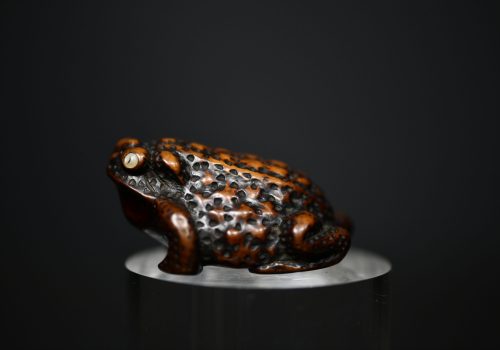
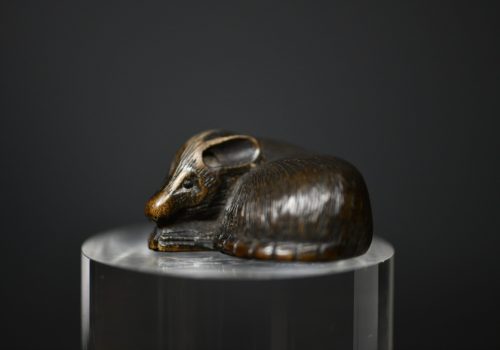
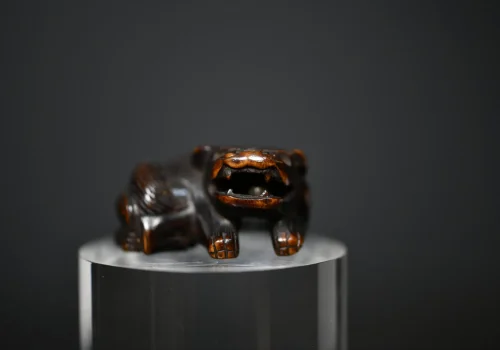
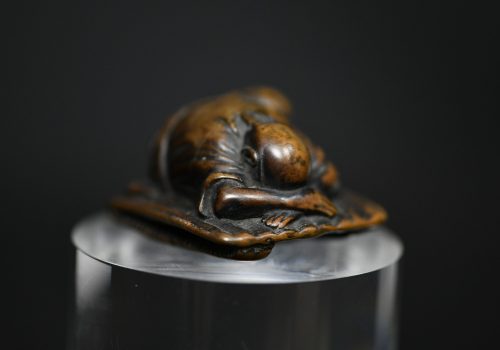
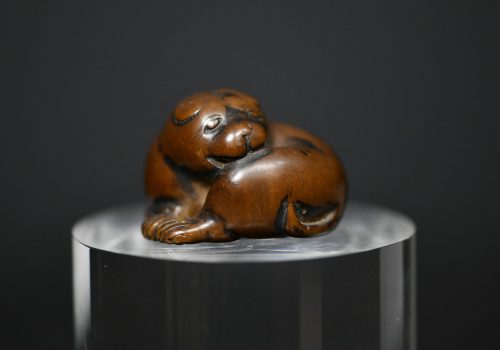
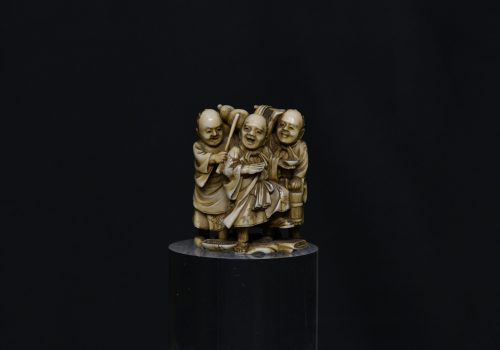
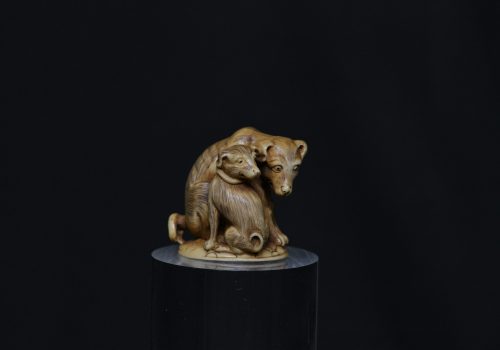
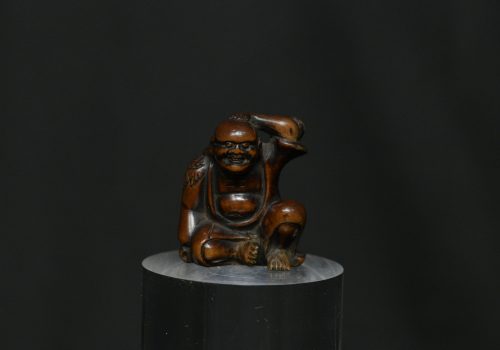
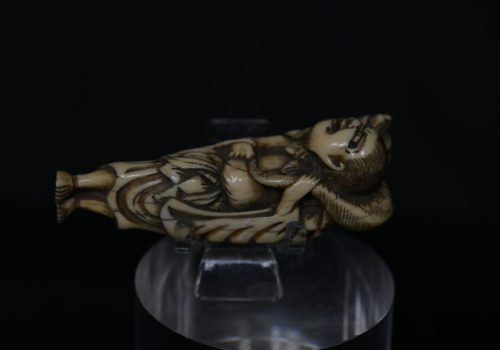
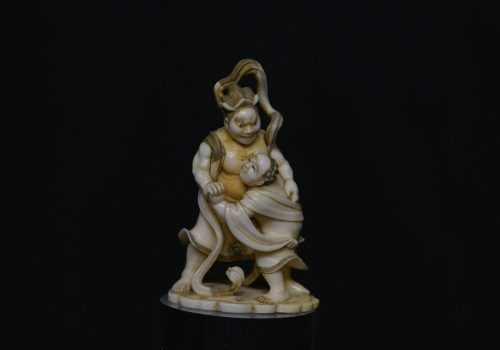
A netsuke is a small, intricately carved toggle or ornament that originated in Japan during the Edo period (1603-1868). These objects were typically made from materials like ivory, wood, bone, or metal, and they served both practical and decorative purposes.
Historically, netsuke were used to secure small personal items, such as medicine boxes (inrō), tobacco pouches, or purses, to the sashes (obi) of traditional Japanese garments, such as kimonos. Since kimonos lack pockets, the netsuke would act as a counterbalance by being attached to a cord that looped under the sash, holding the item in place.
Netsuke vary widely in their designs, often depicting animals, mythological creatures, everyday scenes, or figures from folklore. Each piece is a unique work of art, reflecting the skill and creativity of the carver. Over time, netsuke became highly collectible items, valued not only for their functionality but also for their artistic merit.
Today, they are considered important artifacts of Japanese culture and craftsmanship, and they are often collected and studied by enthusiasts worldwide.

Netsuke come in various types, each with unique characteristics and functions.
Here are some of the primary types:
1. Katabori Netsuke (Sculptural Netsuke):
2. Manju Netsuke:
3. Ryusa Netsuke:
4. Kagamibuta Netsuke:
5. Sashi Netsuke:
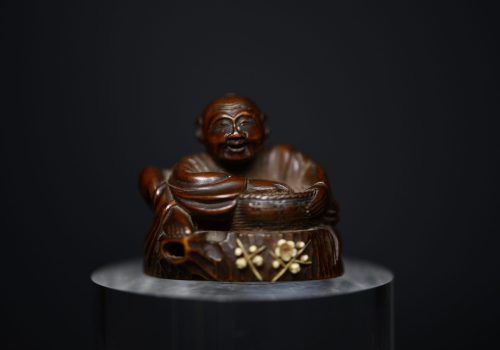
6. Netsuke with Inlays:
7. Karikuri Netsuke (Mechanical Netsuke):
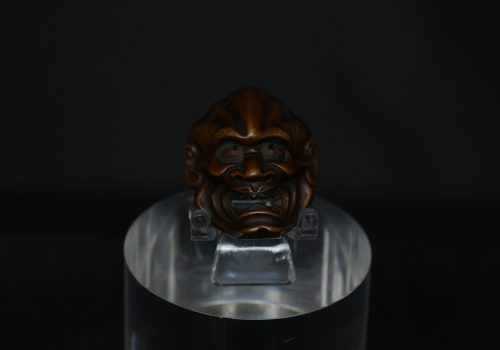
8. Mask Netsuke:
9. Minitature Tools and Implements:
Each type of netsuke not only served a practical purpose but also reflected the artistic tastes and cultural influences of its time, making them fascinating objects for both historical study and artistic appreciation.
Netsuke are crafted from a variety of materials, each chosen for its particular properties and aesthetic qualities.
The most common materials used include:
1. Ivory:
2. Wood:
3. Bone:
4. Horn:
5. Lacquer:
6. Metal:
7. Porcelain and Ceramic:
8. Coral:
9. Jade and Other Semi-Precious Stones:
10. Amber:
These materials allow artisans to create a wide range of textures, colors, and effects in their netsuke, making each piece unique and highly collectible.
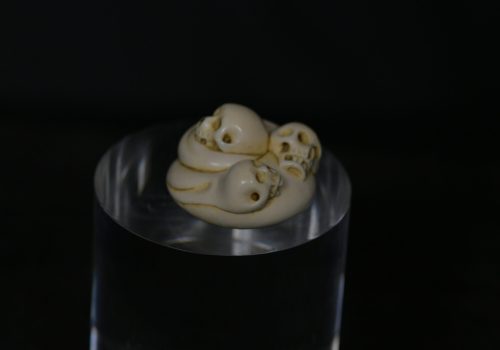
Netsuke schools refer to the distinct styles and traditions of carving that developed in various regions of Japan, often associated with master carvers and their apprentices.
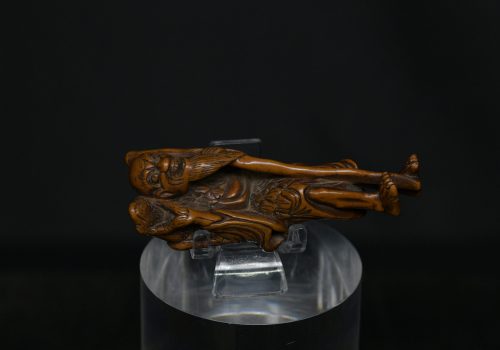
Some of the most important netsuke schools include:
1 Kyoto School:
2. Osaka School:
3. Edo (Tokyo) School:
4. Nagoya School:
5. Tsu School:
6. Sōshū (Odawara) School:
7. Kansai School:
8. Iwami School:
These schools and their master carvers significantly influenced the art of netsuke, each contributing unique styles, techniques, and subject matter to the tradition. Collectors and historians study these schools to appreciate the rich diversity and historical development of netsuke carving.
Shibayama refers to a highly decorative and intricate form of Japanese inlay work that is often found on various art objects, including netsuke, inrō (traditional Japanese cases for holding small objects), and other personal ornaments. This technique involves the meticulous inlaying of materials such as mother-of-pearl, coral, tortoiseshell, ivory, and various semi-precious stones into a base material, which is typically wood, ivory, or lacquer.
Key Characteristics of Shibayama Work:
1. Intricate Inlay:
2. Nature Themes:
3. Dimensionality:
4. Base Materials:
5. Cultural Significance:
6. Artistic Collaboration:
Shibayama-netsuke are particularly prized by collectors due to the combination of their functional purpose and the exquisite artistry involved. The term "Shibayama"; itself comes from the name of the family that popularized this technique, with Shibayama Senzo being one of the most prominent artisans associated with its development.
Overall, Shibayama represents a pinnacle of Japanese decorative art, showcasing the intricate craftsmanship and aesthetic sensibilities of the artisans who created these beautiful and intricate works.
Contact