Showing 1–1 of 42 results
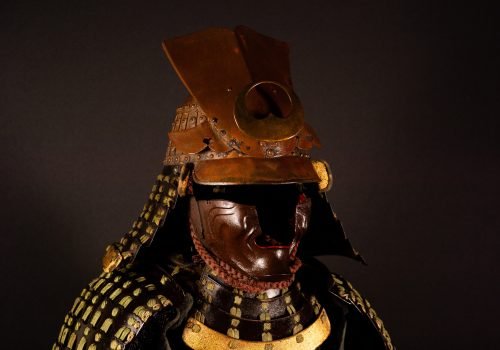
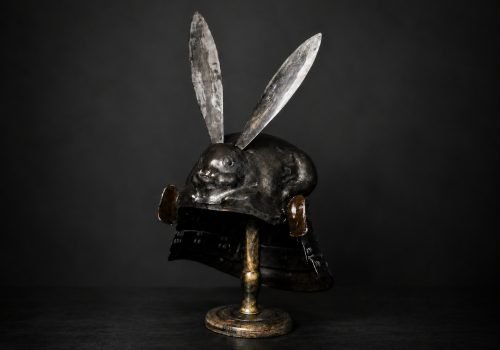
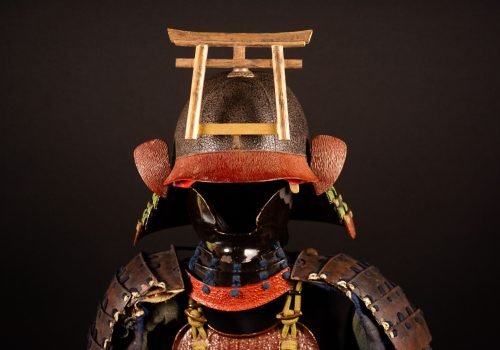
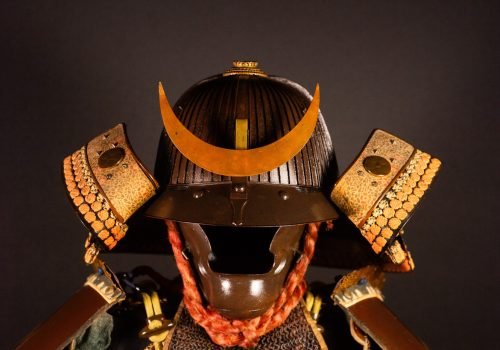
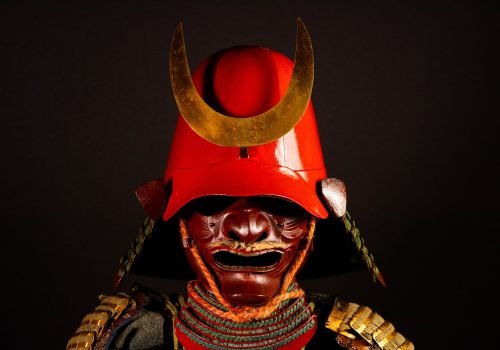
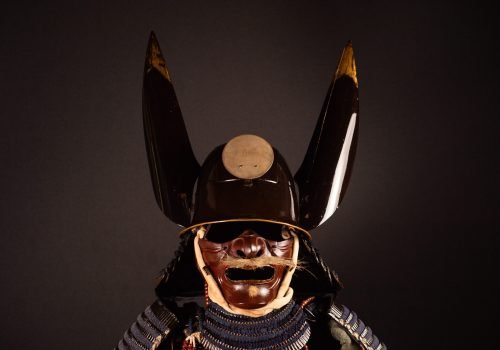
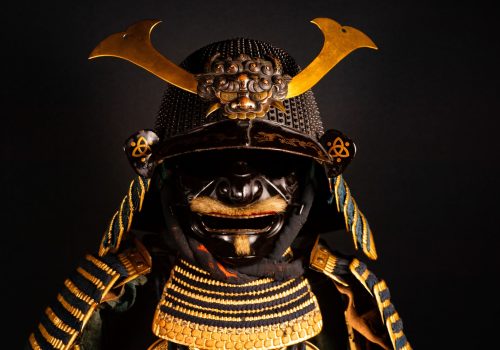
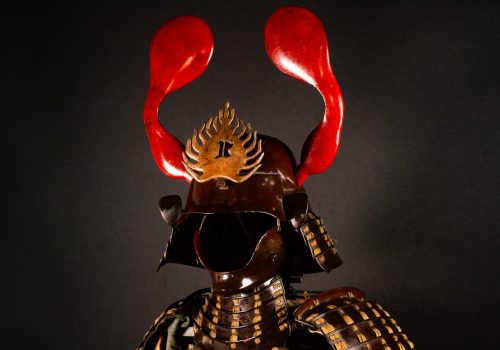
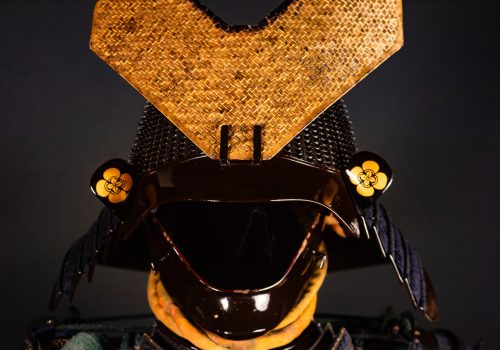
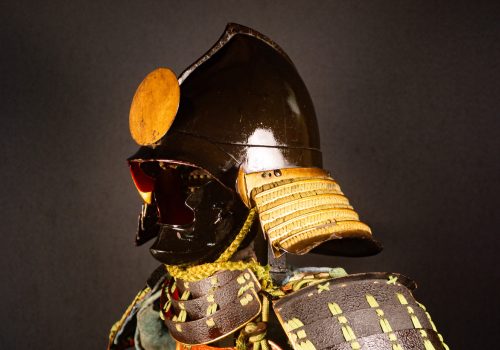
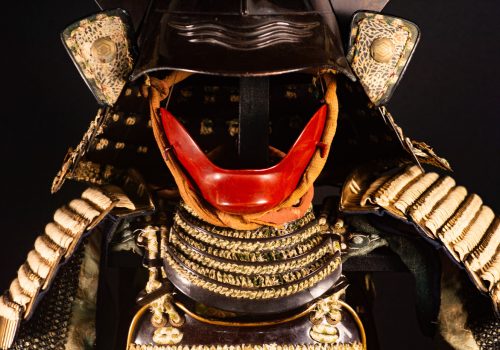
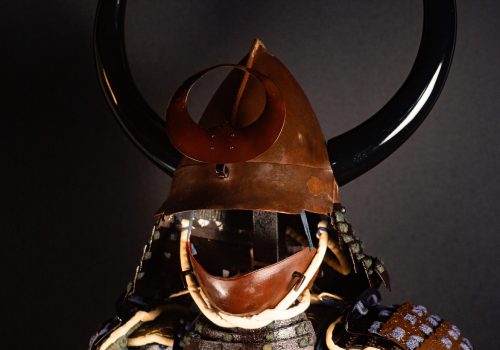
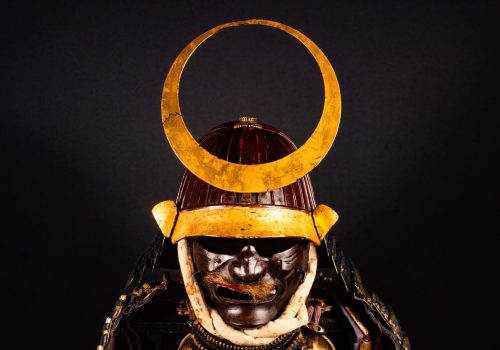
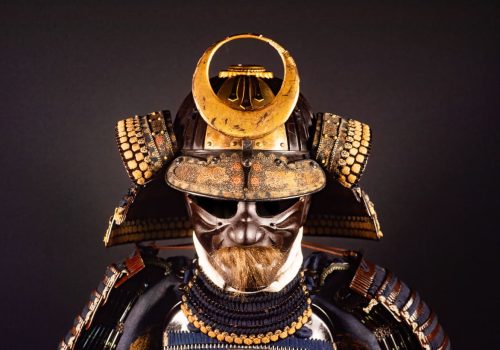
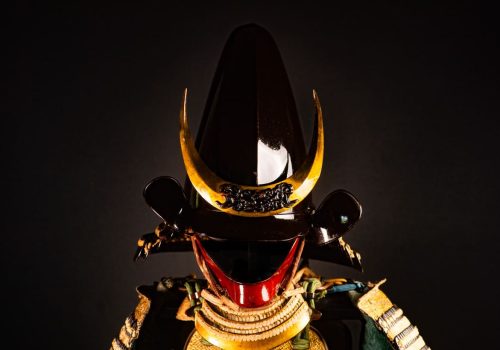
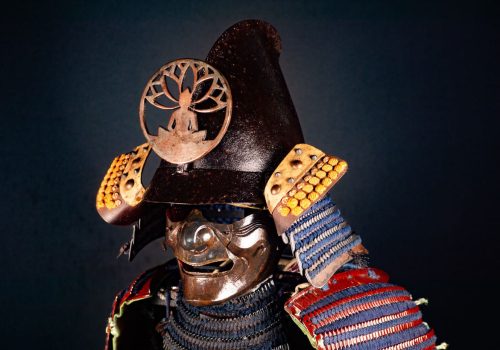
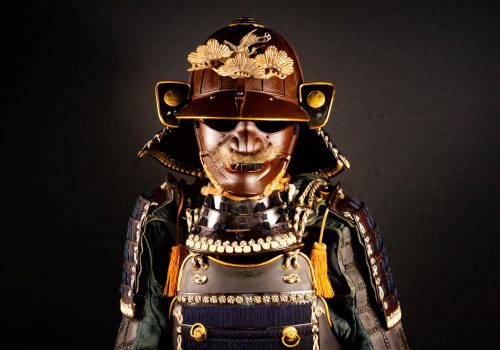
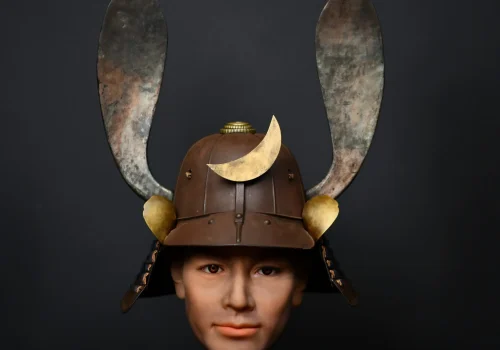
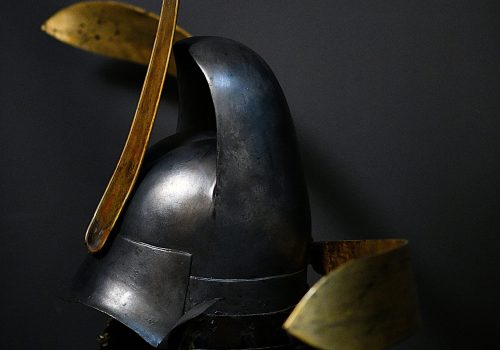
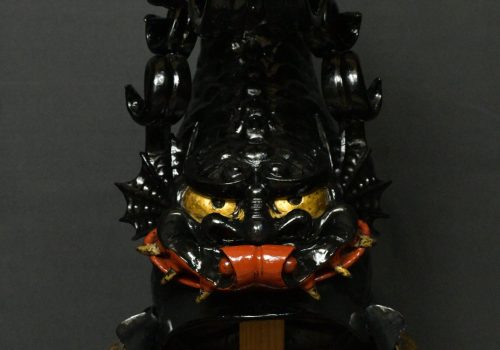
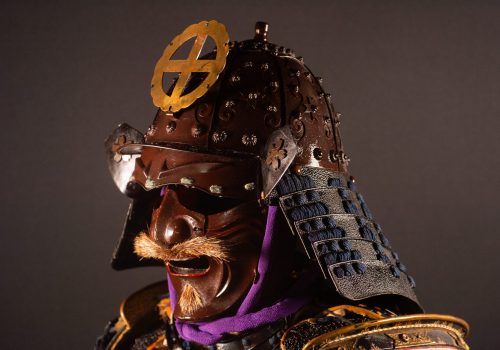
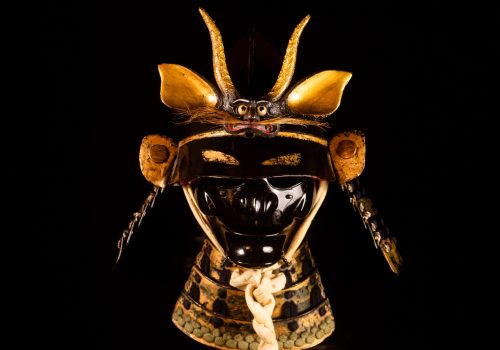
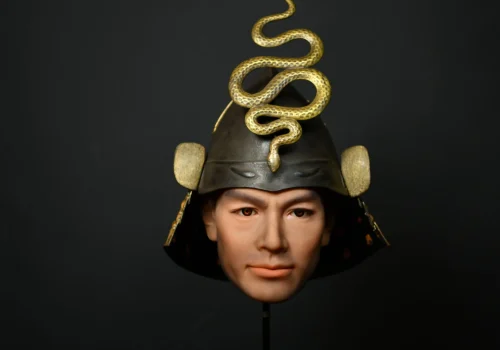
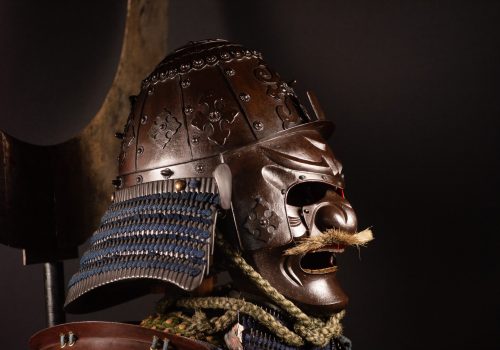
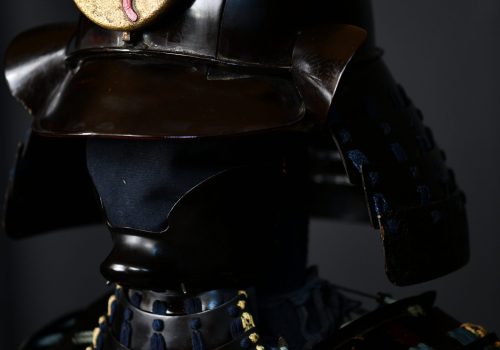
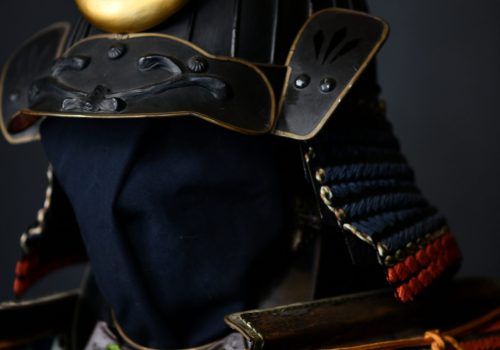
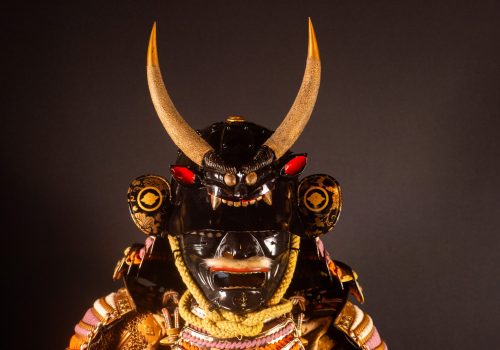
A Kabuto is a type of traditional Japanese helmet worn by samurai during feudal Japan. It was an essential part of the samurai armor, providing protection for the head during battles. The Kabuto typically consists of a metal bowl-shaped helmet adorned with various decorations and features such as a crest (maedate), neck guard (shikoro), and sometimes facial protection (menpo). The design and ornamentation of Kabuto varied widely depending on the era, region, and status of the wearer. They were often crafted with great attention to detail and could be highly ornate, reflecting the status and personality of the samurai who wore them.
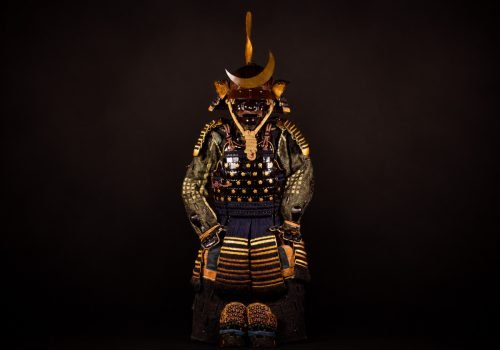
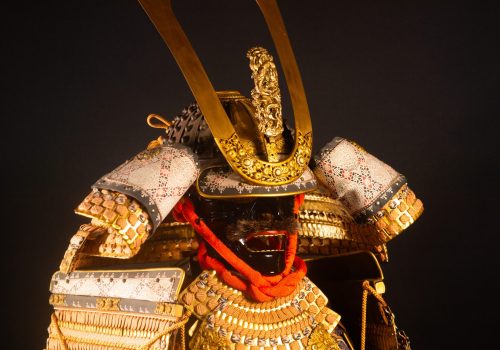
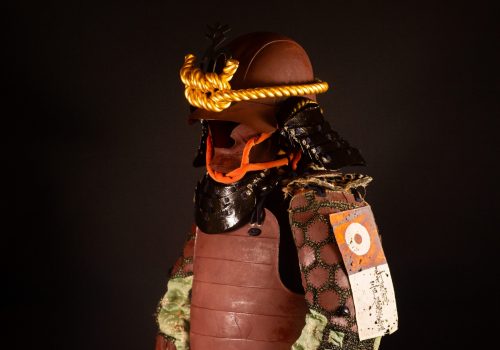
Yoroi is a term used to refer to traditional Japanese armor worn by samurai warriors during feudal Japan. Yoroi typically consists of various components, including a chest plate (do), shoulder guards (sode), arm guards (kote), thigh guards (haidate), shin guards (suneate), and a helmet (kabuto), among other pieces. The construction and design of yoroi varied depending on factors such as the time period, region, and the status of the wearer.
Yoroi was crafted from materials such as metal plates (usually lacquered iron or leather), chainmail (kusari), and sometimes decorative elements like silk cords and fur. The design of yoroi often reflected the practical needs of the battlefield, providing protection while allowing for mobility and comfort.
Today, yoroi is admired for its craftsmanship and historical significance and is often showcased in museums, collections, and reenactments of Japanese history and martial arts.
"Gusoku" is a term used to describe a complete set of Japanese armor worn by samurai warriors during the feudal era of Japan. This term encompasses all the protective gear worn by a samurai, including the helmet (kabuto), chest armor (do), shoulder guards (sode), arm guards (kote), thigh guards (haidate), shin guards (suneate), and other associated pieces.

The gusoku was carefully designed to provide protection to the samurai while allowing for mobility and flexibility in combat. It was often made from materials such as iron, leather, and sometimes silk cords for lacing, with intricate craftsmanship and decoration.
Like individual pieces of armor such as the kabuto or do, gusoku varied in design, style, and quality based on factors such as the wearer's status, the period, and regional preferences. Gusoku it's a simple and confortable versions of the antique Yorois made during kamakura to Edo periods.

Today, gusoku sets are highly valued as historical artifacts and works of art, often displayed in museums or private collections, and are sometimes used in reenactments or demonstrations of traditional Japanese martial arts.

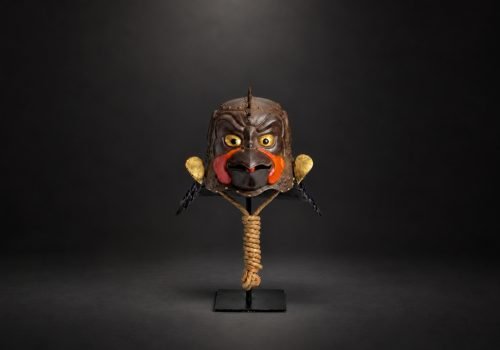
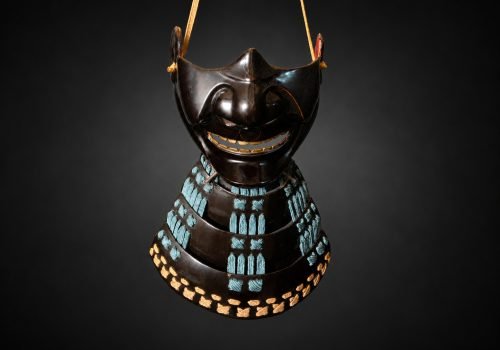
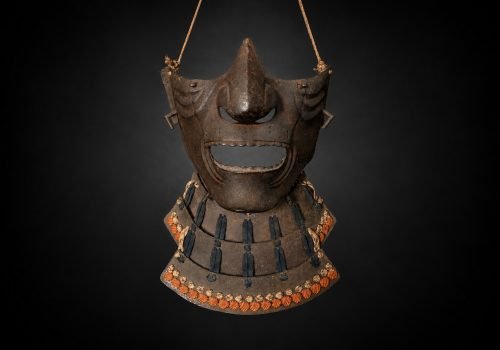
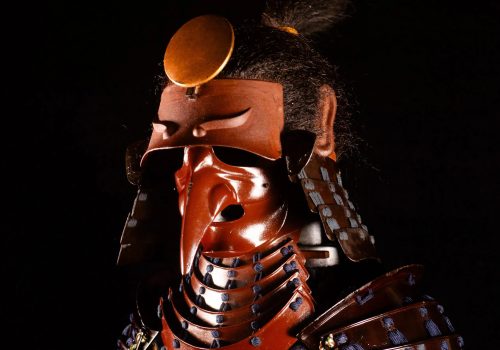
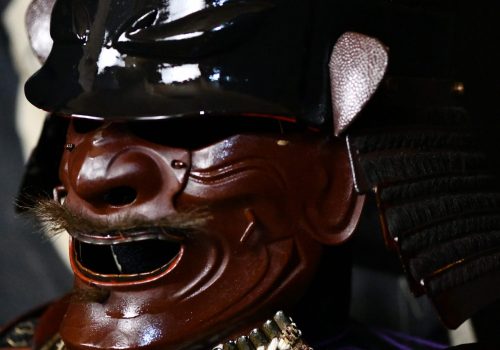
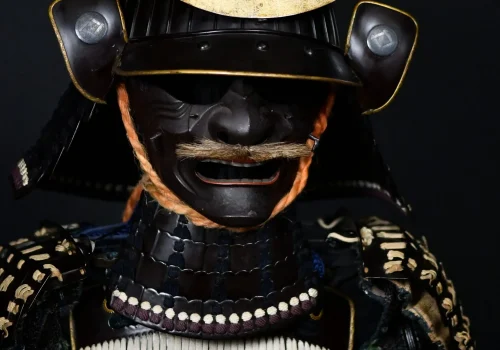
In the context of Japanese armor, there are several types of facial protection or masks that were used by samurai. Here are the differences between some of them:
These are just a few examples of facial armor worn by samurai. Each type served the dual purpose of protecting the wearer in battle and projecting a fearsome or impressive appearance on the battlefield. The specific design and style of these masks could vary greatly depending on the period, region, and individual preferences of the samurai.
Traditional Japanese armor, known as "yoroi," consists of various components designed to protect different parts of the body. Here are some of the main parts of a yoroi:
Contact