Showing 1–1 of 11 results
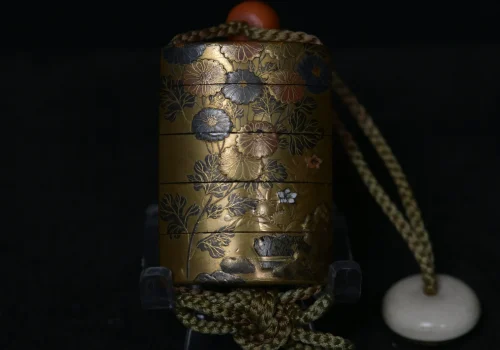
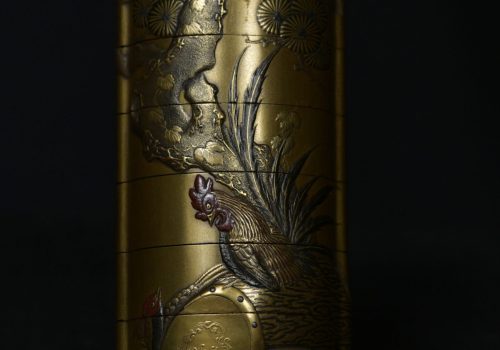
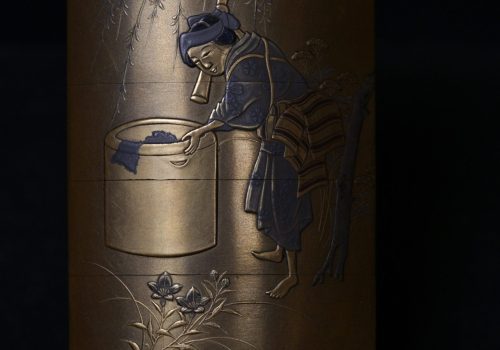
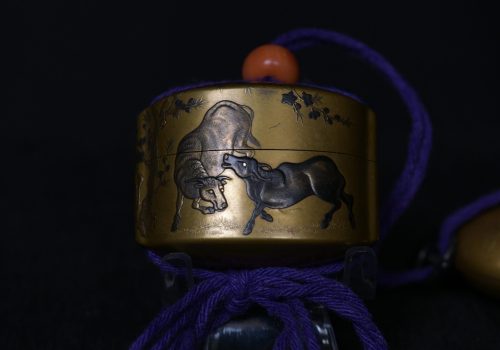
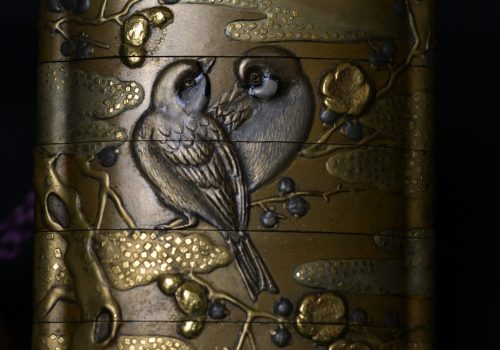
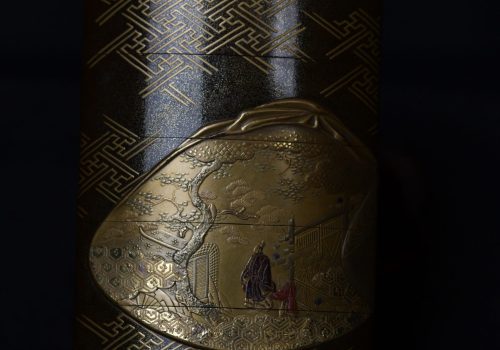
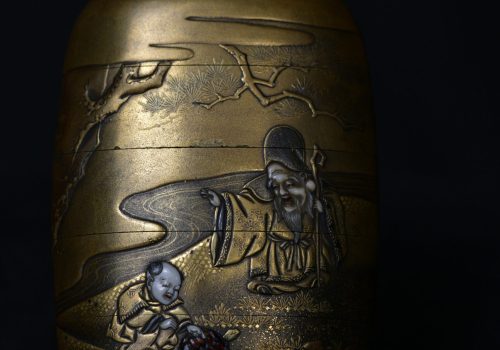
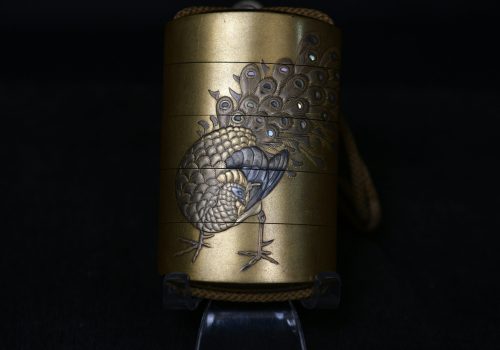
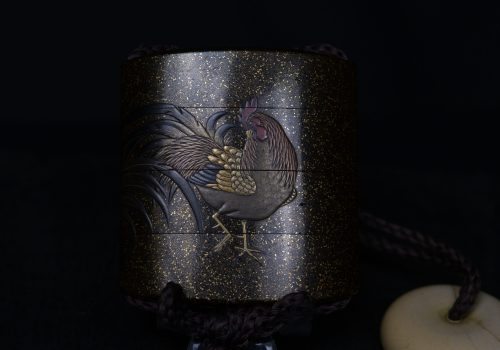
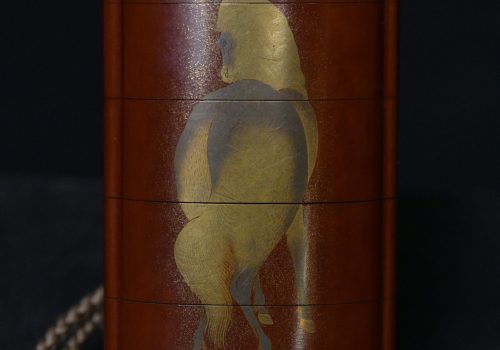
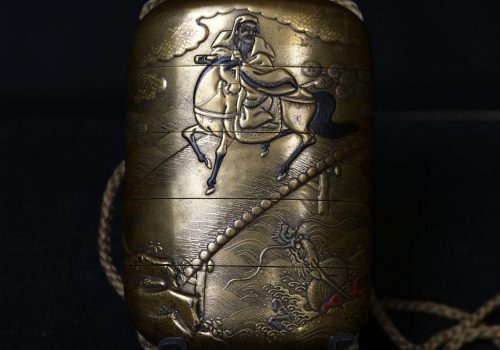
An inrō is a traditional Japanese case used to carry small personal items. Typically, inrō consist of several interlocking compartments stacked together, held in place by a cord that passes through them. They are often highly decorative and serve both functional and aesthetic purposes. Here are some key details about inrō:
Structure and Function
Materials and Decoration
Historical and Cultural Context
Components
1. Inrō: The main body with compartments.
2. Netsuke: A small carved toggle that secures the cord at one end and prevents the inrō from slipping through the obi (sash) of a kimono.
3. Ojime: A sliding bead on the cord that keeps the compartments tightly closed.
Usage
Inrō are admired today not only for their historical function but also for the exquisite artistry involved in their creation. They provide insight into Japanese culture, craftsmanship, and the aesthetic values of the time.
Inrō come in various types, distinguished by their shape, design, materials, and decorative techniques. Here are some of the most notable types:
1. Standard Inrō:
2. Ryōshibako Inrō:
3. Gōshirae Inrō:
4. Yatsuhashi Inrō:
5. Hiramine Inrō:
Decorative Techniques
6. Maki-e Inrō:
7. Togidashi Inrō:
8. Takamaki-e Inrō:
9. Shibayama Inrō:
10. Zōgan Inrō:
11. Raden Inrō:
Shape Variations
12. Rectangular Inrō:
13. Oval Inrō:
14. Spherical Inrō:
15. Asymmetrical Inrō:
Each type of inrō showcases the rich tradition of Japanese craftsmanship, combining practicality with artistic expression. Collectors and historians value inrō for their beauty, craftsmanship, and the cultural stories they embody.
Shibayama refers to a highly decorative and intricate form of Japanese inlay work that is often found on various art objects, including netsuke, inrō (traditional Japanese cases for holding small objects), and other personal ornaments. This technique involves the meticulous inlaying of materials such as mother-of-pearl, coral, tortoiseshell, ivory, and various semi-precious stones into a base material, which is typically wood, ivory, or lacquer.
Key Characteristics of Shibayama Work:
1. Intricate Inlay:
2. Nature Themes:
3. Dimensionality:
4. Base Materials:
5. Cultural Significance:
6. Artistic Collaboration:
Shibayama-netsuke are particularly prized by collectors due to the combination of their functional purpose and the exquisite artistry involved. The term "Shibayama" itself comes from the name of the family that popularized this technique, with Shibayama Senzo being one of the most prominent artisans associated with its development.
Overall, Shibayama represents a pinnacle of Japanese decorative art, showcasing the intricate craftsmanship and aesthetic sensibilities of the artisans who created these beautiful and intricate works.
Contact