Showing 1–1 of 35 results
There are two main categories:
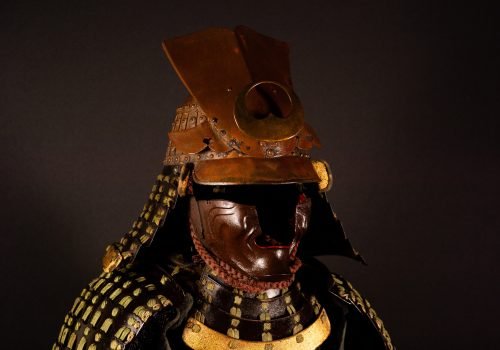
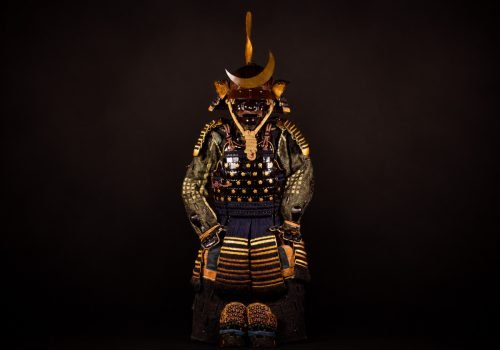
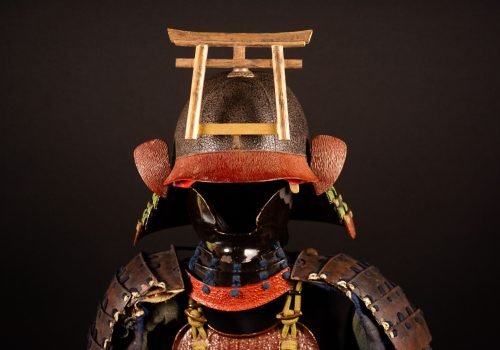
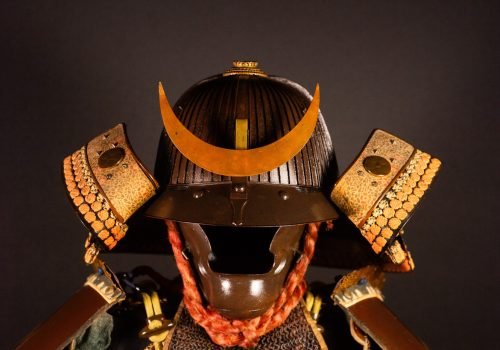
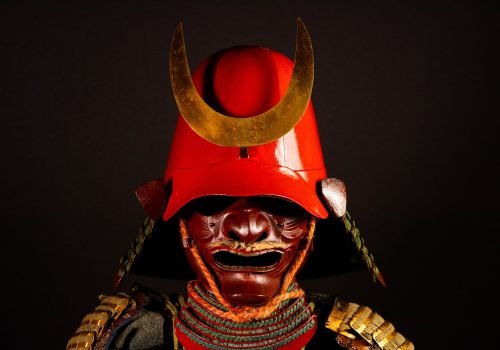
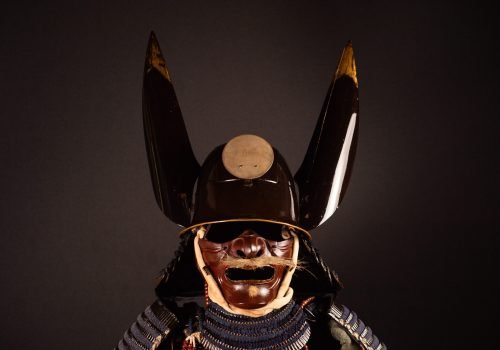
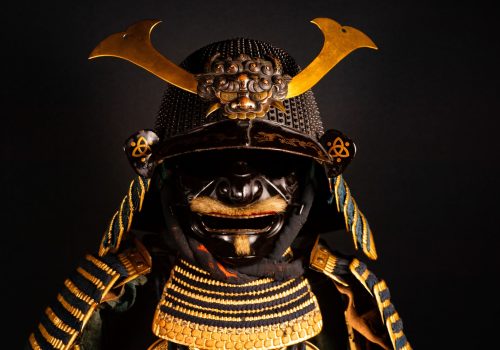
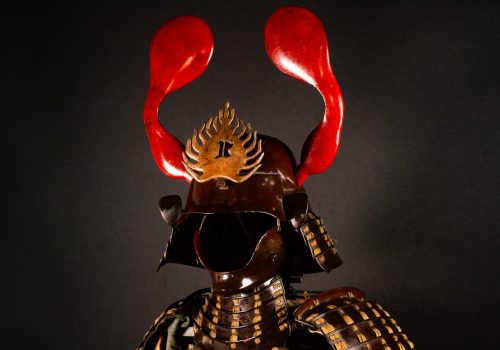
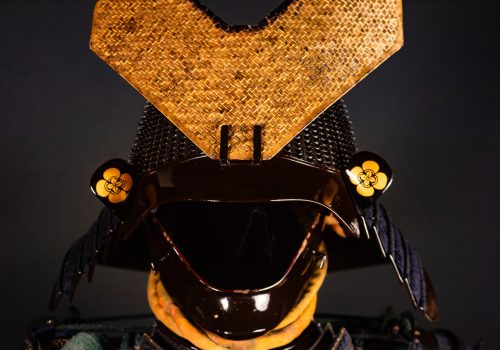
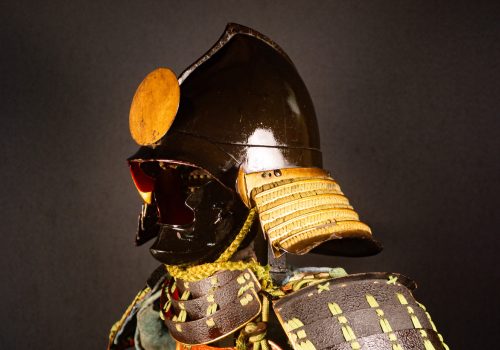
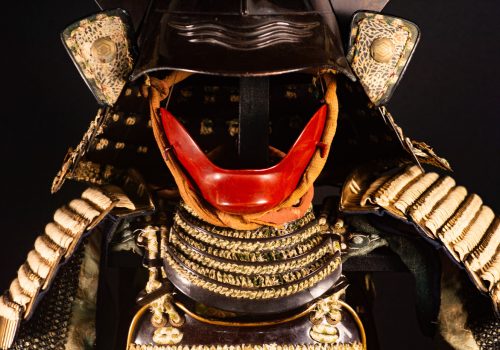
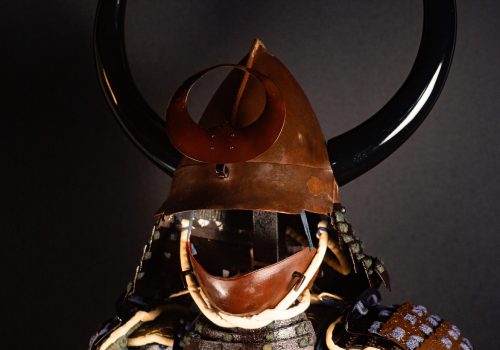
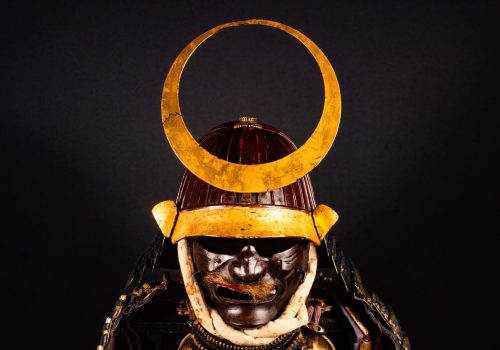
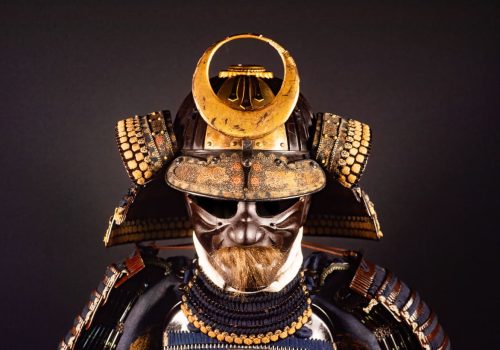
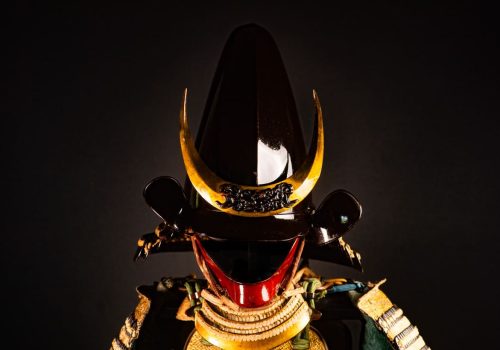
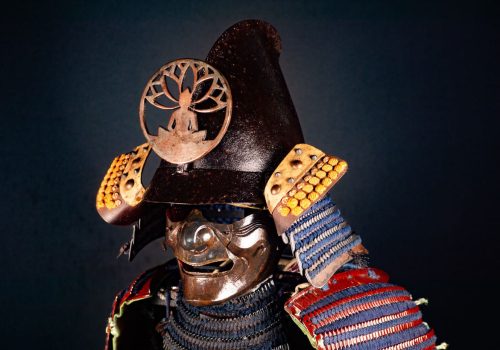
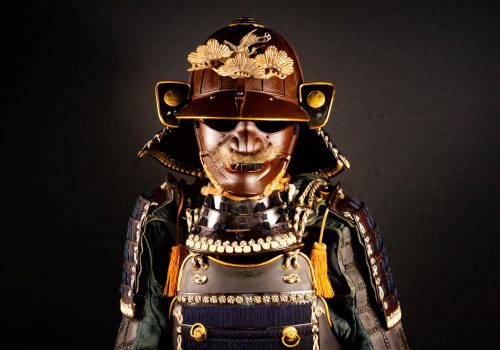
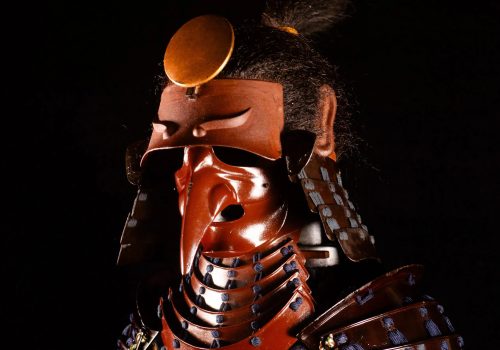
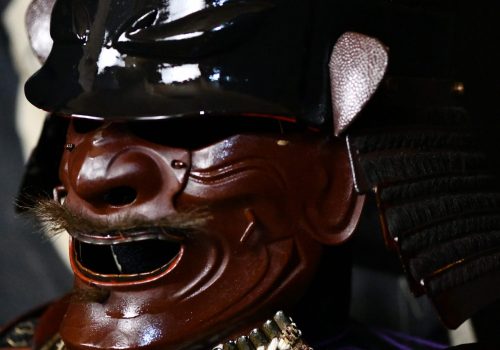
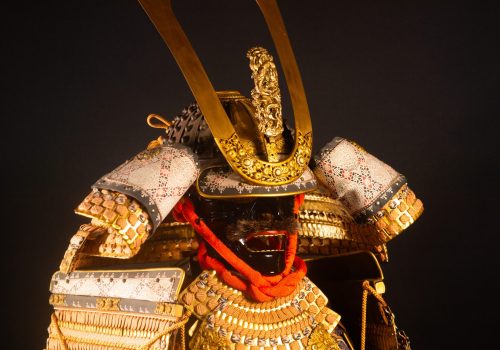
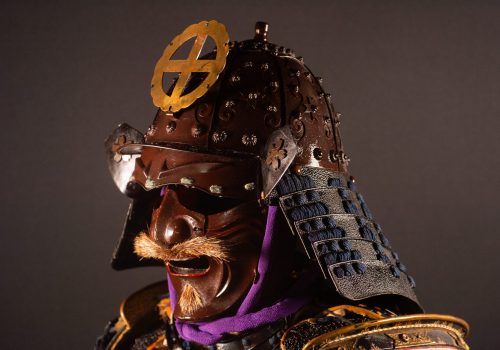
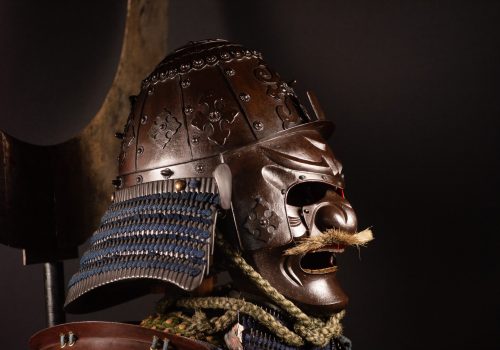
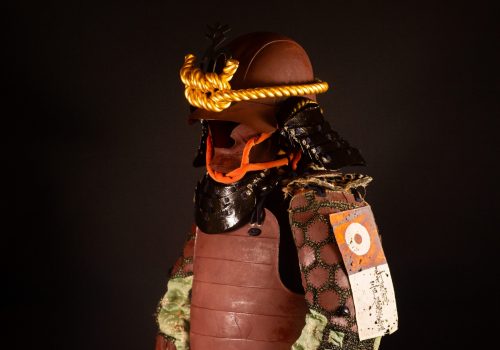
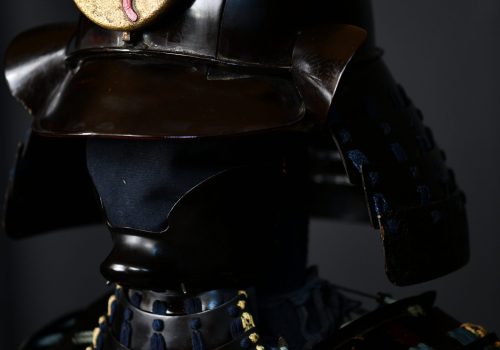
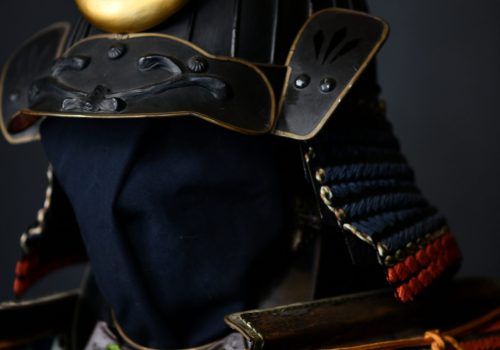
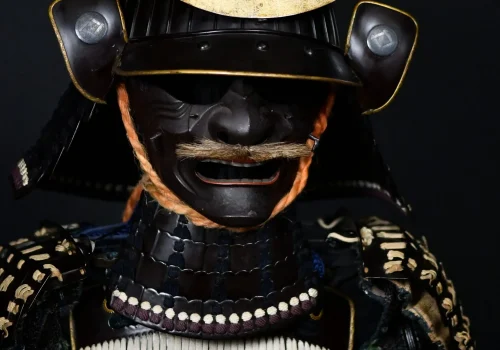
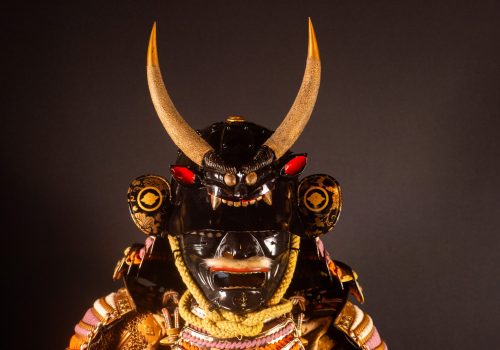
Samurai armor was made from lacquered iron, hardened leather, silk cords, and sometimes decorated with gold leaf or clan crests. These materials balanced protection with mobility.
Early ō-yoroi were heavier and intended for cavalry use. As warfare evolved, gusoku yoroi became dominant — lighter, more practical, and adapted to infantry combat. By the Edo period, many armors took on ceremonial and representational purposes, with highly artistic designs.

Historical period, completeness, condition, rarity, craftsmanship, and documented provenance all play key roles. Fully original sets are especially prized.
Because each set is a unique historical artifact that embodies the culture, artistry, and philosophy of feudal Japan. Whether it is a spectacular ō-yoroi or a more practical gusoku, collecting armor means preserving the samurai legacy and connecting with centuries of craftsmanship and history.
Contact