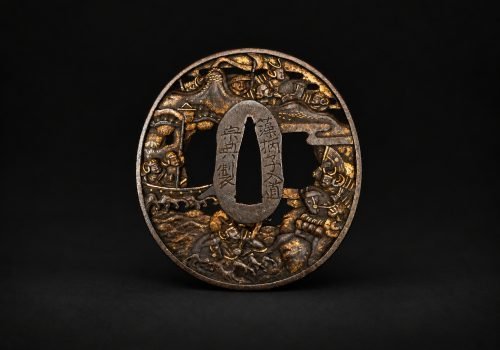
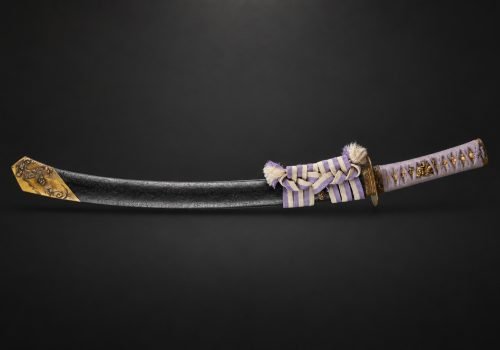
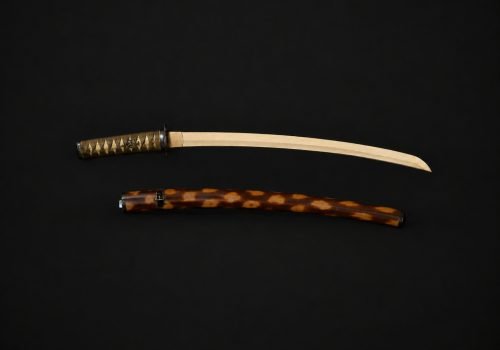
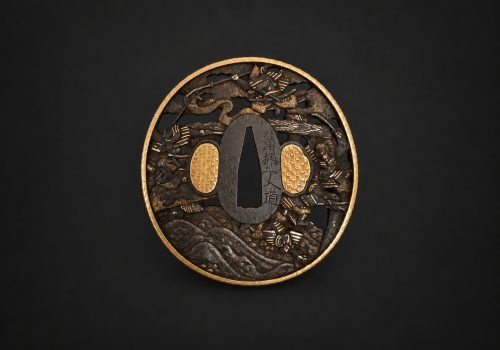
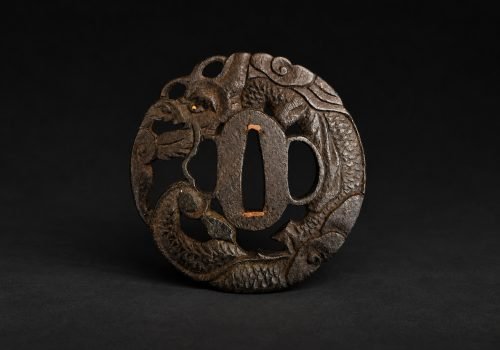
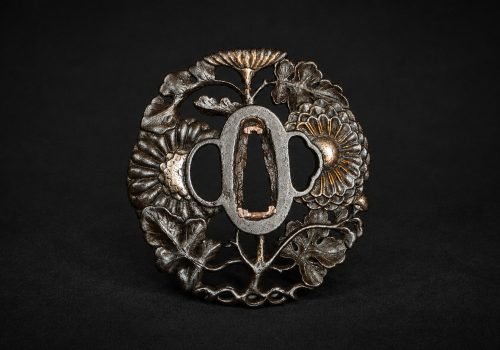
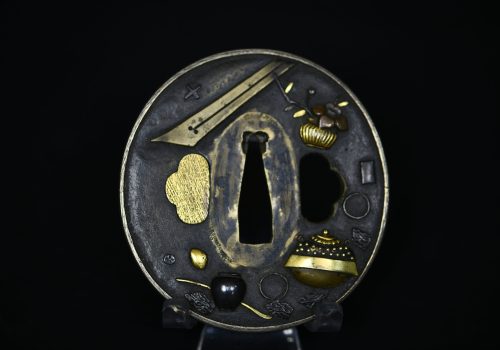
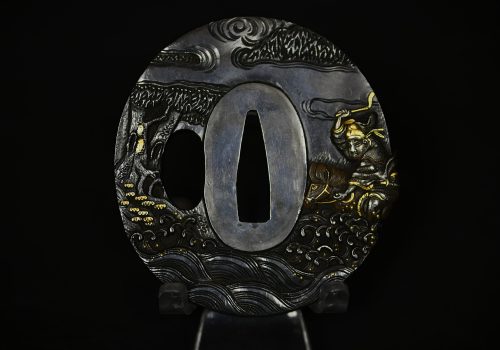
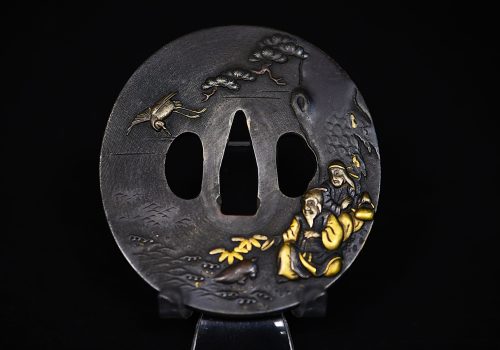
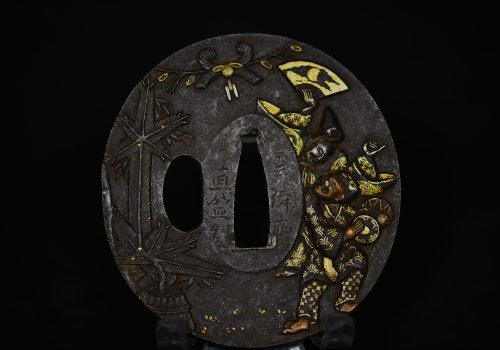
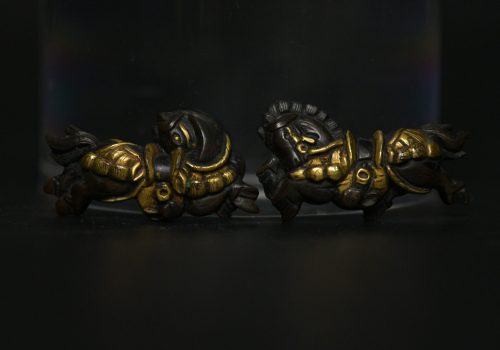
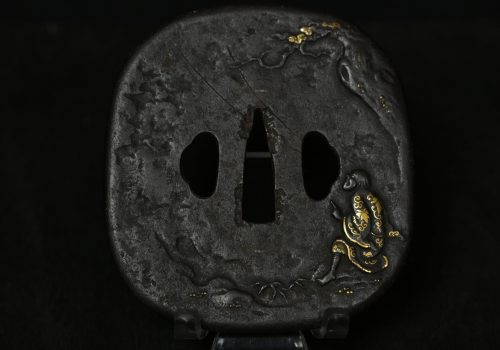
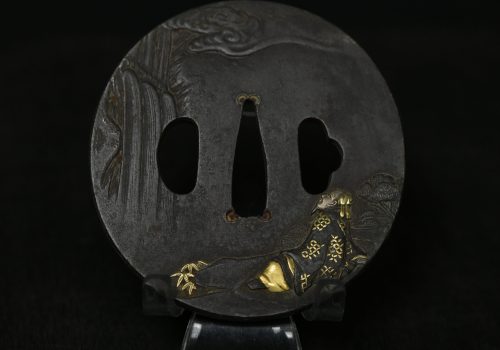
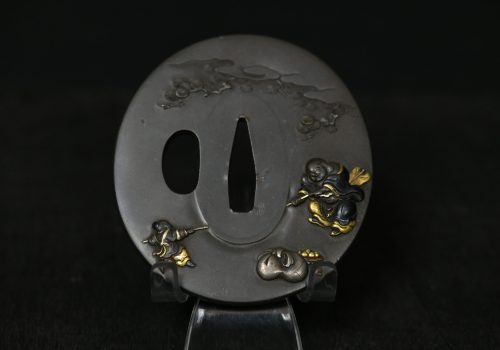
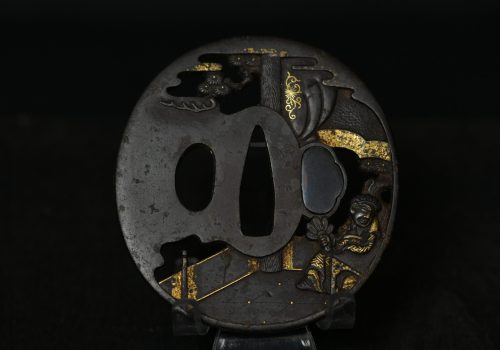
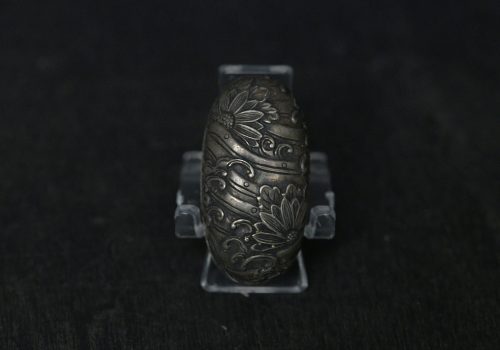
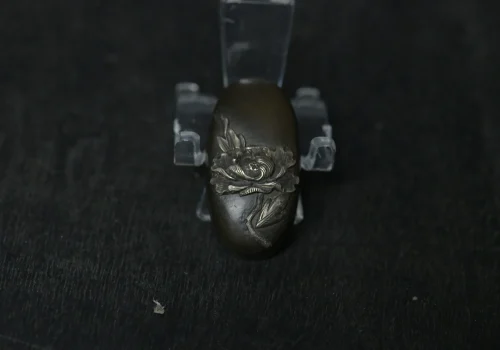
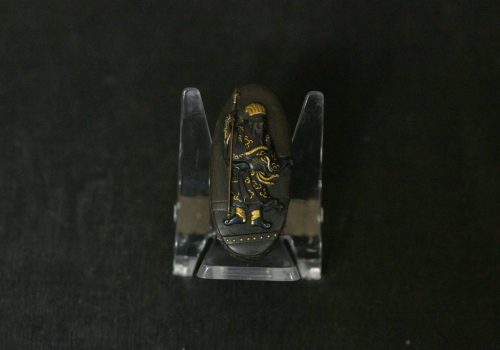
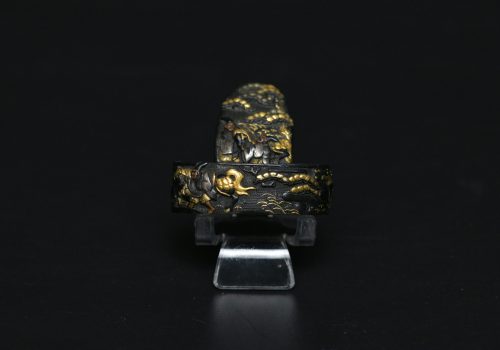
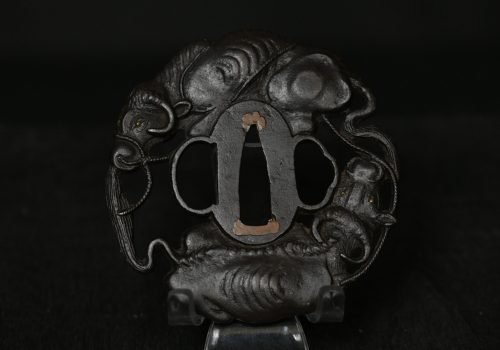
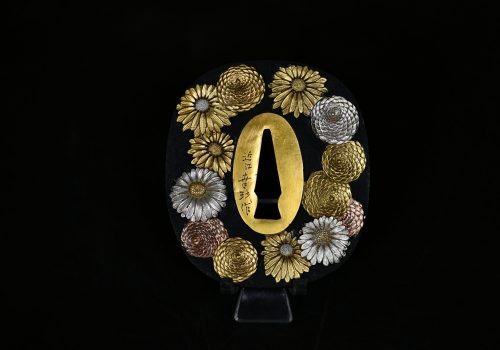
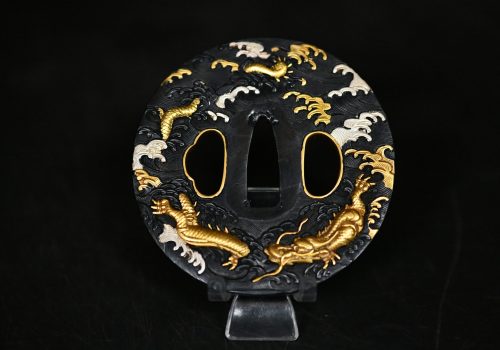
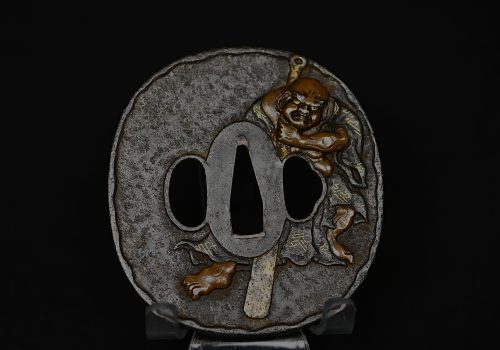
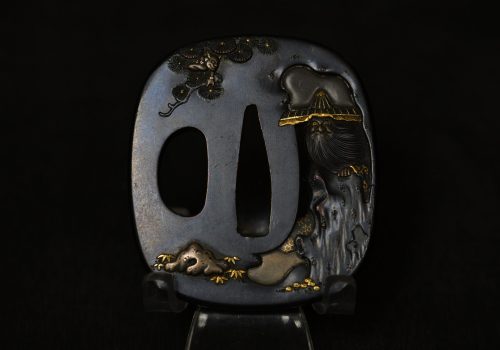
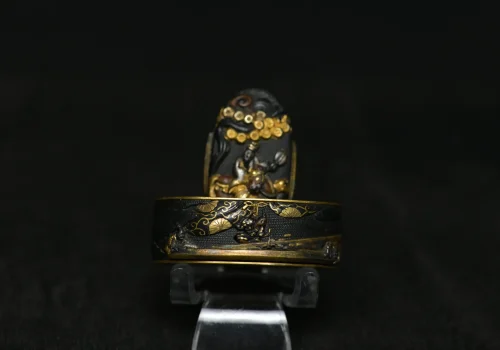
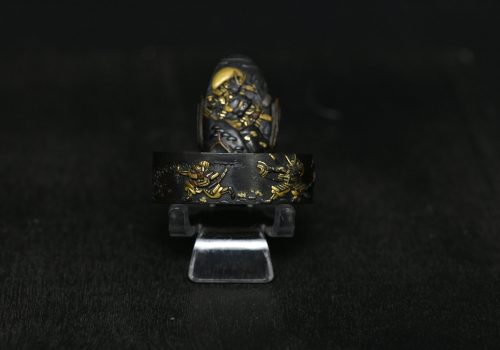
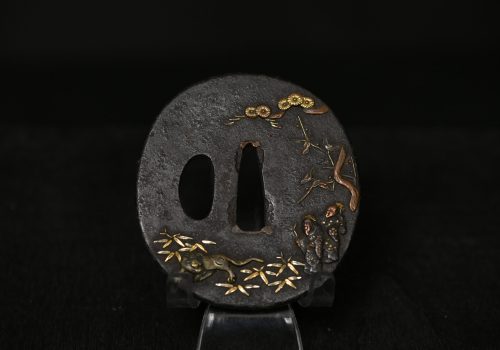
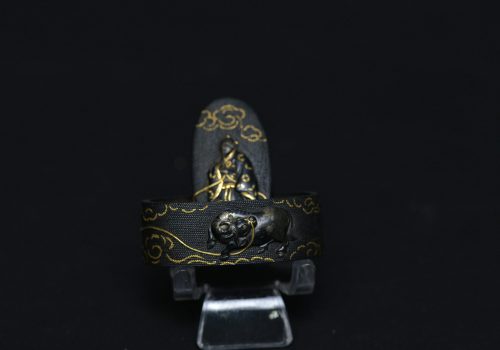
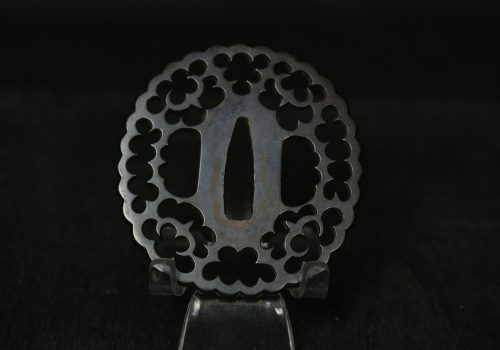
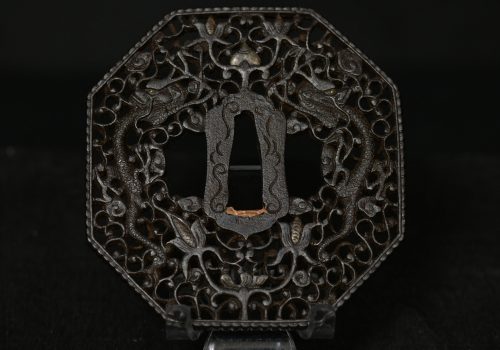
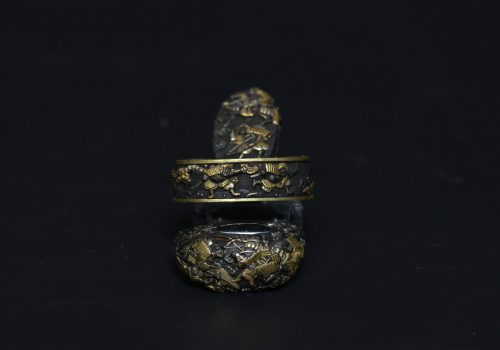
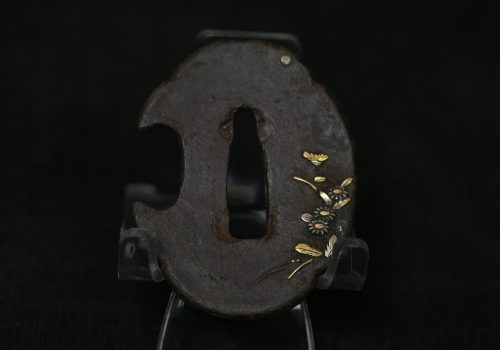
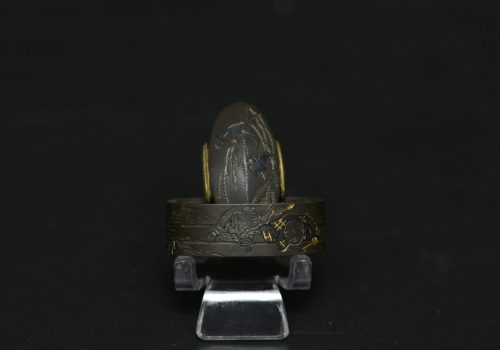
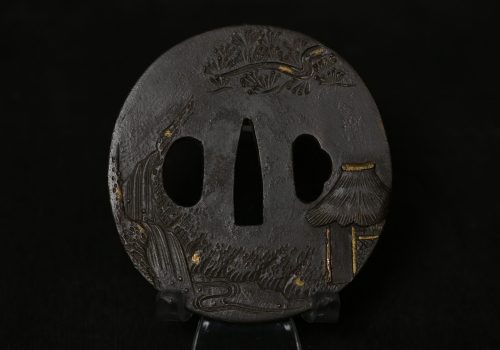
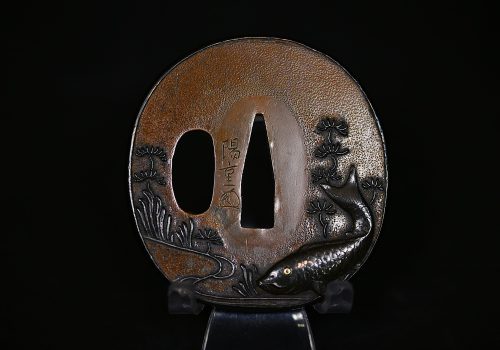
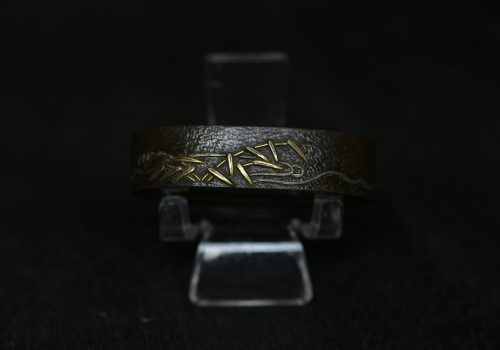
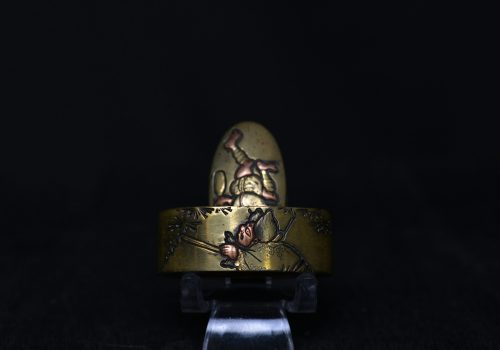
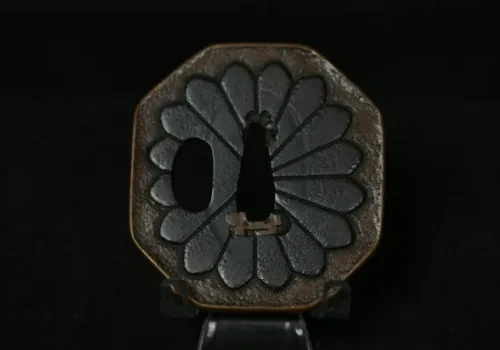
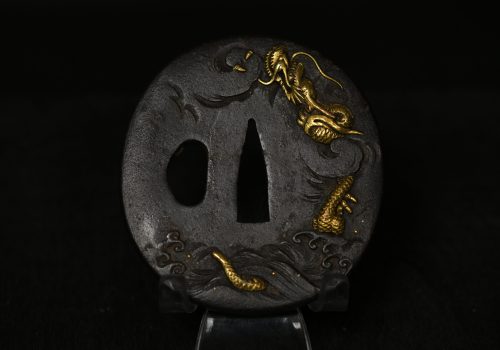
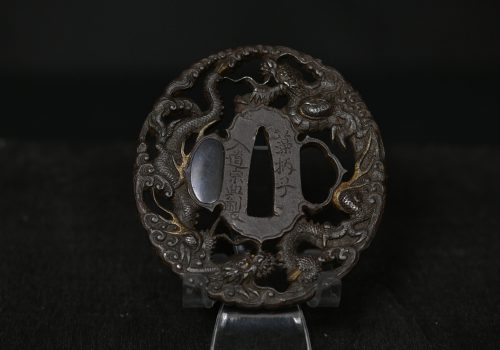
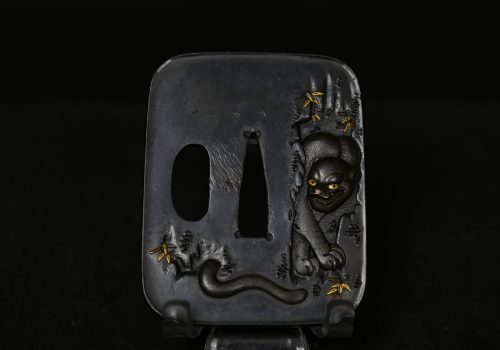
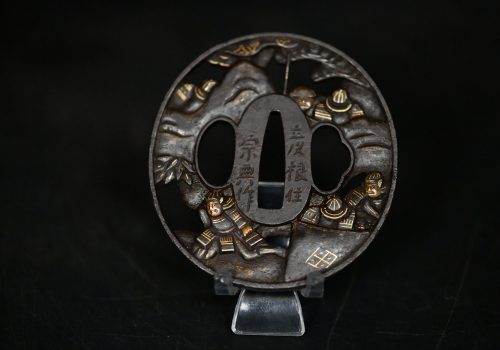
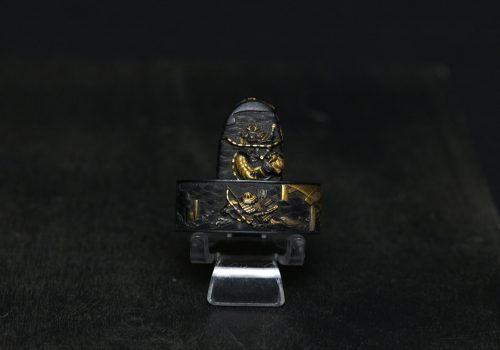
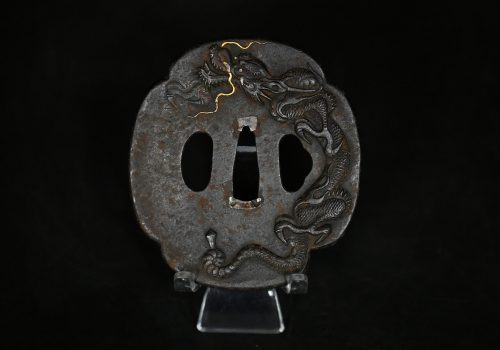
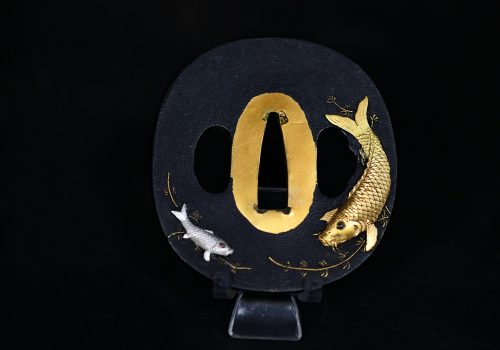
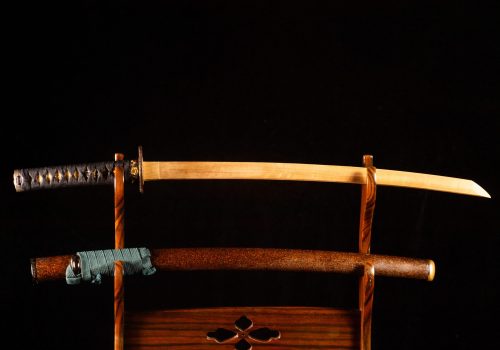
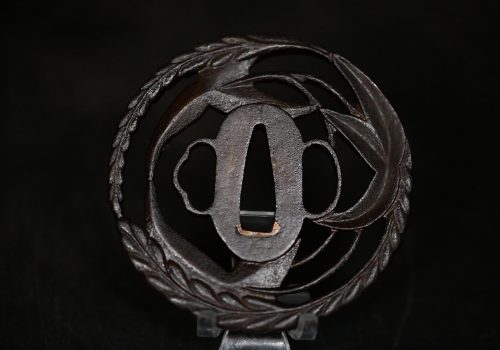
Explore our exclusive collection of Tosogu, meticulously crafted adornments that complement Japanese swords. From exquisite Fuchi/Kashira to detailed Menuki and stunning Kojiri, each piece is a masterpiece of Japanese craftsmanship. Our Tosogu not only add aesthetic beauty to swords but also reflect the rich history and tradition of Japanese culture. Each of these adornments has been carefully selected for its quality and authenticity, available in a variety of styles and designs to meet the most discerning tastes. Whether you're looking to enhance the beauty of your existing sword or add a touch of elegance to your collection, our Tosogu is the perfect choice. Discover the elegance and artistry of Japanese sword adornments with our collection of Tosogu, where tradition and beauty come together in every detail.
What does the term Tosogu mean in Japanese swords?
Tosogu refers to all the fittings and mountings of a Japanese sword, including the tsuba (guard), menuki (handle ornaments), fuchi-kashira (collar and pommel), kojiri (scabbard tip), among others. These elements not only enhanced functionality but also added symbolic and artistic value.
What role did Tosogu play in the overall sword design?
Beyond decoration, each tosogu had a practical function. The tsuba protected the hand, menuki improved grip, fuchi-kashira reinforced the handle, and the kojiri preserved the scabbard. Together, they made the sword both functional and aesthetically refined.
What materials were used to craft Tosogu?
Japanese artisans worked with iron, copper, bronze, and alloys like shakudo, often decorated with gold and silver inlays. Designs typically depicted nature, mythology, or family crests, turning each piece into a miniature artwork.
Why are Tosogu such valued collector’s items?
Because they represent the perfect balance of utility and art. Each tosogu is unique, reflecting the style of a specific school or craftsman, as well as the cultural symbolism of feudal Japan. Even when detached from the sword, they hold high artistic and historical value.
What factors determine the value of antique Tosogu?
Value depends on age, craftsmanship, artisan signature, preservation, and rarity of the motif. Tosogu that are part of complete, original mountings or come with historical documentation are especially prized by collectors.