Showing 1–1 of 30 results
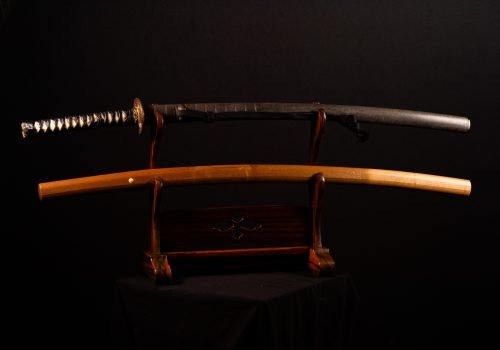
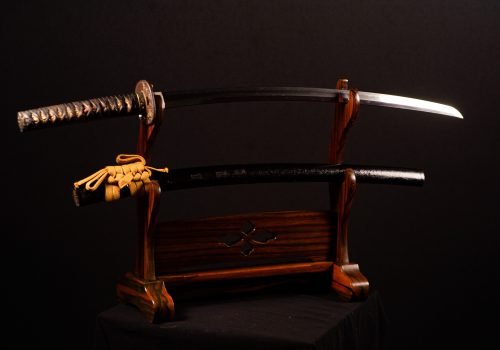
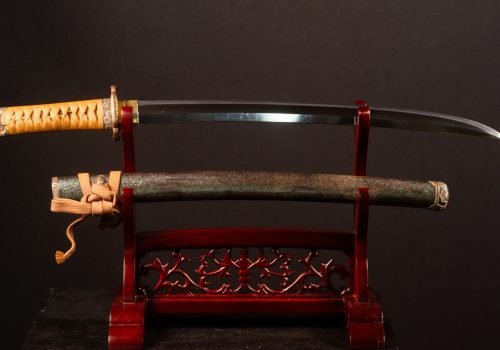
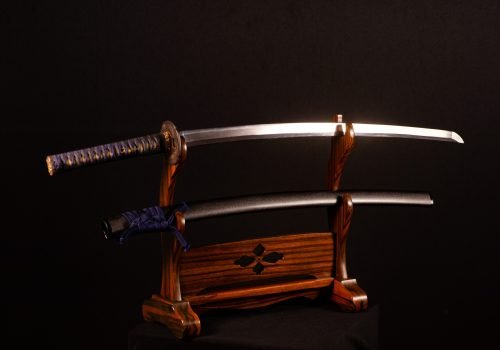
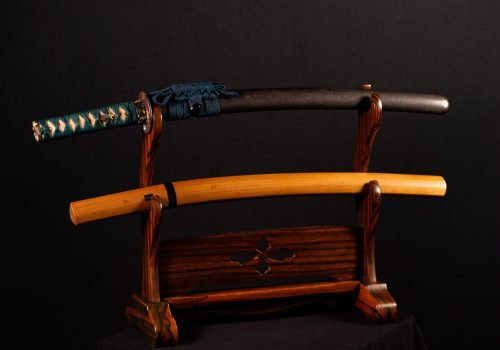
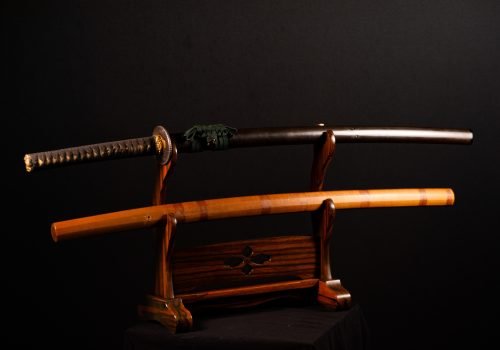
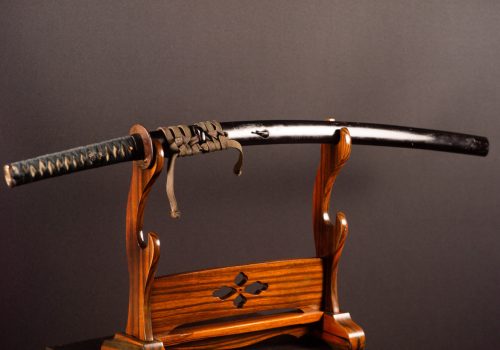
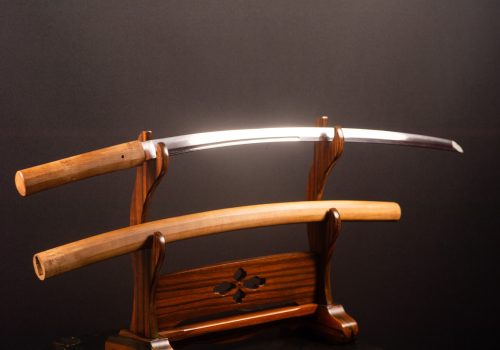
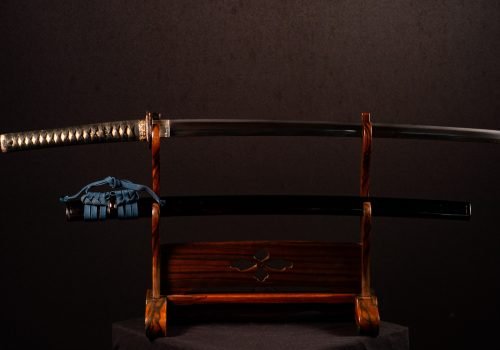
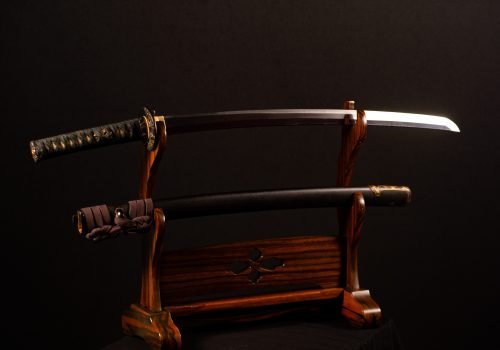
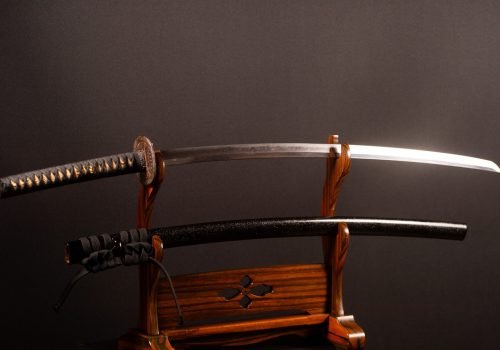
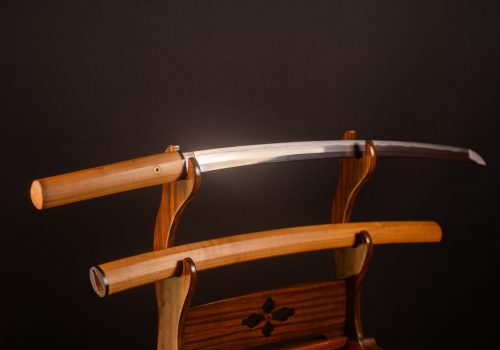
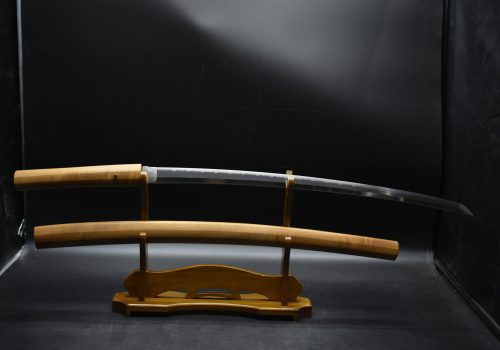
The katana is worn edge-up through the belt (obi) and was mainly used in close combat, while the tachi is longer, more curved, and worn edge-down, designed for mounted warriors. The tachi was popular in earlier periods such as the Kamakura era, while the katana became dominant in later times.
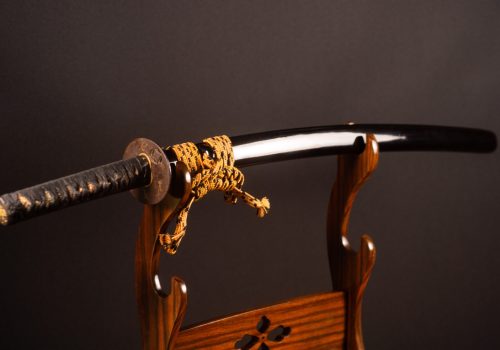
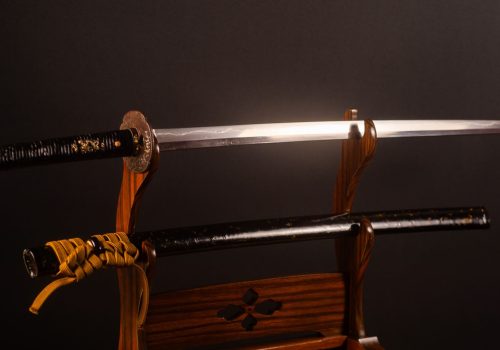
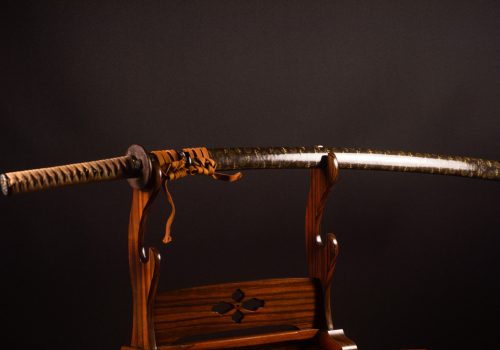
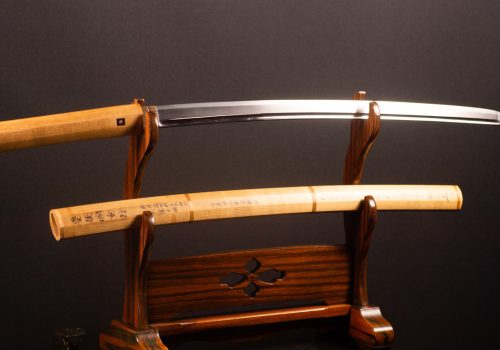
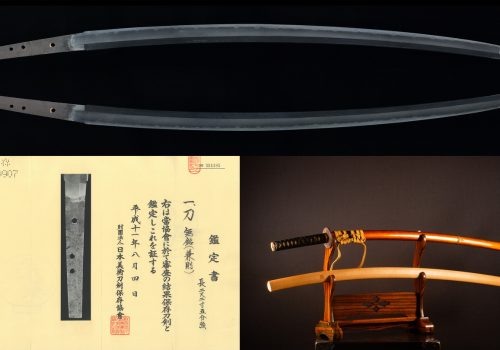
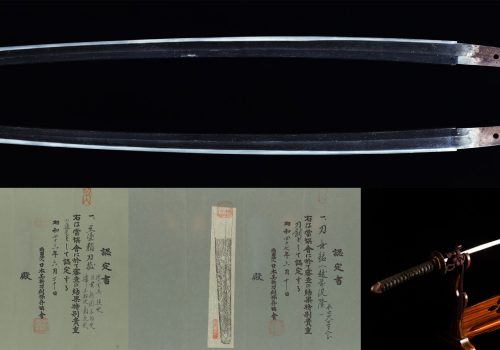
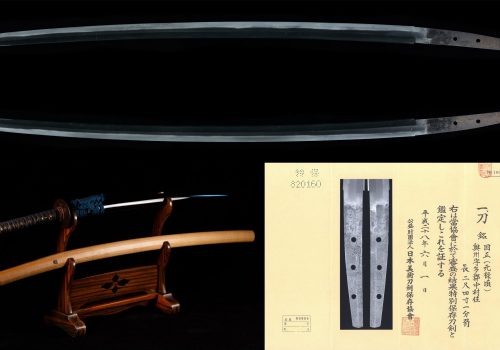
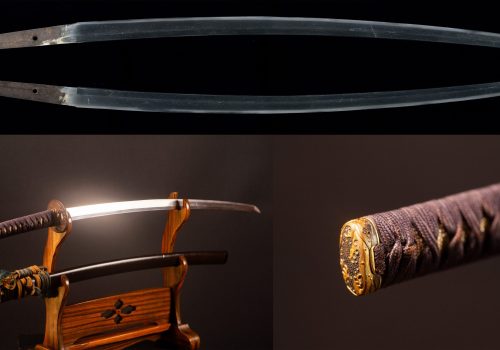
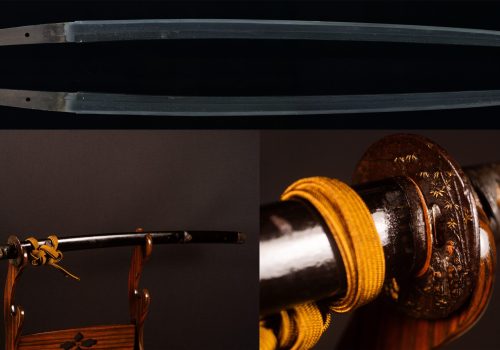
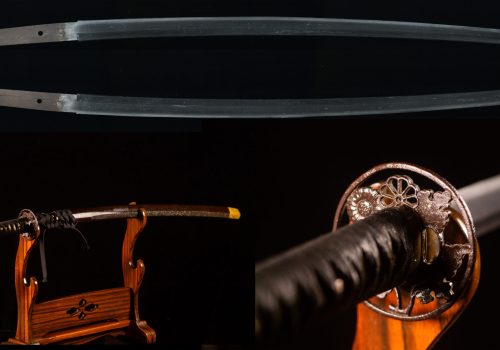
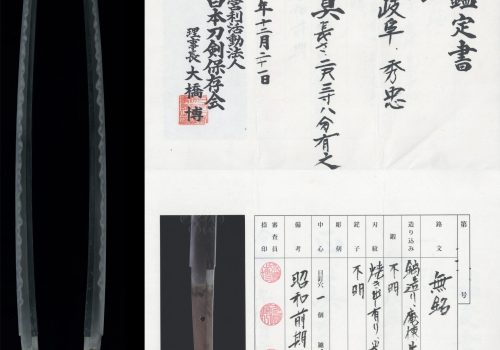
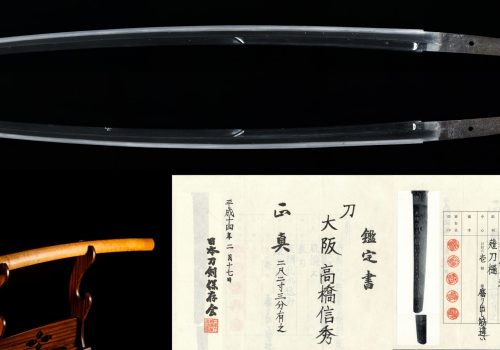
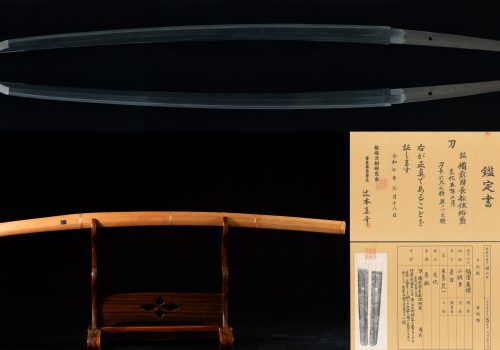
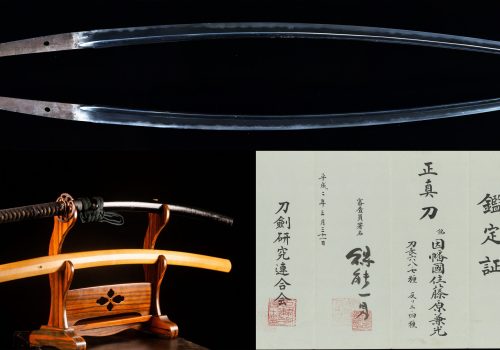
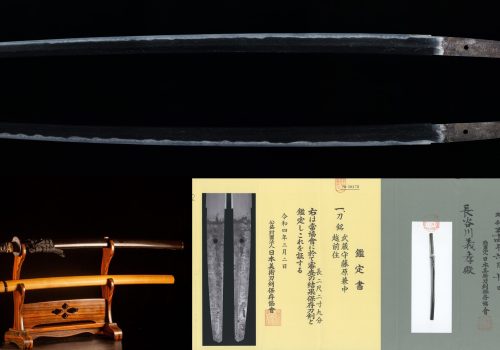
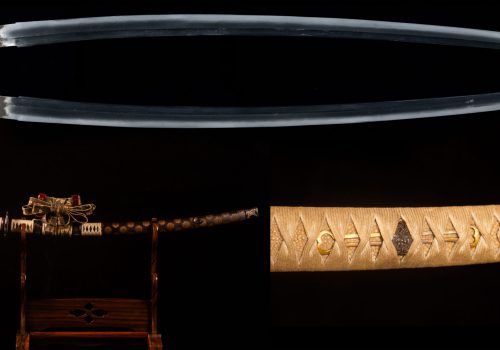
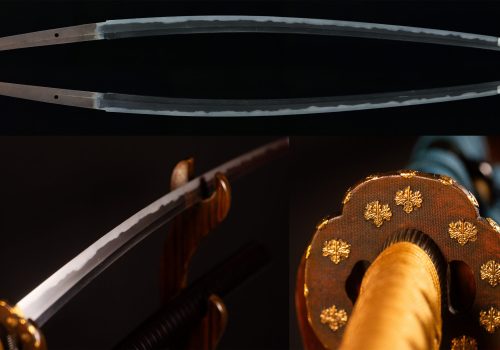
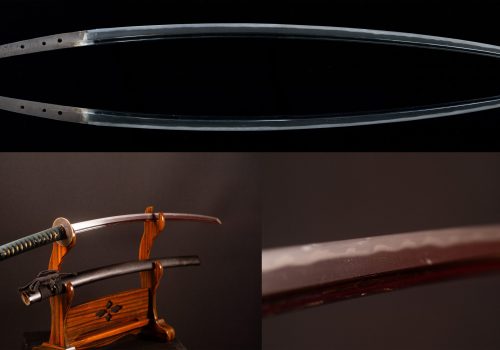
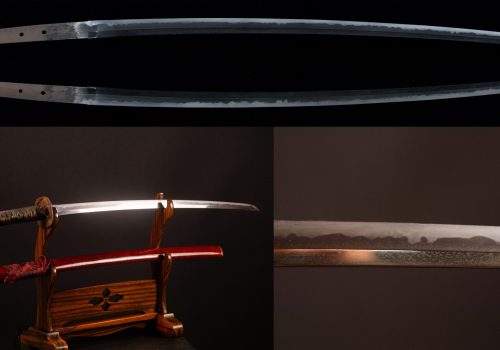
Authentic katanas are forged from tamahagane steel and show a natural hamon (temper line) unique to each blade. Some carry a signature (mei) on the tang (nakago), but many valuable and historically important swords are unsigned. Certificates from organizations such as NBTHK or NTHK, as well as factors like workmanship, period, and school, are important indicators of authenticity.

Pricing depends on factors like the forging school, historical period, rarity, condition, and whether the original mountings (koshirae) are preserved. Works attributed to famous swordsmiths or important samurai clans fetch significantly higher prices, but unsigned blades of high quality hold great value.
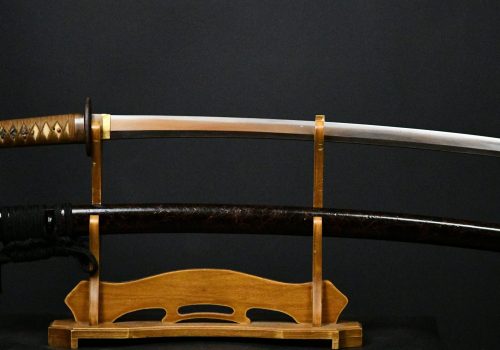
Katanas require regular oiling with choji oil to prevent rust, should be stored in a dry environment, and never touched on the blade with bare hands. Handling and polishing should only be done by professionals to maintain both condition and value.
They are unique cultural artifacts combining history, craftsmanship, and symbolism. Each piece tells a story of Japan’s samurai era, making them both valuable investments and irreplaceable collectibles.
Contact