Showing 1–1 of 7 results
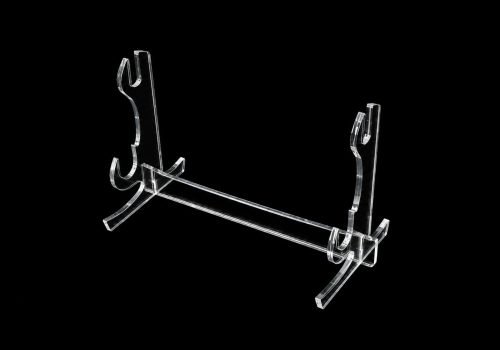
A Katana Kake (刀掛) is a traditional Japanese sword stand designed to support and display swords such as katana, wakizashi and other nihontō.
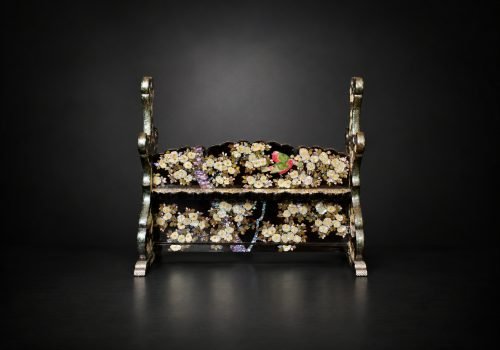
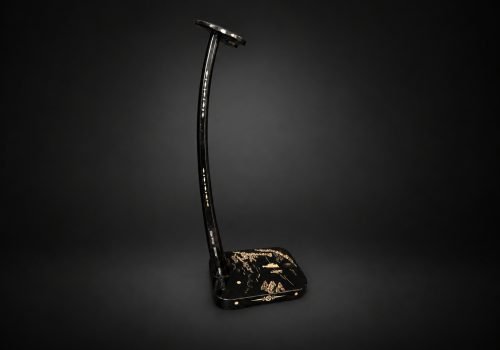
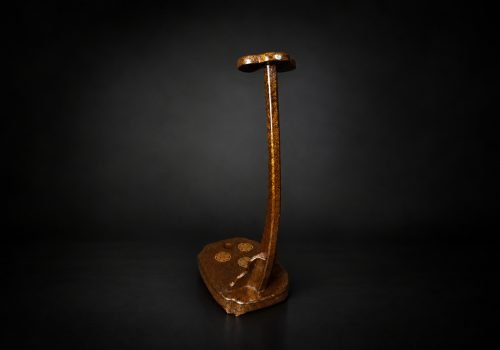
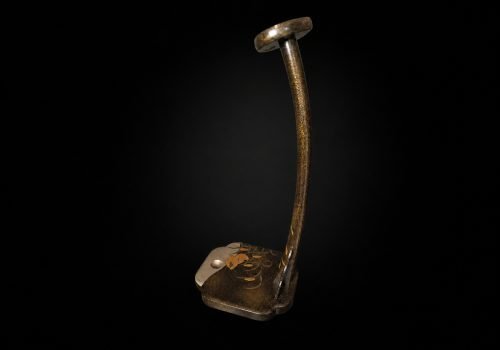
Katana kake can range from very simple wooden stands intended primarily for practical use to highly elaborate works of decorative art finished with lacquer, mother-of-pearl inlay, gold decoration and complex pictorial motifs.
Depending on their construction, they may be designed to display a single sword, a daishō pair or several swords at the same time.
The Japanese term Katana Kake (刀掛) refers to a stand or rack used to place and display a sword.
In English, these objects are commonly described as Japanese sword stands, katana stands or samurai sword stands.
Although they are functional objects, fine antique examples can also be appreciated as works of Japanese decorative art in their own right.
No. Katana kake were produced in a very wide range of qualities, materials and decorative styles.
Some examples are made from relatively simple wood with little or no ornamentation, allowing the sword itself to remain the main visual focus.
More elaborate katana kake may feature:
The difference in craftsmanship between a simple wooden stand and a richly decorated lacquered example can be considerable, which is also reflected in their rarity and value.
Raden (螺鈿) is a traditional decorative technique in which pieces of mother-of-pearl, abalone or other iridescent shell are cut, shaped and inlaid into a surface, frequently lacquered wood.
The shell reflects different tones depending on the light, often producing blue, green, violet and pink highlights.
On high-quality katana kake, raden may be used to create elaborate images such as flowers, birds, branches, landscapes or other traditional Japanese motifs.
Fine raden work requires considerable skill and can significantly increase the artistic and collectible value of a sword stand.
Aogai is a type of decorative shell material traditionally used in Japanese lacquerware.
It is generally thinner and highly iridescent, producing intense blue-green and rainbow-like reflections when viewed under different lighting conditions.
Aogai may be cut into small pieces or fragments and arranged into decorative patterns, mosaic-like surfaces or detailed pictorial elements.
On elaborate katana kake, aogai can be found decorating panels, borders, uprights and other visible surfaces.
The number of swords a katana kake can hold depends entirely on its design.
Common configurations include:
Some large and elaborate antique examples were conceived as important display objects, allowing an entire group of swords to be presented together as a unified arrangement.
The dimensions and position of the supports should always be checked before using an antique stand with a specific sword.
Yes. Although katana kake were originally functional objects, high-quality antique examples are collected independently from the swords they were designed to hold.
Particularly desirable pieces may display sophisticated lacquer techniques, shell inlay, carving, gold decoration or highly detailed pictorial scenes.
In exceptional cases, the quality of the workmanship means that the katana kake can be appreciated as an important example of Japanese decorative arts, rather than simply as an accessory for displaying a sword.
Several factors can influence the value of an antique katana kake:
A simple antique wooden stand and a highly elaborate lacquered katana kake with extensive mother-of-pearl decoration naturally belong to very different levels of craftsmanship and market value.
In many cases, yes, although the condition and stability of the stand should always be considered before placing a valuable sword on it.
Antique lacquer, wooden joints, decorative fittings and inlaid surfaces can become fragile over time. The contact points should therefore be inspected to make sure they will not scratch, press against or damage the saya or koshirae.
With particularly rare or highly decorated examples, some collectors prefer to display the katana kake as an independent artwork rather than use it for frequent handling.
Japanese swords are traditionally displayed horizontally on the stand.
When displaying a mounted katana, attention is usually given to the orientation of the tsuka (handle), saya (scabbard) and cutting edge.
The precise presentation can vary depending on the sword, mounting and historical context, but the most important consideration for collectors is that the sword rests securely without placing unnecessary pressure on the saya, fittings or the antique stand itself.
Contact