Signed Kanesada Katana from the Mino Seki Tradition
Japanese Katana in Shirasaya · Signed Kanesada 兼定
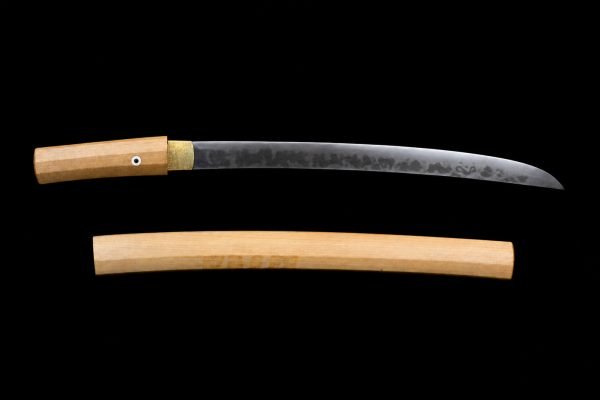
A handsome and healthy Japanese katana signed Kanesada 兼定, one of the most celebrated names of the Mino Seki tradition. Preserved in shirasaya, the blade displays a bold and energetic gunome and notare-midare hamon, together with the practical elegance and cutting-focused character for which Mino swords are highly admired.
The name Kanesada carries exceptional historical importance within Japanese swordmaking. Alongside Magoroku Kanemoto, Kanesada is regarded as one of the defining smith names of the Mino tradition, a school renowned for producing powerful, practical and highly effective swords during the age of the samurai.
The Name Kanesada
This blade bears the signature Kanesada 兼定, a renowned smith name associated with the Mino province, particularly the Seki area. The Mino tradition was one of the five great classical schools of Japanese swordmaking, known collectively as the Gokaden.
The Kanesada name was carried through many generations and remained active down to the end of the Edo period. The lineage was highly regarded for its practical sword geometry, strong cutting ability and distinctive tempering style.
Among the most famous bearers of the name was the second generation Kanesada, known by the nickname Nosada 之定, whose blades were owned by major historical figures such as Akechi Mitsuhide, Shibata Katsuie and Hosokawa Tadaoki.
The Kanesada name is among the most prestigious signatures associated with the Mino tradition and remains highly desirable for collectors of Japanese swords.
Historical Context
The smiths of Mino worked during one of the most turbulent and decisive periods of Japanese history. During the Sengoku period, constant warfare created enormous demand for reliable swords, and the Seki area became one of Japan’s most important centres of sword production.
Strategically positioned between the Kantō region and the imperial capital, Mino supplied blades to warriors, retainers and feudal lords across the country. Its swords were prized not only for beauty, but above all for their practical effectiveness.
A signed Kanesada katana belongs directly to this historical world: a sword connected to one of the most respected Mino lineages and to the martial culture of the samurai age.
The Blade (Tōshin)
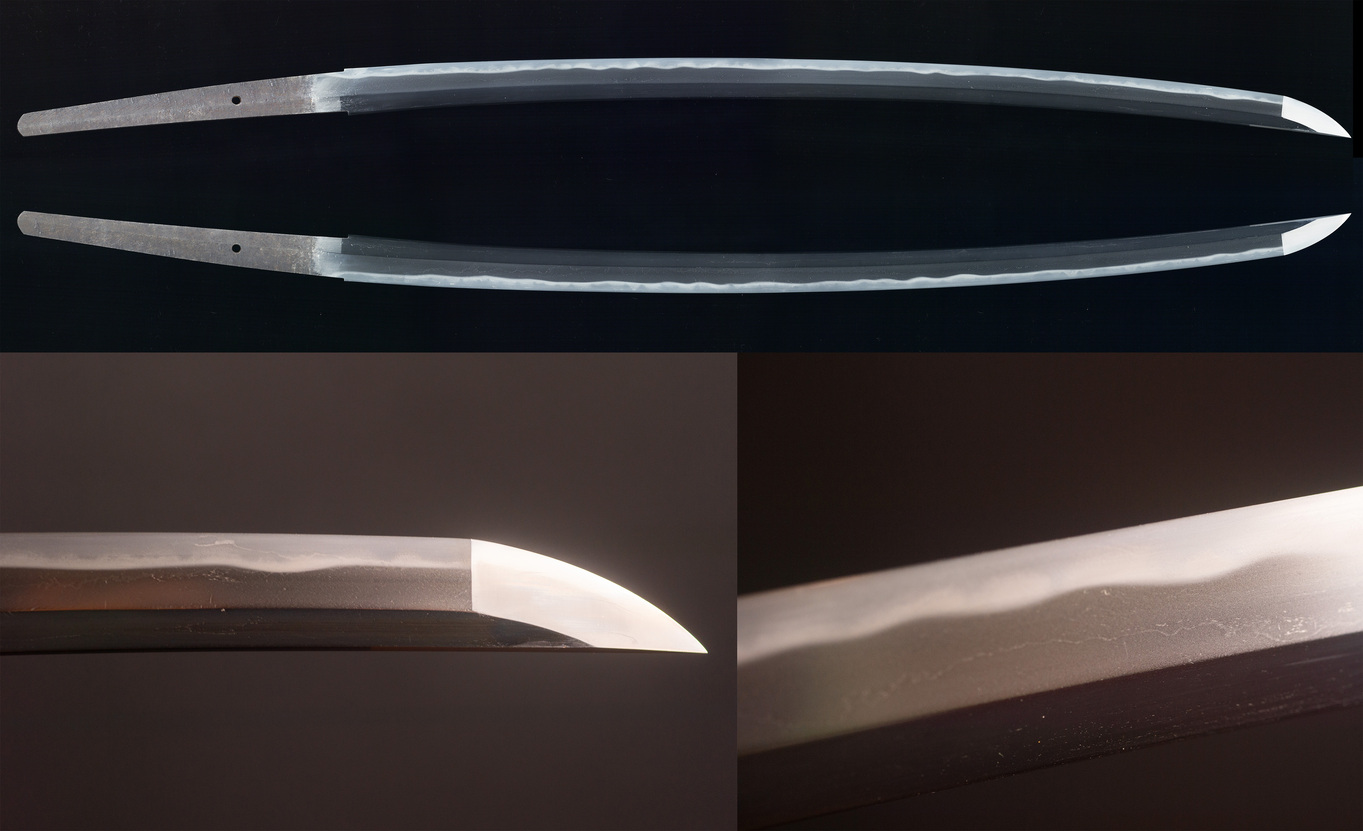
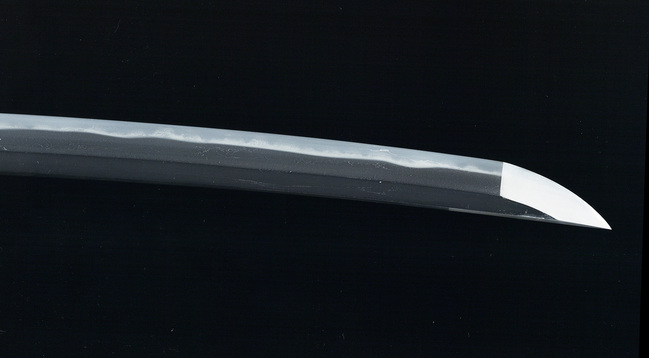
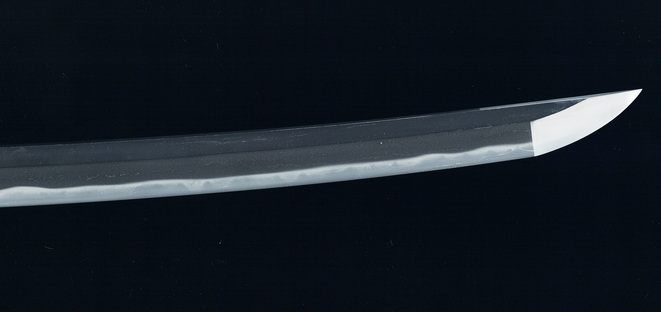
The blade presents an elegant shinogi-zukuri form with a graceful curvature of 1.7 cm and a well-shaped kissaki. Its profile is balanced, confident and characteristic of a practical katana intended for serious use.
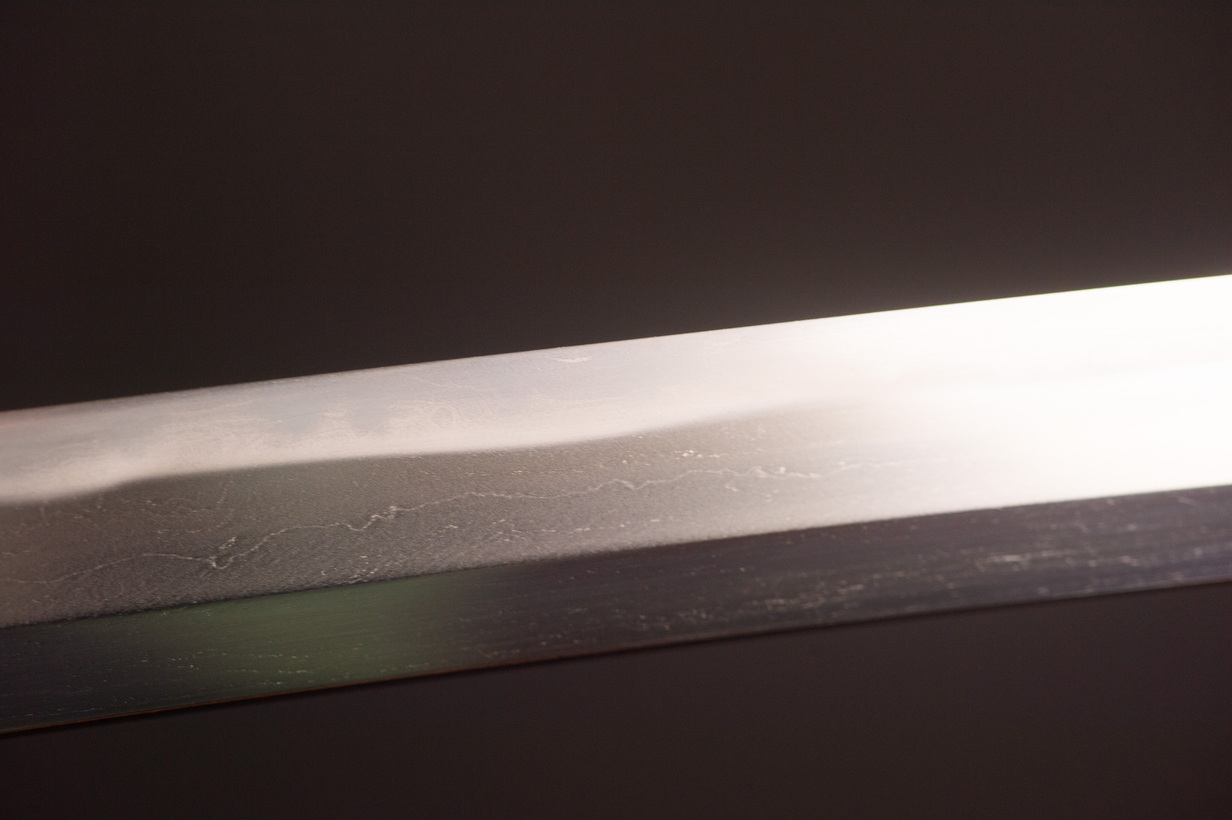
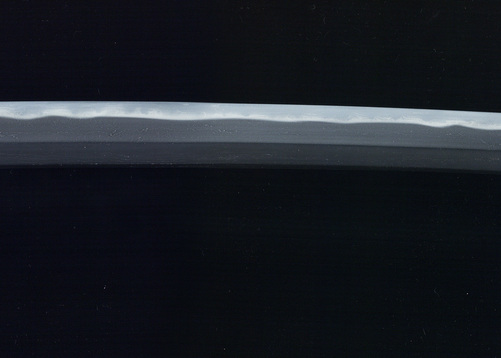
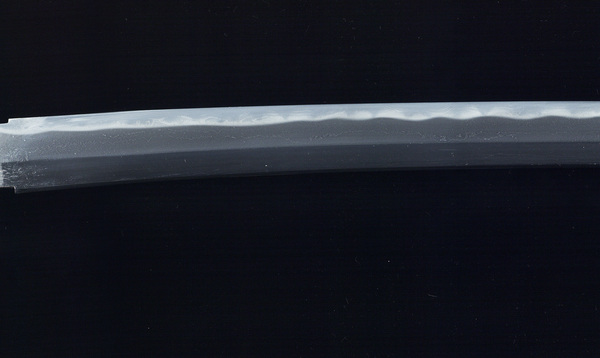
The hamon is lively and expressive, combining gunome with notare-midare. The pointed togari peaks, so closely associated with the Mino tradition, are clearly visible and give the cutting edge a powerful sense of movement.
Under proper light, the temper line is especially rewarding to study, showing brightness, rhythm and the vigorous character expected from a sword of the Seki tradition.
The jihada is finely worked in itame and mokume, consistent with the workmanship associated with Mino and Seki smiths.
The nakago bears the signature Kanesada 兼定, with one mekugi-ana and an attractive aged patina. The sword is offered as a signed (zaimei) Kanesada on the basis of the signature and workmanship.
Presentation in Shirasaya
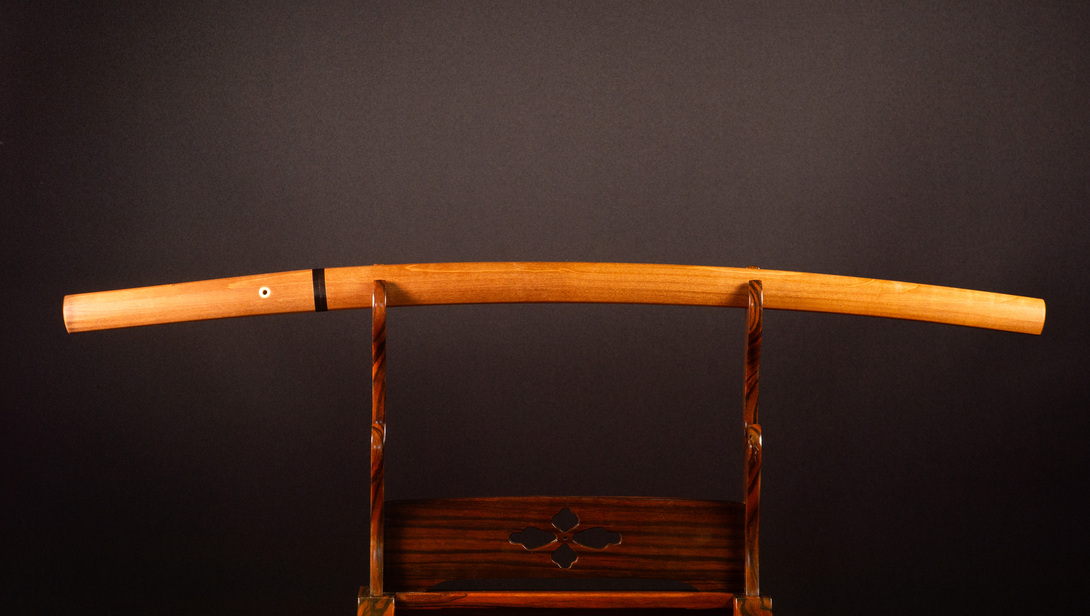
The katana is preserved in shirasaya, a plain white-wood resting scabbard designed for the long-term protection of the blade.
This form of storage is ideal for a healthy and collectible Japanese sword, allowing the polish and steel surface to remain protected while presenting the blade in a clean and traditional manner.
Documentation
The sword is accompanied by its original Japanese torokusho registration from Nagano Prefecture, registration number 53001, issued in Shōwa 48 (1973).
No modern appraisal paper accompanies the sword. It is therefore offered as signed Kanesada 兼定, with the attribution supported by the mei and the visible characteristics of the workmanship.
Specifications (寸法)
- Classification: Katana 刀
- Signature: Kanesada 兼定
- Tradition: Mino, Seki tradition
- Mounting: Shirasaya
- Nagasa: 67.8 cm
- Sori: 1.7 cm
- Mekugi-ana: One
- Sugata: Shinogi-zukuri with well-formed kissaki
- Hamon: Gunome / notare-midare with Mino-style togari peaks
- Jihada: Itame / mokume in the Seki manner
- Nakago: Signed Kanesada, one mekugi-ana, good patina
- Registration: Japanese torokusho, Nagano Prefecture No. 53001
- Issued: Shōwa 48 (1973)
Collector’s Value
A signed Kanesada katana represents one of the most attractive collecting opportunities within the Mino tradition. The name itself carries significant historical weight, while the blade’s bold hamon, healthy sugata and preserved condition make it especially suitable for study and display.
Combining a prestigious Mino signature, a vivid gunome and notare-midare hamon, a healthy polished blade and traditional shirasaya presentation, this signed Kanesada katana is a historically resonant and highly appealing example of Japanese sword craftsmanship.