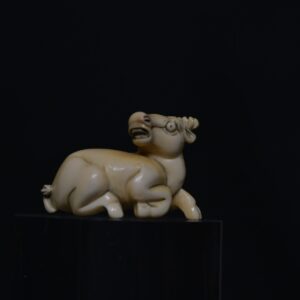
The history, art and collecting of japan's miniature masterpieces
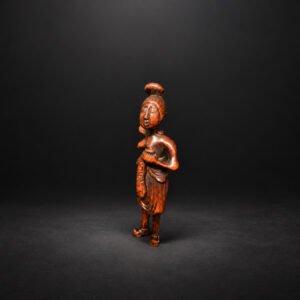
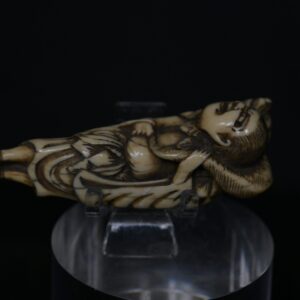
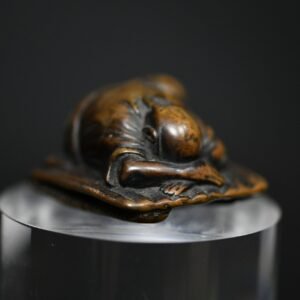
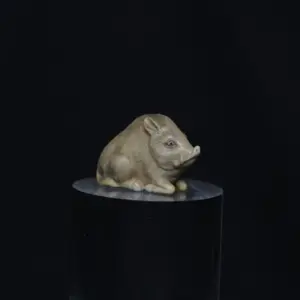
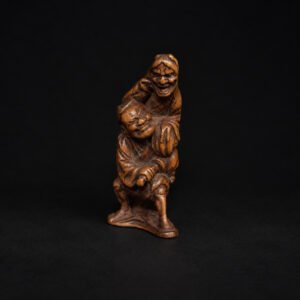
The netsuke (根付) is one of the most distinctive and admired forms of Japanese art. Originally created as practical accessories for everyday use, netsuke evolved into extraordinary miniature sculptures that combined craftsmanship, humour, symbolism and storytelling.
Today, antique netsuke are highly sought after by collectors worldwide and are regarded as some of the finest examples of Japanese carving. Whether fashioned from ivory, wood, antler or other materials, these miniature works of art provide a fascinating glimpse into the culture, beliefs and daily life of Japan during the Edo and Meiji periods.
What is a Netsuke?
A netsuke is a small carved object originally used as a toggle.
Traditional Japanese clothing, such as the kimono, lacked pockets. To carry personal belongings, small containers known as inro, tobacco pouches or medicine cases were suspended from the sash (obi) by means of a cord.
The netsuke acted as a counterweight, securing the cord above the obi and preventing the object from slipping.
Over time, this practical accessory evolved into an artistic medium that allowed craftsmen to display remarkable creativity and technical skill.
The origins of Netsuke
The origins of the netsuke can be traced back to the seventeenth century during the early Edo Period (1603–1868).
As urban culture flourished and merchants gained wealth and influence, demand grew for personal accessories that were both functional and aesthetically pleasing.
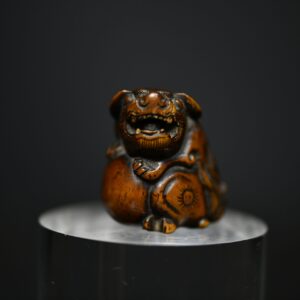
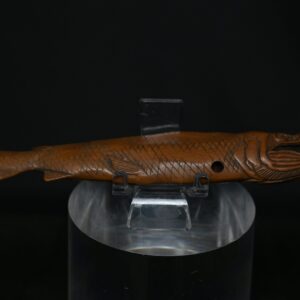
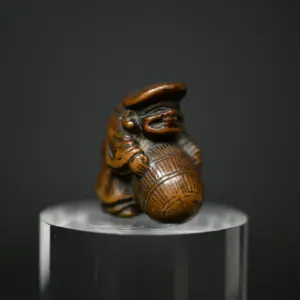
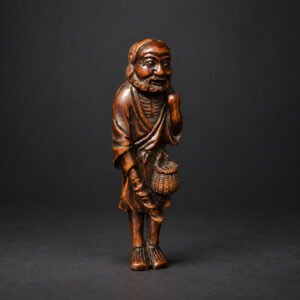
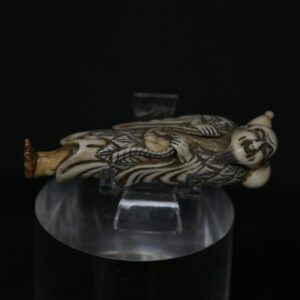
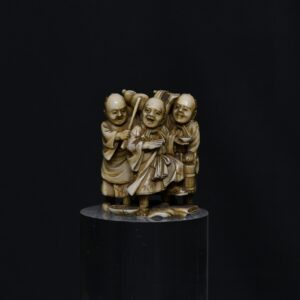
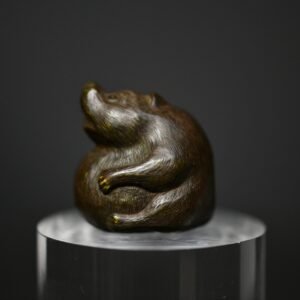
Initially simple in design, netsuke gradually became increasingly elaborate as craftsmen began producing highly detailed carvings depicting animals, historical figures, folklore, religious subjects and scenes from everyday life.
By the eighteenth century, netsuke carving had developed into a recognised art form with specialised schools and master carvers.
From utility to art
Although originally created for practical purposes, netsuke quickly became objects of personal expression and status.
Merchants, samurai and wealthy townspeople commissioned finely carved examples that reflected their interests, beliefs and sense of humour.
Because netsuke were handled daily, artists paid particular attention to texture, balance and tactile qualities.
The result was a unique art form designed not only to be admired visually but also to be appreciated through touch.
Materials used in Netsuke
One of the most fascinating aspects of netsuke collecting is the diversity of materials used by Japanese craftsmen.
Ivory
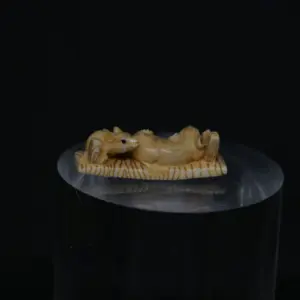
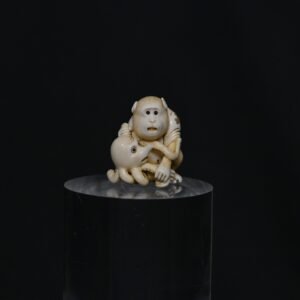
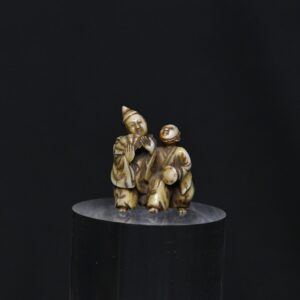
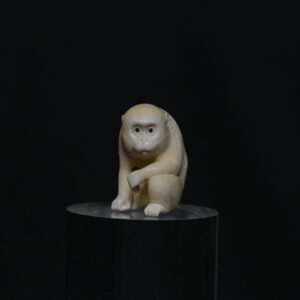
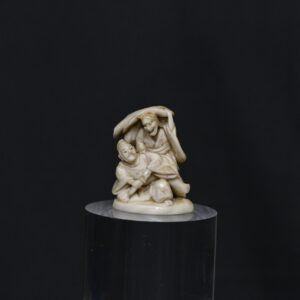
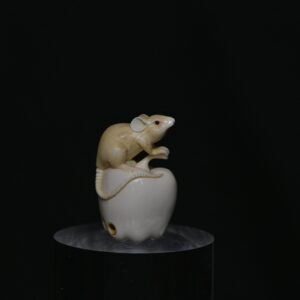
Ivory became one of the most popular materials due to its durability, smooth texture and ability to capture extremely fine detail.
Many of the most celebrated netsuke ever created were carved from elephant ivory.
Wood
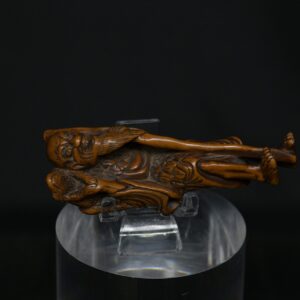
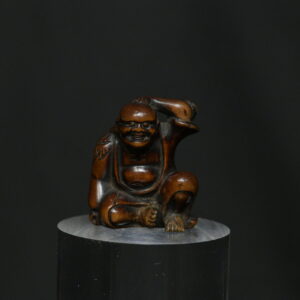
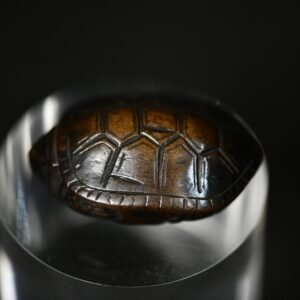
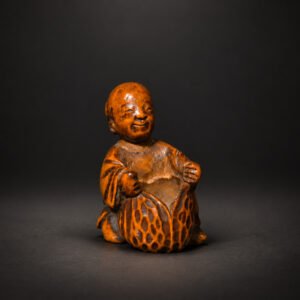
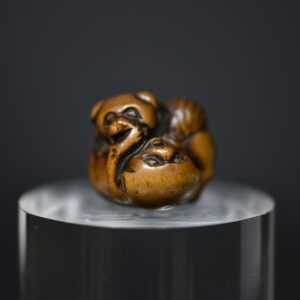
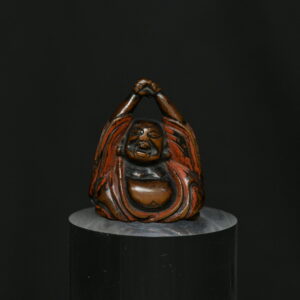
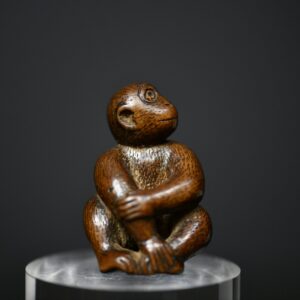
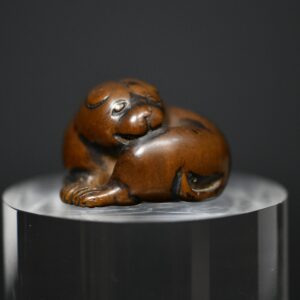
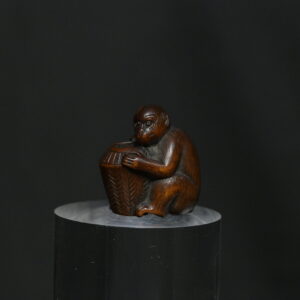
Boxwood was particularly favoured for its dense grain and resistance to cracking.
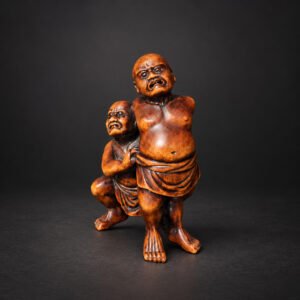
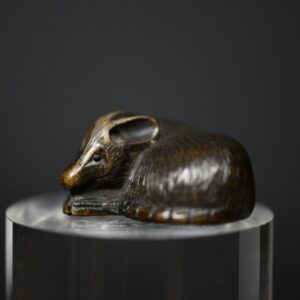
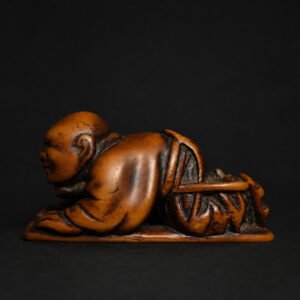
Wooden netsuke often display a warmth and character highly appreciated by collectors.
Antler
Deer antler provided a durable material with a distinctive natural texture.
Bone
Bone was commonly used for both simple and highly sophisticated carvings.
Other Materials
Artists also experimented with coral, shell, lacquer, porcelain and various exotic materials.
Common subjects in Netsuke art
Netsuke artists found inspiration in every aspect of Japanese life and mythology.
Popular themes include:
- Animals
- Dragons
- Monkeys
- Rabbits
- Rats
- Tigers
- Legendary heroes
- Samurai warriors
- Buddhist monks
- Shinto deities
- Demons and spirits
- Folk tales
- Everyday occupations
- Humorous scenes
Many carvings contain hidden symbolism, visual puns or references to classical literature that reward close study.
Types of Netsuke
Several distinct forms of netsuke developed over time.
Katabori Netsuke
The most common type.
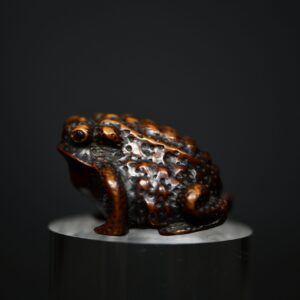
These three-dimensional sculptural carvings often depict animals, people or mythological figures.
Manju Netsuke
Named after the traditional Japanese sweet.
These circular netsuke resemble a small disc and frequently feature intricate relief carving.
Ryusa Netsuke
A variation of the manju style distinguished by openwork carving.
Kagamibuta Netsuke
Combining a carved body with a decorative metal lid, these examples showcase both carving and metalworking techniques.
Famous Netsuke schools and artists
By the eighteenth and nineteenth centuries, specialised schools of netsuke carving had emerged throughout Japan.
Cities such as Kyoto, Osaka, Edo and Nagoya became important centres of production.
Many master carvers signed their work, allowing collectors to identify individual artists and artistic lineages.
Renowned names include:
- Masanao
- Tomotada
- Okatomo
- Mitsuhiro
- Kaigyokusai
- Ikkan
Works by important masters are highly prized and can be found in major museum collections around the world.
Netsuke during the Meiji period
The Meiji Restoration of 1868 brought profound changes to Japanese society.
As Western clothing became increasingly popular, the practical need for netsuke declined.
However, growing international interest in Japanese art created new opportunities for craftsmen.
Many artists began producing exceptionally refined carvings for export and collectors, resulting in some of the most technically impressive netsuke ever created.
The Meiji period is therefore considered one of the great eras of netsuke artistry.
The art of carving
Creating a netsuke required exceptional skill.
Artists worked on an incredibly small scale, often producing sculptures measuring only a few centimetres.
A successful netsuke needed to combine:
- Artistic beauty
- Structural strength
- Practical functionality
- Comfortable handling
- Balanced composition
Every surface had to be carefully considered, as the object would be viewed from all angles.
The finest examples display astonishing detail despite their miniature size.
Collecting antique Netsuke
Today, netsuke are among the most popular fields of Japanese art collecting.
Collectors appreciate them because they offer:
- Exceptional craftsmanship
- Rich cultural symbolism
- Wide artistic variety
- Ease of display
- Historical significance
When evaluating a netsuke, collectors typically consider:
- Age
- Material
- Condition
- Subject matter
- Signature
- Provenance
- Quality of carving
Authentic Edo and Meiji period examples remain particularly desirable.
Netsuke as investment pieces
The international market for fine netsuke has grown significantly over the last century.
Rare examples by important artists regularly achieve impressive results at major auctions and continue to attract collectors from around the world.
Their combination of artistic quality, rarity and portability has made them one of the most enduring forms of Japanese collectible art.
The legacy of Netsuke
Few objects demonstrate the creativity and ingenuity of Japanese craftsmen more effectively than the netsuke.
What began as a simple practical accessory evolved into a sophisticated artistic tradition capable of expressing humour, spirituality, mythology and everyday life within the space of a few centimetres.
Today, antique netsuke continue to captivate collectors, museums and art enthusiasts worldwide, preserving one of Japan’s most charming and accomplished artistic traditions.