Japanese Katana Signed Chikugo no Kami Fujiwara Kanenori (筑後守藤原包則), Echizen, with NBTHK Tokubetsu Kichō
Japan · Edo Period (Kanbun Era, c. 1661–1673) · Echizen Shimosaka · NBTHK Tokubetsu Kichō · Tōroku-shō 1952
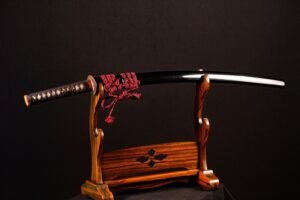
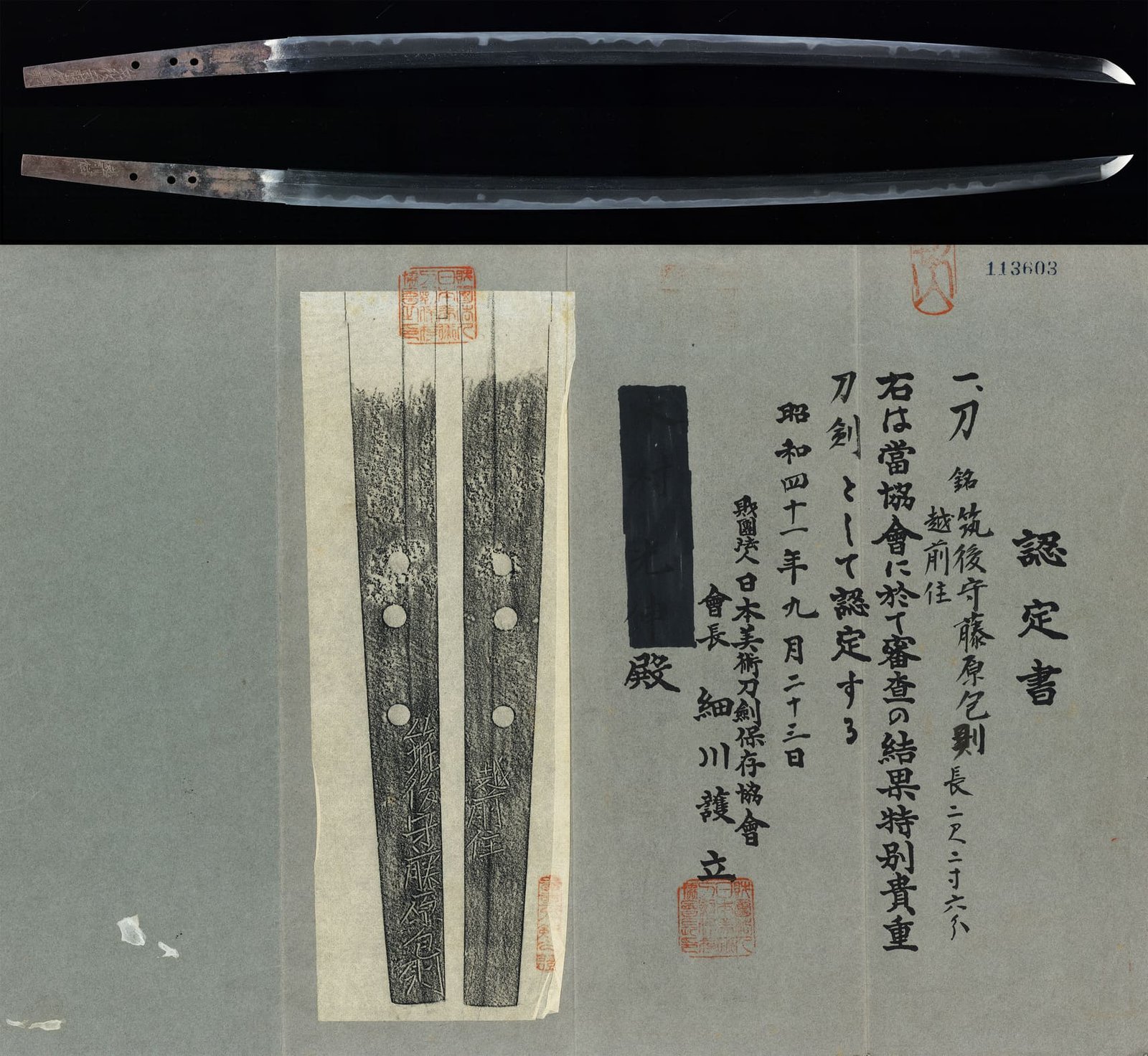
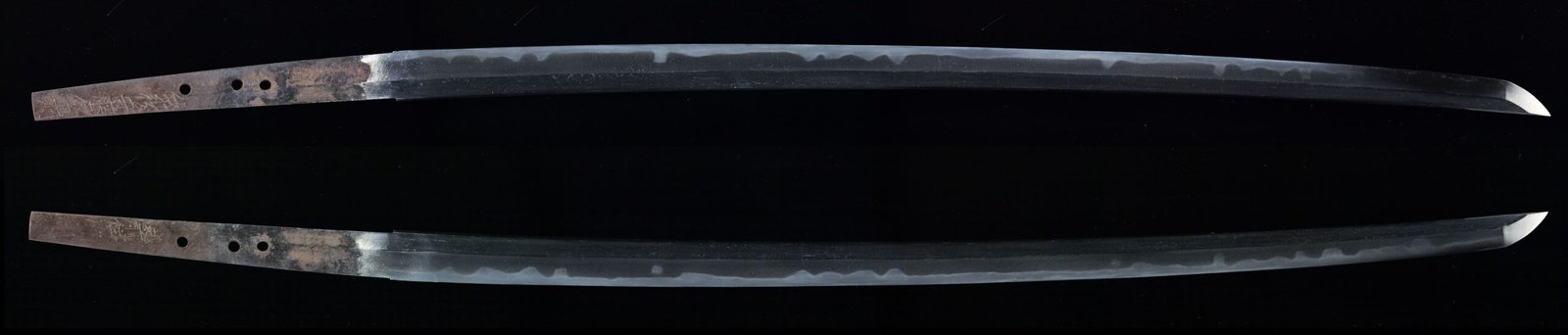
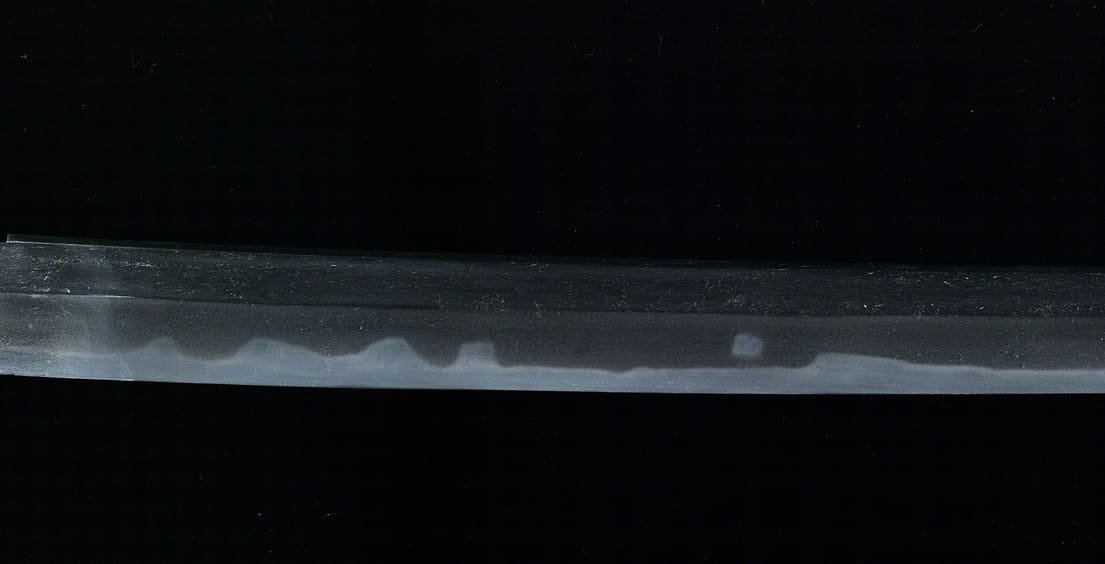
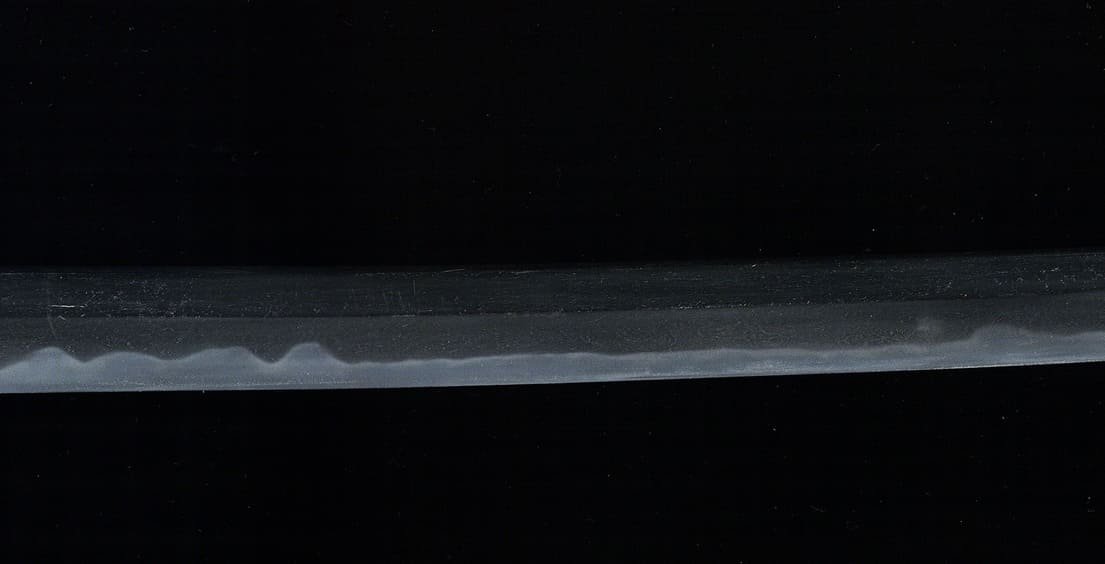
A signed katana by Chikugo no Kami Fujiwara Kanenori, a smith of the Echizen Shimosaka group of Mino descent, working in the Kanbun era of the Edo period. With a nagasa of 68.5 cm, a bright nioi-based notare hamon rising into gunome with tobiyaki, and a full, intact signature, the blade was certified Tokubetsu Kichō Tōken by the NBTHK in 1966 and carries an early Tokyo registration from 1952.
Echizen – A Great Forging Centre of the Edo Period
In the first decades of the Edo period, Echizen Province was one of the great forging centres of Japan.
Its castle town, Fukui, was ruled by the Matsudaira, a senior branch of the Tokugawa house, and their demand for swords drew smiths from across the country.
Many came from Seki in Mino, bringing with them a tradition of tough, practical blades.
Chikugo no Kami Fujiwara Kanenori
Kanenori belonged to the Echizen Shimosaka group of Mino descent. He worked in the Kanbun era and held the honorary title Chikugo no Kami.
Two generations signed this way, and the later one was ranked Wazamono for cutting ability in the famous Yamada family test rankings.
Sugata – Blade Form
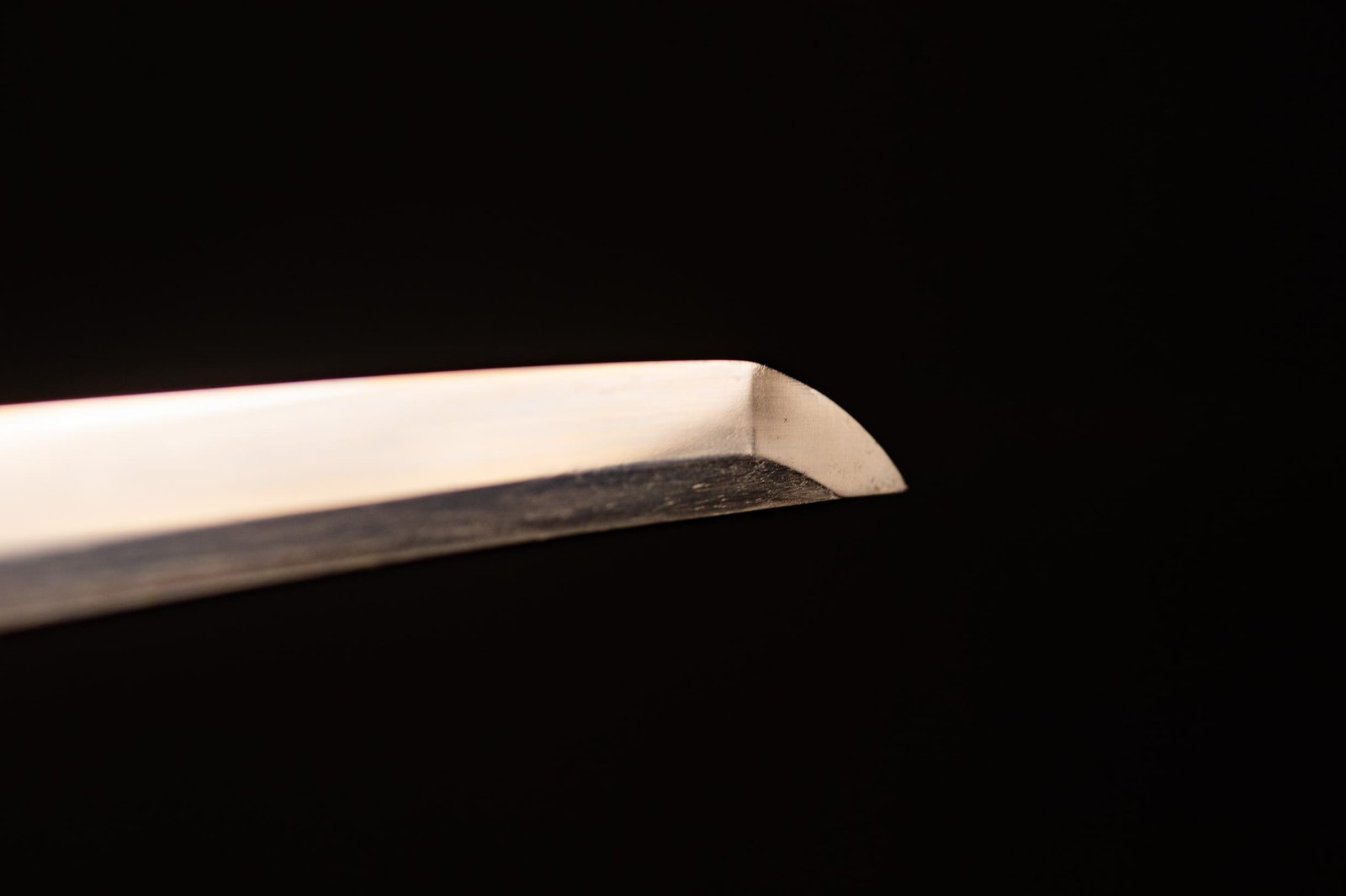
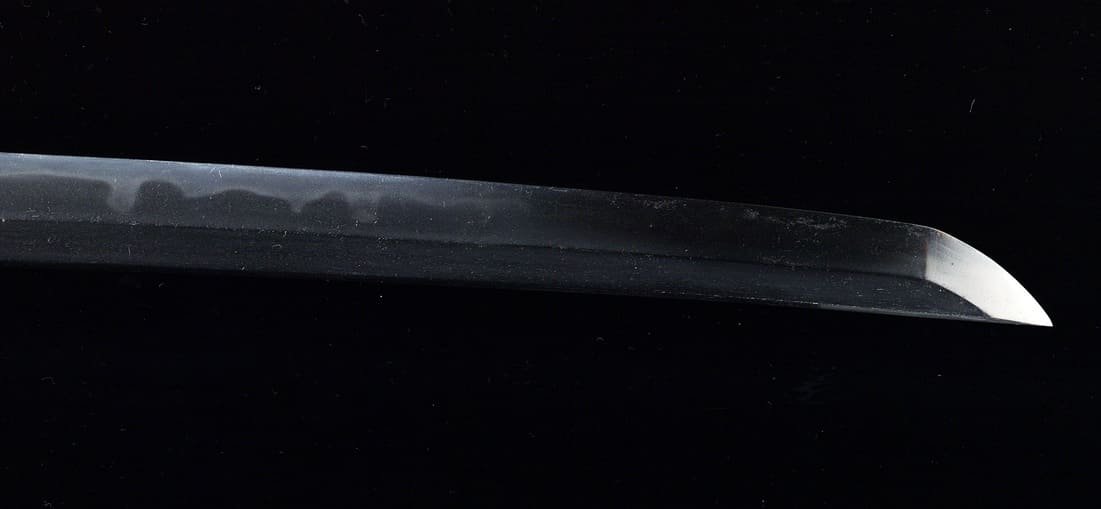
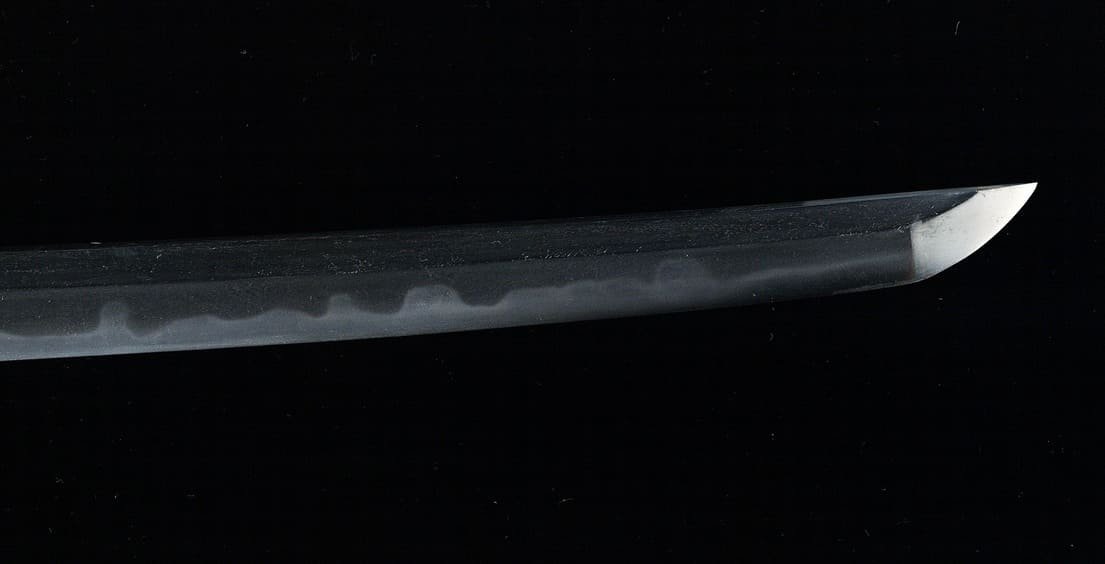
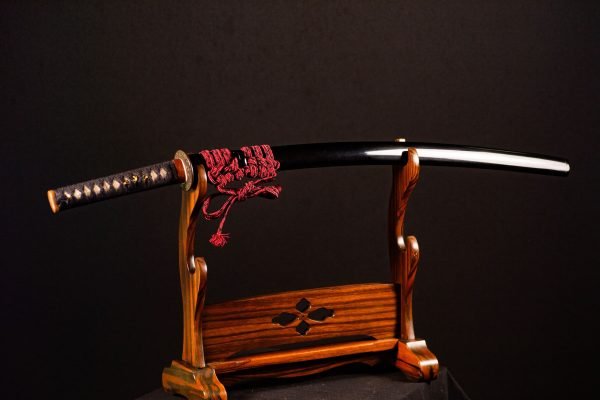
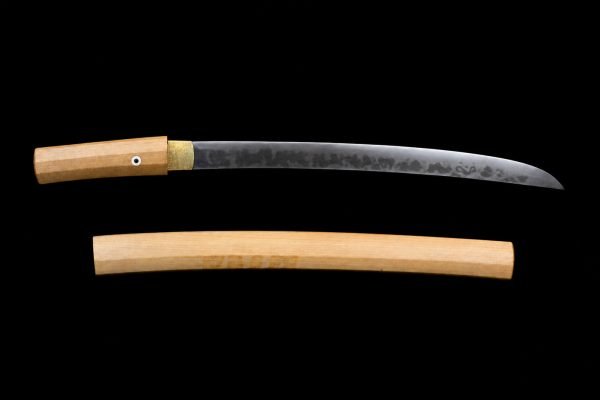
The blade has a well-proportioned shinogi-zukuri form, with a gentle curvature (sori of 1.1 cm) and a balanced chū-kissaki.
Hamon and Bōshi
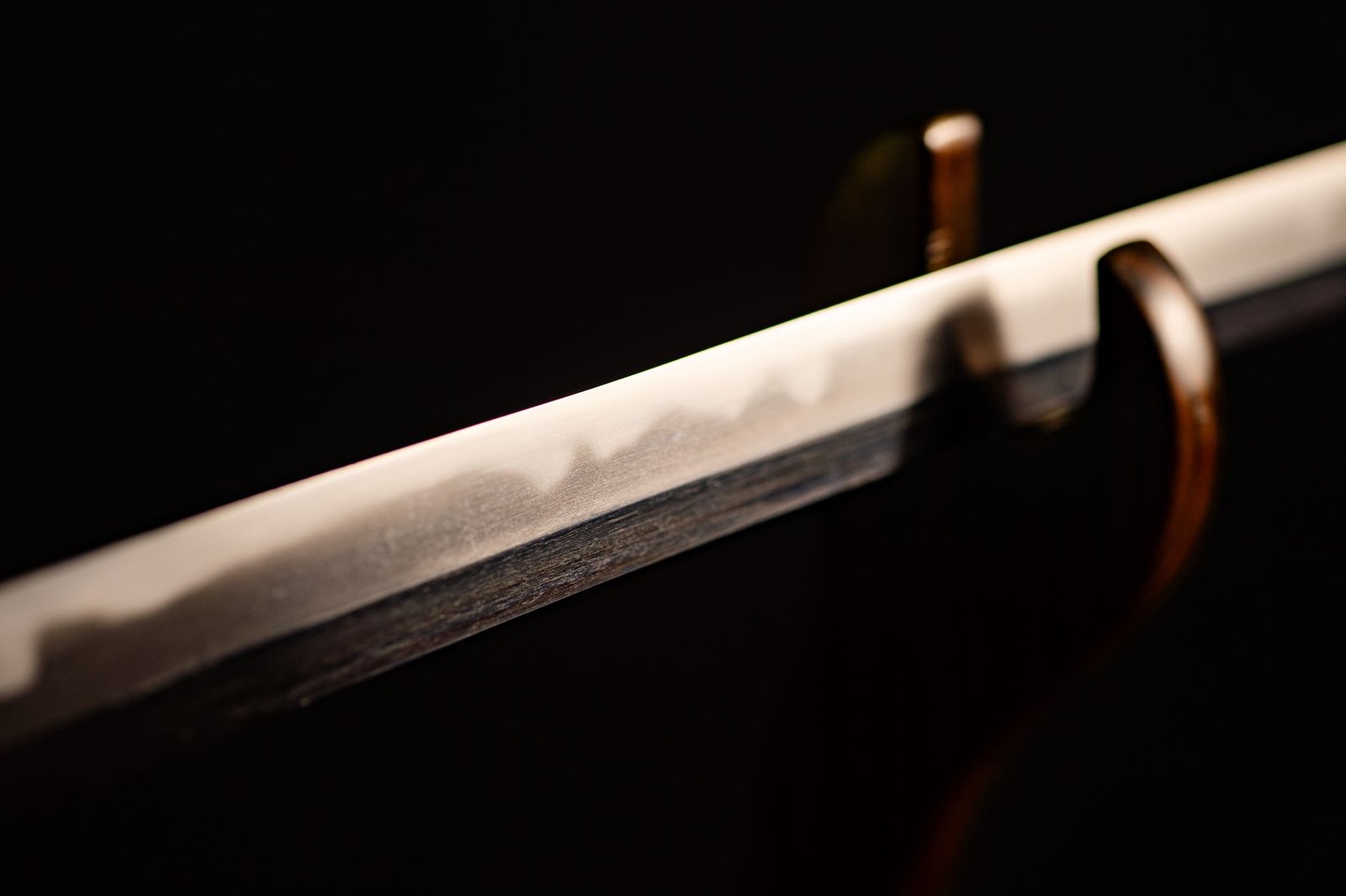
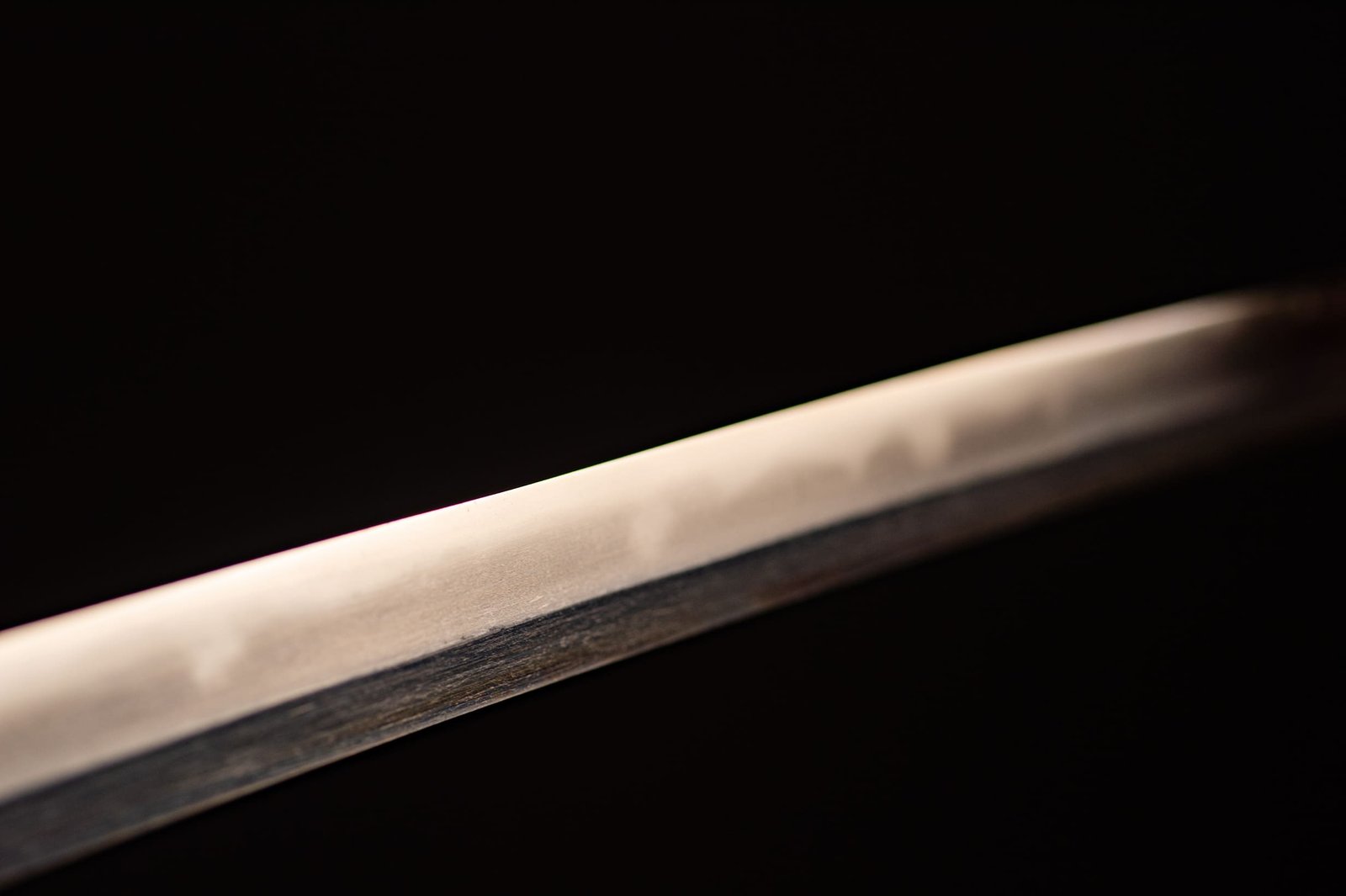
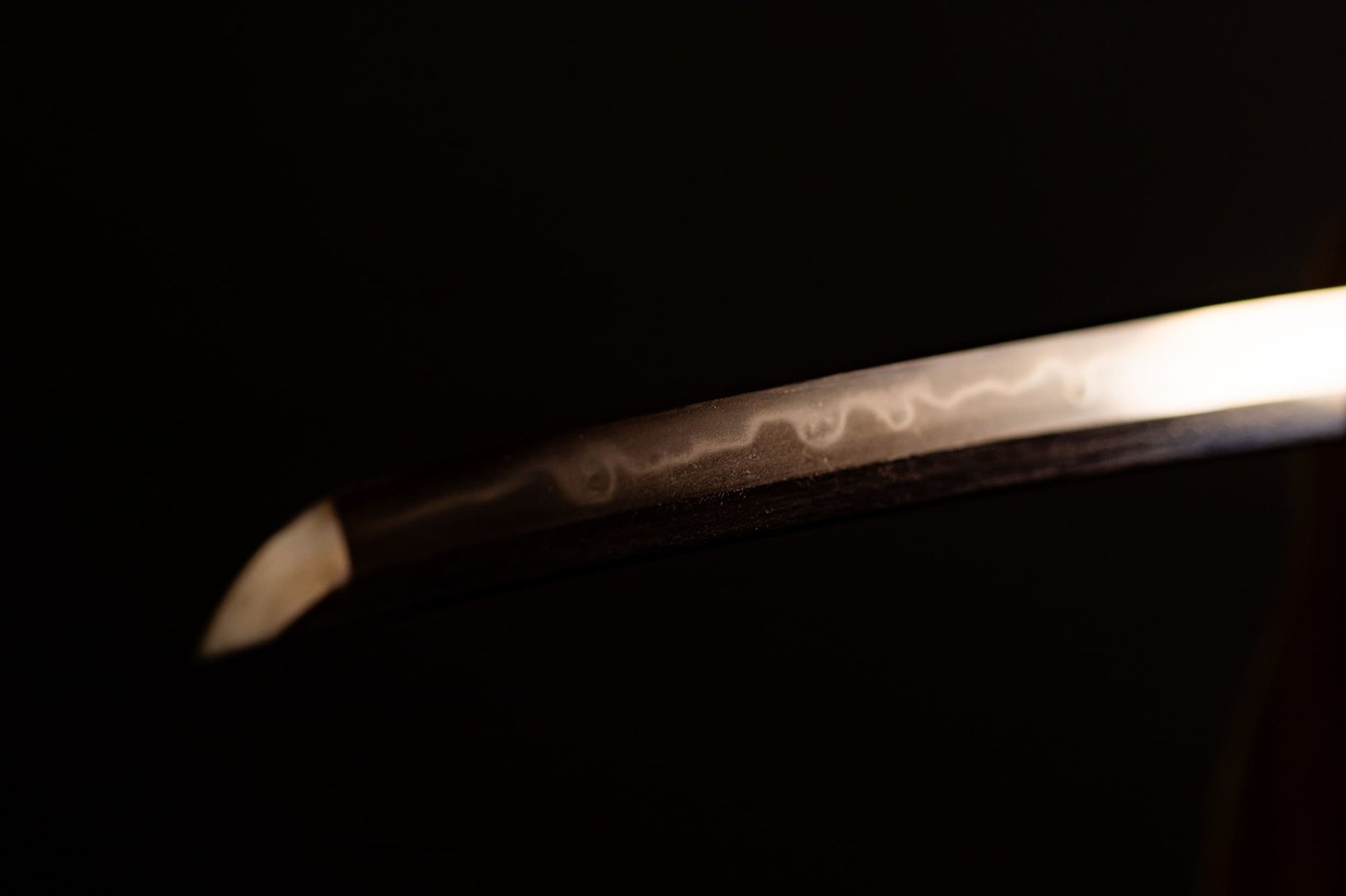
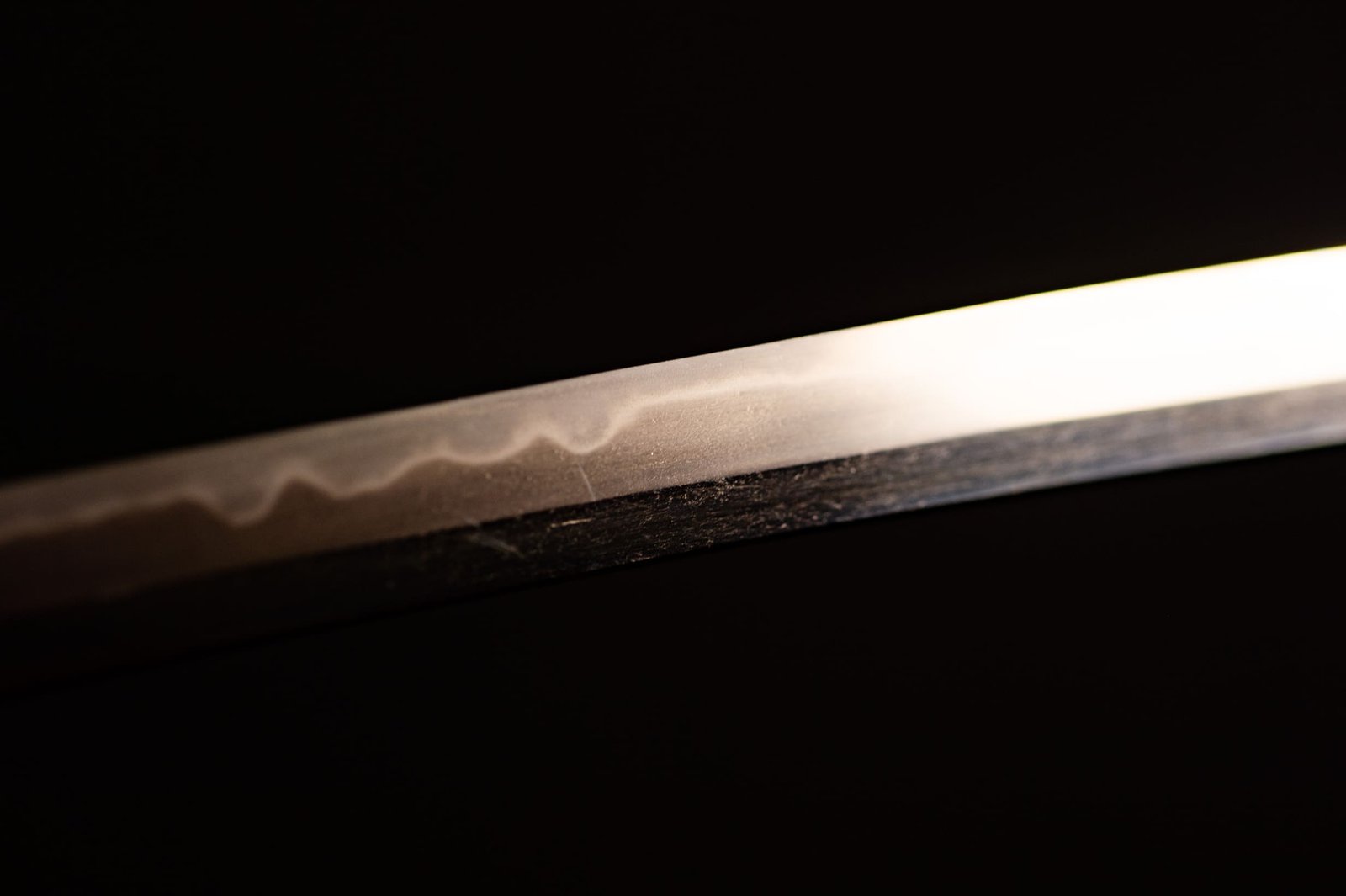
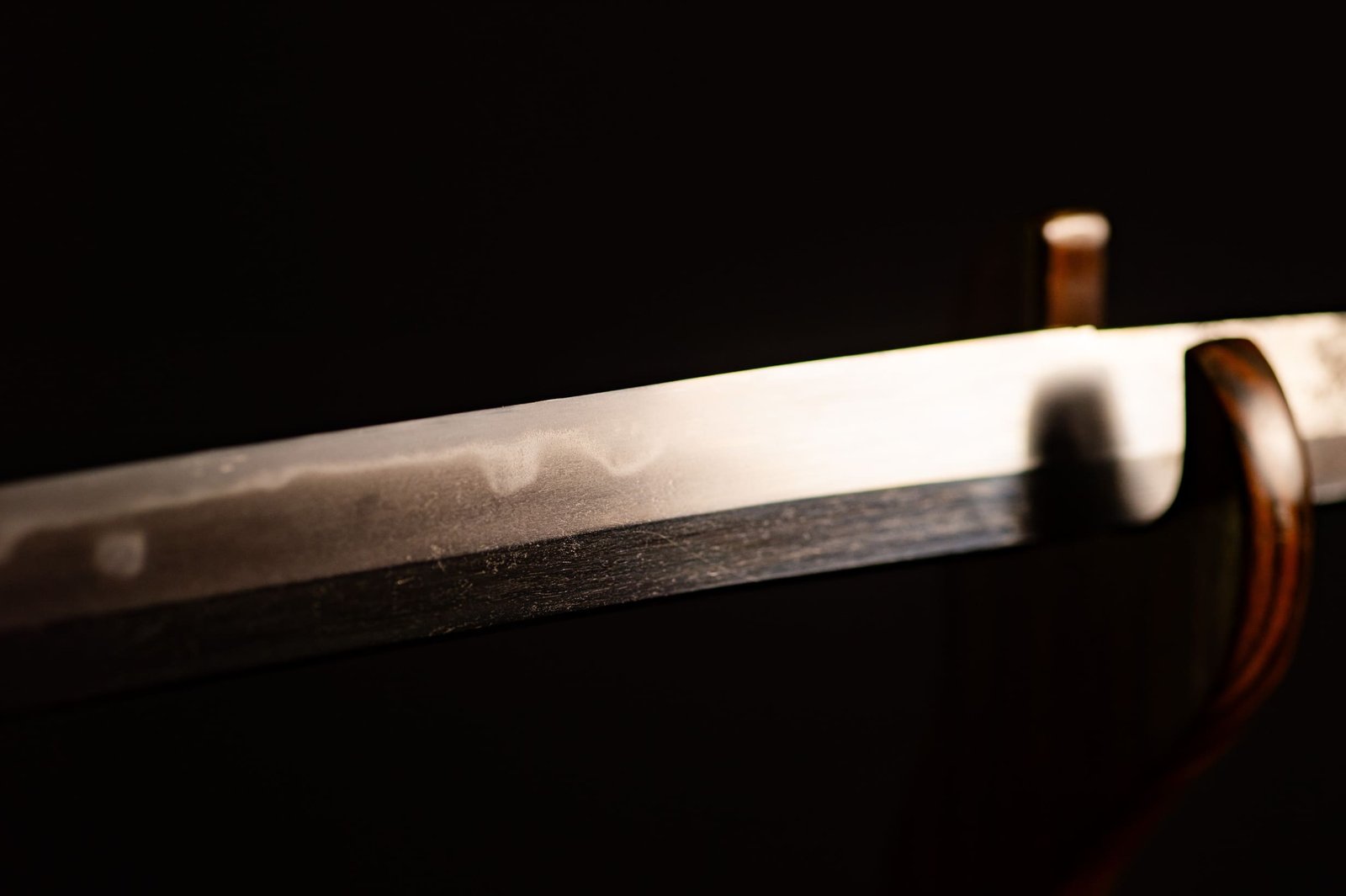
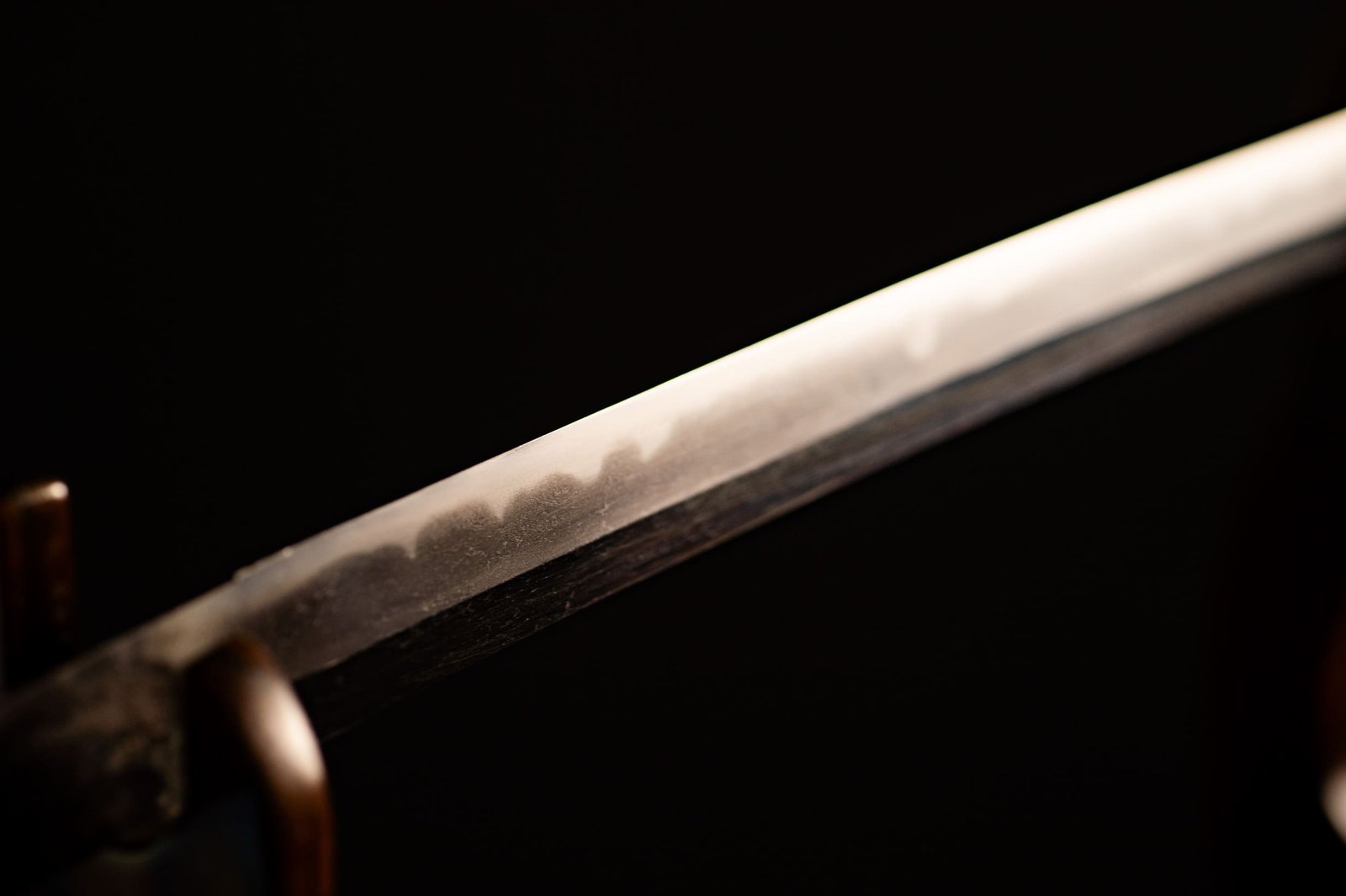
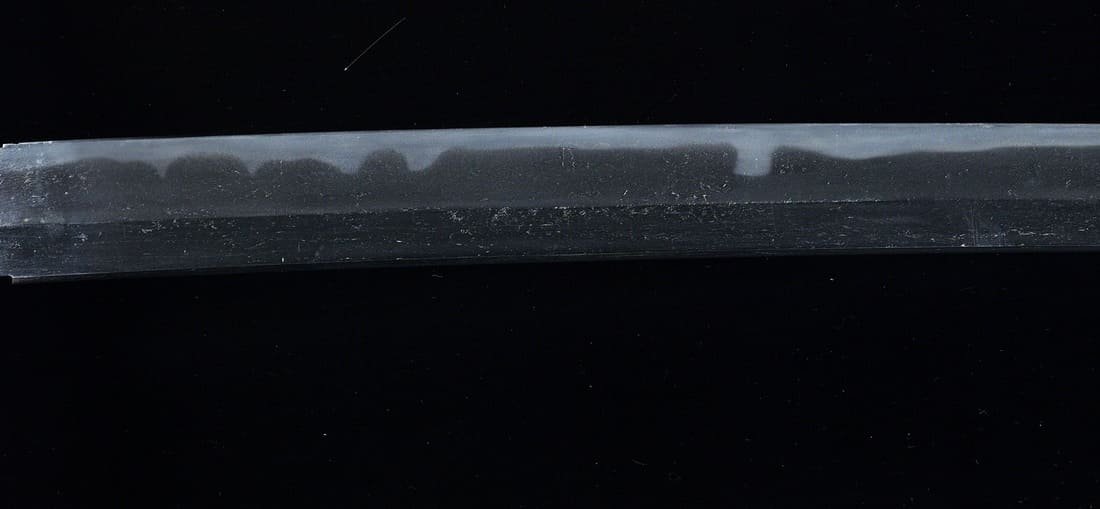
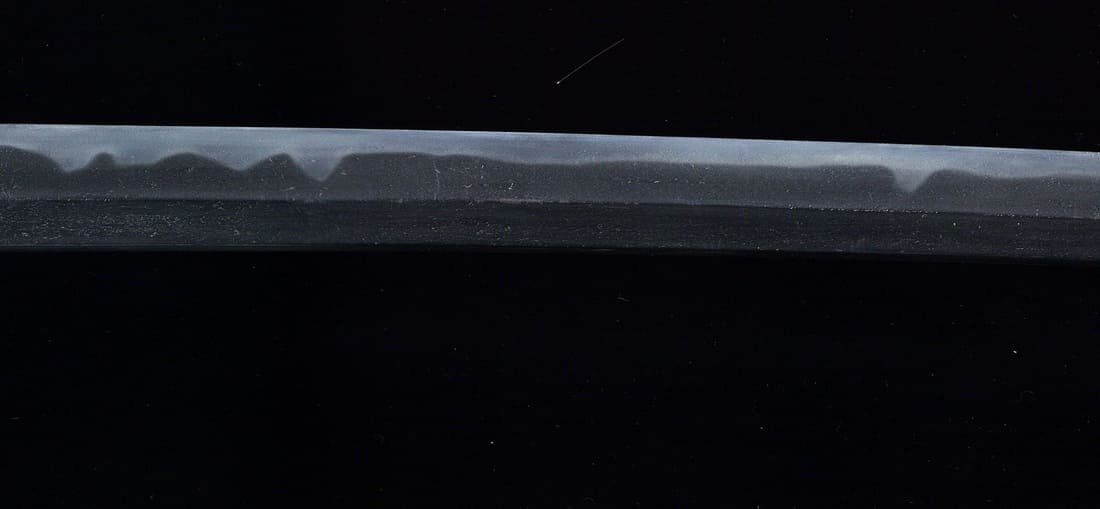
The hamon is a bright nioi-based notare that rises into gunome, scattered with tobiyaki: small islands of hardened steel floating above the main temper line.
These tobiyaki add a lively touch typical of Shimosaka work.
In the point, the bōshi turns back in a neat ko-maru.
Nakago and Mei – The Signature
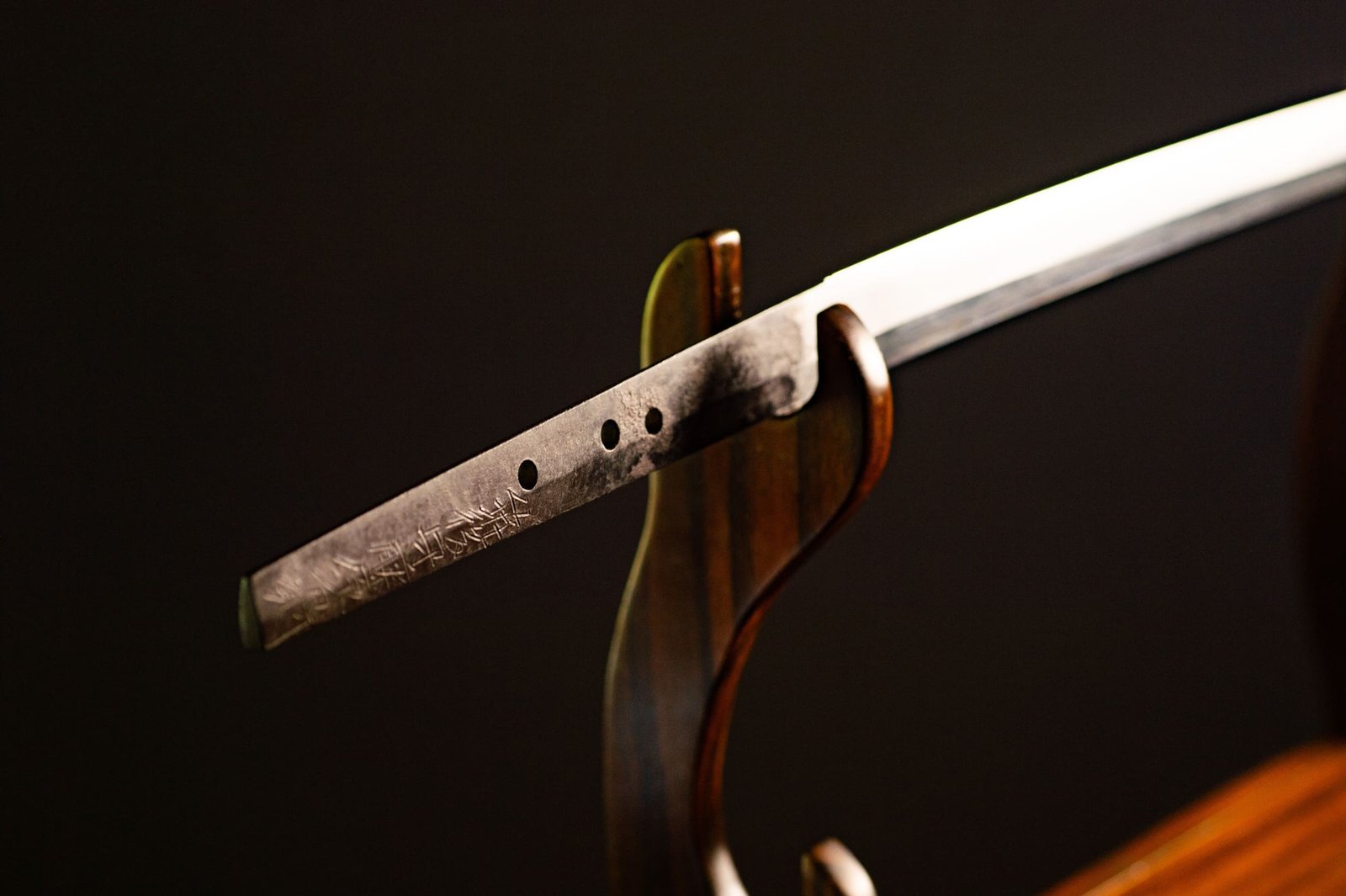
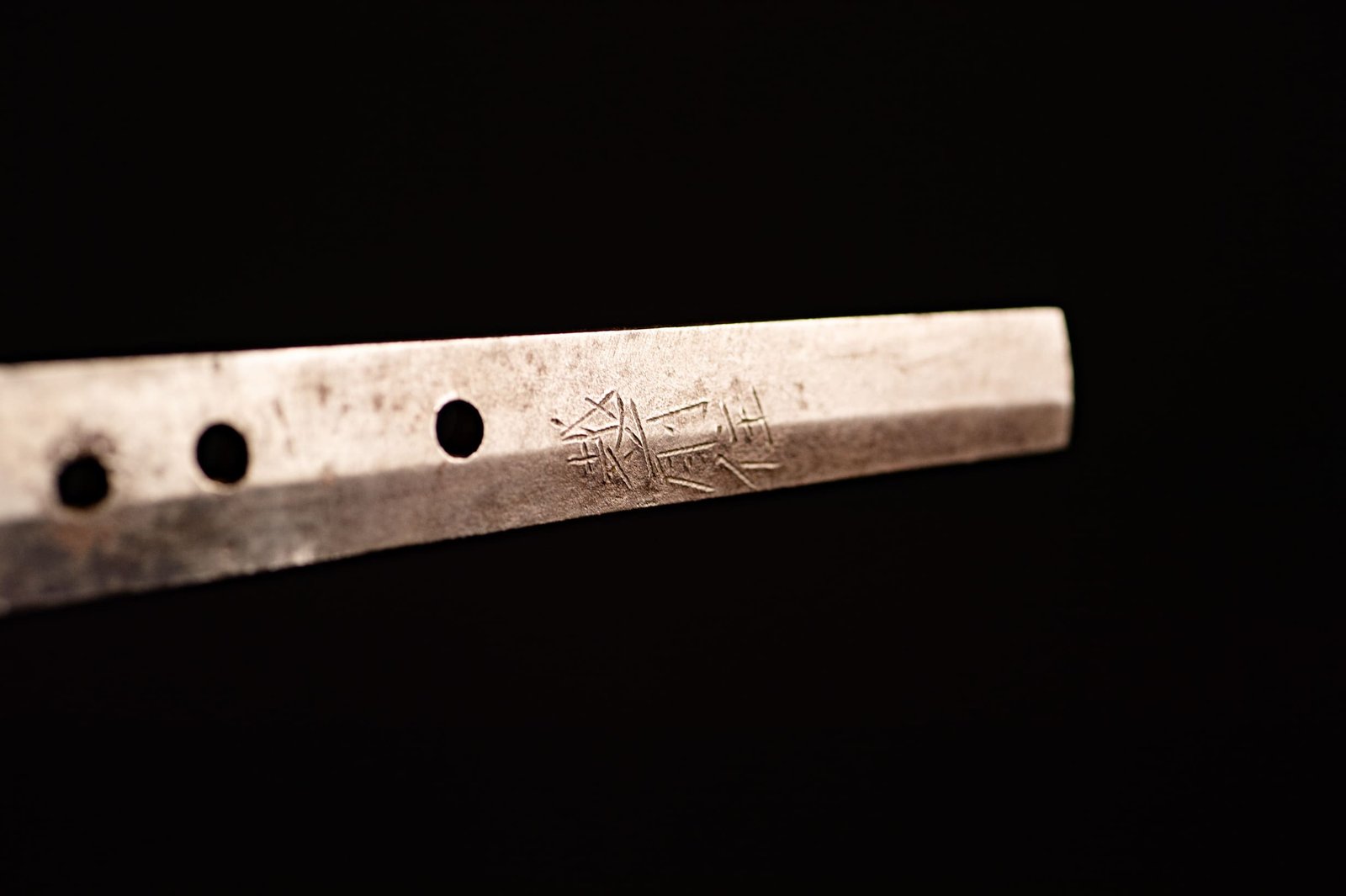
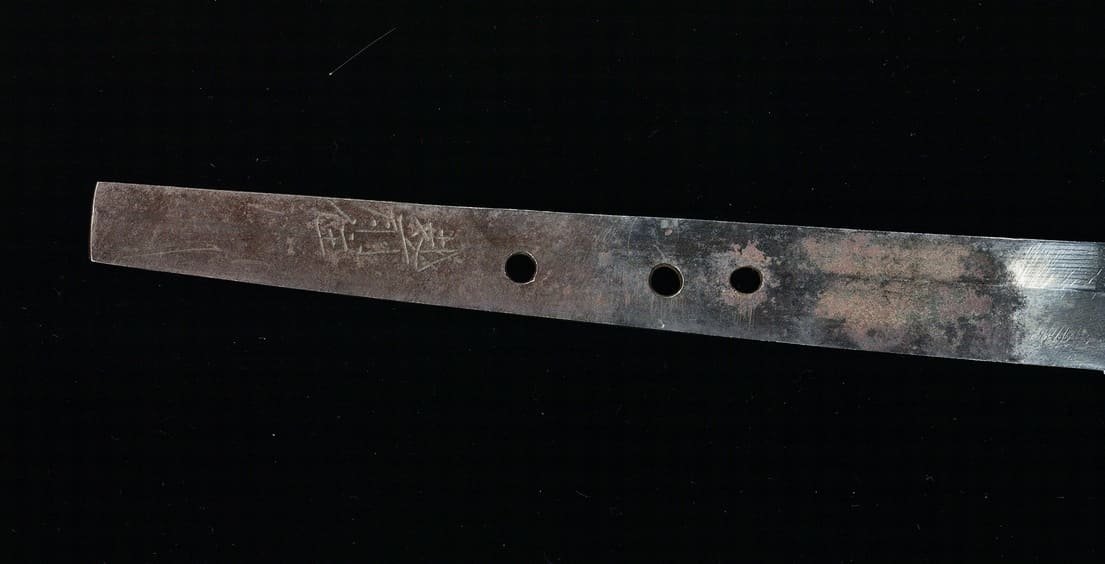
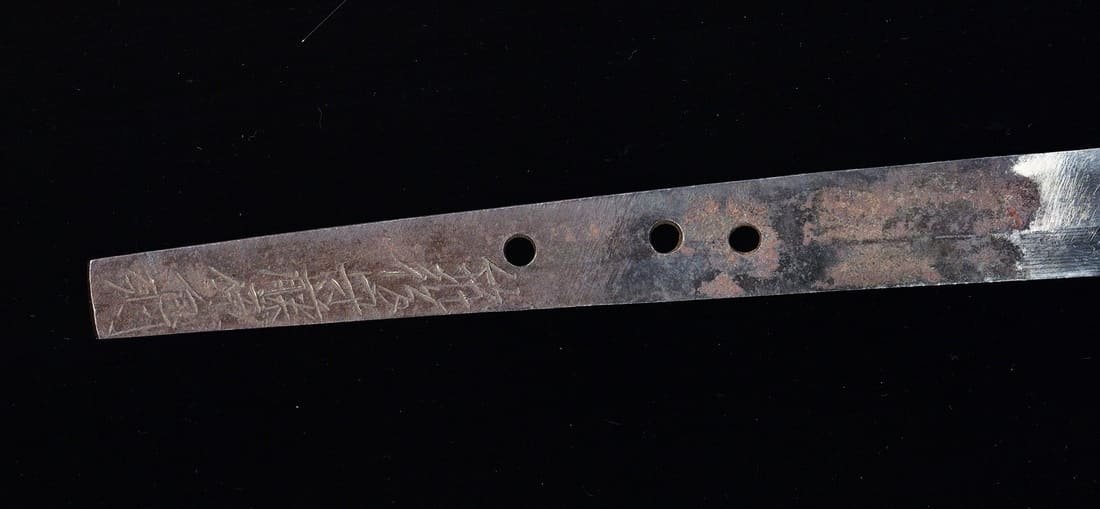
The nakago carries a full, carefully cut signature: 筑後守藤原包則 (Chikugo no Kami Fujiwara Kanenori) on the omote and 越前住 (“resident of Echizen”) on the ura.
Its three mekugi-ana show that the blade was remounted over its working life, while the signature remains intact.
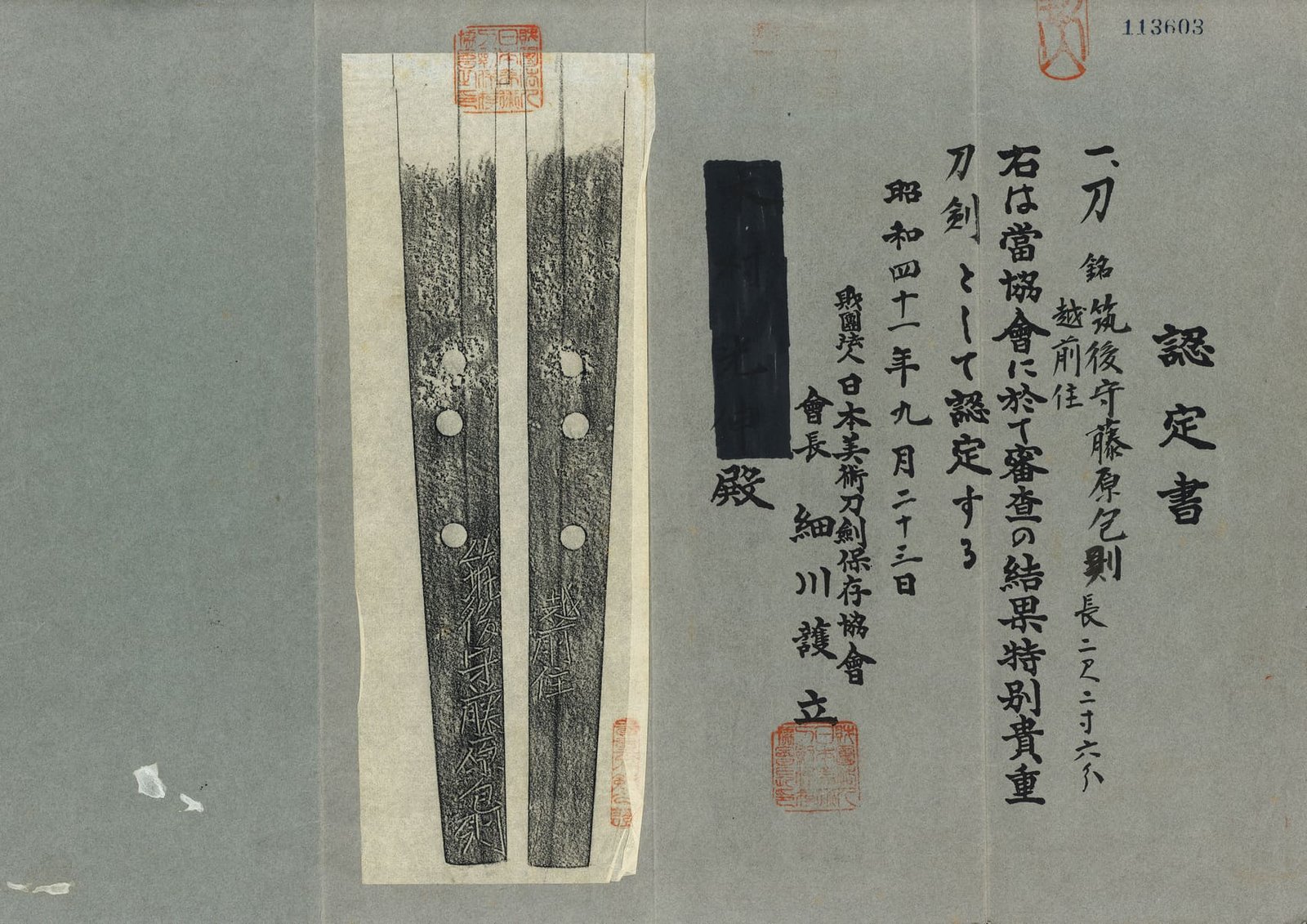
NBTHK Tokubetsu Kichō Tōken
The NBTHK certified the blade as Tokubetsu Kichō Tōken in 1966.
The certificate bears the signature of the association’s president at the time, Hosokawa Moritatsu, head of the Hosokawa family, former daimyō of Kumamoto, and one of the great patrons of Japanese art of the 20th century.
Tōroku-shō – An Early Tokyo Registration
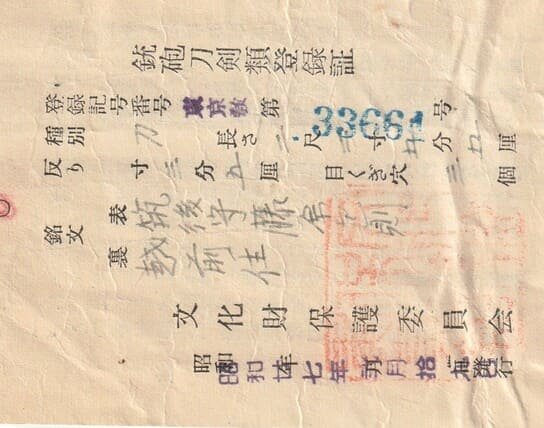
The Japanese registration certificate (tōroku-shō) was issued in Tokyo in 1952, in the first years of the postwar registration system.
After the Occupation confiscations, the families who registered their swords first were usually prosperous, well-established households with significant collections.
Early registrations like this one are therefore often found on blades of good quality and long, careful ownership.
Shirasaya and Habaki
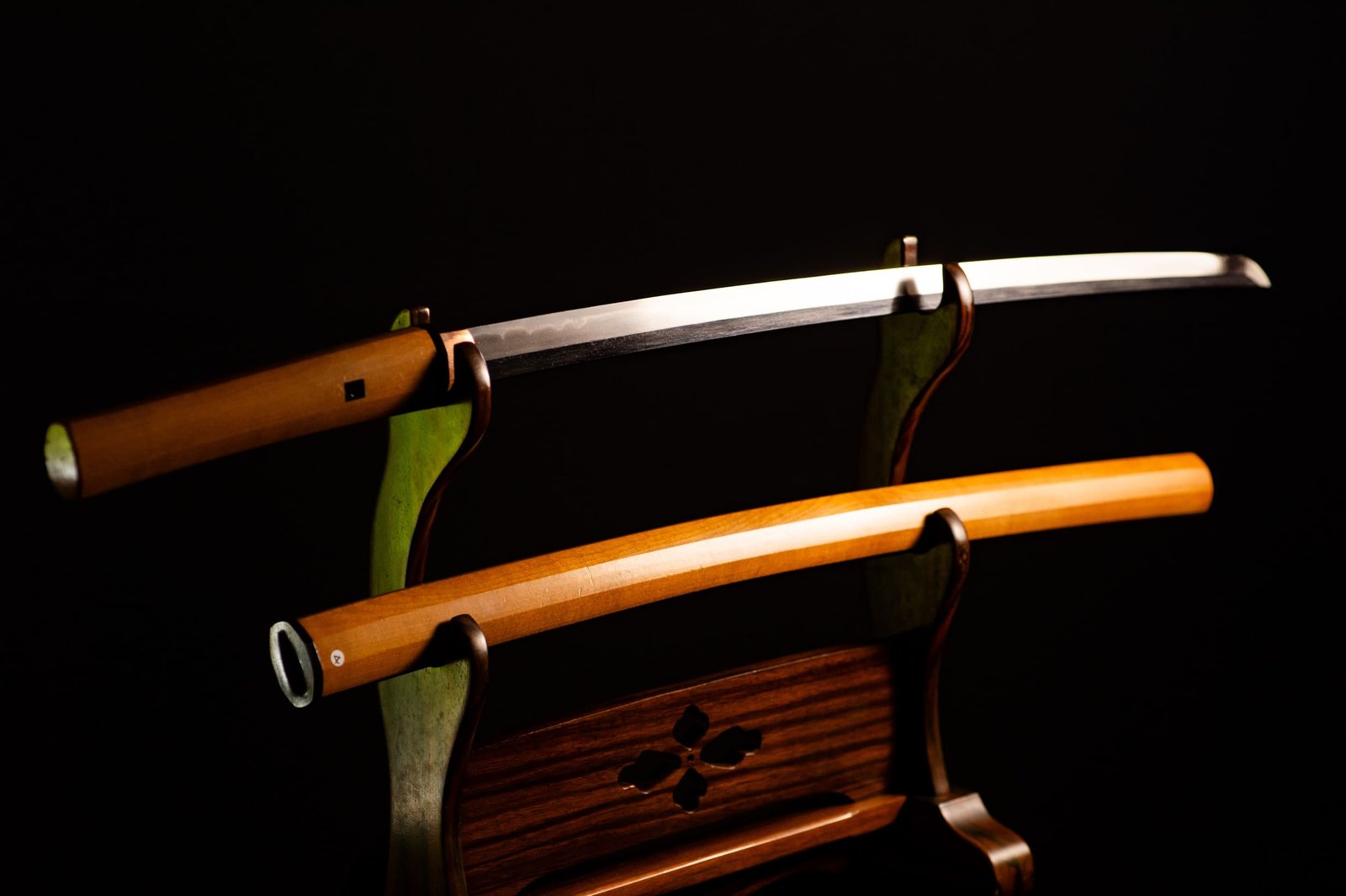
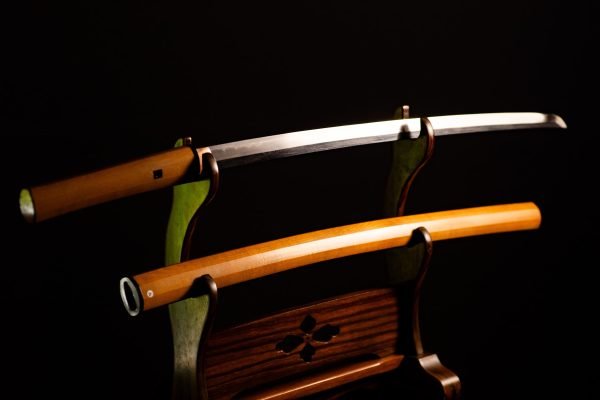
The blade rests in a shirasaya, the plain magnolia-wood storage scabbard in which Japanese collectors keep their finest blades.
It is fitted with a copper habaki.
Materials and Construction
This katana is presented as a collector’s blade, with its shinogi-zukuri form, copper habaki and magnolia-wood shirasaya.
- Shinogi-zukuri blade
- Nioi-based notare and gunome hamon with tobiyaki
- Signed nakago with three mekugi-ana
- Copper habaki
- Magnolia-wood shirasaya
Condition
Excellent condition for its age, with only minor wear consistent with its antiquity.
The signature remains intact, and the blade is accompanied by its NBTHK Tokubetsu Kichō certificate and its Japanese registration certificate (tōroku-shō).
Specifications
- Origin: Japan, Echizen Province
- Period: Edo Period (1603–1868)
- Dating: Kanbun era (c. 1661–1673)
- Smith: Chikugo no Kami Fujiwara Kanenori
- School: Echizen Shimosaka (of Mino descent)
- Mei (omote): 筑後守藤原包則 (Chikugo no Kami Fujiwara Kanenori)
- Mei (ura): 越前住 (Echizen jū – “resident of Echizen”)
- Nagasa: 68.5 cm
- Sori: 1.1 cm
- Mekugi-ana: 3
- Blade construction: Shinogi-zukuri
- Kissaki: Chū-kissaki
- Hamon: Nioi-based notare rising into gunome, with tobiyaki
- Bōshi: Ko-maru, turning back
- Habaki: Copper
- Mounting: Shirasaya (magnolia wood)
- Certificate: NBTHK Tokubetsu Kichō Tōken (1966), signed by Hosokawa Moritatsu
- Registration: Tōroku-shō issued in Tokyo in 1952
- Condition: Excellent for its age
Collector’s Interest
This katana stands out for its intact signature, its documented history and its lively Shimosaka hamon.
- Signed katana by Chikugo no Kami Fujiwara Kanenori, Echizen Shimosaka group of Mino descent.
- Edo period, Kanbun era (c. 1661–1673).
- Full, carefully cut and intact signature, with 越前住 on the ura.
- A smith lineage whose later generation was ranked Wazamono in the Yamada family test rankings.
- Bright nioi-based notare and gunome hamon with tobiyaki, typical of Shimosaka work.
- NBTHK Tokubetsu Kichō Tōken certificate from 1966, signed by Hosokawa Moritatsu.
- Early Japanese registration (tōroku-shō) issued in Tokyo in 1952.
- Preserved in shirasaya with copper habaki.
- Excellent condition for its age.
A katana that reflects the golden age of Echizen sword-making in the Edo period, when smiths of Mino descent gathered in Fukui to serve the Matsudaira. Its intact signature, lively Shimosaka hamon, early registration and Tokubetsu Kichō certificate signed by Hosokawa Moritatsu make it a particularly compelling addition to a collection of antique Japanese swords.