The lunar zodiac gives each year an animal name drawn from Chinese folklore, creating a repeating calendar system. Those animals also appear abundantly in East Asian art and design, especially in decoration and New Year imagery.
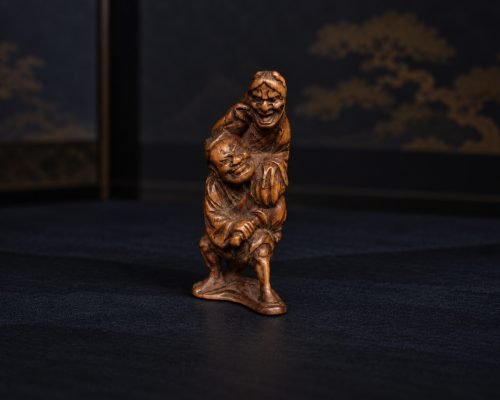
An ivory dog-and-puppy okimono is shown against a plain background.
Explore our Netsuke collection.
How the lunar zodiac marks years
The lunar zodiac is built on the lunar calendar, which follows the moon’s cycle rather than the solar Gregorian calendar. In this system, each year receives an animal name drawn from Chinese folklore, so the year itself is identified through a symbolic creature.
The fixed 12-year sequence
The animal years move in a set order and repeat every 12 years. That regular sequence gives the lunar zodiac a stable structure, with each animal returning in the same position after the cycle begins again.
This method of linking animals to years is longstanding. The V&A notes that it can be traced back at least to the Han dynasty, showing that the lunar zodiac has deep historical roots.
Animals in East Asian art and design
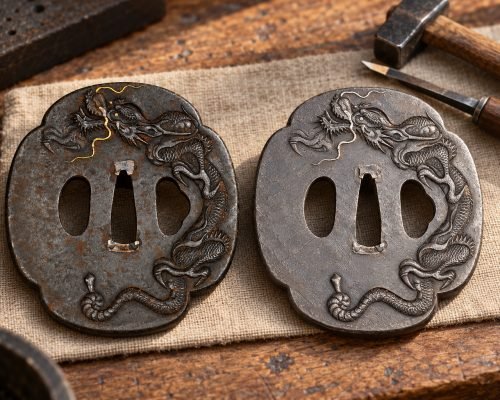
The zodiac animals are not limited to calendars. They appear frequently in East Asian art and design, where legends and folktales support their visual use, and they are especially common in New Year decoration when the current year’s animal becomes a festive motif.
Variations across East and Southeast Asia
The zodiac system began in China and spread across East and Central Asia. Over time, local variations developed and remained popular, including in Japan, South Korea, Vietnam, Cambodia, and Thailand, where Lunar New Year celebrations still keep the animal cycle visible in seasonal culture.
Sources