October 14, 2026


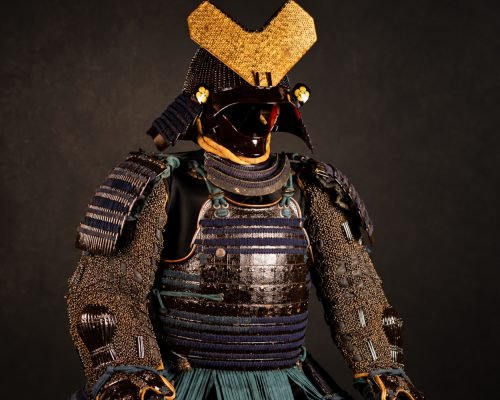
Among all the elements of Japanese samurai armor, few are as instantly recognizable as the kabuto. More than simply a helmet, the kabuto was a symbol of status, identity, and craftsmanship. Designed to protect the warrior in battle while displaying his clan, rank, and personality, every authentic kabuto tells a unique story.
Today, antique samurai helmets are highly prized by collectors around the world. Their remarkable construction, elaborate decorations, and historical significance make them some of the most fascinating examples of Japanese military art.
Whether displayed on their own or as part of a complete gusoku, an authentic kabuto represents centuries of Japanese tradition and exceptional craftsmanship.
A kabuto is the traditional helmet worn by samurai as part of their armor.
Its primary purpose was to protect the head during combat, but it also served as a visual statement. High-ranking samurai often commissioned elaborate helmets featuring distinctive crests, ornaments, and decorative elements that made them instantly recognizable on the battlefield.
Far from being standardized military equipment, each kabuto reflected the individuality of its owner and the skill of the armor maker who crafted it.
Authentic kabuto consist of several carefully constructed elements working together.
The hachi forms the main body of the helmet.
Depending on the period and style, it could be constructed from numerous individually forged iron plates riveted together with extraordinary precision.
The number of plates often reflected the complexity and quality of the craftsmanship.
The shikoro is the neck guard attached to the lower part of the helmet.
Made from overlapping lacquered iron or leather plates connected by silk lacing, it protected the neck and shoulders while allowing freedom of movement.
One of the most striking features of many kabuto is the maedate, the decorative crest mounted on the front of the helmet.
These crests could depict:
Beyond decoration, they helped identify warriors during battle and reflected personal beliefs, clan identity, or aspirations.
Unlike many European military helmets, Japanese kabuto were highly individual.
Armor makers developed increasingly elaborate designs throughout the centuries, particularly during the Momoyama and Edo periods.
This gave rise to the famous kawari kabuto, or “extraordinary helmets,” whose unconventional shapes transformed protective equipment into wearable works of art.
Some examples resemble mythical animals, while others feature oversized crests that remain instantly recognizable centuries later.

The decorative elements found on kabuto were never purely ornamental.
Many symbols carried deep cultural meaning.
For example, a crescent moon maedate represented strength, renewal, and determination, making it one of the most iconic designs found on samurai helmets.
Collectors particularly admire helmets such as our Edo Period Samurai Kabuto with Crescent Moon Crest, whose elegant crescent-shaped ornament perfectly illustrates the balance between military functionality and artistic beauty.
Similarly, helmets featuring animal motifs often conveyed specific virtues.
The Usagi Kabuto, decorated with a rabbit-inspired design, symbolizes agility, intelligence, and good fortune in Japanese tradition.
More dramatic examples include the spectacular Snake Maedate Kabuto, whose serpent crest represents wisdom, protection, and transformation.
Among all kabuto styles, Kawari Kabuto are perhaps the most distinctive.
Unlike conventional helmets, these were intentionally designed with bold and highly imaginative forms.
Some were inspired by mythology, while others reflected nature or religious symbolism.
One exceptional example is the Kawari Kabuto Shachihoko, featuring the legendary Shachihoko, a mythical creature with the head of a tiger and the body of a fish that was traditionally believed to protect buildings from fire.
Another remarkable example is the impressive Tengu Kawari Kabuto, inspired by the legendary Tengu—supernatural beings associated with martial prowess and spiritual discipline.
These helmets demonstrate the extraordinary creativity of Japanese armor makers and remain among the most sought-after pieces in advanced collections.
Although the kabuto was designed for battle, it was never simply defensive equipment.
Master armorers devoted immense attention to every detail, carefully balancing protection, comfort, aesthetics, and symbolism.
Each helmet required expertise in:
The result was a masterpiece that reflected both the technical ability of the craftsman and the identity of the samurai who wore it.
Original kabuto have become increasingly rare.
Many helmets have lost their original crests, neck guards, or accompanying armor over the centuries.
Complete, well-preserved examples with original components are therefore highly desirable.
Collectors appreciate authentic kabuto not only for their historical importance but also because each helmet is unique.
No two antique kabuto are exactly alike.
Every rivet, crest, lacquer finish, and decorative fitting reflects the hand of the artisan who created it hundreds of years ago.
At Supein Nihonto, we specialize in sourcing authentic antique samurai helmets directly from Japan.
Our collection includes a wide variety of exceptional kabuto, from elegant Edo-period helmets with crescent moon crests to remarkable Kawari Kabuto, Usagi Kabuto, Snake Maedate Kabuto, and rare museum-quality pieces that showcase the extraordinary diversity of Japanese armor.
Because every kabuto in our collection is an original antique, each piece is completely unique. Once sold, it cannot simply be replaced by another identical example.
Whether you are searching for your first authentic samurai helmet or looking to add an exceptional masterpiece to an advanced collection, our online gallery offers a carefully curated selection of unique kabuto chosen for their authenticity, craftsmanship, historical significance, and artistic beauty. Explore our collection and discover a one-of-a-kind piece of Japan’s samurai heritage.

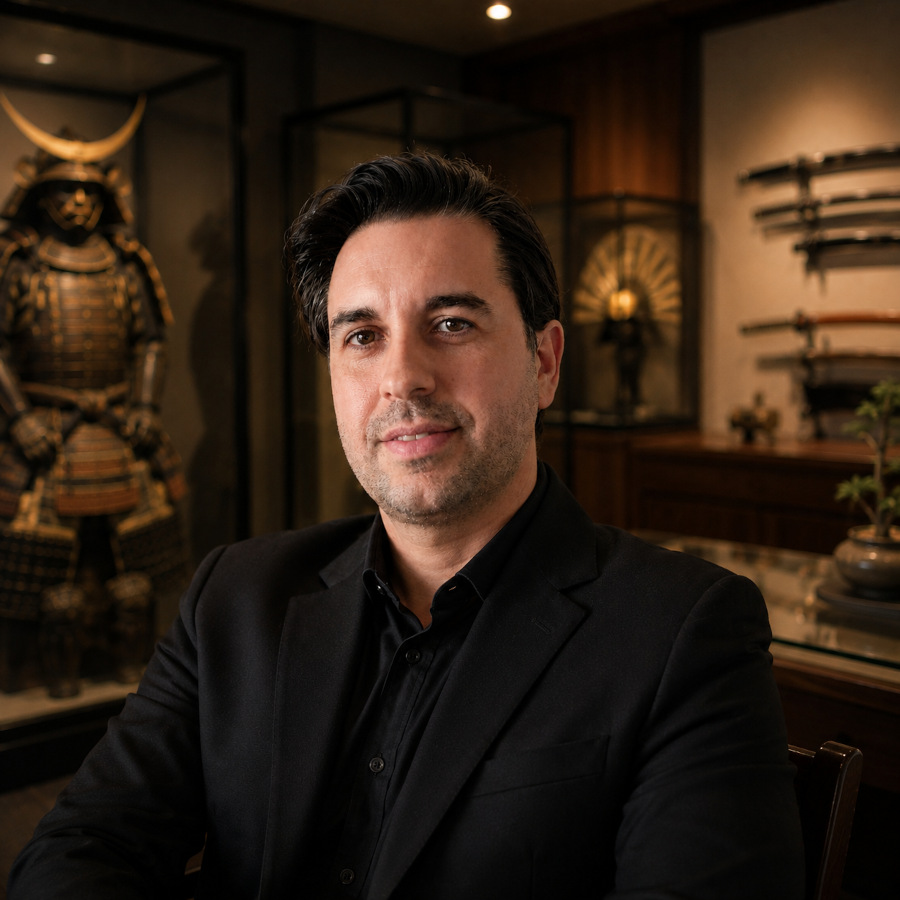
CEO of SupeinNihonto, dealer and collector of ancient Japanese art and weapons from Canillo, Andorra.