October 18, 2026

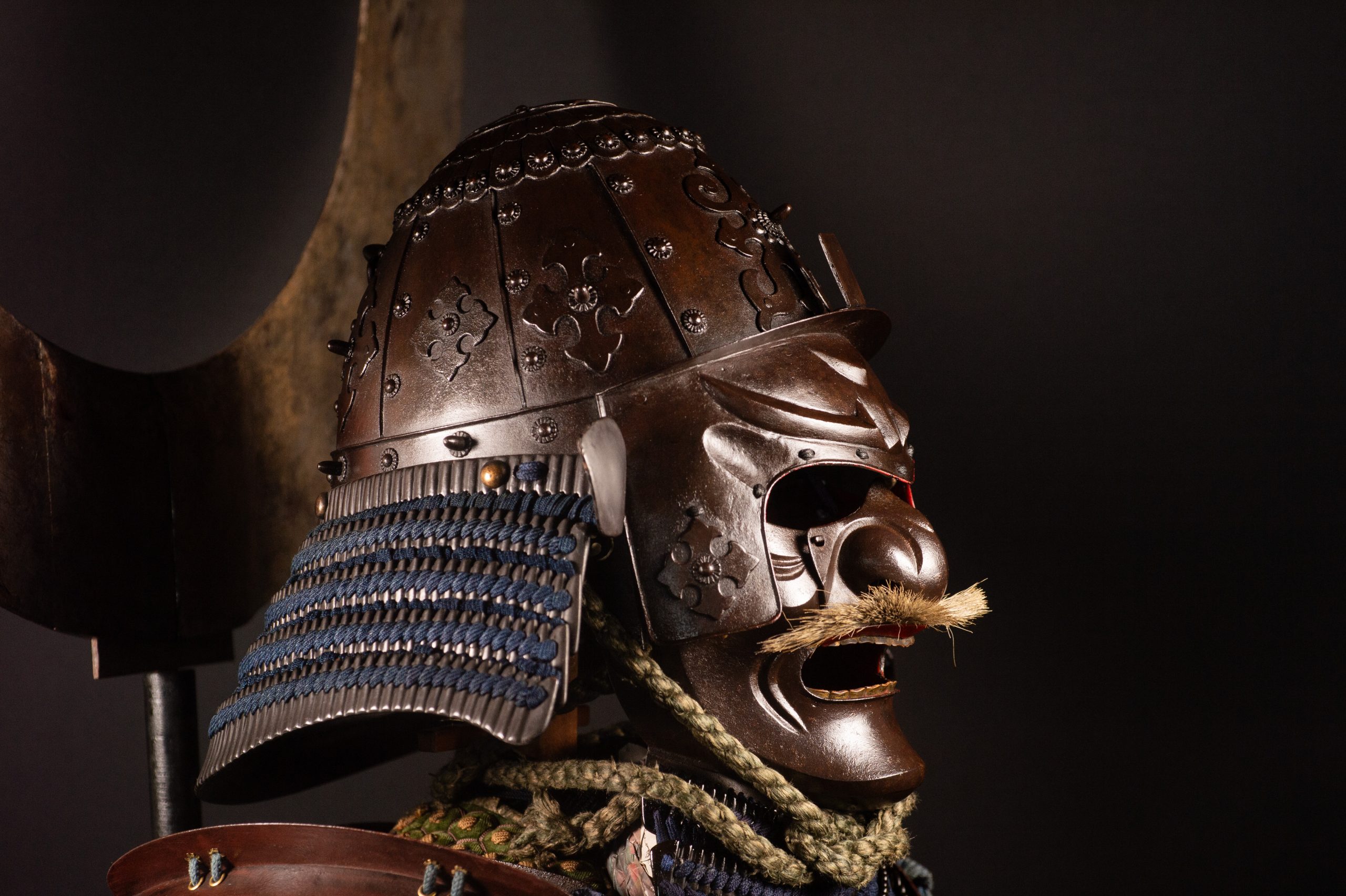
For many collectors of Japanese antiques, the terms yoroi and gusoku are often used interchangeably. While both refer to samurai armor, they do not have exactly the same meaning.
Understanding the distinction between these two terms is important not only for appreciating Japanese military history but also for identifying authentic antique armor correctly. Whether you are building a collection or purchasing your first set of samurai armor, knowing the difference between a yoroi and a gusoku will help you better understand what you are acquiring.
The Japanese word yoroi (鎧) is the general term for armor.
Historically, it refers to protective armor worn by samurai and other Japanese warriors across different periods of Japanese history.
Because it is a broad term, “yoroi” can describe many different styles of armor developed over the centuries.
Some of the best-known examples include:
In other words, yoroi simply means “armor” and may refer to many different historical styles.
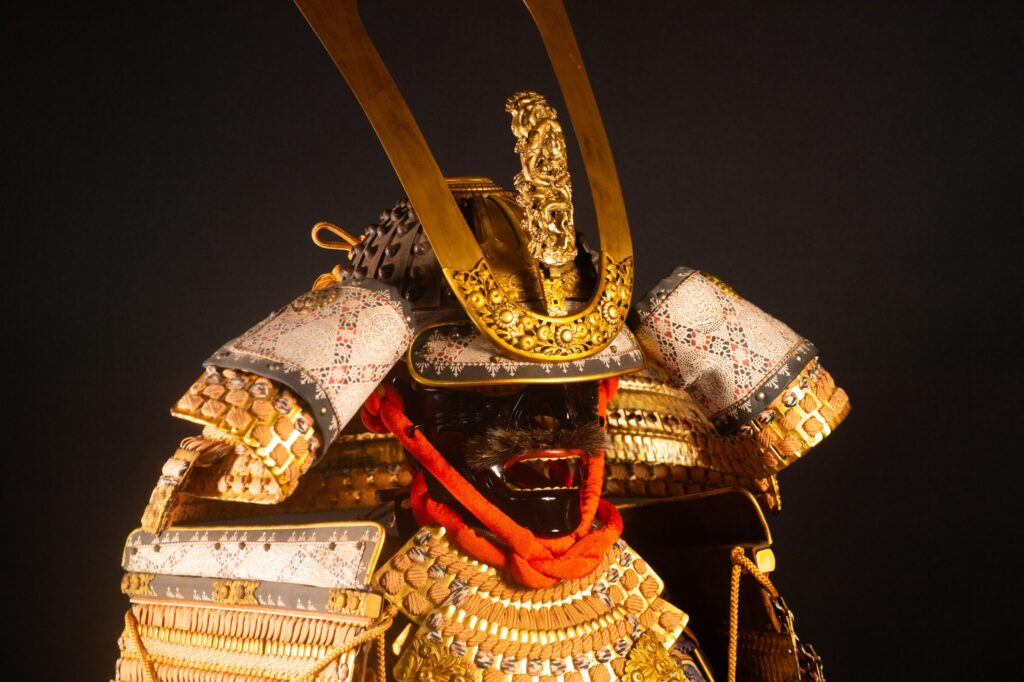
The word gusoku (具足) literally means “complete equipment” or “complete set.”
When referring to samurai armor, gusoku describes a complete suit of armor, including all of its individual components assembled as one functional ensemble.
Rather than identifying a specific style, the word emphasizes completeness.
A traditional gusoku typically includes:
When all of these elements remain together, they form a complete gusoku.
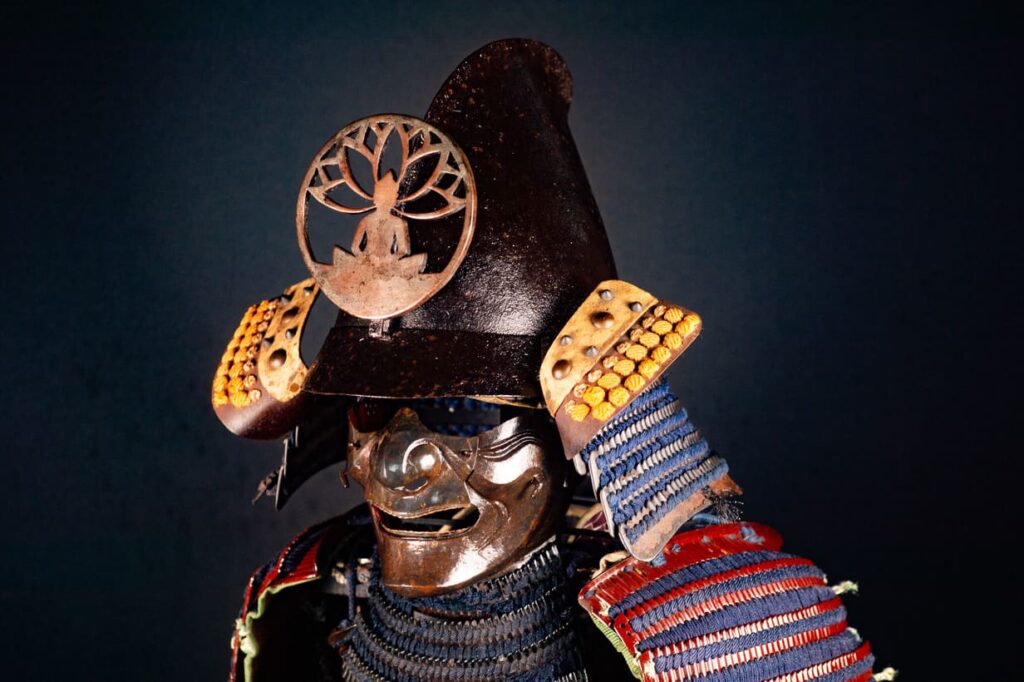
The confusion comes from the fact that many complete suits of armor are casually referred to as “yoroi.”
In reality, every gusoku is a form of yoroi, but not every yoroi is necessarily a complete gusoku.
For example:
This distinction is especially important in museums, auction houses, and specialist collections.
As Japanese warfare evolved, so did samurai armor.
During the Heian and Kamakura periods, mounted warriors commonly wore the impressive Ō-Yoroi, recognizable by its large shoulder guards and box-like construction.
As battlefield tactics changed and infantry combat became more common, lighter armor designs such as the Dō-Maru and Haramaki gained popularity because they allowed greater freedom of movement.
By the Sengoku period, armor had evolved into what is commonly known as Tōsei Gusoku (“modern armor”), incorporating stronger iron plates and improved protection against firearms introduced into Japan during the sixteenth century.
Many of the complete antique armor sets available today belong to this later tradition.
Complete original gusoku are significantly rarer than individual armor components.
Over the centuries, many suits became separated as helmets, masks, cuirasses, and other fittings were sold individually.
Finding a complete matching gusoku with all of its original elements intact is therefore considerably more difficult.
Collectors particularly value complete suits because they preserve the original appearance intended by the craftsmen who created them.
A complete gusoku also provides valuable historical context, allowing modern collectors to appreciate how every element functioned together.
Samurai armor was never designed solely for defense.
Master armorers devoted extraordinary attention to aesthetics as well as functionality.
High-quality armor often features:
Each complete gusoku reflects the combined work of multiple highly skilled craftsmen, making it as much a work of art as a piece of military equipment.
Technically, both are correct—but they describe different concepts.
If you are referring to Japanese armor in general, yoroi is the appropriate word.
If you are describing a complete, fully assembled suit of samurai armor, gusoku is the more precise term.
Understanding this distinction allows collectors to describe pieces more accurately and better appreciate the richness of Japanese military history.
At Supein Nihonto, we carefully source authentic antique Japanese samurai armor directly from Japan.
Whether you are searching for an individual yoroi component or a complete gusoku, every piece in our collection is selected for its authenticity, craftsmanship, historical significance, and preservation.
Each armor tells its own story, reflecting centuries of Japanese tradition and the remarkable artistry of the craftsmen who created it.
Explore our collection and discover authentic samurai armor that preserves the legacy of Japan’s warrior class.

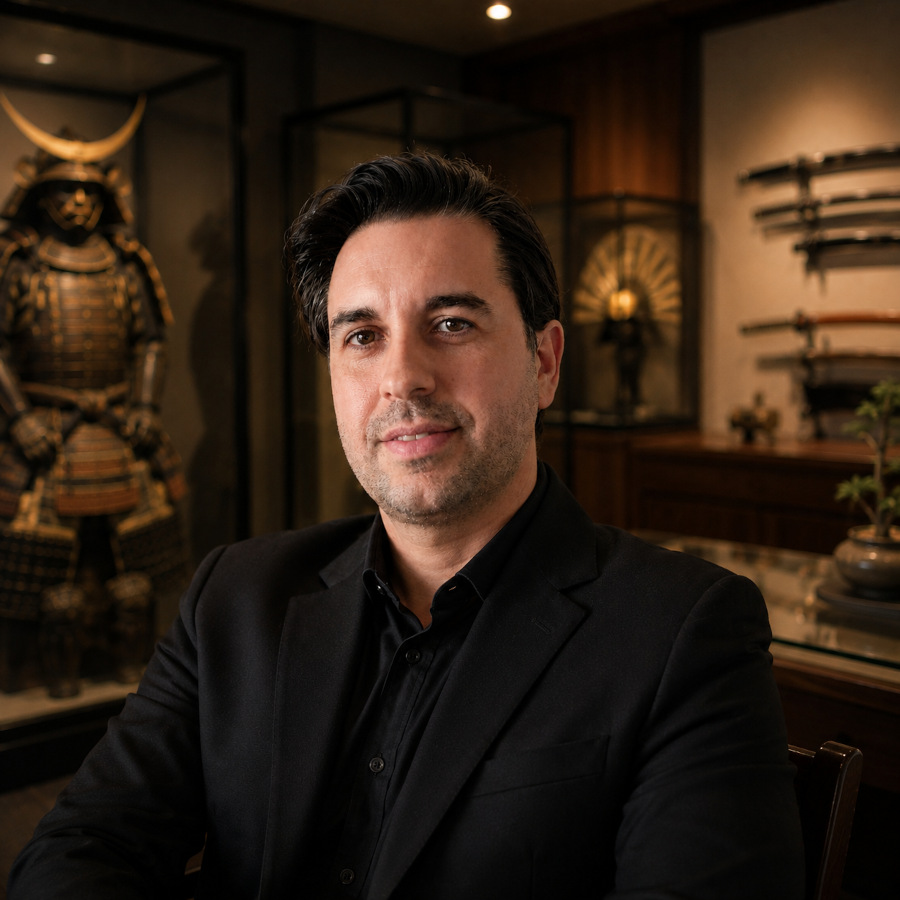
CEO of SupeinNihonto, dealer and collector of ancient Japanese art and weapons from Canillo, Andorra.