

Out of stock
Out of stock
Add to Compare
Add to Wishlist
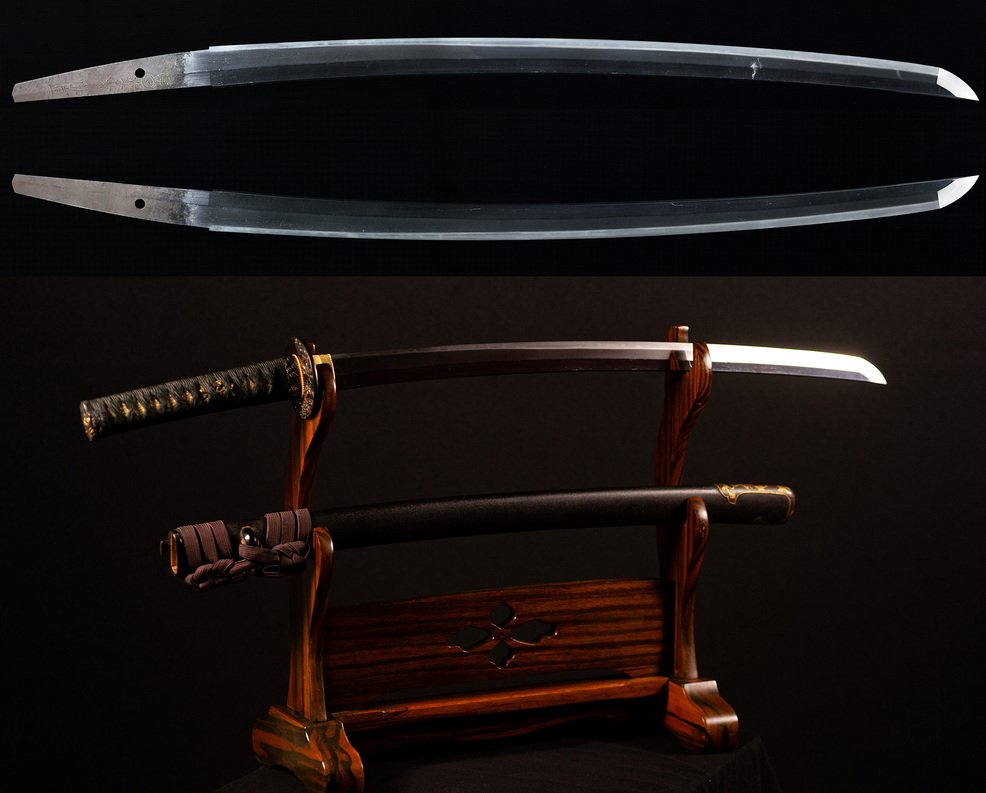
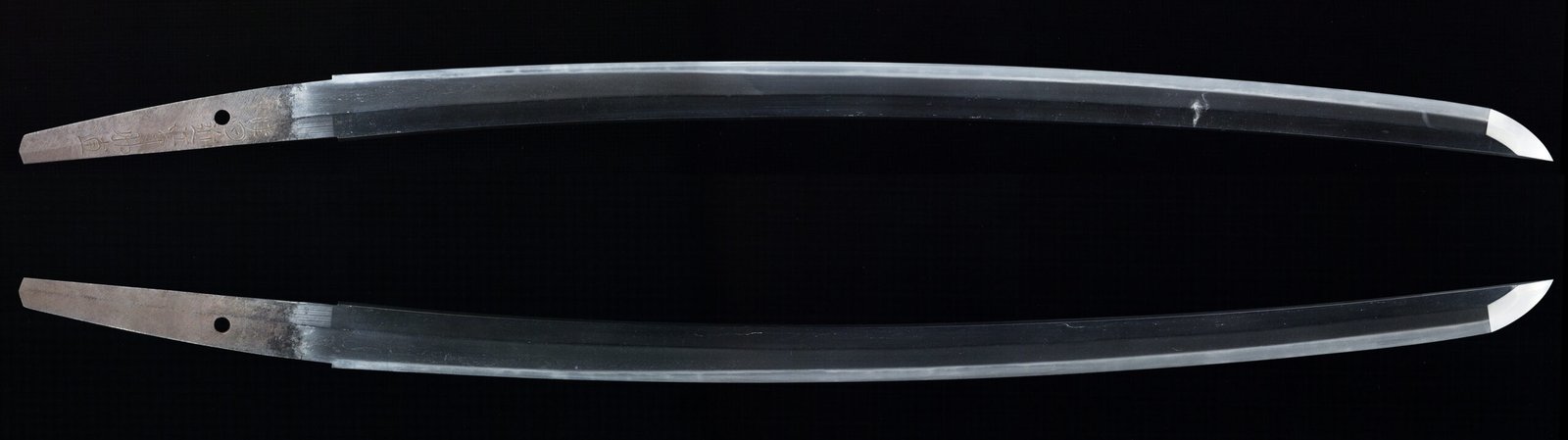
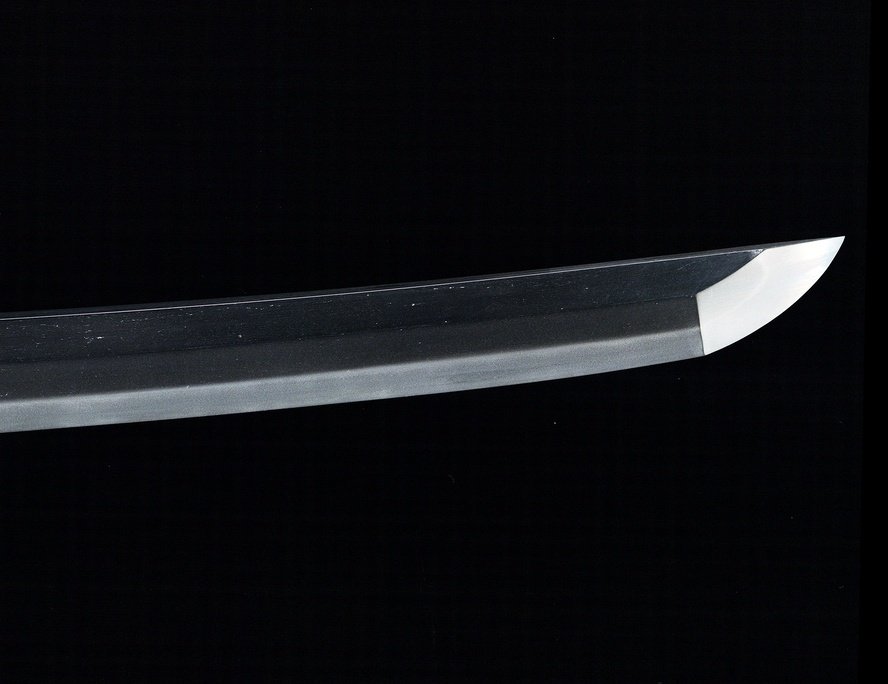
A highly attractive Japanese wakizashi signed 津田近江守助直 – Tsuda Ōmi no Kami Sukenao, a recognised Osaka shintō smith closely connected to one of the most celebrated swordmaking families of the Edo period. With a substantial registered nagasa of 57.8 cm, the blade stands at the upper limit of traditional wakizashi dimensions and possesses the strong visual presence of a short katana.
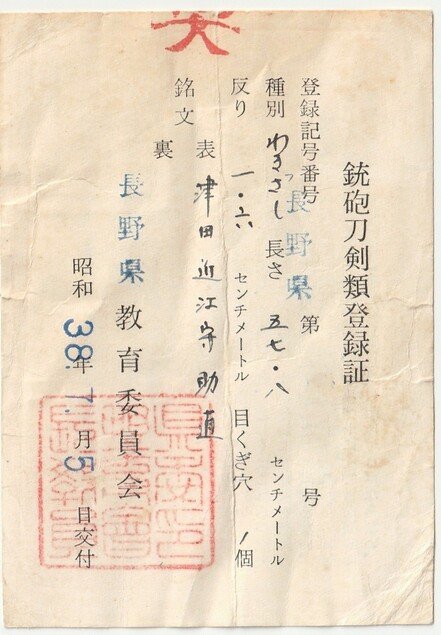
The sword is accompanied by its original Japanese Jūhō Tōken Rui Tōrokushō, issued by Nagano Prefecture on 5 July 1963, giving the piece more than six decades of documented registration history.
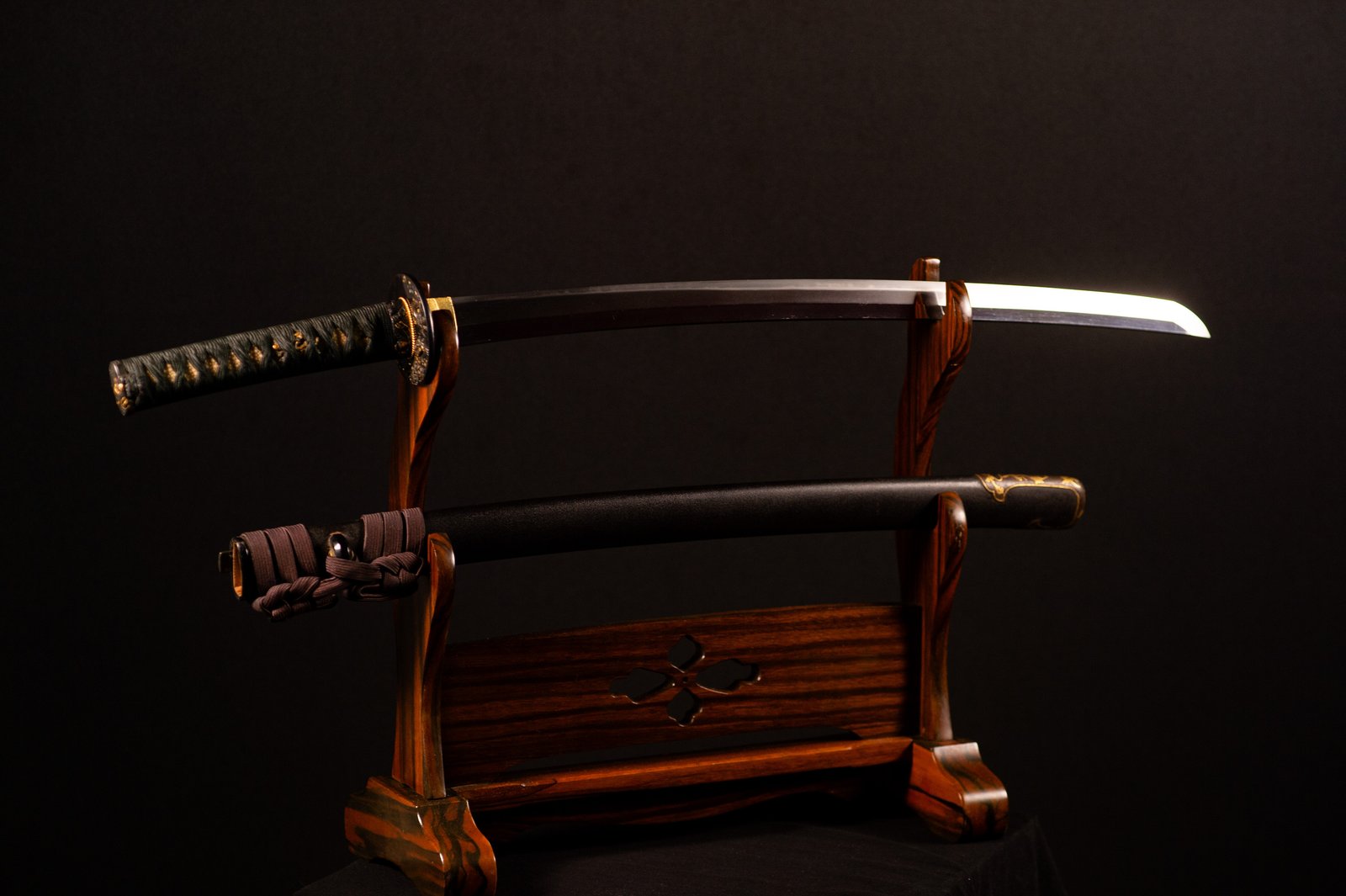
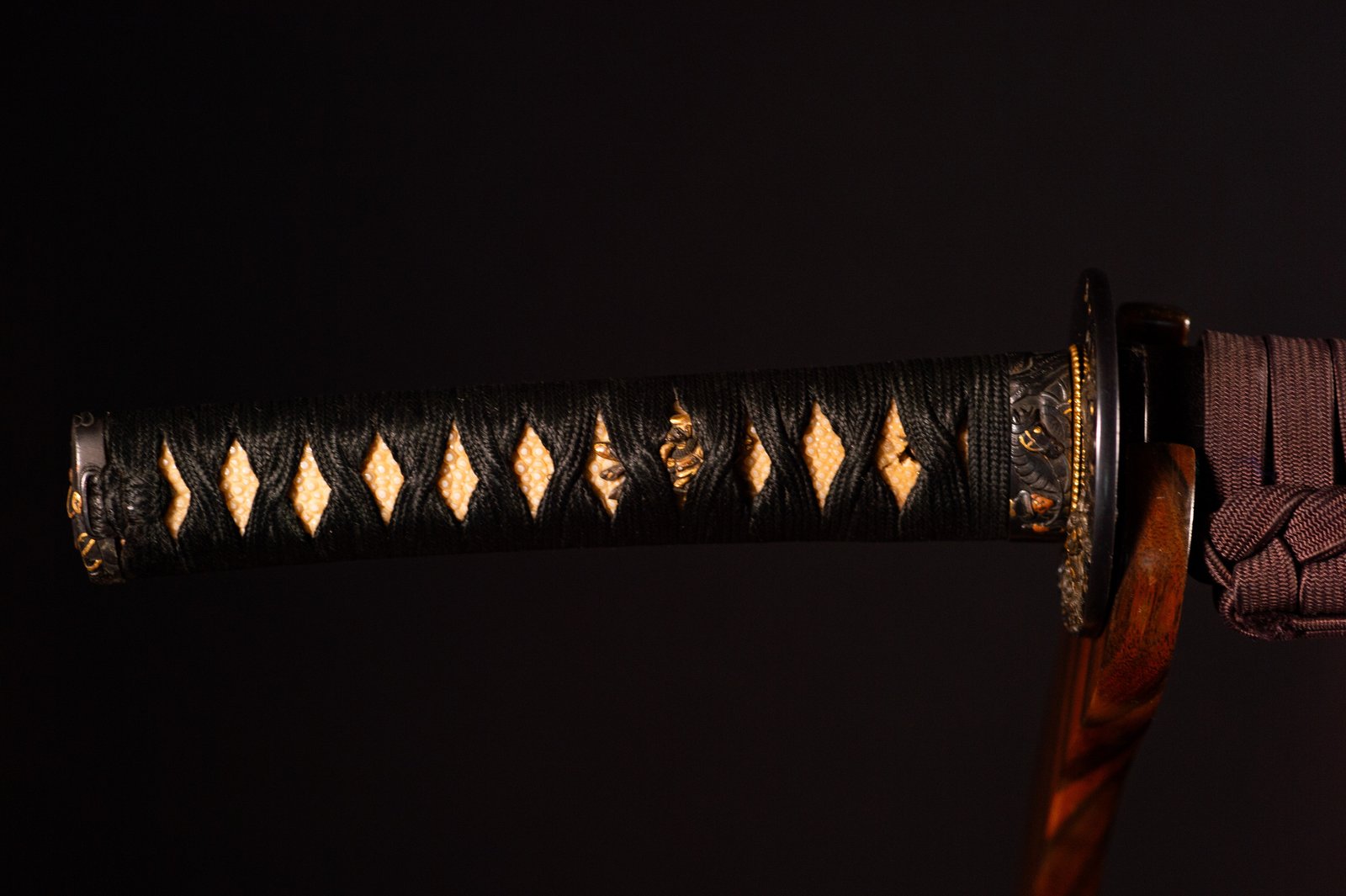
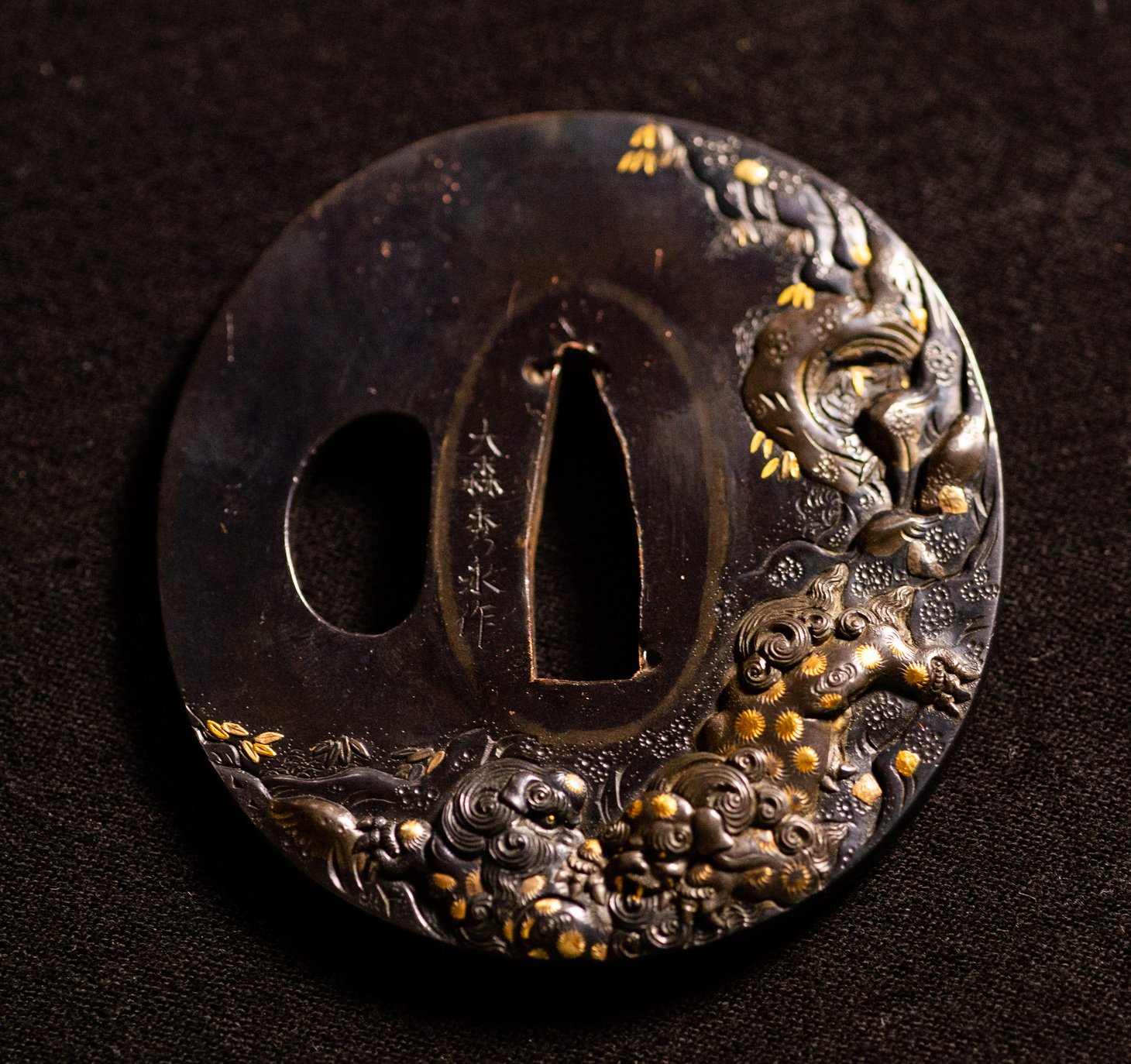
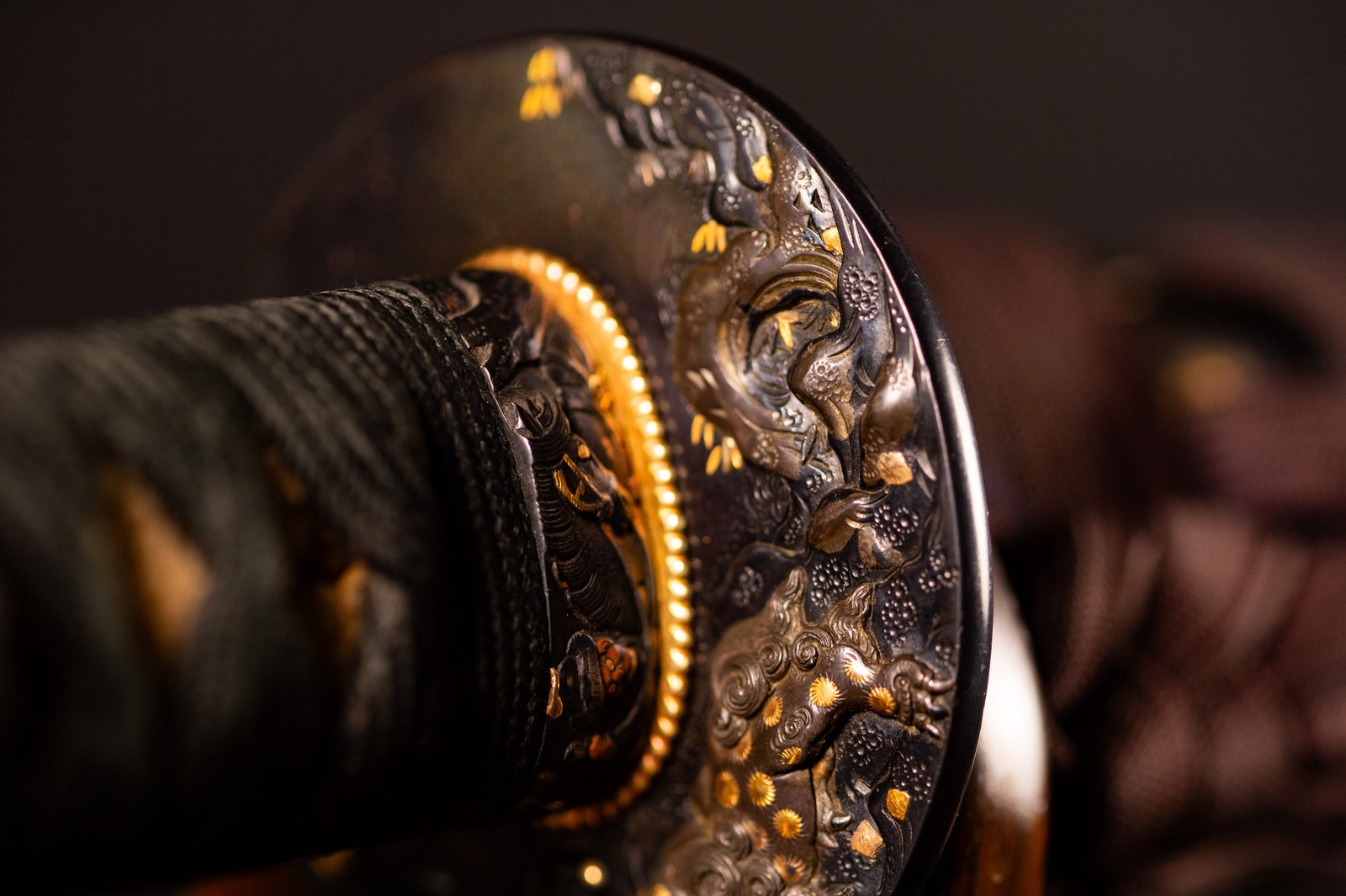
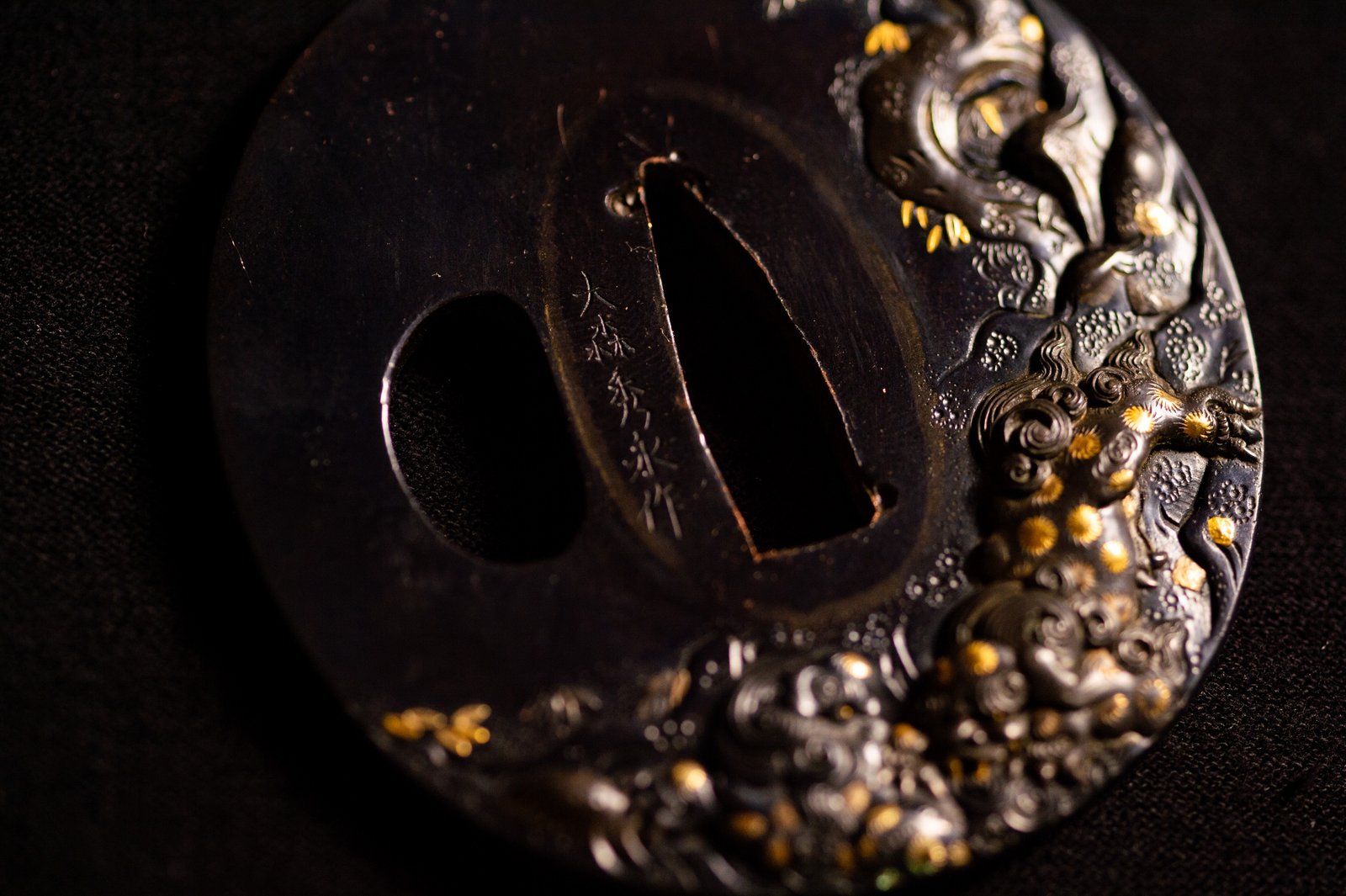
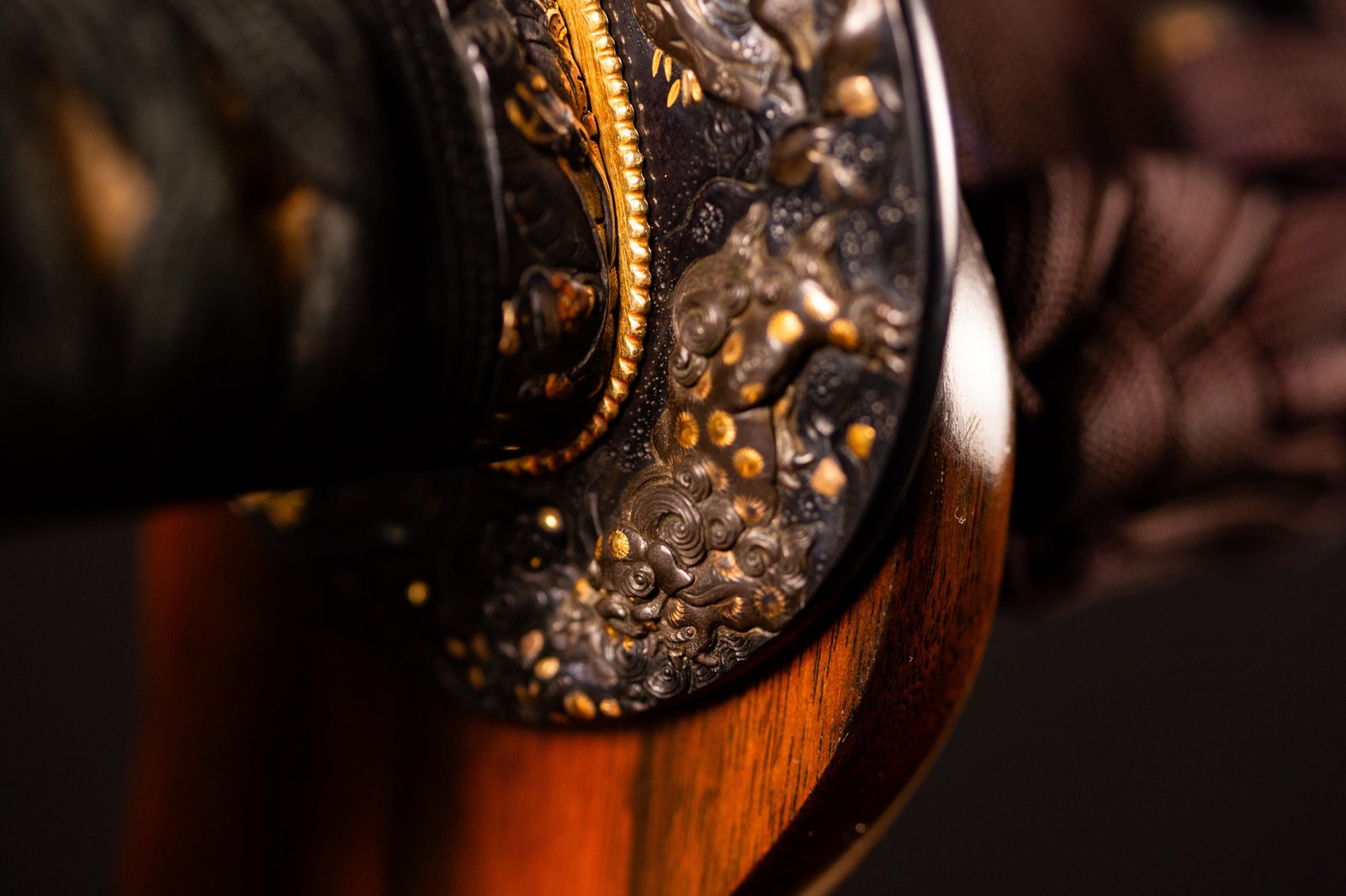
Its appeal is further strengthened by a complete and sophisticated koshirae incorporating fittings of notable quality, including a signed Ōmori 大森 tsuba, sculptural fuchi-kashira, richly decorated kozuka, samurai-themed menuki, black ito over warm-toned samegawa, a glossy black lacquer saya with gold makie detail, and a dark plum-brown sageo.
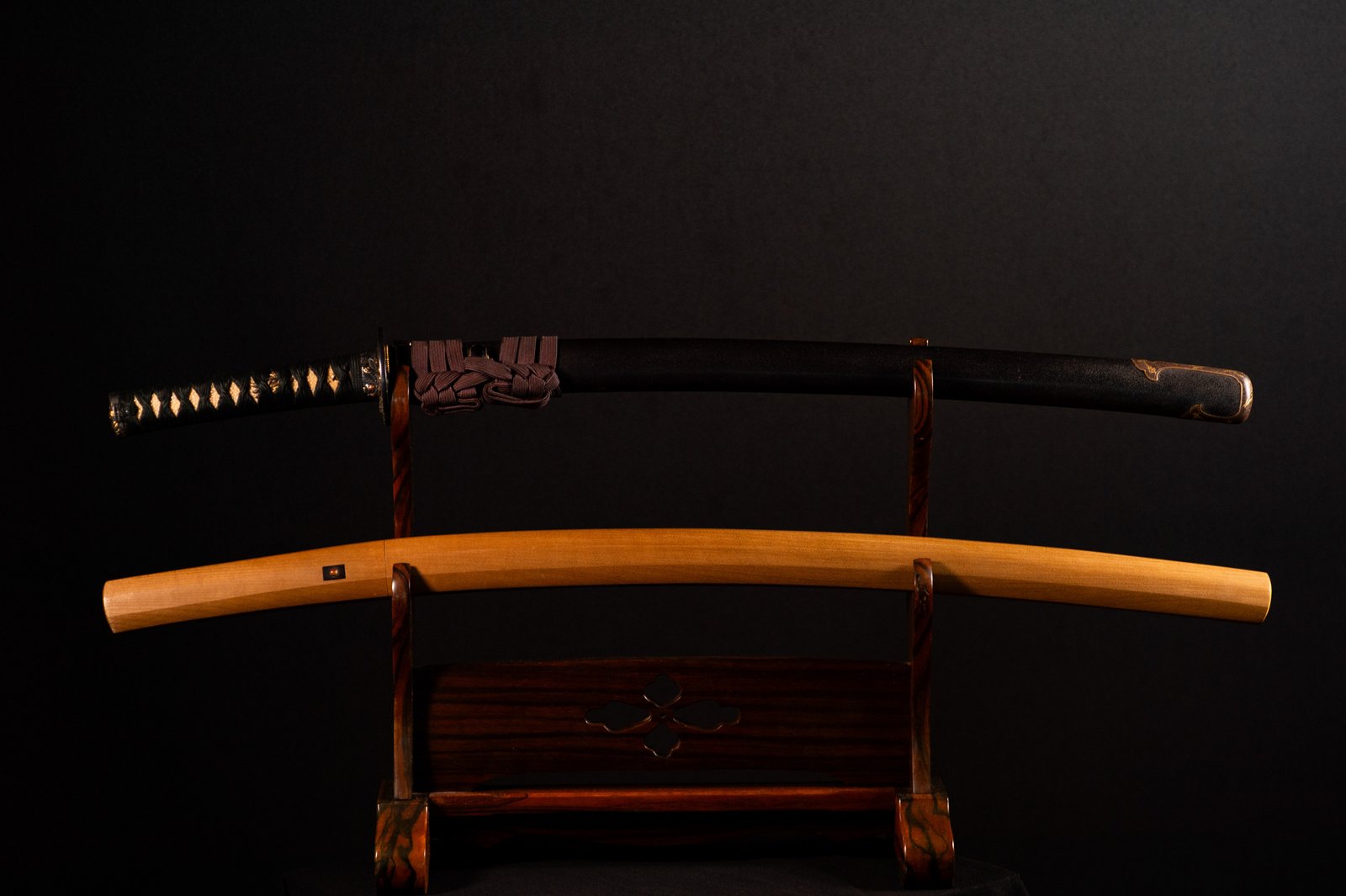
Also included is a natural-wood shirasaya for correct long-term preservation of the blade.
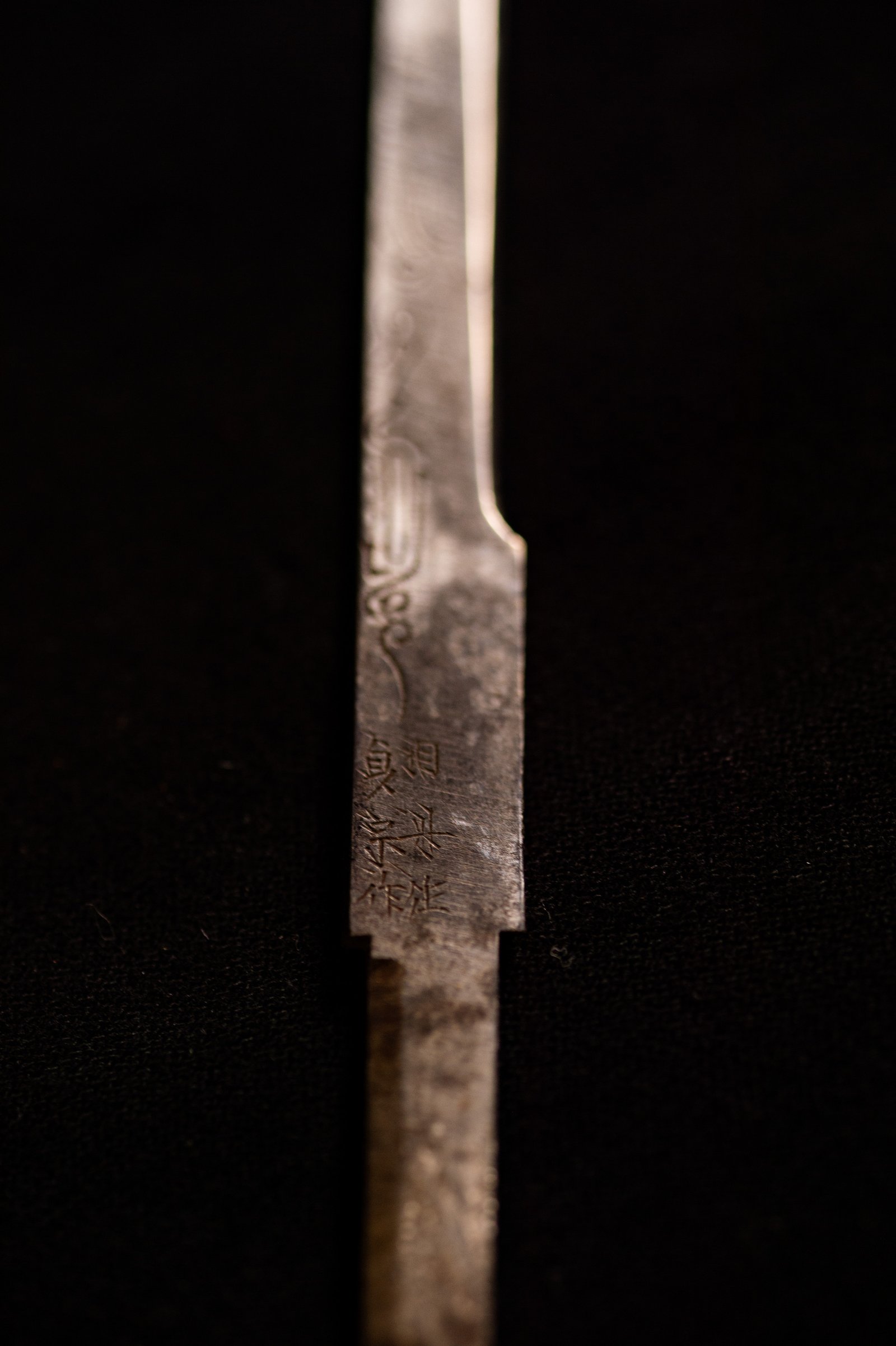
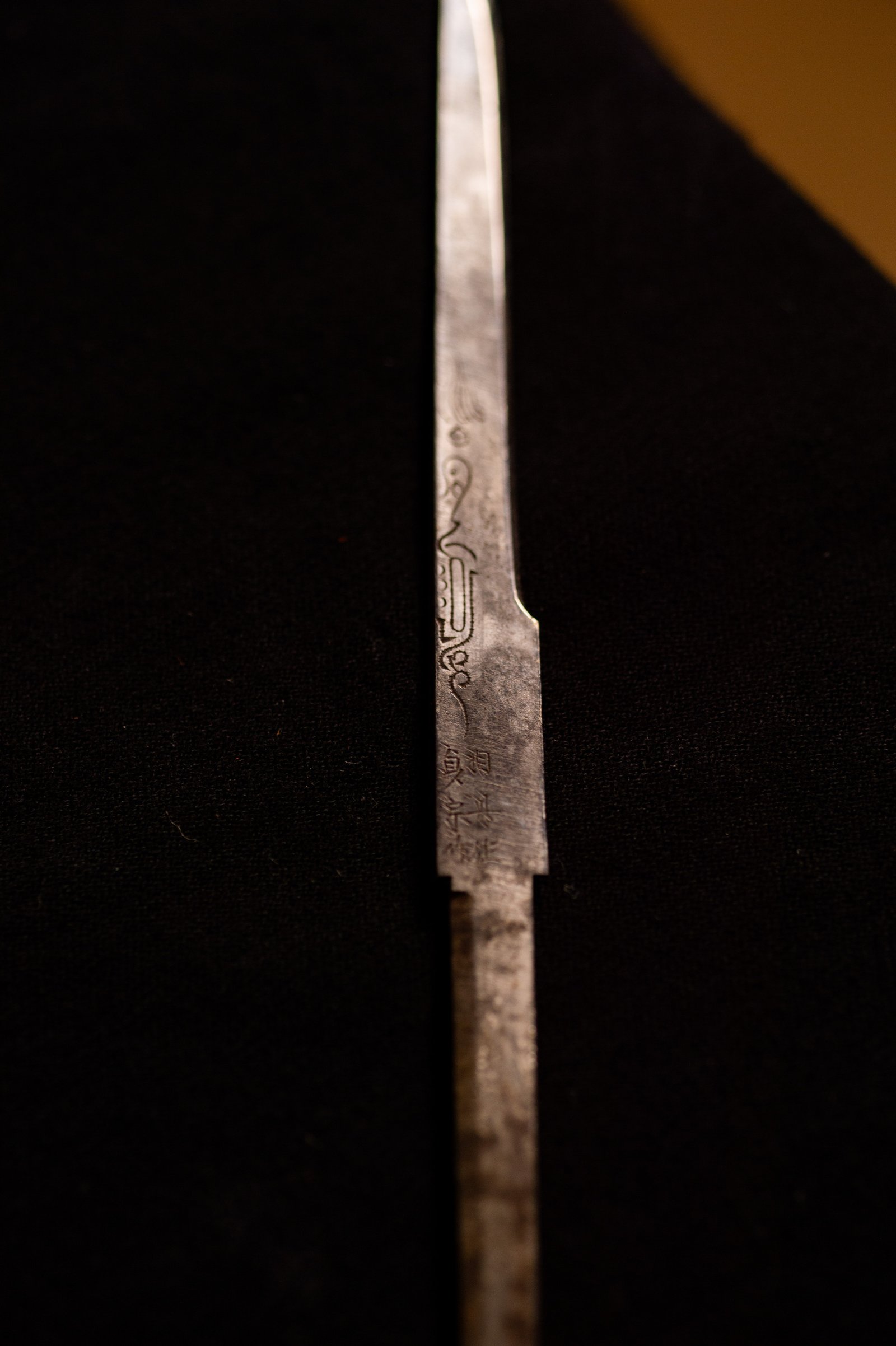
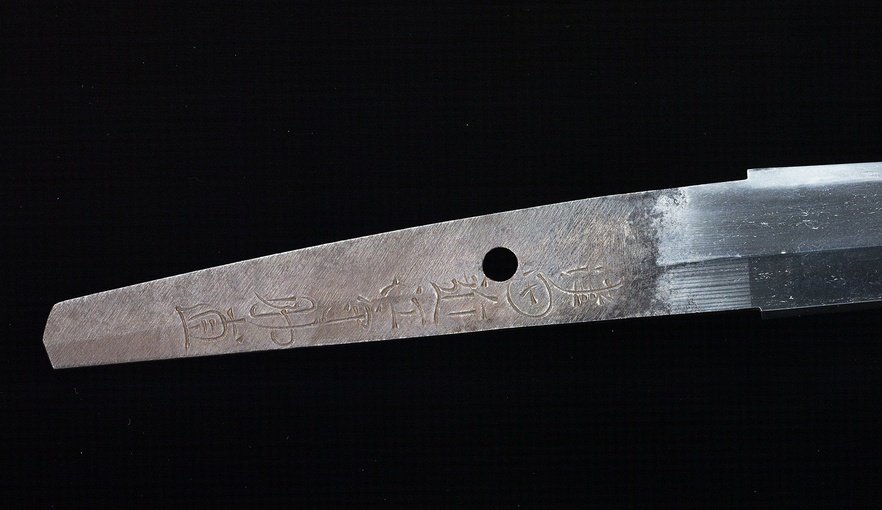
The blade bears the signature:
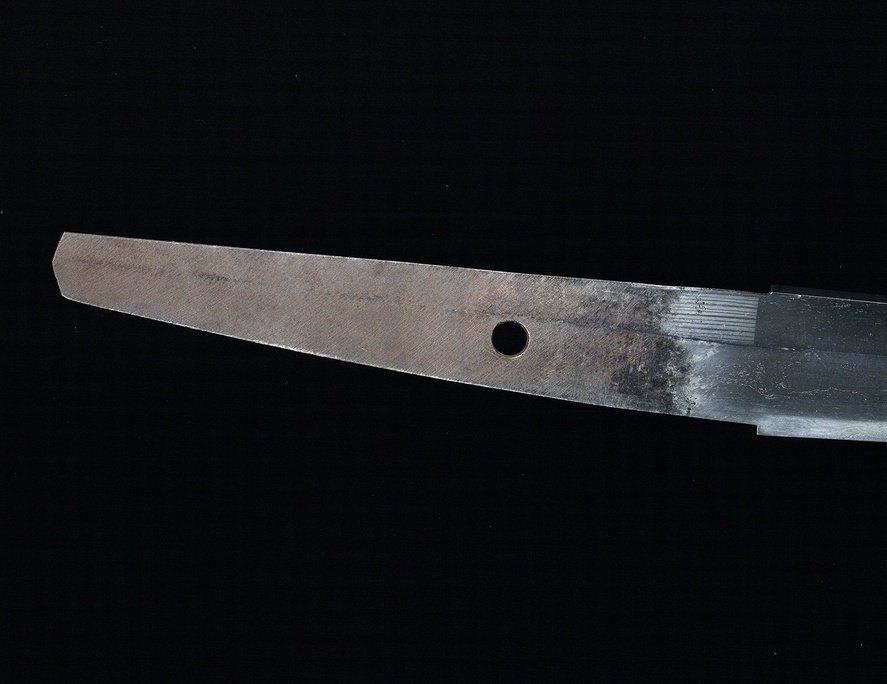
津田近江守助直
Tsuda Ōmi no Kami Sukenao
Sukenao belonged to the distinguished Osaka swordmaking world of the shintō period and was the brother-in-law of Tsuda Echizen no Kami Sukehiro.
Sukehiro is one of the most celebrated swordsmiths of the Edo period and is particularly famous for the development of the dramatic toranba, or “billowing wave”, temper pattern.
Within Japanese sword scholarship, Sukehiro is consistently regarded among the greatest representatives of shintō swordmaking, frequently discussed alongside Nagasone Kotetsu as one of the towering masters of the period.
Sukenao’s close familial connection to this circle places his work within one of the most prestigious environments of Osaka sword production.
Japanese sources cited in the accompanying documentation describe Sukenao himself as a meikō, a recognised master smith, rather than merely a peripheral member of the Sukehiro family circle.
The present blade belongs to the broader tradition of Osaka Shintō, one of the most refined schools of swordmaking to emerge during the Edo period.
As political stability increased after the warfare of the preceding centuries, swordmaking gradually developed beyond purely battlefield requirements.
Osaka became an important centre for highly controlled forging, refined surface steel and sophisticated temper patterns, with smiths working for an increasingly discerning samurai clientele.
The Tsuda family occupied an important position within this environment.
The technical and artistic achievements of Sukehiro and the smiths connected to his circle helped define the visual identity of Osaka shintō, particularly through increasingly expressive and carefully controlled hamon.
The present Sukenao blade should be understood within this highly accomplished regional tradition.
According to its Japanese registration, the blade has a nagasa of 57.8 cm.
This dimension places it at the upper boundary of the traditional wakizashi category, giving the sword a notably elongated and imposing profile.
At this length, the piece occupies a particularly attractive position for collectors: technically a wakizashi, yet with dimensions and visual presence approaching those of a shorter katana.
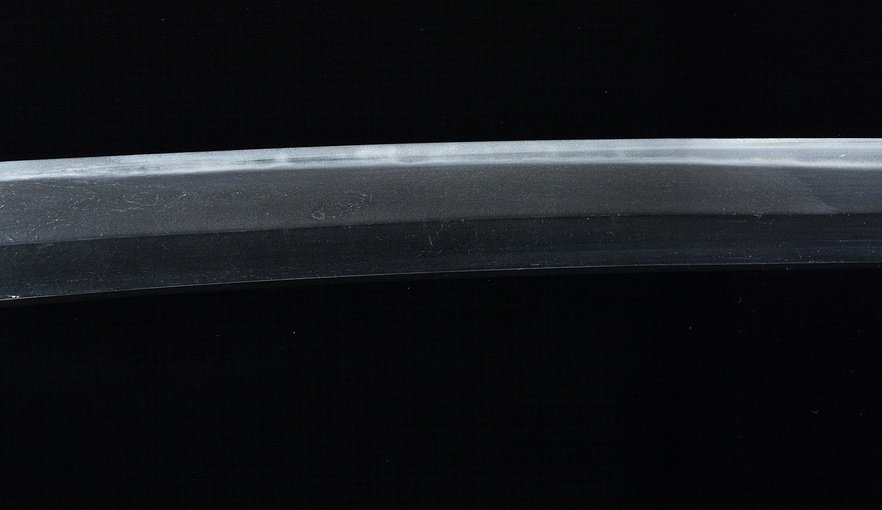
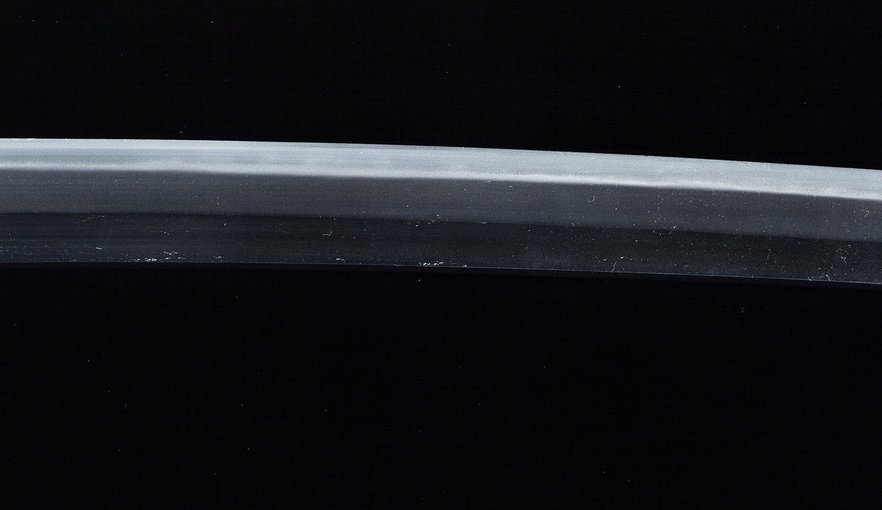
The blade has a registered sori of 1.6 cm, creating a restrained but clearly visible curvature.
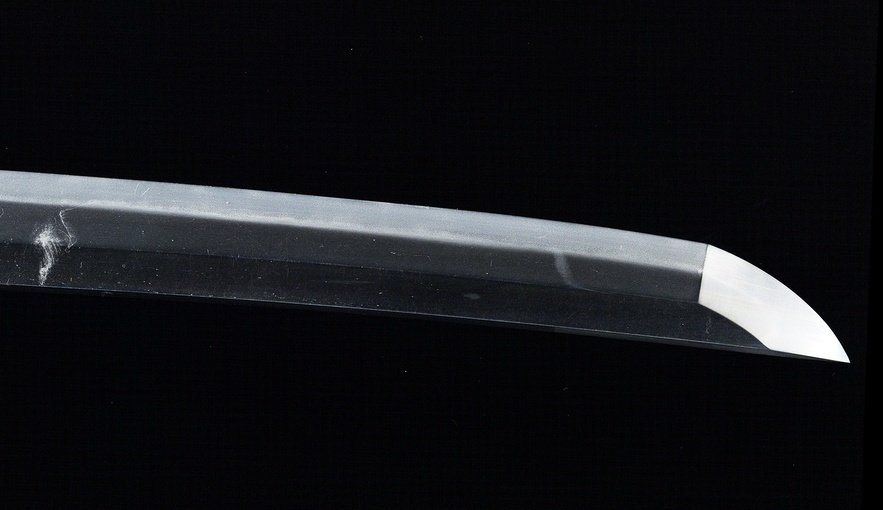
Its overall profile is elegant and balanced, combining substantial length with the controlled proportions associated with Edo-period Japanese swordmaking.
With a blade length of 57.8 cm, this sword falls just below the traditional 2-shaku threshold generally associated with katana classification.
For that reason, it is correctly described as a wakizashi.
However, its exceptional length places it very close to the boundary between the two categories.
Visually and physically, the sword therefore possesses much of the presence of a short katana while retaining the historical classification of wakizashi.
This makes it an especially attractive format for collectors who appreciate more substantial wakizashi blades.
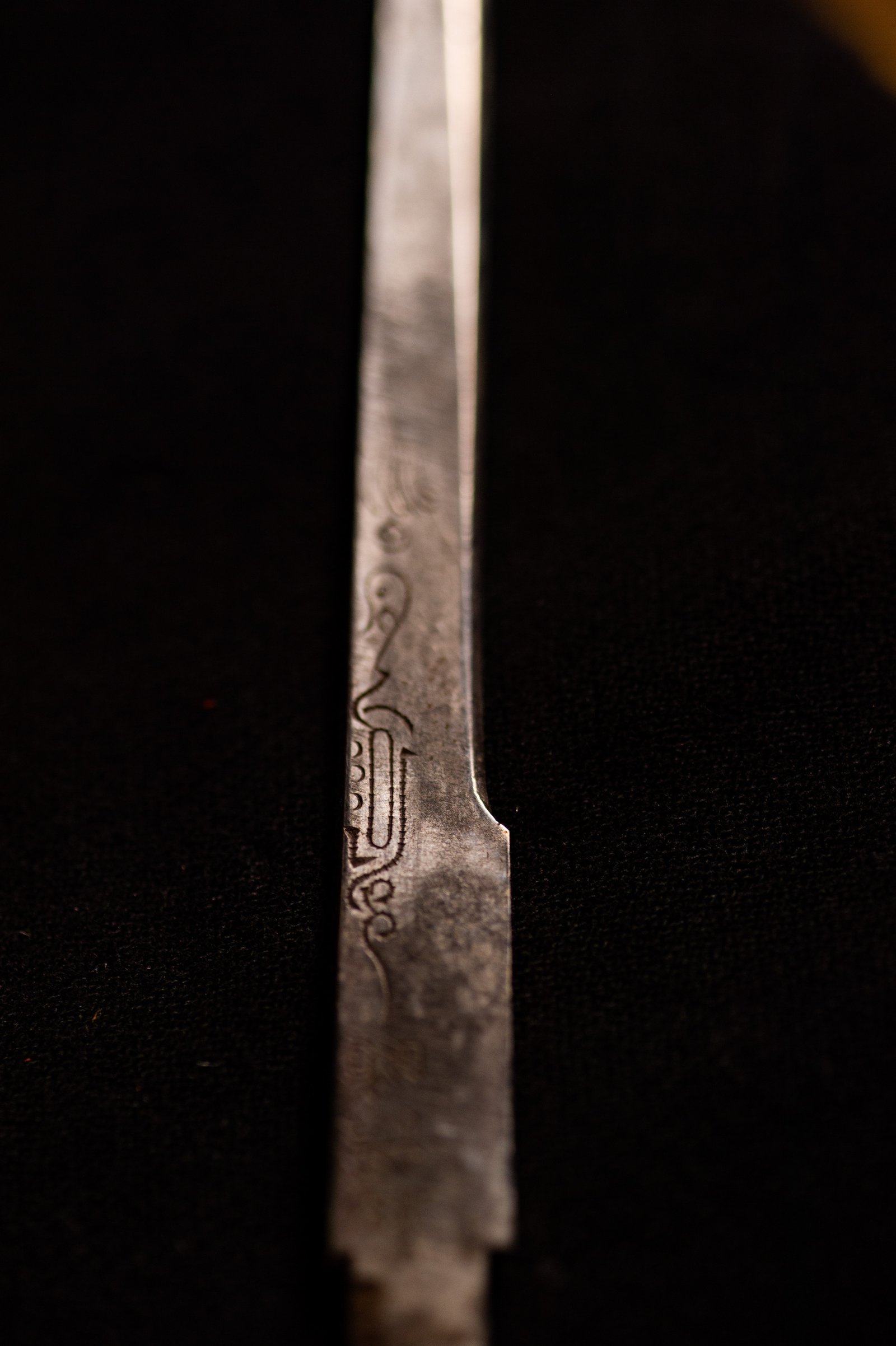
The nakago preserves the signature of the smith and presents a naturally aged surface consistent with an antique Japanese blade.
The registration records one mekugi-ana.
The presence of a single mounting hole gives the tang a particularly clean and coherent appearance.
The signed nakago is one of the most important historical components of the piece and should be preserved in its existing condition without cleaning or alteration.
Its patina forms an essential part of the sword’s material history.
The sword is accompanied by a complete traditional koshirae of considerable decorative interest.
The mounting combines dark metal, black lacquer, gold highlights and subtle textile accents to create an elegant and sophisticated composition.
Rather than relying on a single decorative theme, the fittings incorporate a rich range of Japanese motifs including animals, samurai figures, botanical elements and auspicious imagery.
The result is a mounting with considerable independent artistic value in addition to its function as the historical presentation of the blade.
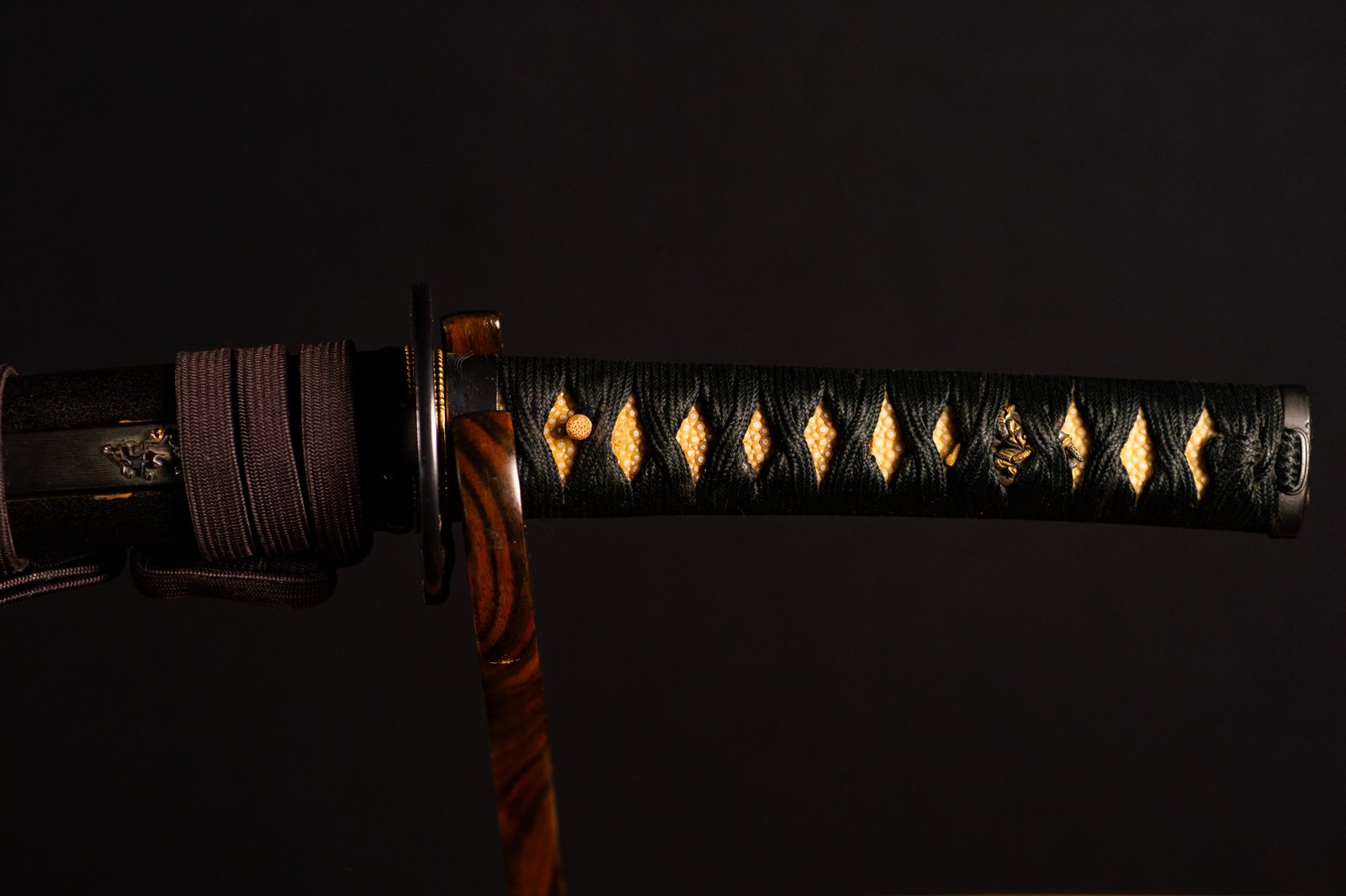
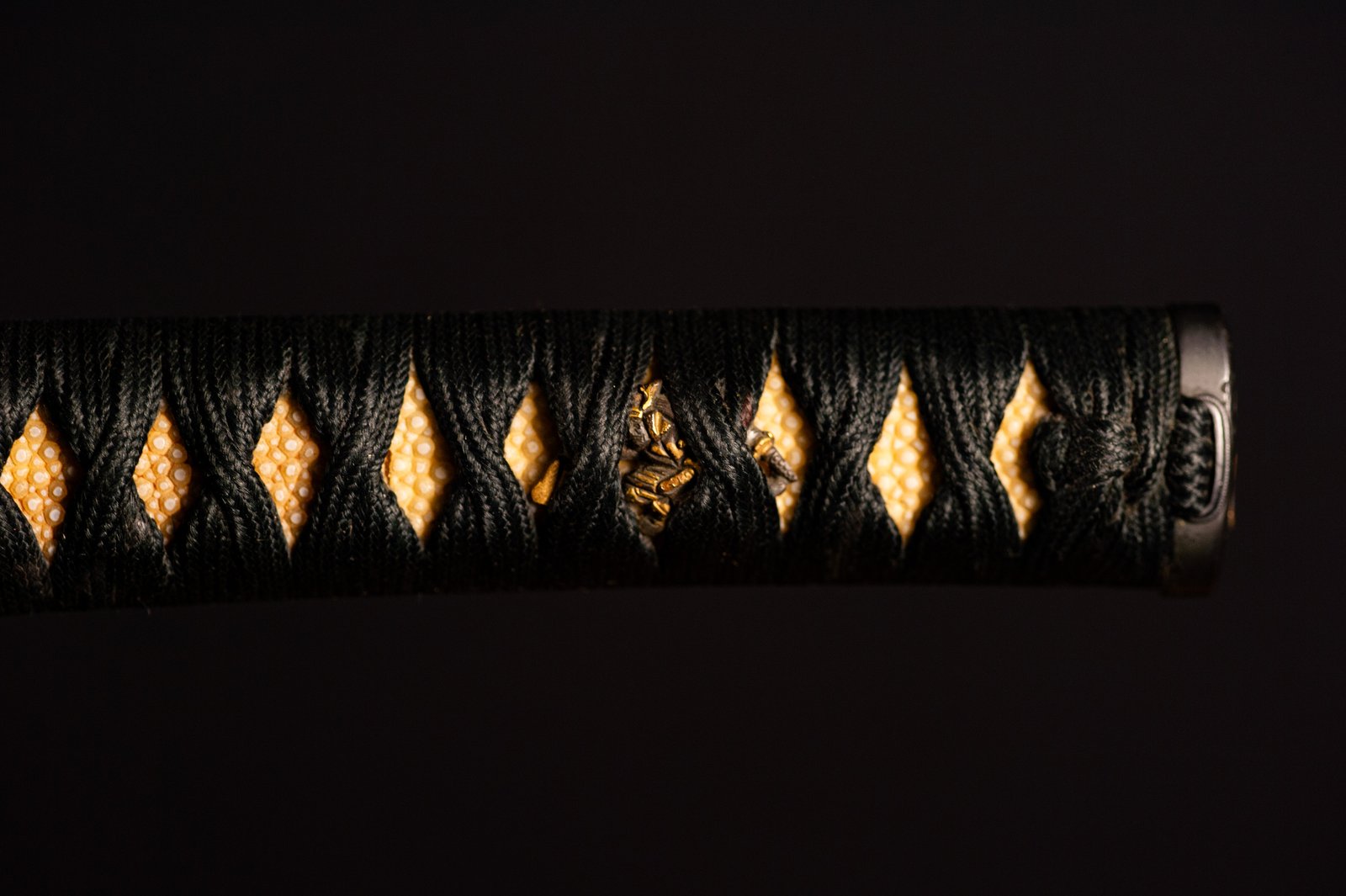
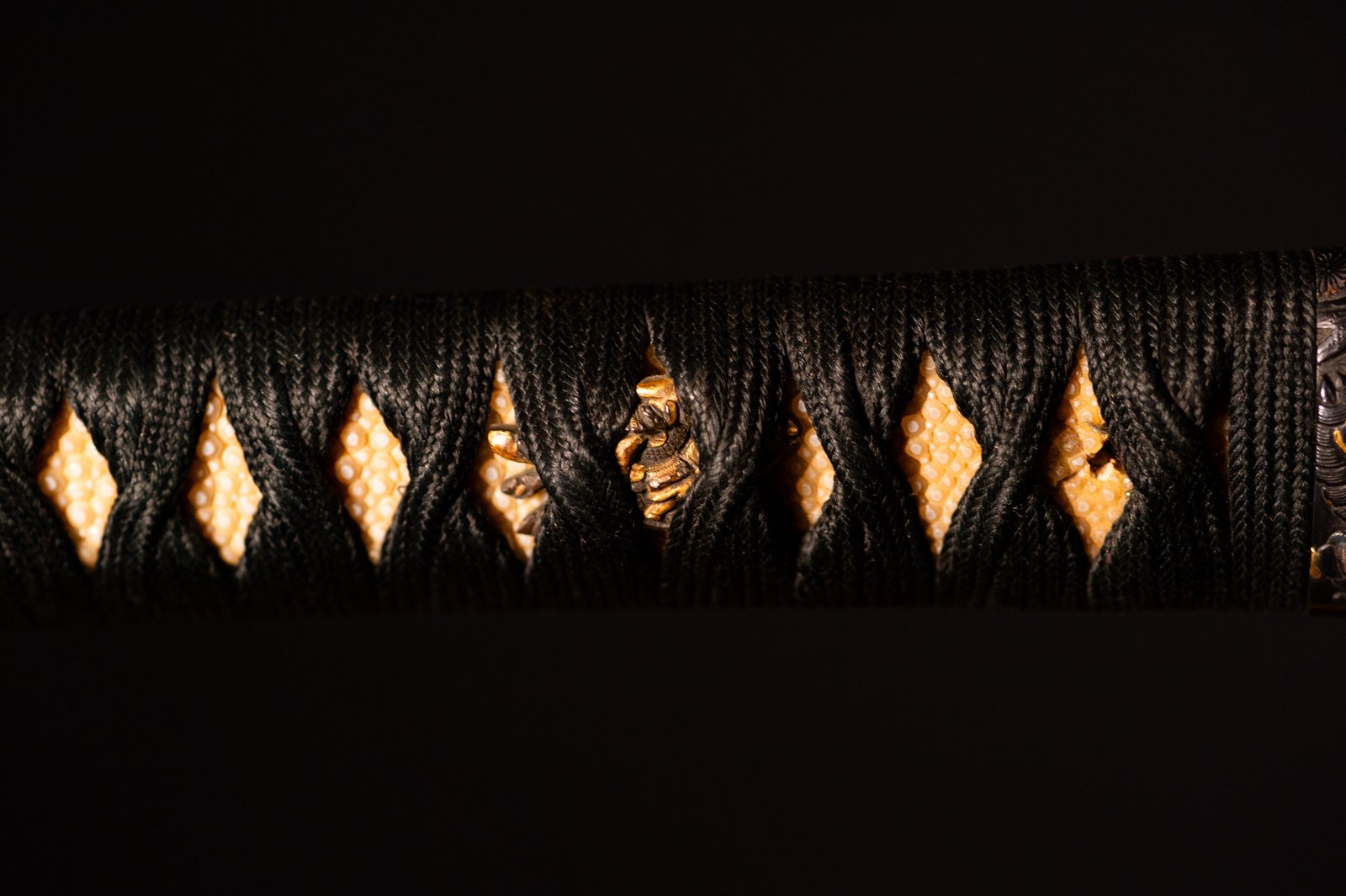
The tsuka is wrapped in black ito over warm gold-tan samegawa.
The contrast between the dark wrapping and the lighter ray skin creates a particularly refined appearance.
The traditional diamond-shaped openings reveal the samegawa beneath and allow the decorative menuki to emerge visually through the wrapping.
The overall condition of the handle remains attractive and coherent with the rest of the mounting.
The menuki depict samurai figures.
Their small sculptural forms are visible through the openings of the black tsuka-ito, providing subtle but highly characteristic points of decoration along the handle.
The use of samurai imagery reinforces the martial character of the mounting and directly references the warrior class for whom such swords were historically intended.
The restrained placement of the figures ensures that they enrich the handle without visually overwhelming the overall composition.
One of the most important elements of the koshirae is the signed tsuba bearing the name:
大森 – Ōmori
The Ōmori school is recognised within Japanese kinkō work for sophisticated decorative metalwork, particularly in shakudō, finely worked surfaces and dynamic compositions.
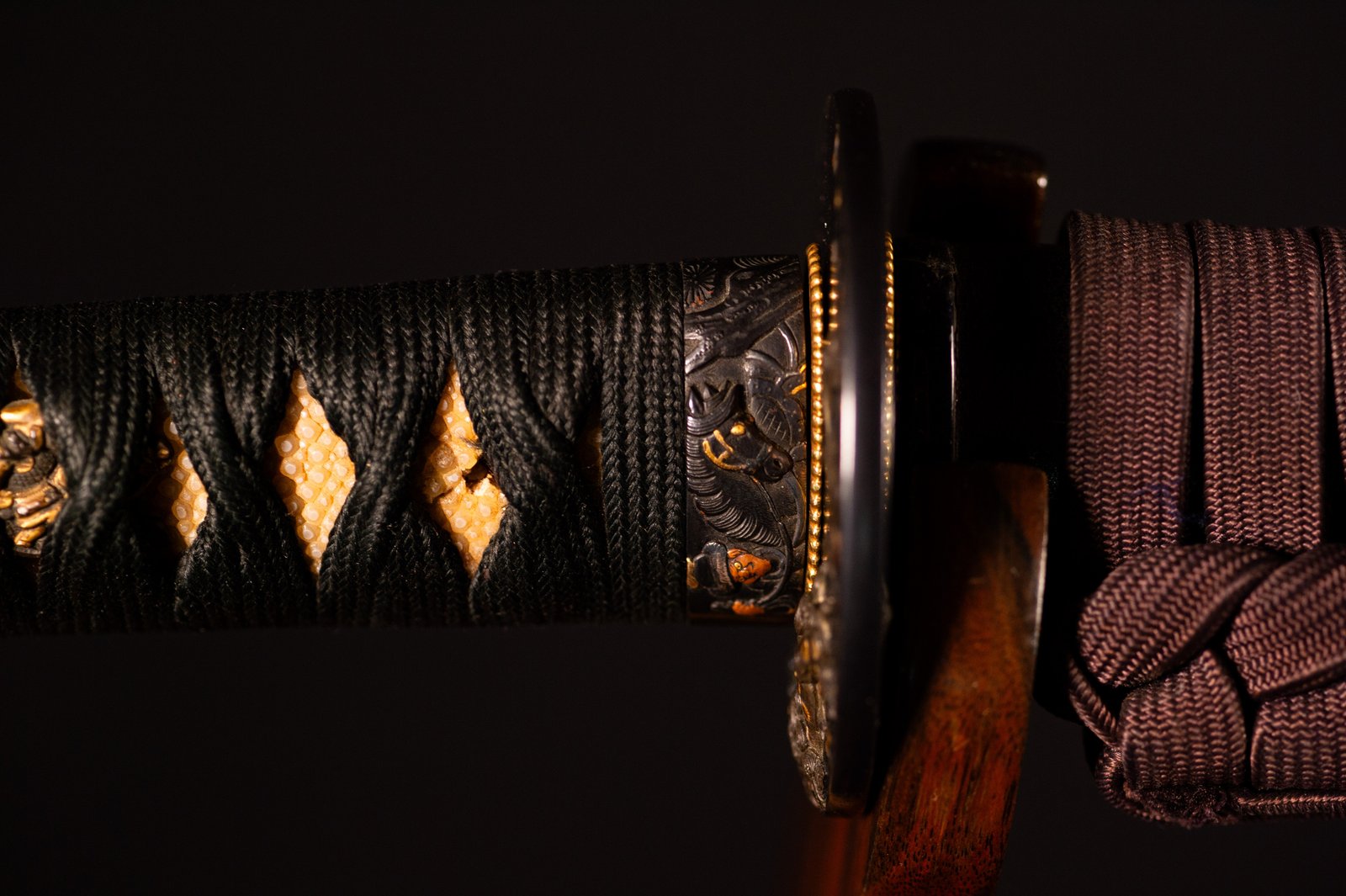
The guard displays a richly sculpted scene incorporating guardian-lion and natural motifs, with carefully applied gold accents creating contrast against the dark metal ground.
The quality of the relief gives the figures substantial depth and movement.
The presence of a signed tsuba is particularly important because the fitting possesses its own artistic identity independently from the blade.
This transforms the sword from a strong signed blade with a decorative mounting into an ensemble containing more than one individually attributable component.
The Ōmori name is associated with refined Japanese metalwork and is particularly recognised for decorative compositions combining dark shakudō surfaces with finely modelled relief and gold highlights.
Works associated with this tradition frequently display exceptional control of depth, texture and movement.
Dragon imagery, clouds, waves and natural forms are among the decorative subjects historically associated with sophisticated kinkō production.
The signed guard accompanying the present sword therefore adds a meaningful second layer of collectability to the ensemble.
The blade and tsuba should be appreciated as separate artistic objects that together form a highly attractive complete mounting.
The fuchi is executed in dark metal and decorated with a rearing horse in relief enhanced with gilt detailing.
The raised animal figure gives the fitting strong sculptural character.
The horse has deep associations with the samurai class and mounted warfare and therefore represents an especially appropriate subject for sword furniture.
The contrast between the dark surface and the warmer metallic highlights allows the details of the animal to emerge without disrupting the restrained colour palette of the handle.
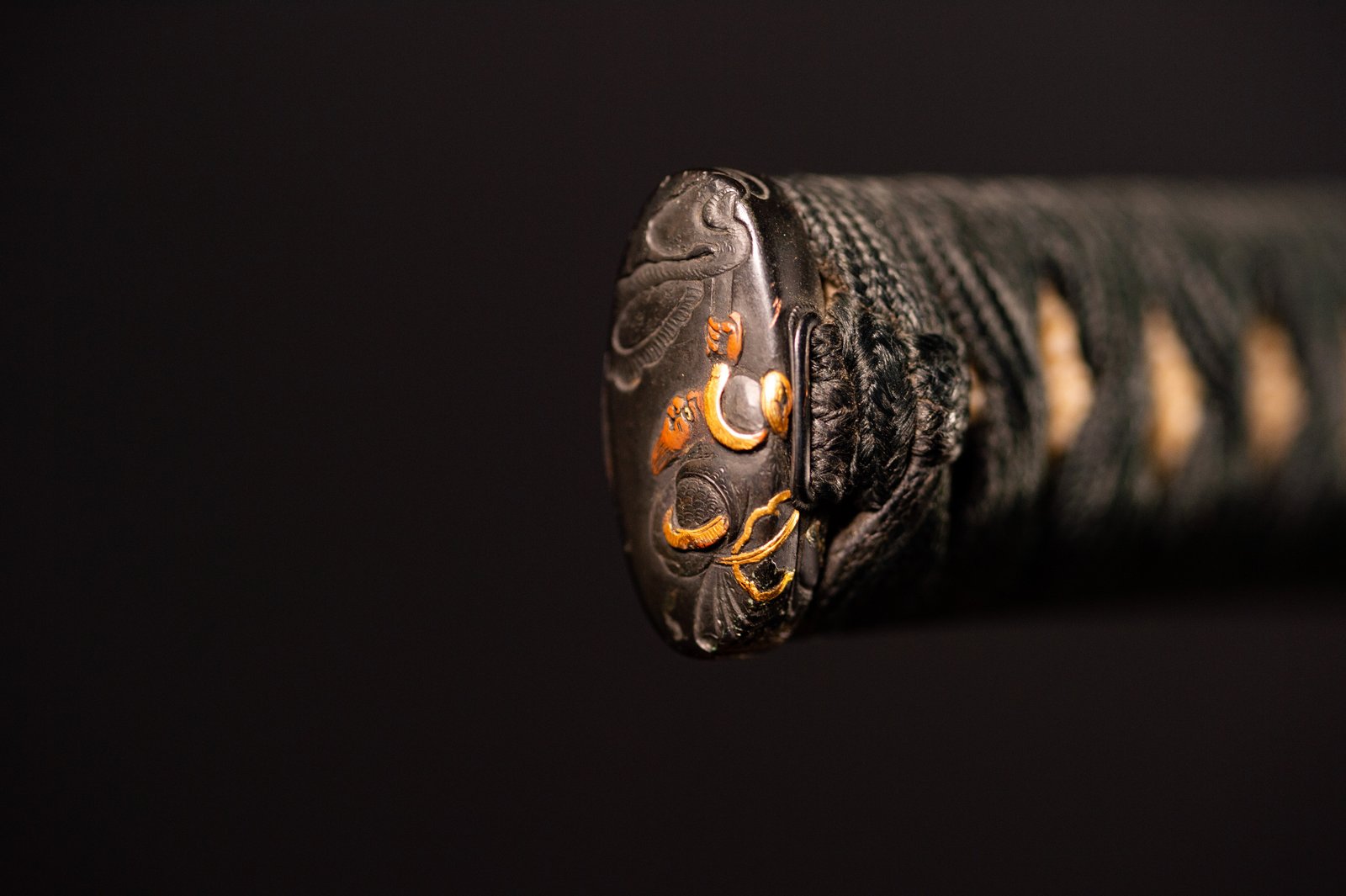
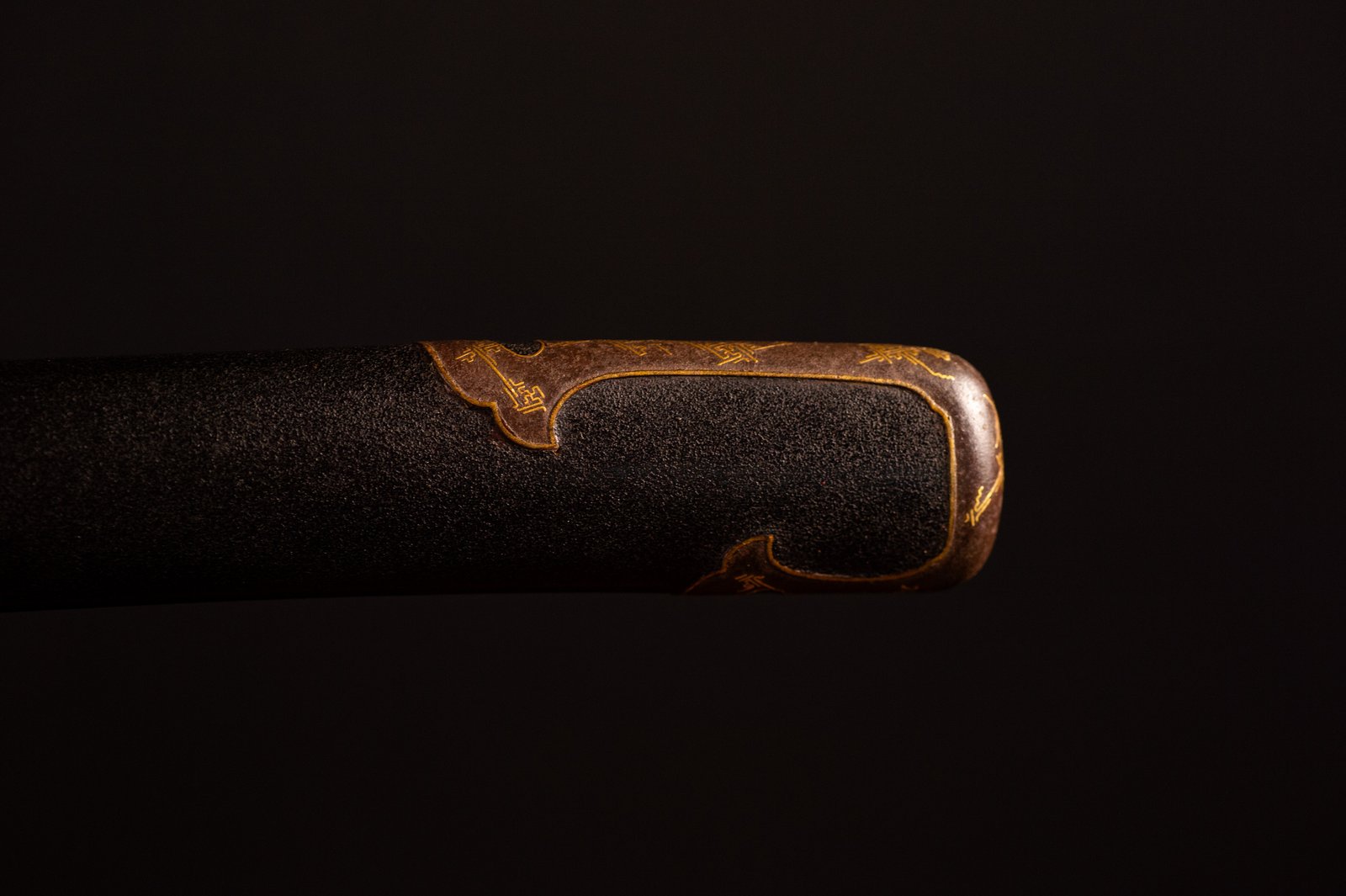
The matching kashira continues the dark-metal and gold decorative vocabulary.
Its surface incorporates scrolling foliate motifs highlighted in gold.
The flowing vegetal decoration provides an elegant counterpoint to the more explicitly martial imagery elsewhere on the mounting.
Together, the fuchi and kashira create a visually balanced pair that frames the handle and contributes to the refined overall character of the koshirae.
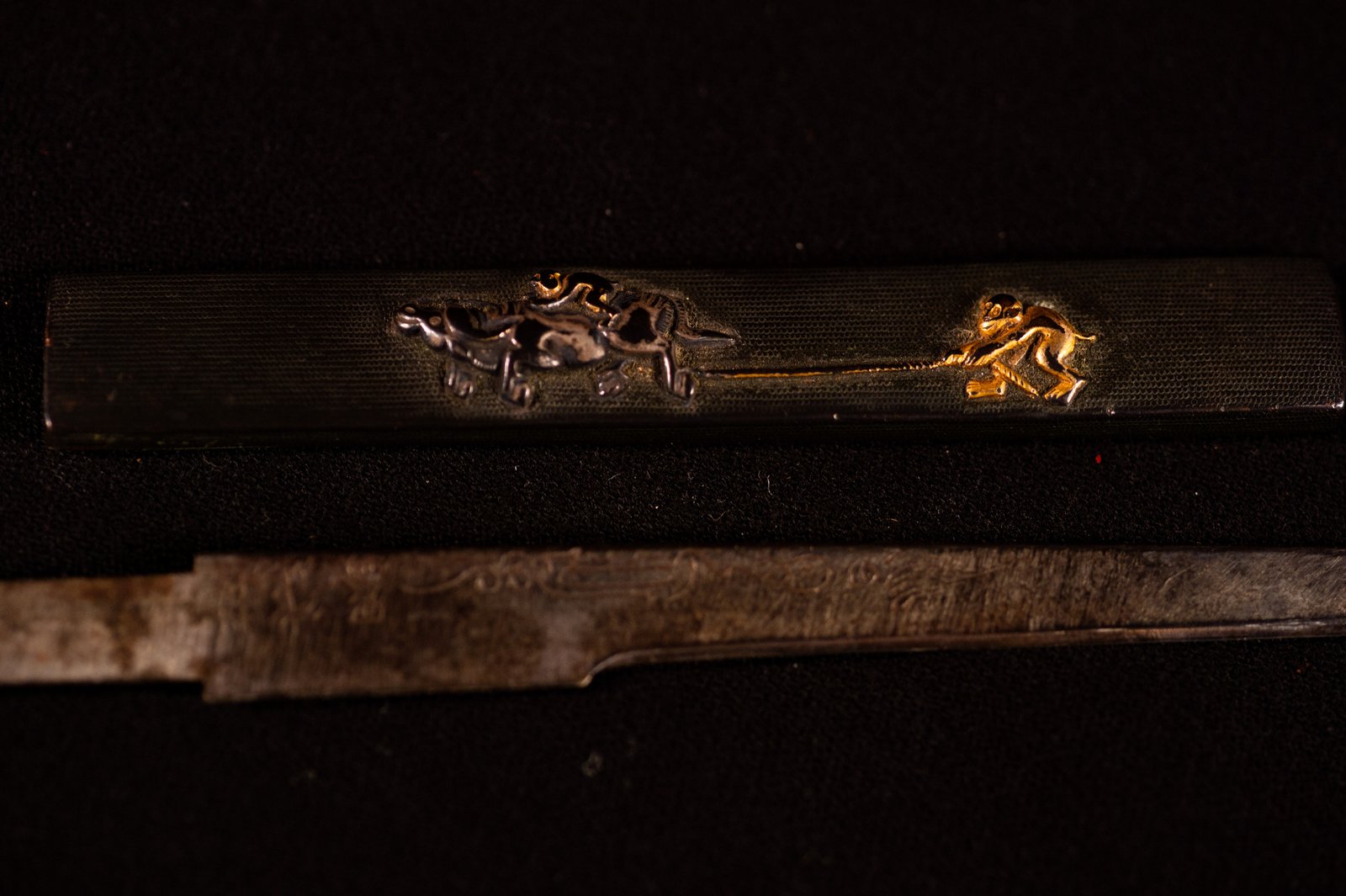
The kozuka is one of the most charming decorative components of the mounting.
Its surface presents an unusual animal scene depicting a running ox accompanied by a monkey figure pulling on a cord.
The composition is executed in contrasting silver and gold against a dark shakudō ground.
The scene combines movement, humour and highly detailed metalwork, characteristics frequently encountered in fine Edo-period sword fittings.
Rather than serving purely as ornament, the kozuka demonstrates how sword furniture could become a miniature canvas for sophisticated narrative compositions.
The saya is finished in glossy black lacquer.
Its restrained surface creates a sophisticated contrast with the richer metalwork of the handle and guard.
Near the mouth of the scabbard appears a gold makie inscription, introducing a subtle decorative element without disturbing the formal appearance of the overall mounting.
The black lacquer gives the sword a classical visual foundation and allows the gold and dark-metal fittings to remain the principal areas of decorative focus.
The saya is fitted with a braided dark plum-brown sageo.
Its subdued colour adds warmth to the otherwise black and gold palette of the koshirae.
The cord is tied in traditional fashion and creates an attractive textile counterpoint to the black tsuka-ito of the handle.
This subtle chromatic variation gives the mounting additional sophistication without drawing attention away from the principal metalwork.
A natural-wood shirasaya is included with the blade.
Unlike the decorative koshirae, the shirasaya is specifically designed for preservation.
Its simple untreated wooden construction provides a neutral environment for the blade during long-term storage.
The inclusion of both koshirae and shirasaya allows the sword to be displayed in its complete historical mounting while also permitting the blade to be stored correctly when required.
For serious collectors, this dual presentation is particularly desirable.
The sword is accompanied by its original Japanese Jūhō Tōken Rui Tōrokushō registration document.
The document was issued by Nagano Prefecture on 5 July 1963.
It records the sword as a Japanese blade with a nagasa of 57.8 cm, a sori of 1.6 cm and one mekugi-ana.
The survival of this document provides more than sixty years of documented Japanese registration history.
For collectors, such original documentation is especially valuable because it forms part of the blade’s modern Japanese provenance rather than relying solely on later commercial records.
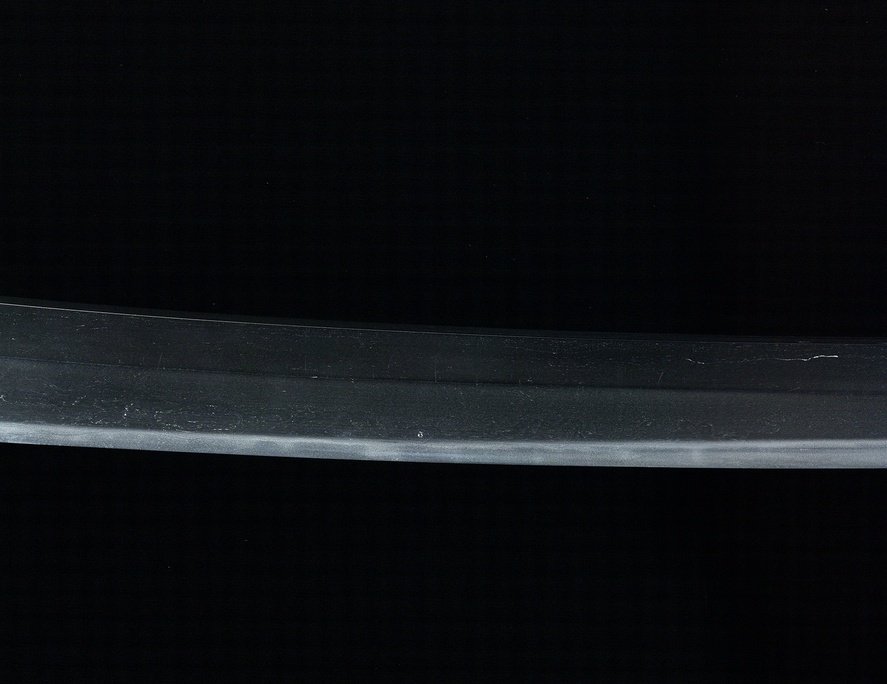
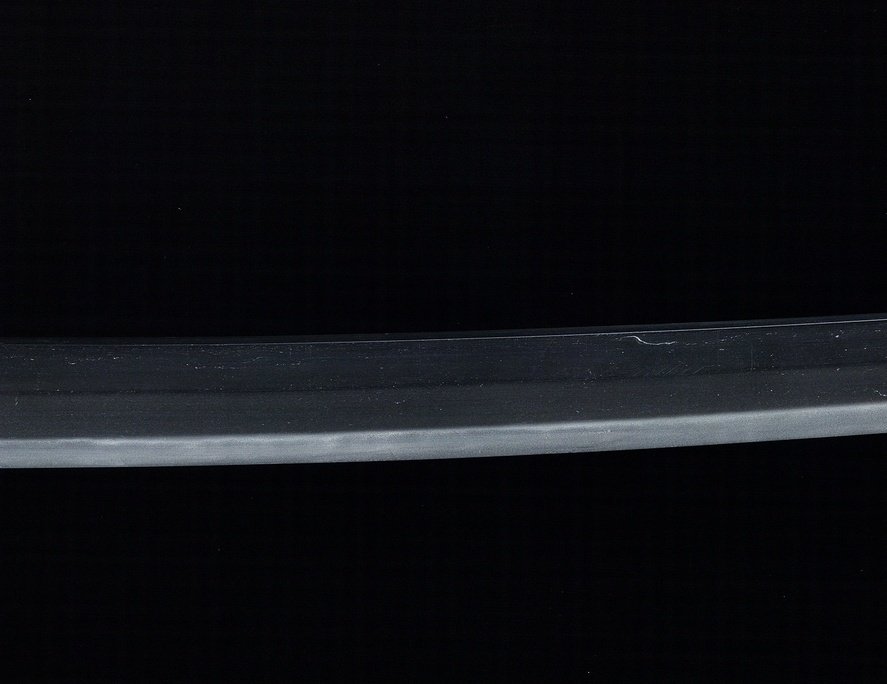
The blade remains in a condition that allows its overall geometry, curvature and principal characteristics to be clearly appreciated.
The nakago retains its historical surface and signature, with a single mekugi-ana recorded in the documentation.
The koshirae remains visually coherent and highly attractive.
The black ito, warm-toned samegawa, signed Ōmori tsuba, sculptural fittings, glossy black lacquer saya and dark plum-brown sageo combine to create a sophisticated complete ensemble.
As expected from an antique Japanese sword and its historical fittings, natural signs of age and use may be present and should be understood as part of the object’s history.
This sword combines several independent qualities that make it particularly attractive to the serious collector.
First is the blade itself: a substantial 57.8 cm wakizashi signed Tsuda Ōmi no Kami Sukenao, a recognised Osaka smith directly connected by marriage to the family of Tsuda Echizen no Kami Sukehiro.
This connection places the blade within one of the most important swordmaking circles of the Japanese shintō period.
The unusually generous length further enhances its appeal. At 57.8 cm, the blade sits extremely close to katana dimensions, giving the sword considerably more presence than a conventional mid-sized wakizashi.
Second is the documentation. The original Nagano torokusho dated 5 July 1963 provides more than six decades of documented Japanese registration history.
Third is the koshirae, which deserves consideration in its own right.
The presence of a signed Ōmori tsuba is especially significant. Rather than being merely an unsigned decorative guard, it constitutes a separately attributable piece of Japanese metalwork.
The rearing-horse fuchi, gold-decorated kashira, narrative ox-and-monkey kozuka, samurai menuki, gold makie on the black lacquer saya and dark plum-brown sageo create a richly detailed but visually coherent mounting.
Finally, the inclusion of a dedicated natural-wood shirasaya permits correct preservation of the blade while maintaining the complete koshirae as an independent display ensemble.
A highly distinctive Osaka Shintō wakizashi signed Tsuda Ōmi no Kami Sukenao, combining a substantial 57.8 cm blade, direct historical connection with the celebrated Sukehiro family circle, original Japanese registration from 1963, complete traditional koshirae, signed Ōmori-school tsuba and dedicated shirasaya. With strong documentary, artistic and historical interest across both blade and fittings, this sword represents an especially attractive opportunity for collectors seeking a refined and characterful Edo-period nihontō.
| Época | Edo |
|---|

Order above 1.000,00 € gets free shipping.

Secure and hassle-free payment process.

Certificate of authenticity included.

Have questions? Contact us via WhatsApp.
Contact