September 16, 2026

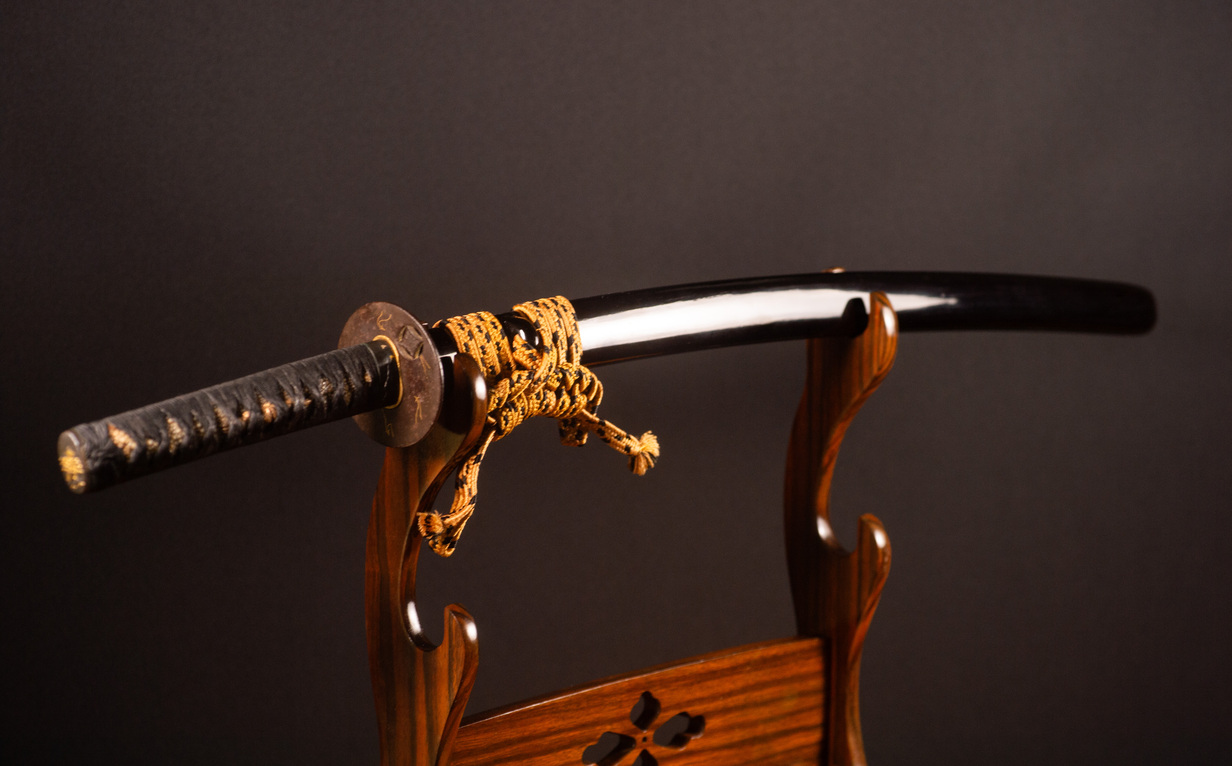
A Japanese sword is much more than its blade. While the forged steel often receives the greatest attention, the elements surrounding the blade are equally important in understanding the craftsmanship and cultural significance of the weapon. Among these, the koshirae stands out as one of the finest expressions of traditional Japanese artistry.
A koshirae is the complete set of mountings designed for a specific Japanese sword. Every component is carefully crafted to protect the blade, provide balance during use, and create a visually harmonious ensemble. More than a practical necessity, an authentic koshirae reflects the owner’s status, aesthetic taste, and sometimes even their family heritage.
Today, original antique koshirae are highly sought after by collectors because they represent complete works of Japanese craftsmanship, where every detail contributes to both function and beauty.
The term koshirae refers to the complete exterior mounting of a Japanese sword, including all of the fittings required for carrying, handling, and protecting the blade.
Unlike individual fittings collected separately, a koshirae is conceived as a unified set in which every element complements the others in design, materials, and proportions.
Traditionally, each koshirae was custom-made for a specific blade. This ensured not only a perfect fit but also an elegant balance between functionality and artistic expression.
Because every sword differs slightly in dimensions, authentic antique koshirae are unique and cannot simply be interchanged with another blade without adjustments.
One of the reasons collectors admire koshirae is the extraordinary level of craftsmanship found in every individual component.
The tsuka forms the sword’s grip and is designed for comfort, control, and durability.
Its principal elements include:
Together these elements create a grip that is both practical and visually refined.
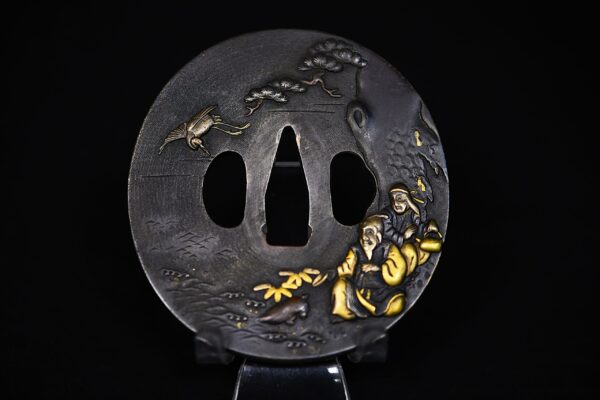
The tsuba protects the user’s hand while balancing the sword.
Far from being merely functional, antique tsuba became miniature sculptures featuring intricate carvings inspired by:
Each school developed distinctive styles, making the tsuba one of the most collectible components of any koshirae.
The habaki is the precisely fitted metal collar surrounding the base of the blade.
Although small, it performs several essential functions:
A well-crafted habaki demonstrates exceptional precision and attention to detail.
The saya protects the blade from moisture, dust, and accidental damage.
Authentic saya are handcrafted from carefully selected wood and often finished with multiple layers of lacquer.
Many feature elegant decorative techniques, including:
Attached to the saya is the sageo, the braided cord used to secure the sword to the samurai’s belt.
What makes a koshirae remarkable is the way every element works together.
Rather than assembling unrelated fittings, Japanese craftsmen designed complete mounting sets with a coherent artistic theme.
A koshirae might feature autumn leaves across the tsuba, menuki, and fuchi-kashira, while another could depict dragons, bamboo forests, or scenes from Japanese folklore.
This visual harmony transforms the sword from a weapon into a unified work of decorative art.
Collectors value antique koshirae for several reasons.
First, they preserve the original appearance intended for the sword, providing historical context beyond the blade itself.
Second, complete matching sets are significantly rarer than individual fittings that have become separated over time.
Finally, each koshirae reflects the craftsmanship of numerous specialized artisans. One master produced the lacquered saya, another created the metal fittings, while others crafted the tsuka wrapping and decorative details.
Owning an authentic koshirae means preserving the combined work of multiple traditional Japanese craftsmen.
Because antique Japanese swords have been collected worldwide for decades, many modern reproductions exist.
Several characteristics distinguish an authentic antique koshirae:
Buying from reputable specialists significantly reduces the risk of acquiring assembled or reproduction pieces.
Every collector has different priorities.
Some appreciate understated iron fittings typical of warrior aesthetics, while others seek lavish Edo-period mountings decorated with precious metals and intricate carvings.
Whether your interest lies in minimalist elegance or elaborate artistic expression, an authentic koshirae represents far more than sword furniture—it is an integral part of Japanese cultural heritage.
Because each original example is unique, availability is always limited.
At Supein Nihonto, we carefully source original antique Japanese koshirae directly from Japan, selecting only pieces that meet our standards for authenticity, craftsmanship, and historical significance.
Each koshirae is individually examined and documented, allowing collectors to acquire genuine examples of traditional samurai craftsmanship with complete confidence.
Whether you are looking to complement a Japanese sword, expand your collection, or simply appreciate the artistry of traditional mountings, an authentic koshirae offers a unique opportunity to own a remarkable piece of Japanese history.

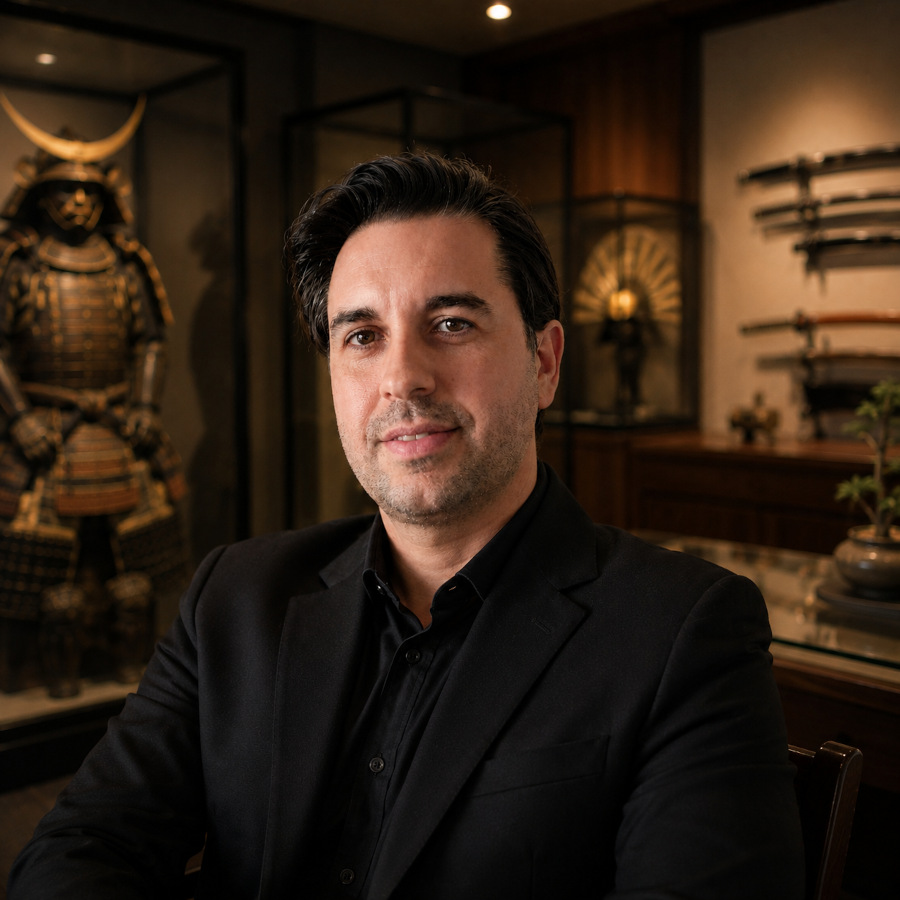
CEO of SupeinNihonto, dealer and collector of ancient Japanese art and weapons from Canillo, Andorra.