NBTHK-Style Signed Katana by Bungo no Kuni Shigeyuki (2nd Generation)
Edo Period, Kanbun Era · Authentic Ubu Katana of the Taira-Takada School
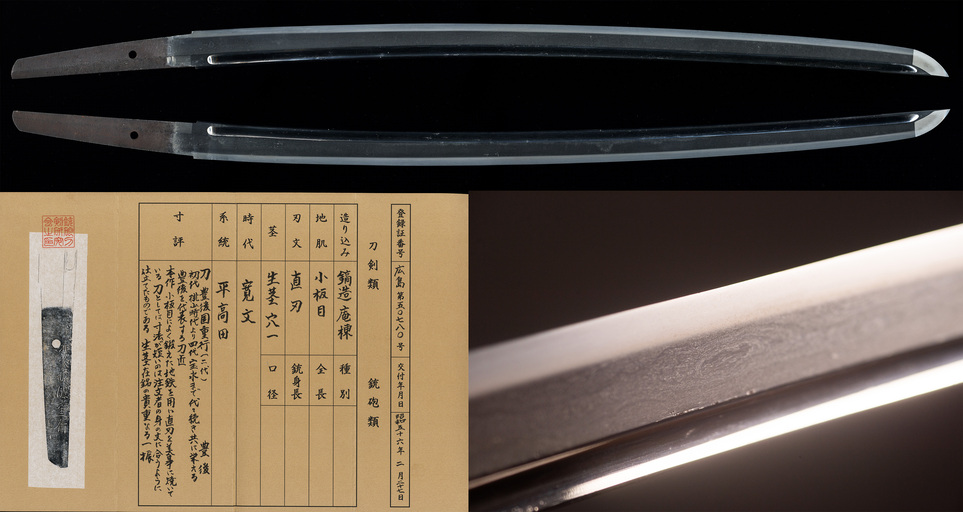
An authentic ubu, signed katana by Bungo no Kuni Shigeyuki (豊後国重行), attributed to the second generation of this respected smithing lineage of the Taira-Takada school. Preserved in its original shirasaya with sayagaki, this healthy blade is accompanied by an official Japanese appraisal certificate confirming its authenticity, together with its original torokusho registration.
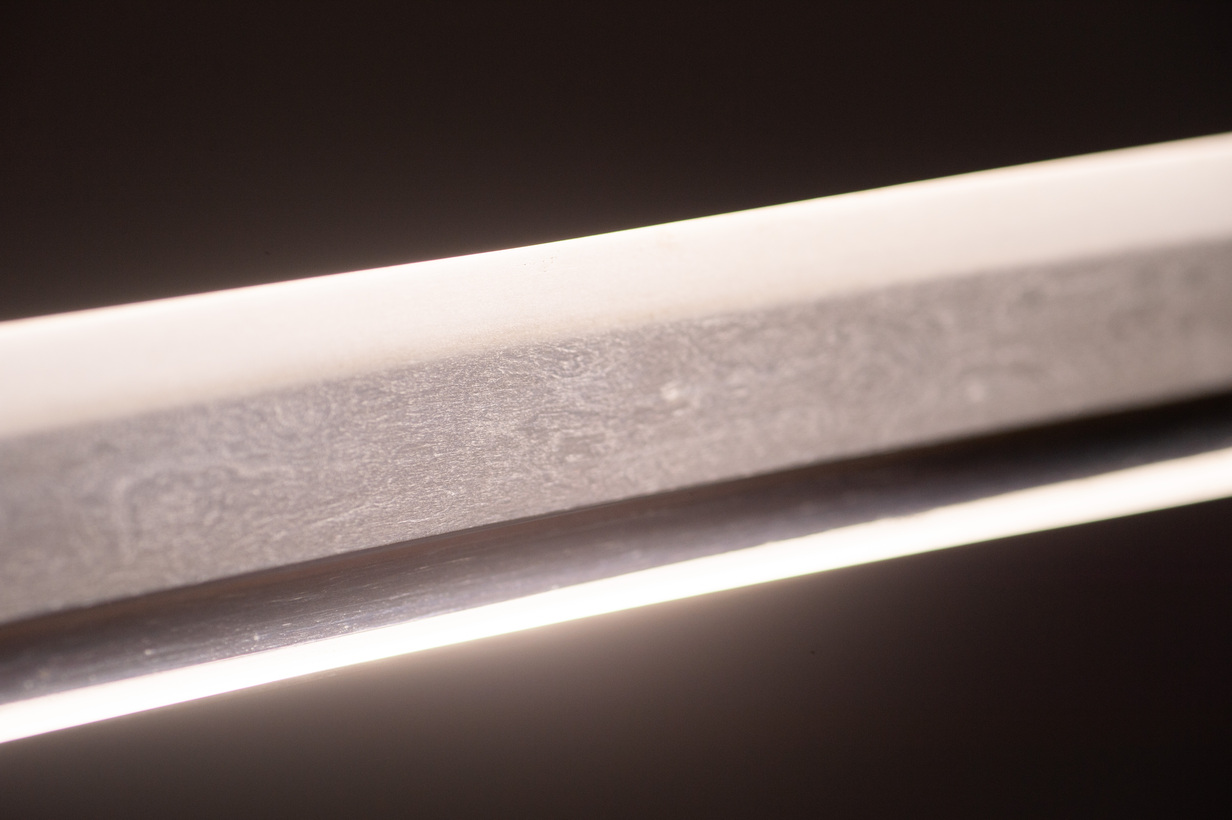
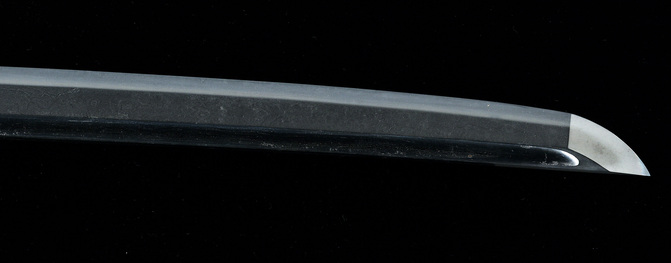
Elegant in both construction and workmanship, the sword displays a beautifully forged ko-itame steel surface and a refined suguha hamon executed with remarkable precision. Its original signed tang and custom-made proportions make it an especially appealing example of Edo-period Japanese sword craftsmanship.
The Smith (Bungo no Kuni Shigeyuki)
This katana bears the signature Bungo no Kuni Shigeyuki (豊後国重行) and is identified by its appraisal papers as the work of the second generation (nidai) Shigeyuki, a representative smith of the Taira-Takada school in Bungo Province, present-day Ōita Prefecture on the island of Kyūshū.
The Takada tradition was established during the Nanbokuchō period by Takada Tomoyuki after studying the celebrated Bizen forging methods. Returning to Bungo, he founded a local school that became known as Taira-Takada, producing swords highly respected for their practicality and reliability.
The Shigeyuki lineage continued through several generations, from the Momoyama period into the early eighteenth century. Throughout this time, the family produced blades that earned an excellent reputation among the samurai of Kyūshū, particularly during the Sengoku period when durable, dependable weapons were in constant demand.
Takada swords were admired for combining the cutting performance associated with Mino blades and the refined workmanship characteristic of Bizen, making them one of Japan’s most respected provincial sword traditions.
Historical Context
Although this katana was forged during the peaceful Kanbun era of the Edo period, it belongs to a tradition forged through centuries of warfare. The Takada school had supplied generations of warriors since the Muromachi period, producing practical swords intended for real military use rather than ceremonial display.
During the Edo period, swordsmiths increasingly balanced martial functionality with refined craftsmanship. Blades from this era often display elegant proportions, precise forging and restrained tempering styles while preserving the reliability for which earlier generations of Takada smiths had become famous.
The Blade (Tōshin)
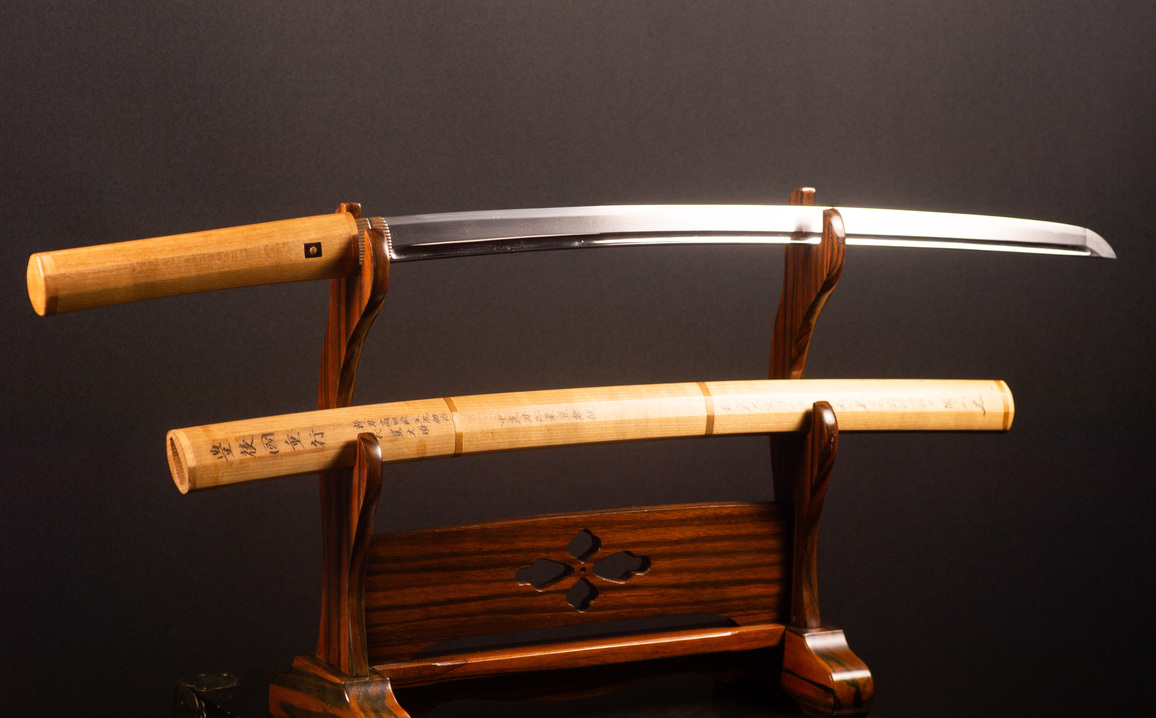
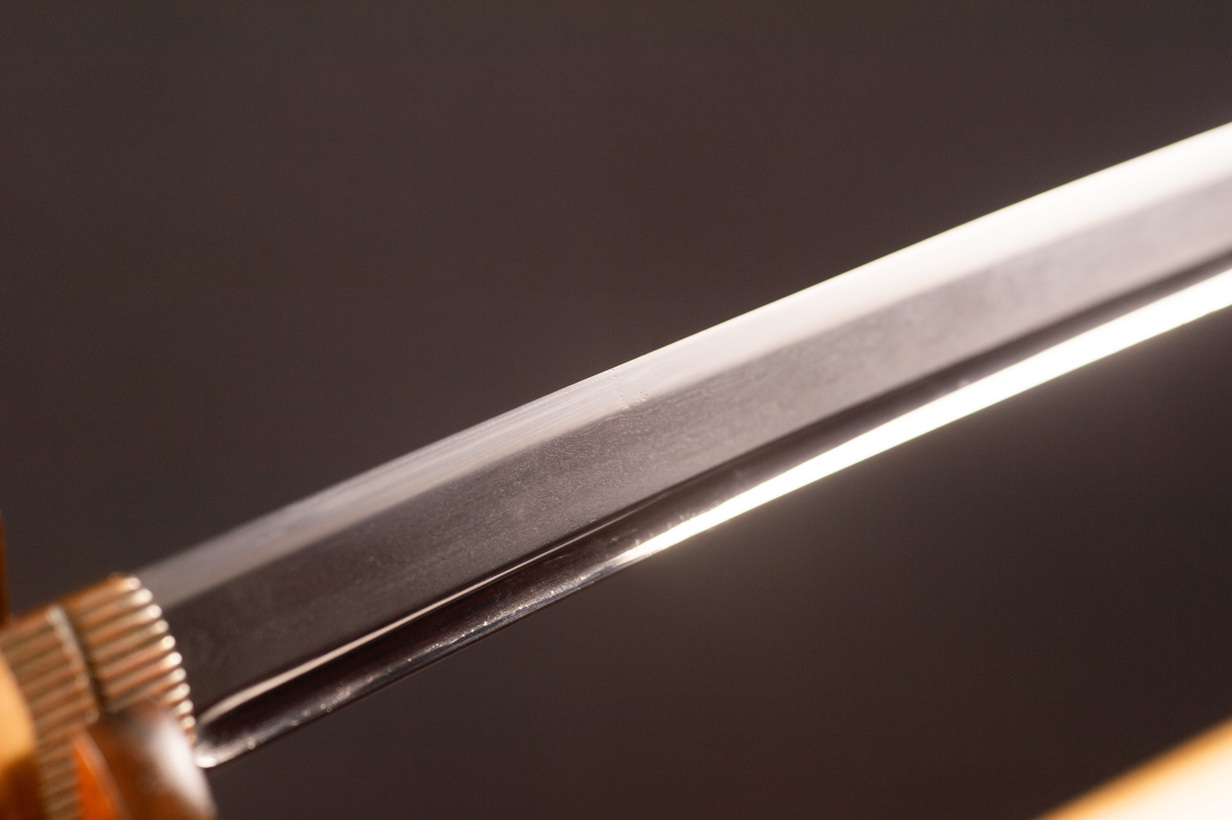
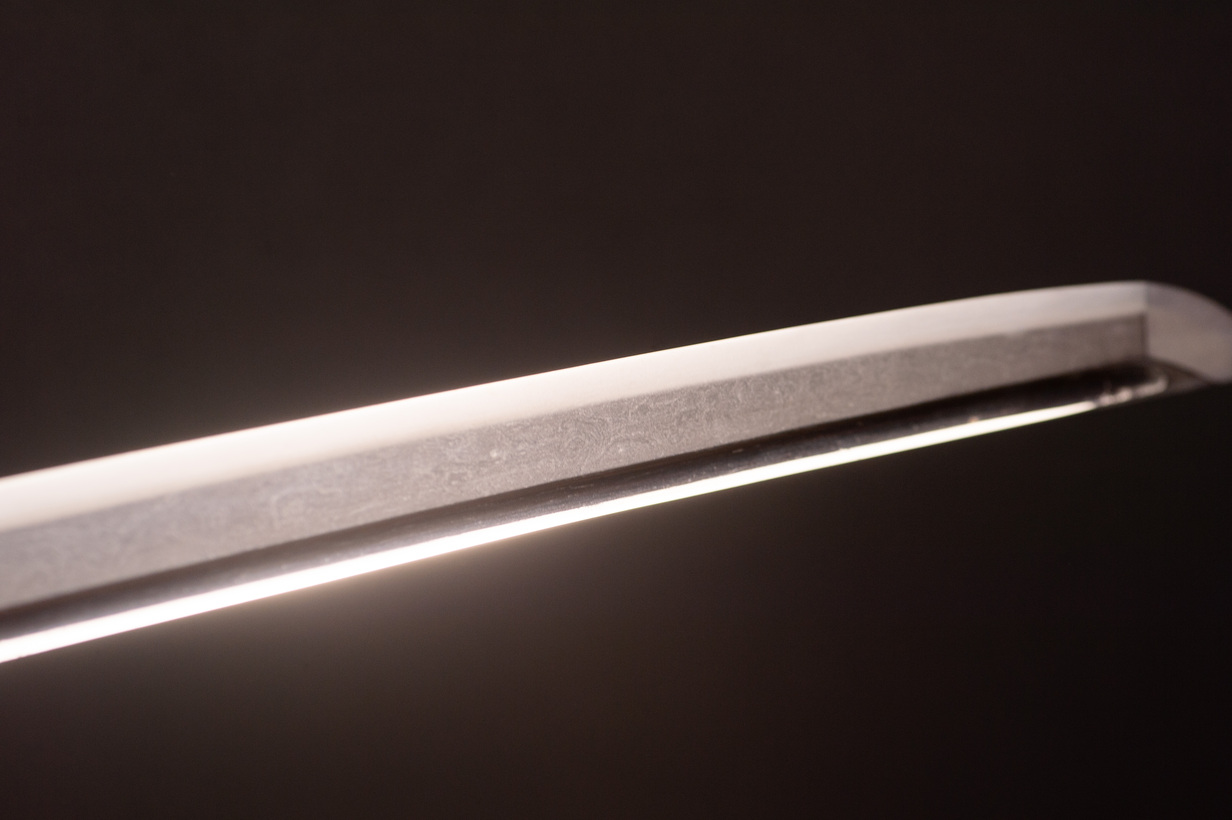
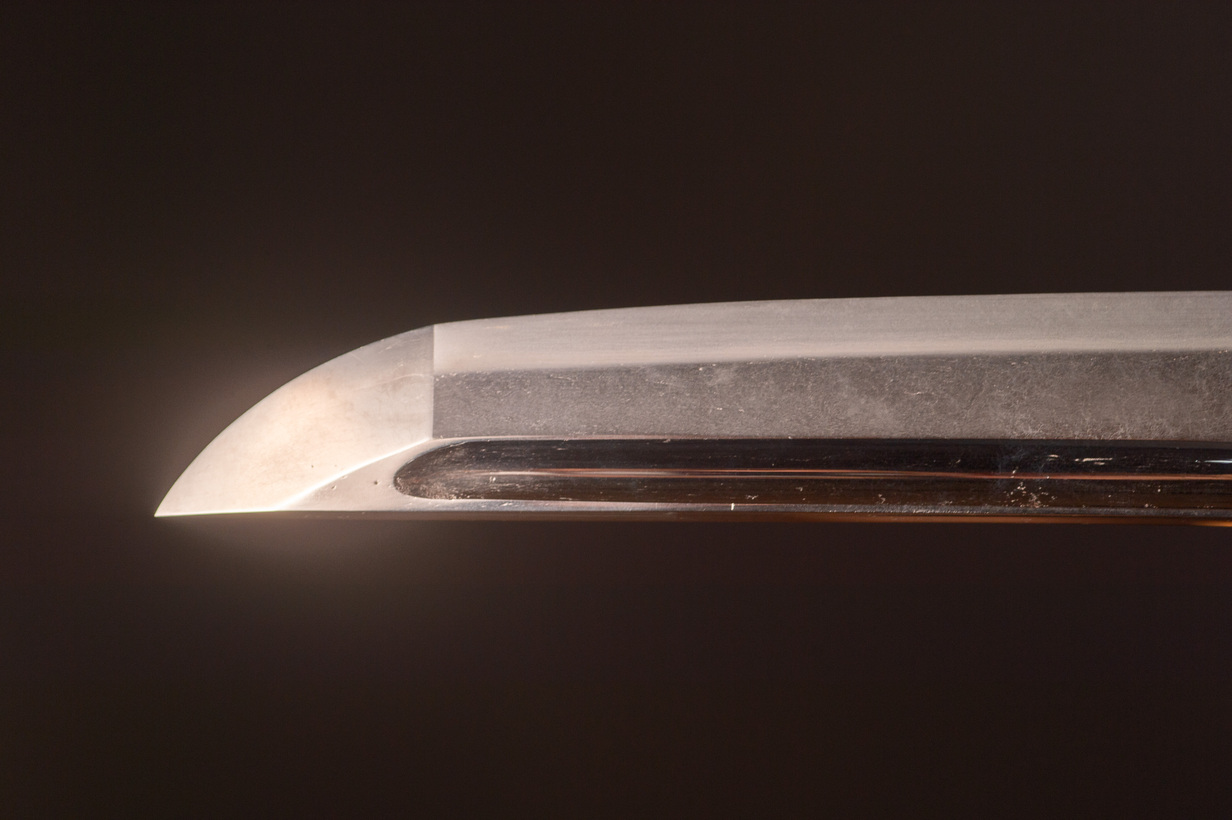
The blade is forged in classic shinogi-zukuri form with an iori-mune back, presenting an elegant, well-balanced silhouette enhanced by a graceful curvature.
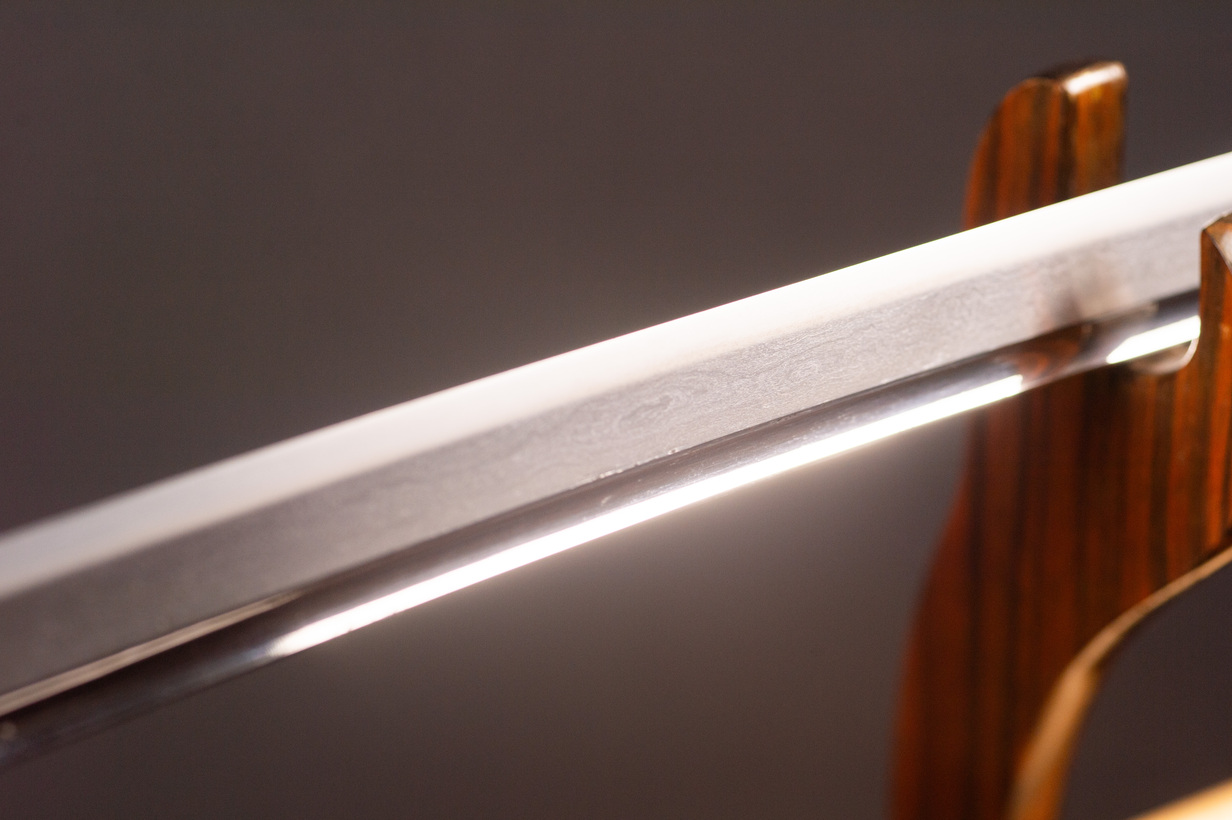
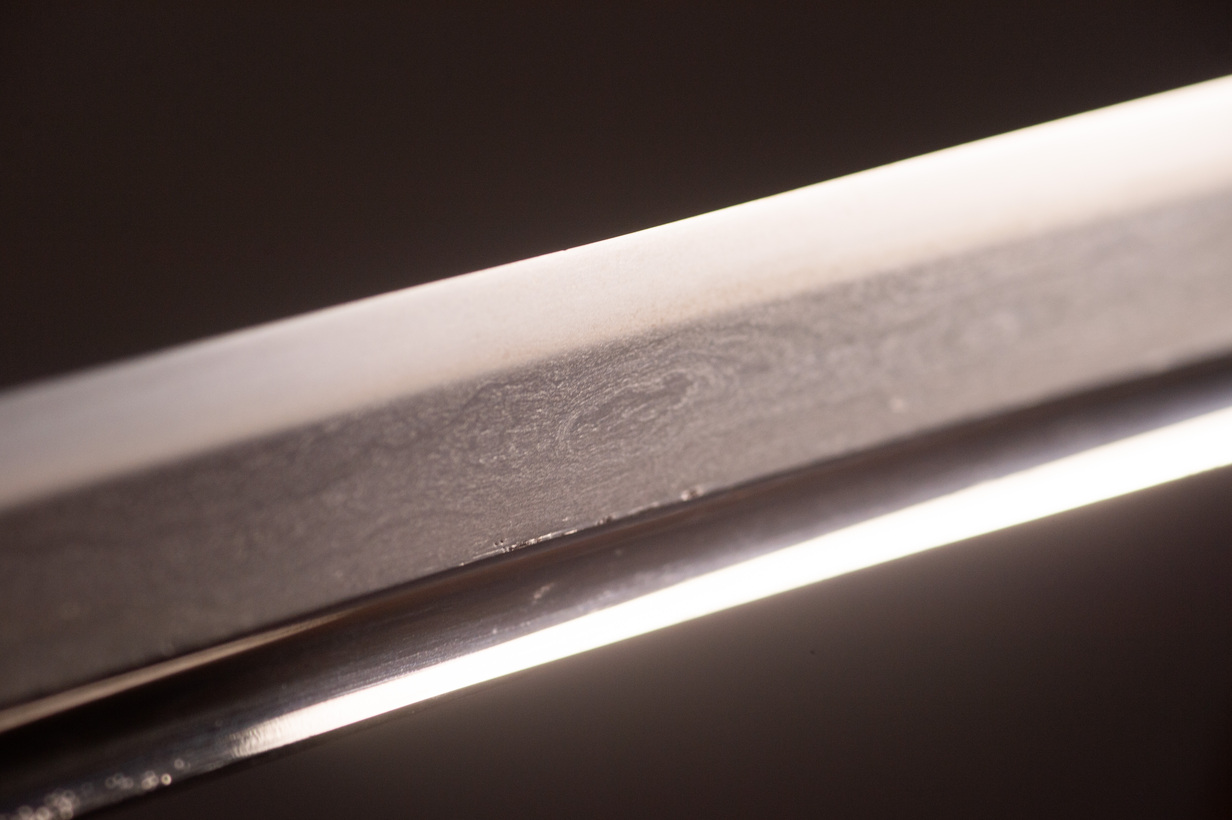
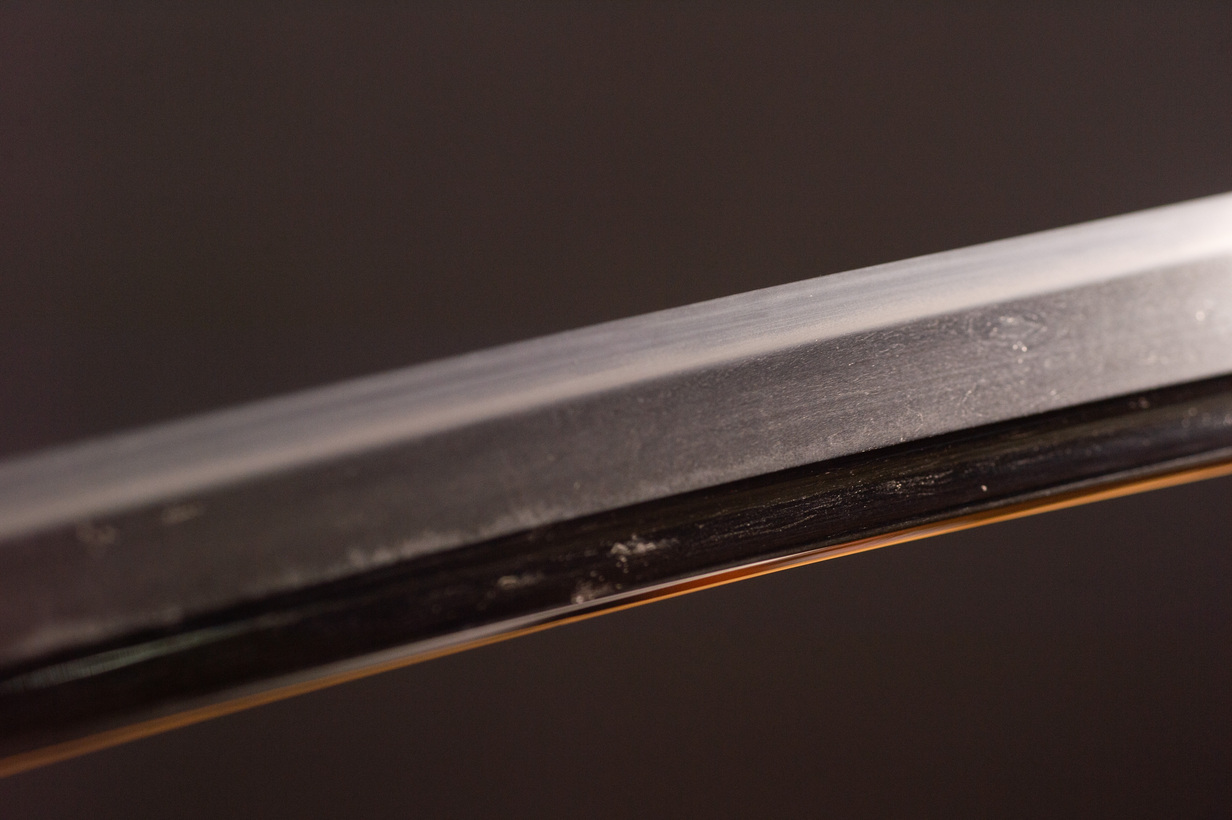
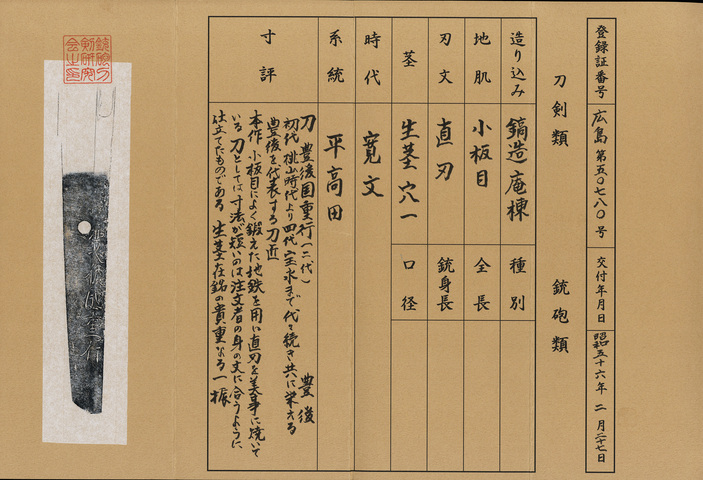
The jihada consists of finely forged ko-itame, displaying a dense, even and beautifully worked steel surface. The appraisal specifically praises the quality of the forging, describing the steel as particularly well refined.
The hamon is an exceptionally elegant suguha, executed in bright nioi with delicate nie activity. Its calm, controlled appearance perfectly reflects the sophisticated taste of the early Edo period.
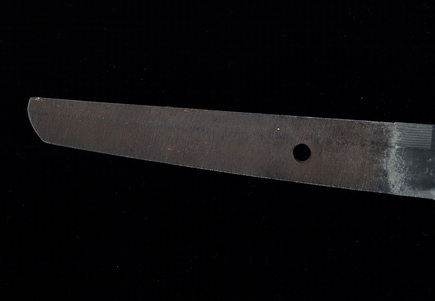
Particularly important is the nakago, which remains ubu (unaltered) and fully signed, retaining its original single mekugi-ana together with an attractive natural patina. The appraisal specifically highlights the intact signed tang as one of the blade’s greatest historical virtues.
According to the appraisal, the blade is slightly shorter than a typical katana because it was custom forged for the stature of its original owner, making it a genuine chūmon-uchi (special order) sword rather than a standard production blade.
Shirasaya
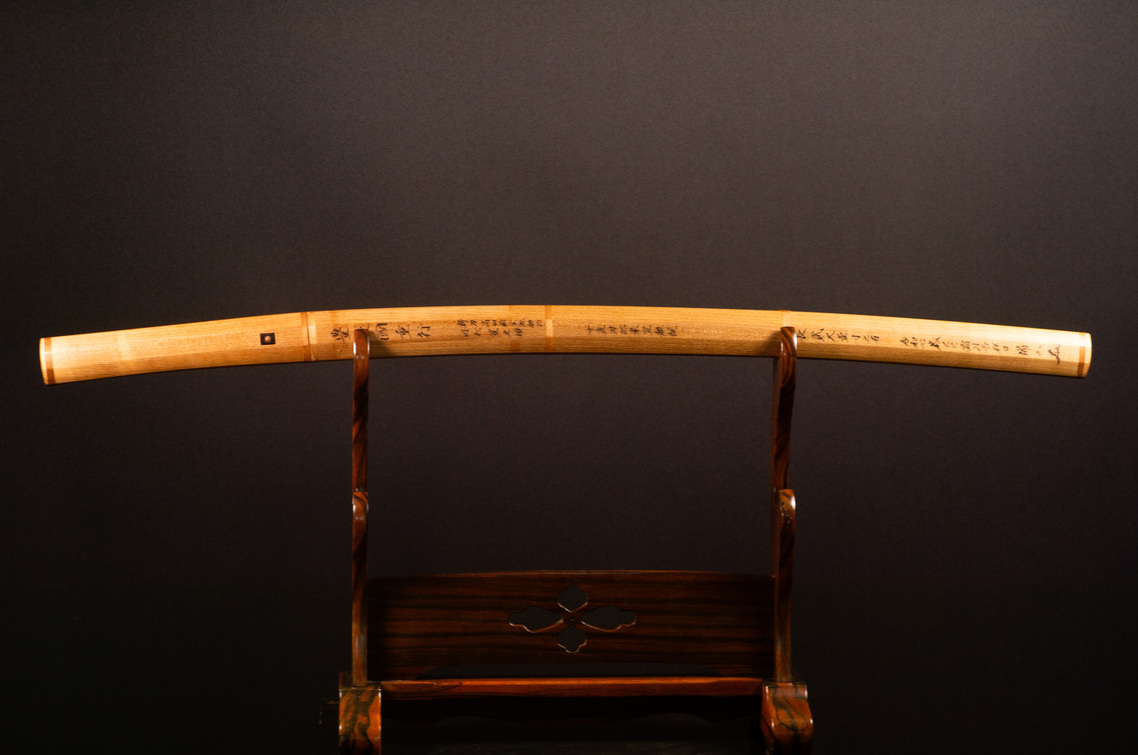
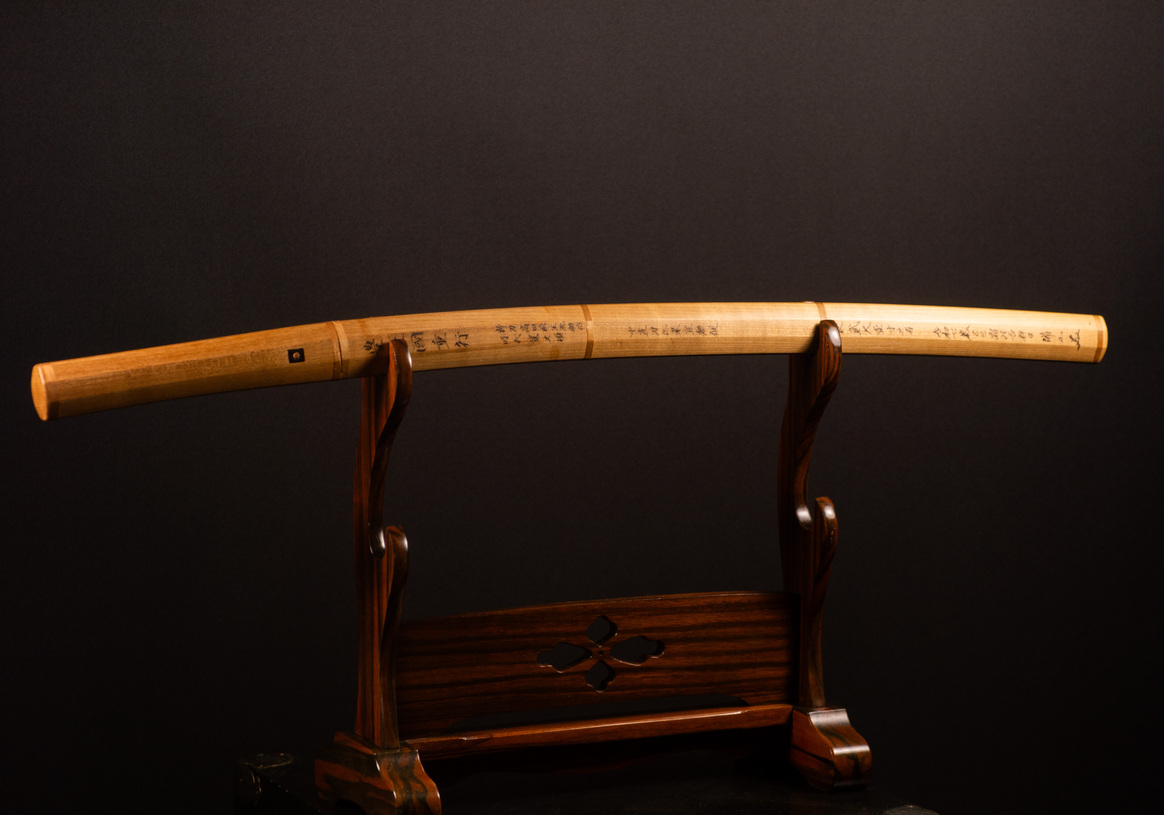
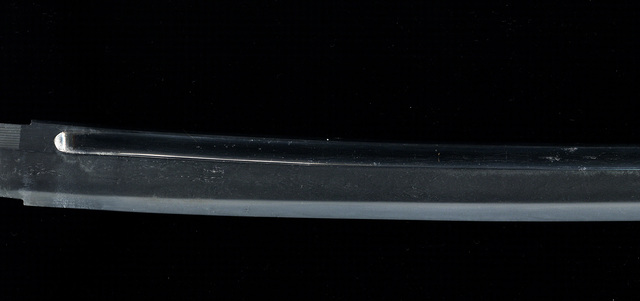
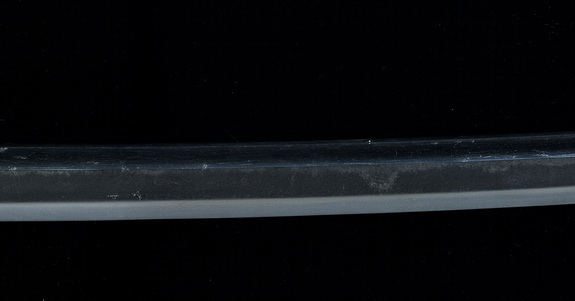
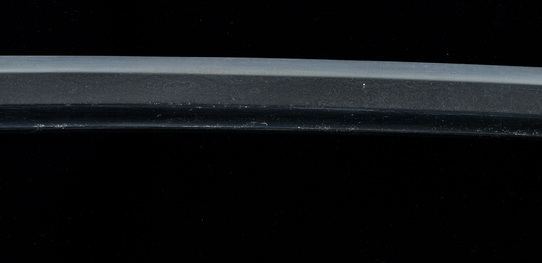
The sword is preserved in its original shirasaya, the traditional white-wood mounting intended for the long-term preservation of valuable blades. The scabbard bears an elegant handwritten sayagaki, adding further historical interest to the piece.
Storage in shirasaya has helped preserve the polish and condition of the blade, making it ideal for both study and long-term conservation.
Documentation
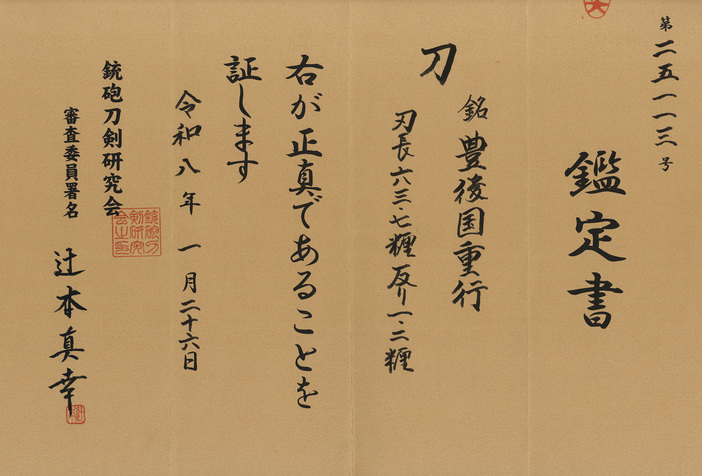
This katana is accompanied by an official appraisal certificate issued by the Jūhō Tōken Kenkyūkai (銃砲刀剣研究会), certificate number 25113, dated Reiwa 8 (2026), confirming the blade as authentic (shōshin) and identifying it as the work of the second-generation Bungo no Kuni Shigeyuki.
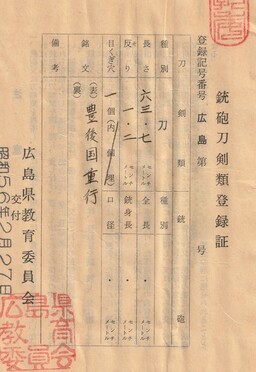
Also included is the original Japanese torokusho registration, Hiroshima Prefecture No. 50780, issued in Shōwa 56 (1981).
Specifications
- Classification: Katana 刀
- Signature: 豊後国重行 — Bungo no Kuni Shigeyuki (2nd Generation)
- School: Taira-Takada (Bungo)
- Period: Edo Period, Kanbun Era (mid-17th century)
- Nagasa: 63.7 cm
- Sori: 1.2 cm
- Mekugi-ana: One (ubu)
- Sugata: Shinogi-zukuri with iori-mune
- Jihada: Fine ko-itame
- Hamon: Elegant suguha in nioi with nie activity
- Nakago: Ubu, signed, single mekugi-ana
- Mounting: Shirasaya with sayagaki
- Appraisal Certificate: Jūhō Tōken Kenkyūkai No. 25113 (2026)
- Registration: Hiroshima Torokusho No. 50780 (1981)
Collector’s Value
Signed, ubu katana by representative smiths of the Takada tradition are increasingly difficult to find in such honest condition. The combination of an intact signed tang, refined ko-itame forging, elegant suguha hamon and official authentication makes this sword especially attractive to collectors seeking historically sound examples rather than purely decorative pieces.
The additional historical interest of having been forged as a custom-order blade for its original owner gives this katana a unique personal dimension rarely documented in appraisal papers.
Authentic, fully documented and beautifully preserved, this signed Bungo no Kuni Shigeyuki katana represents an outstanding example of the Taira-Takada tradition during the Edo period. Combining elegant workmanship, historical authenticity and official certification, it is equally rewarding for scholarly study, serious collecting and refined display.