October 18, 2026

Here is the English translation, preserving the structure and links:
Among the many types of traditional Japanese swords, the wakizashi and the tantō are among the most recognizable and historically significant. Although both are shorter than the famous katana, they were designed for different purposes and reflect different aspects of samurai culture.
For collectors, understanding the differences between these two swords is essential. Whether you are looking to expand an existing collection or acquire your first authentic Japanese sword, knowing the unique characteristics of each type will help you make an informed choice.
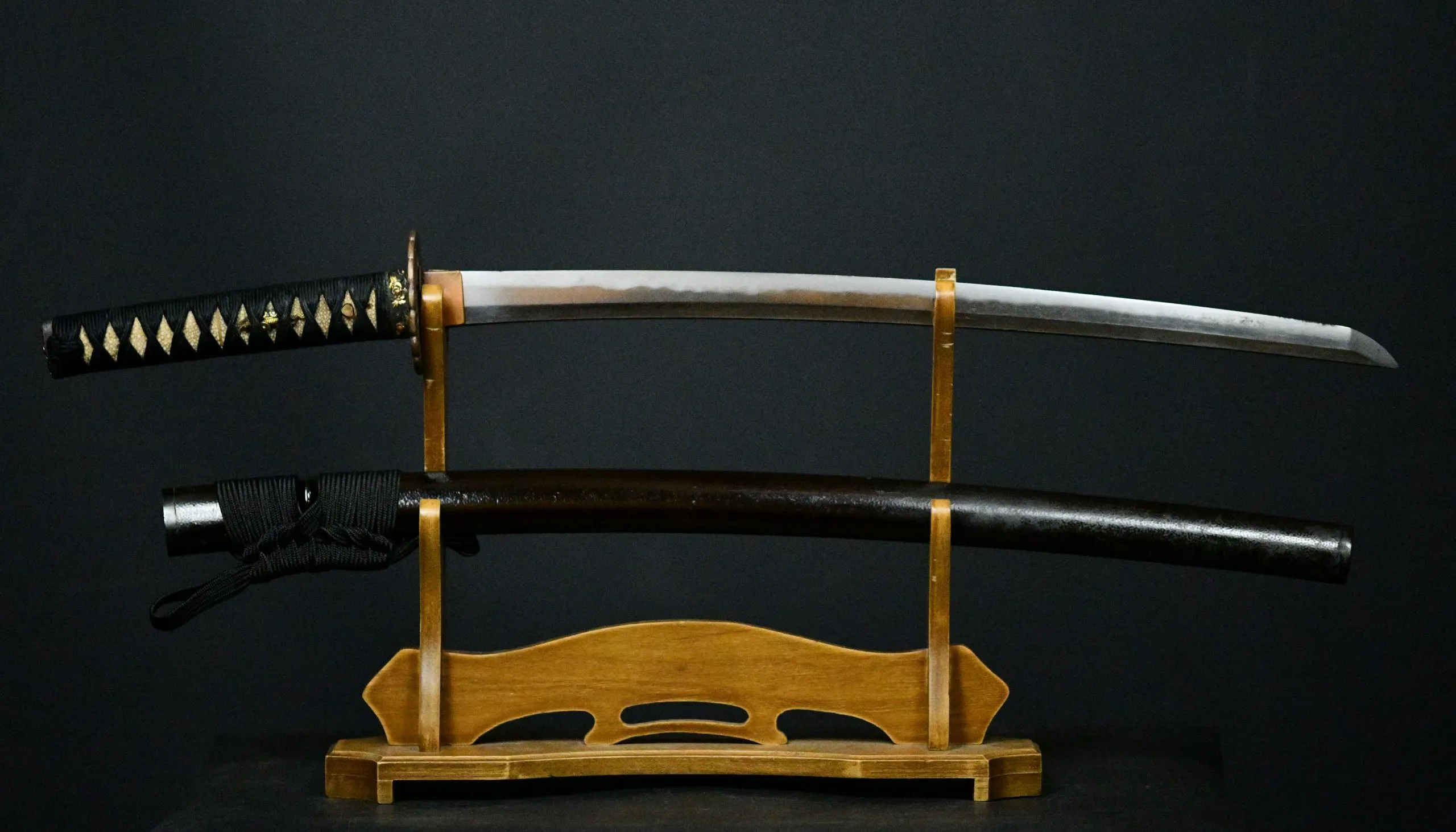
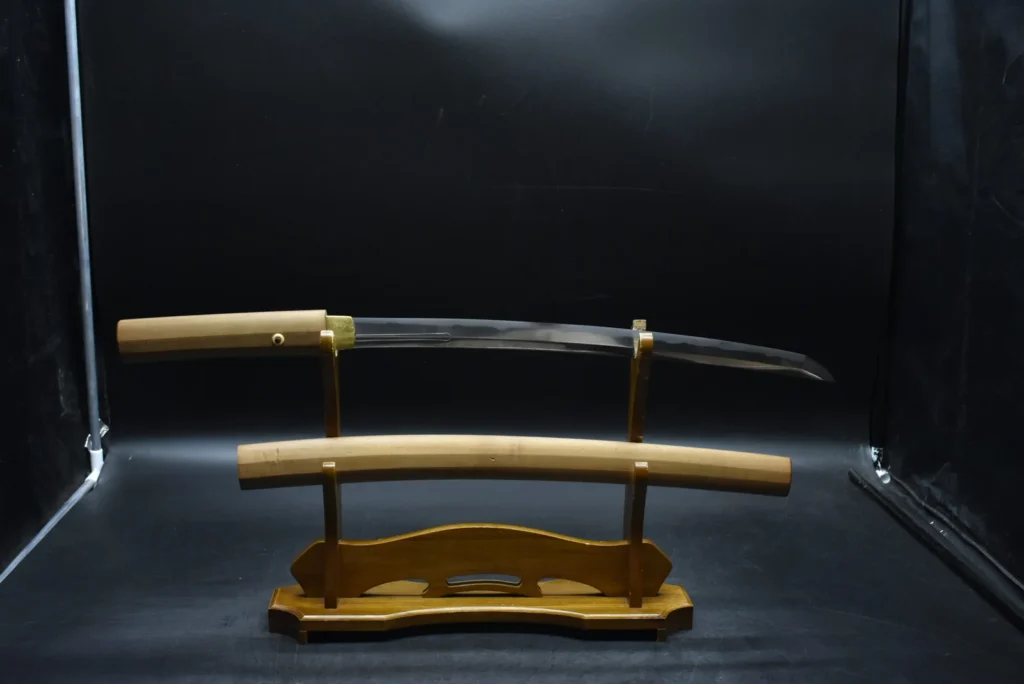
The wakizashi is a traditional Japanese short sword with a blade typically measuring 30 to 60 centimeters.
The name literally means “sword worn at the side” and refers to the way it was carried alongside the katana. Together, these two swords formed the famous daishō, the pair that symbolized the status and honor of the samurai.
While the katana was primarily used on the battlefield, the wakizashi served as a versatile companion weapon in situations where a longer sword was less practical.
Authentic wakizashi have several distinctive features:
Thanks to its manageable size, the wakizashi was particularly effective indoors, where limited space made the use of longer weapons more difficult.
Many samurai also carried a wakizashi in castles and official residences, where wearing a full-length katana was often prohibited.
The wakizashi held deep symbolic significance.
It represented the honor of the samurai and remained with its owner even when the katana had to be surrendered upon entering certain buildings.
In addition to combat, it was also used for ceremonial purposes and personal defense. During the Edo period, the wakizashi became an essential part of samurai attire.
Today, original wakizashi are valued not only for their historical importance, but also for their elegant proportions and exceptional craftsmanship.
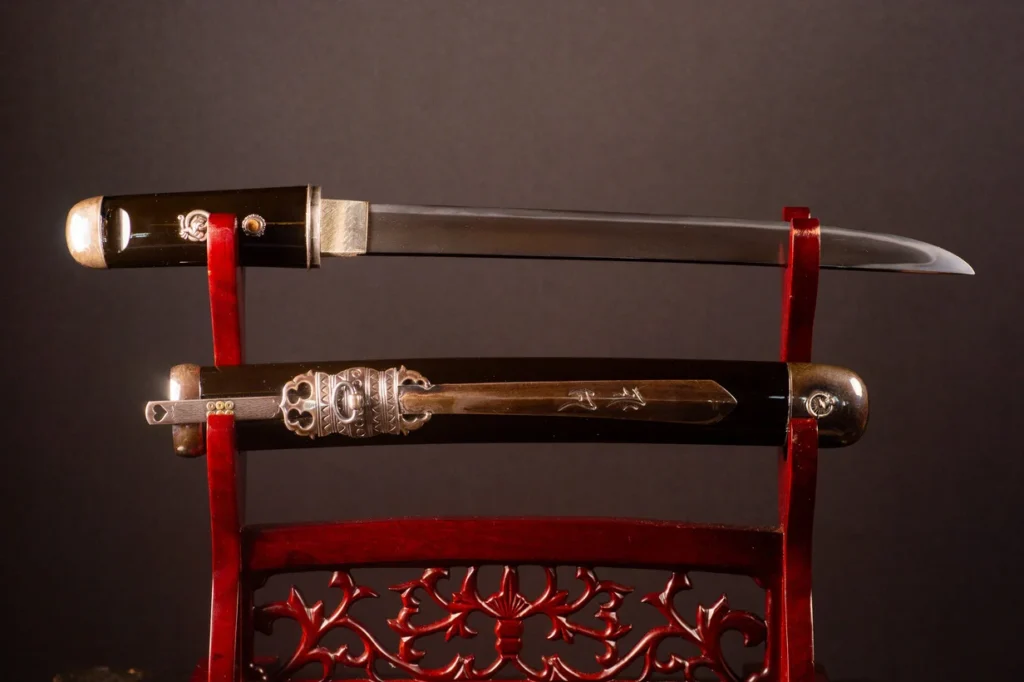
The tantō is a traditional Japanese dagger with a blade usually shorter than 30 centimeters.
Although smaller than both the katana and the wakizashi, the tantō was never considered merely a knife. It was a fully functional weapon, carefully forged using many of the same techniques applied to larger Japanese swords.
Over the centuries, tantō were made in a wide variety of styles, ranging from practical combat weapons to richly decorated pieces intended for ceremonial or artistic purposes.
Collectors recognize authentic tantō by several features:
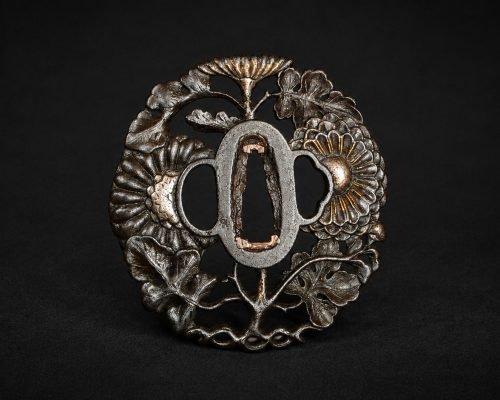
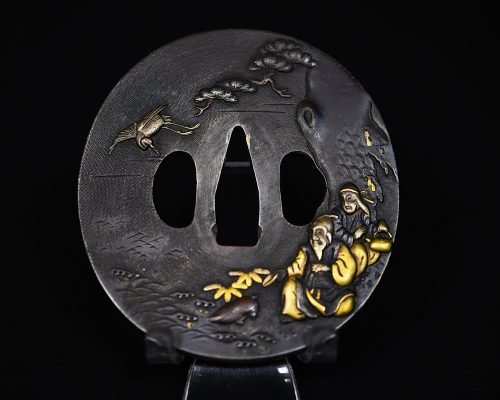
Because of their smaller size, tantō often display an exceptionally high level of decorative detail, both on the blade and on the mountings.
Many historical examples feature refined engravings, high-quality metalwork, and beautifully lacquered scabbards.
The tantō served many functions throughout Japanese history.
It was carried by samurai as a secondary weapon and was also used by members of the nobility and, in some cases, by women from samurai families for personal protection.
Thanks to its compact size, it was practical for everyday carry while remaining an effective means of self-defense.
Today, antique tantō are among the most sought-after Japanese swords due to their artistic quality, historical significance, and relatively accessible price compared with longer swords.
Although both belong to the family of short Japanese swords, several characteristics distinguish them.
The most obvious difference is size.
A wakizashi typically measures 30 to 60 centimeters, while a tantō is usually shorter than 30 centimeters.
The wakizashi served as the companion sword to the katana and was intended for combat situations where a shorter weapon was necessary.
The tantō was primarily intended as a dagger for close-range combat, everyday carry, and ceremonial purposes.
The wakizashi offers greater reach and versatility, while the tantō excels in precision and maneuverability.
Collectors often choose the wakizashi because of its close connection to the samurai daishō, while the tantō appeals to enthusiasts who appreciate compact masterpieces with exceptional craftsmanship.
That depends on your personal interests as a collector.
If you are fascinated by traditional samurai equipment and want to own a sword closely associated with the daishō, an authentic wakizashi is an excellent choice.
If you appreciate compact swords with refined artistic details and a versatile history, an authentic tantō is a perfect addition to your collection.
Both represent centuries of Japanese swordsmithing tradition and offer unique insight into the craftsmanship of the master swordsmiths who created them.
At Supein Nihonto, we carefully select authentic antique wakizashi and tantō directly from Japan.
Each blade is individually chosen based on authenticity, craftsmanship, condition, and historical significance. Every piece is carefully documented so collectors can buy with complete confidence.
Whether you are looking for an elegant wakizashi to complement a katana or an exceptional tantō showcasing the finest details of Japanese sword craftsmanship, authentic examples offer a unique opportunity to own a genuine piece of samurai history.
Explore our collection and experience the timeless beauty of authentic Japanese swords.

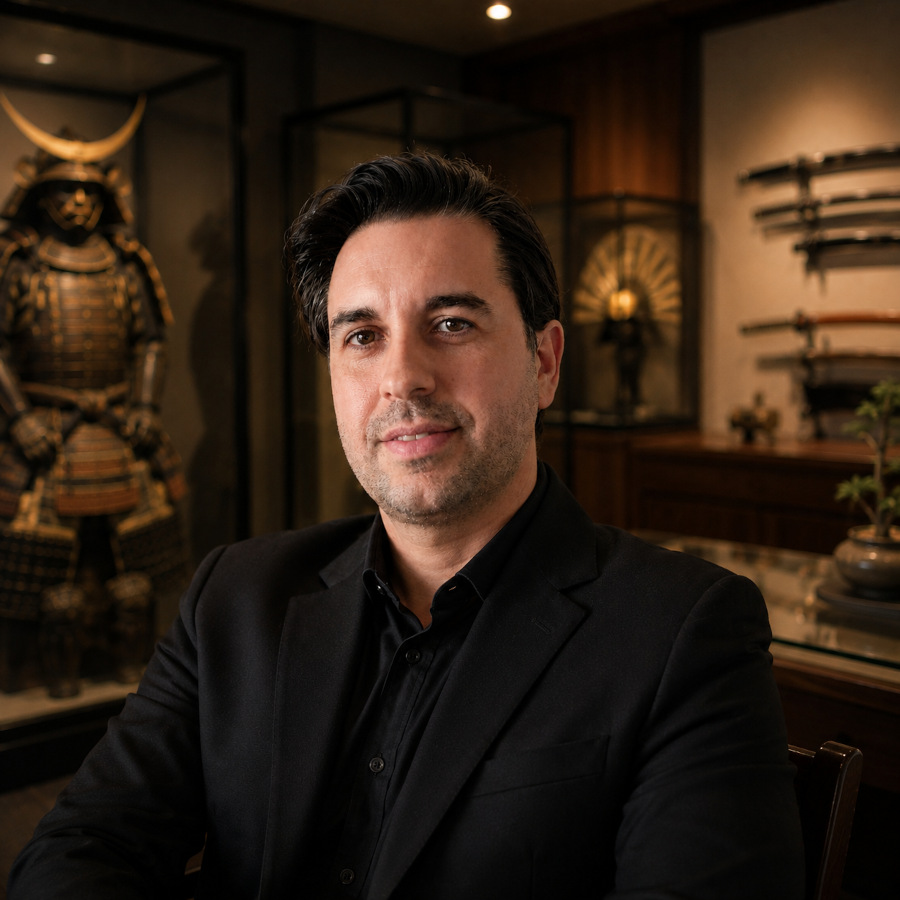
CEO of SupeinNihonto, dealer and collector of ancient Japanese art and weapons from Canillo, Andorra.