

1 in stock
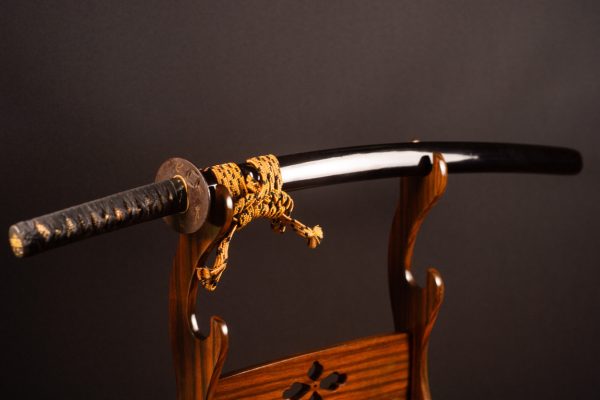
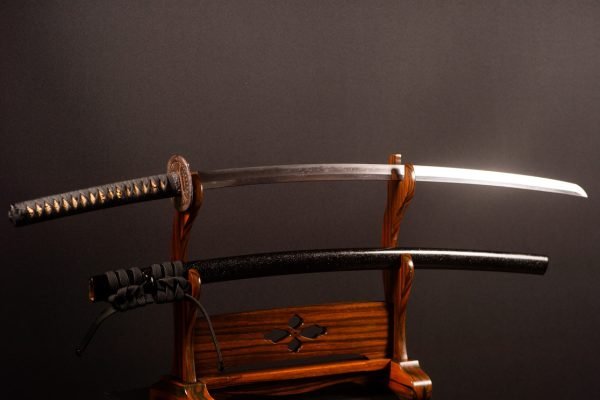
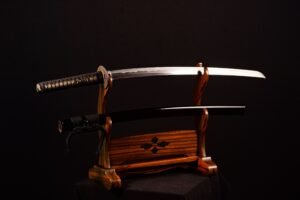
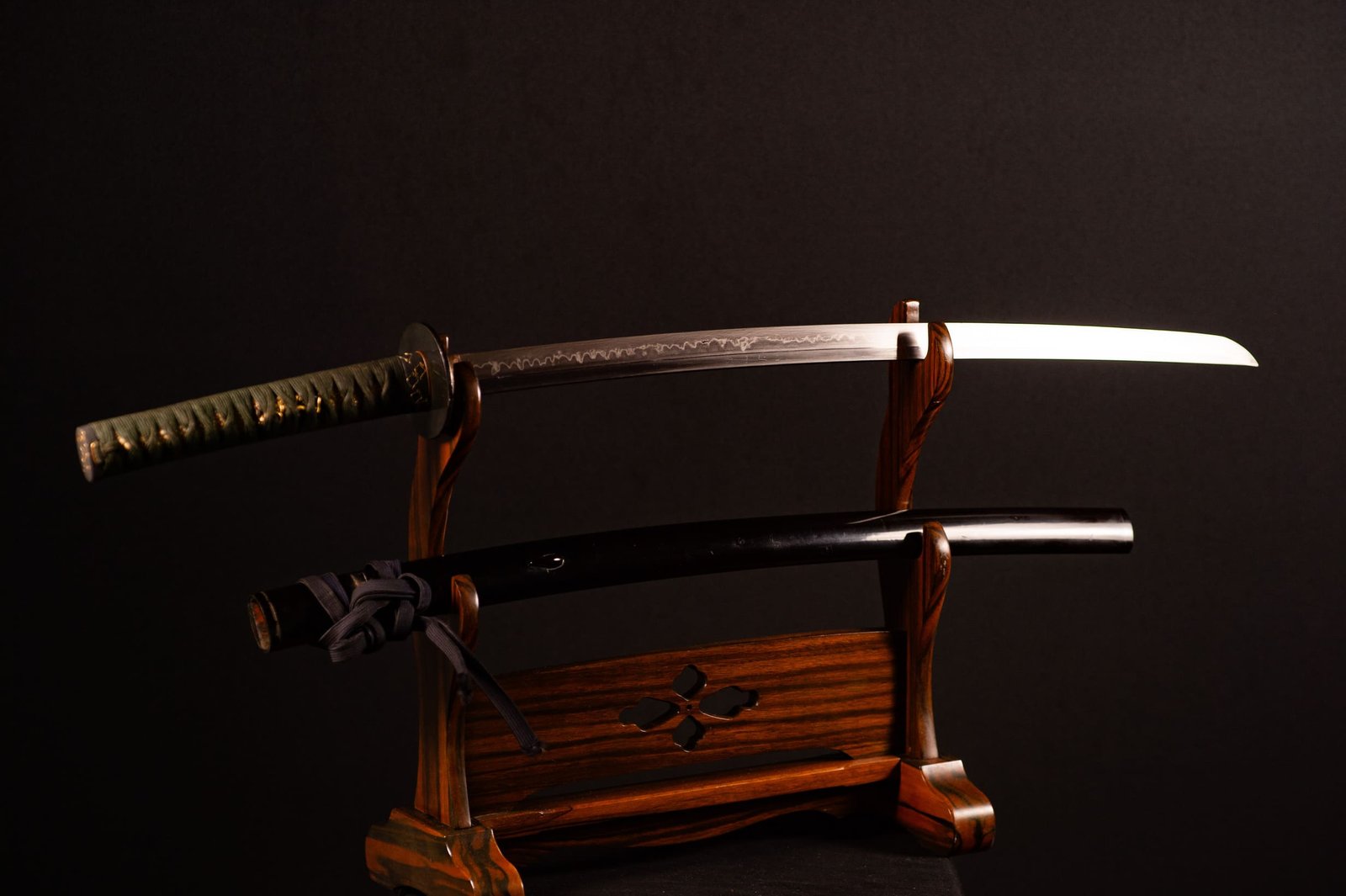
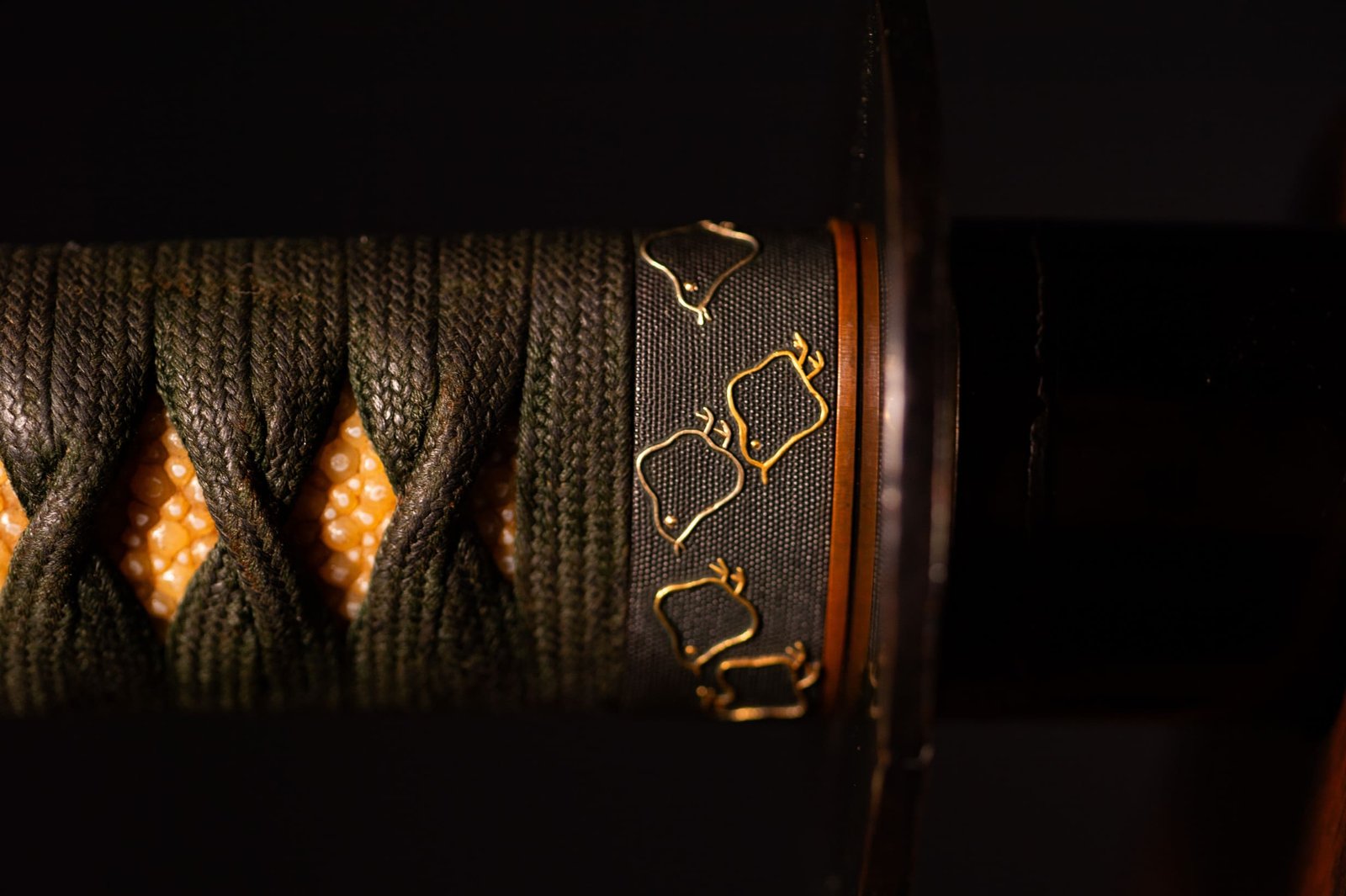
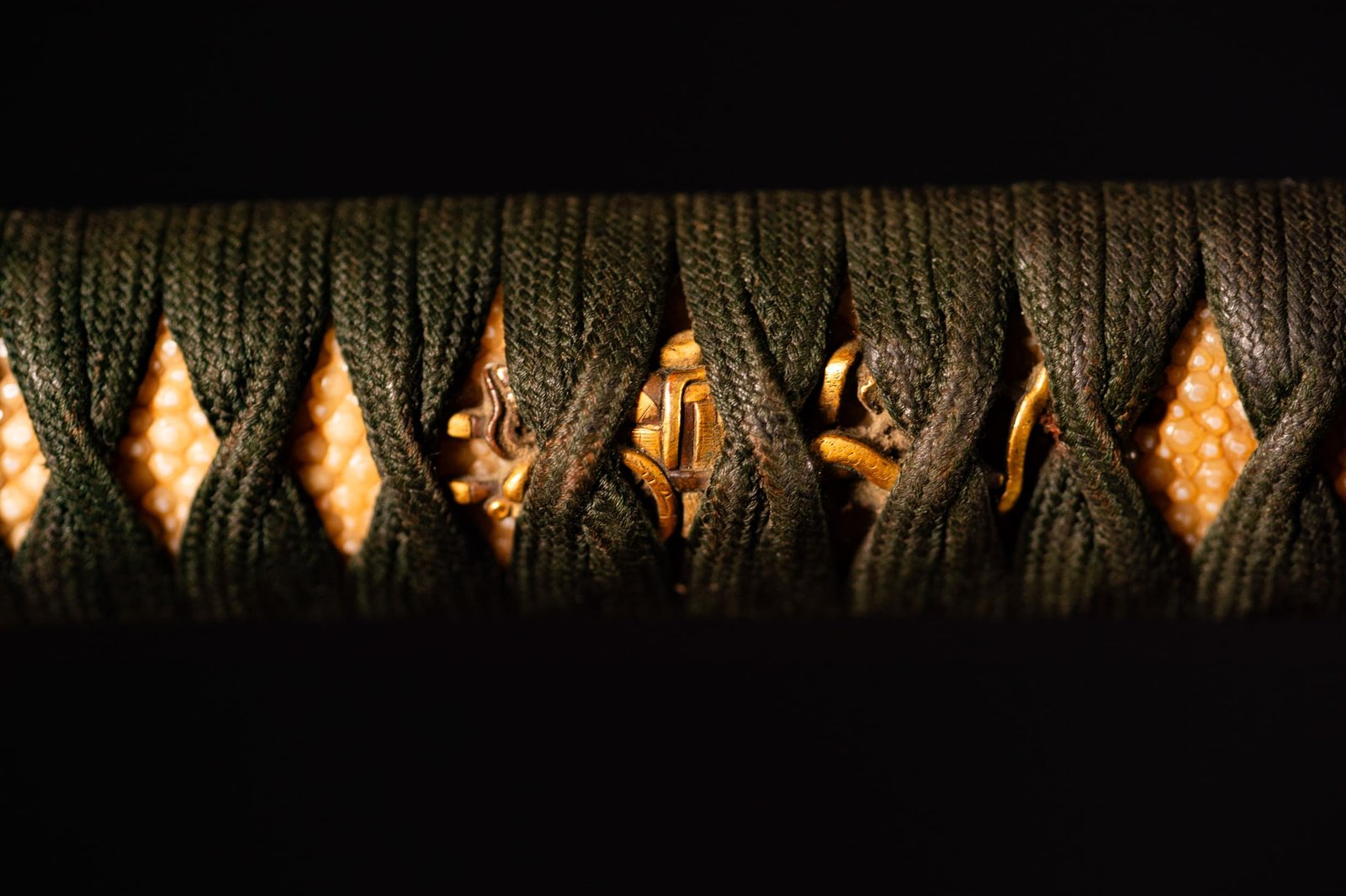
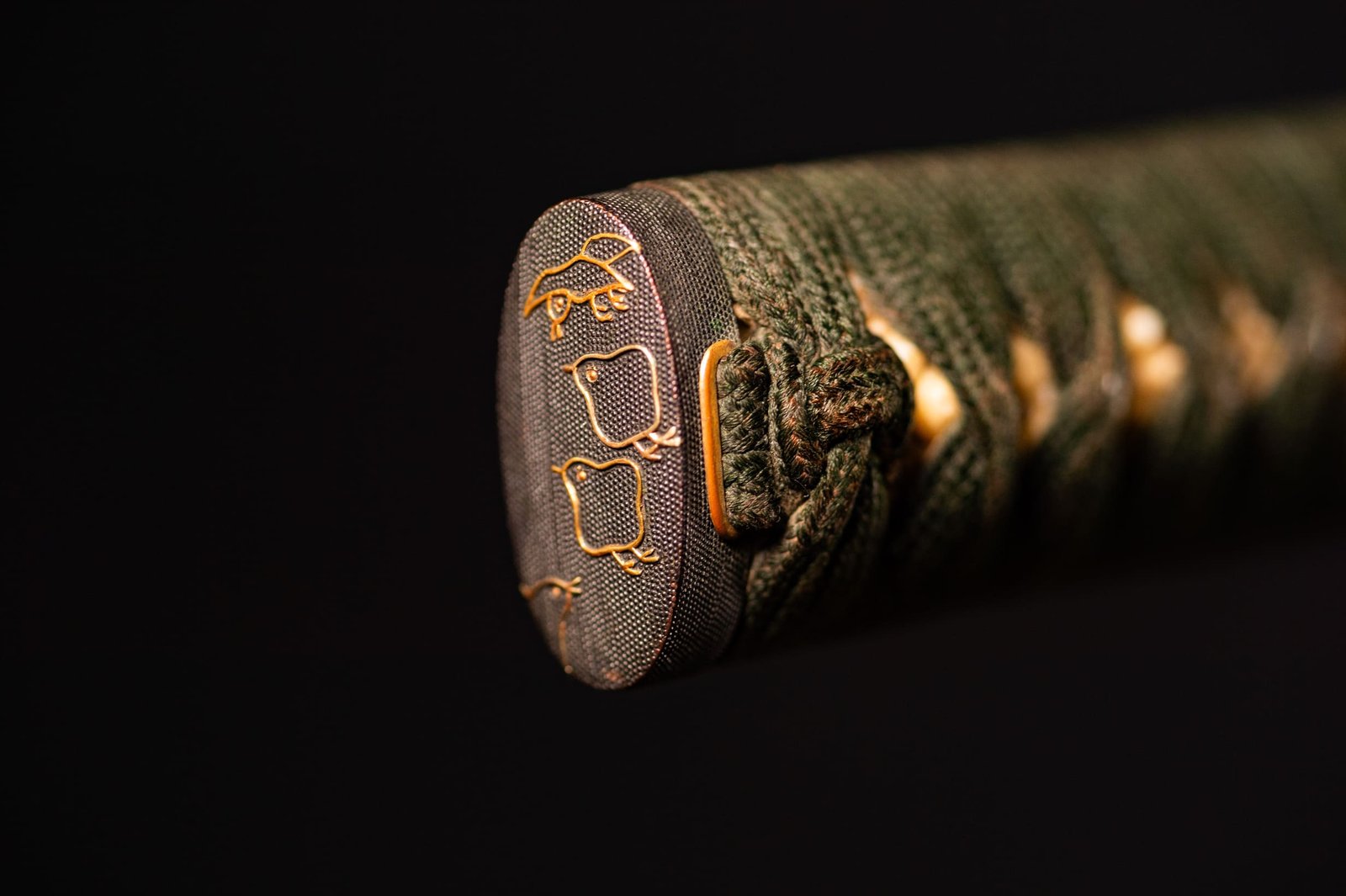
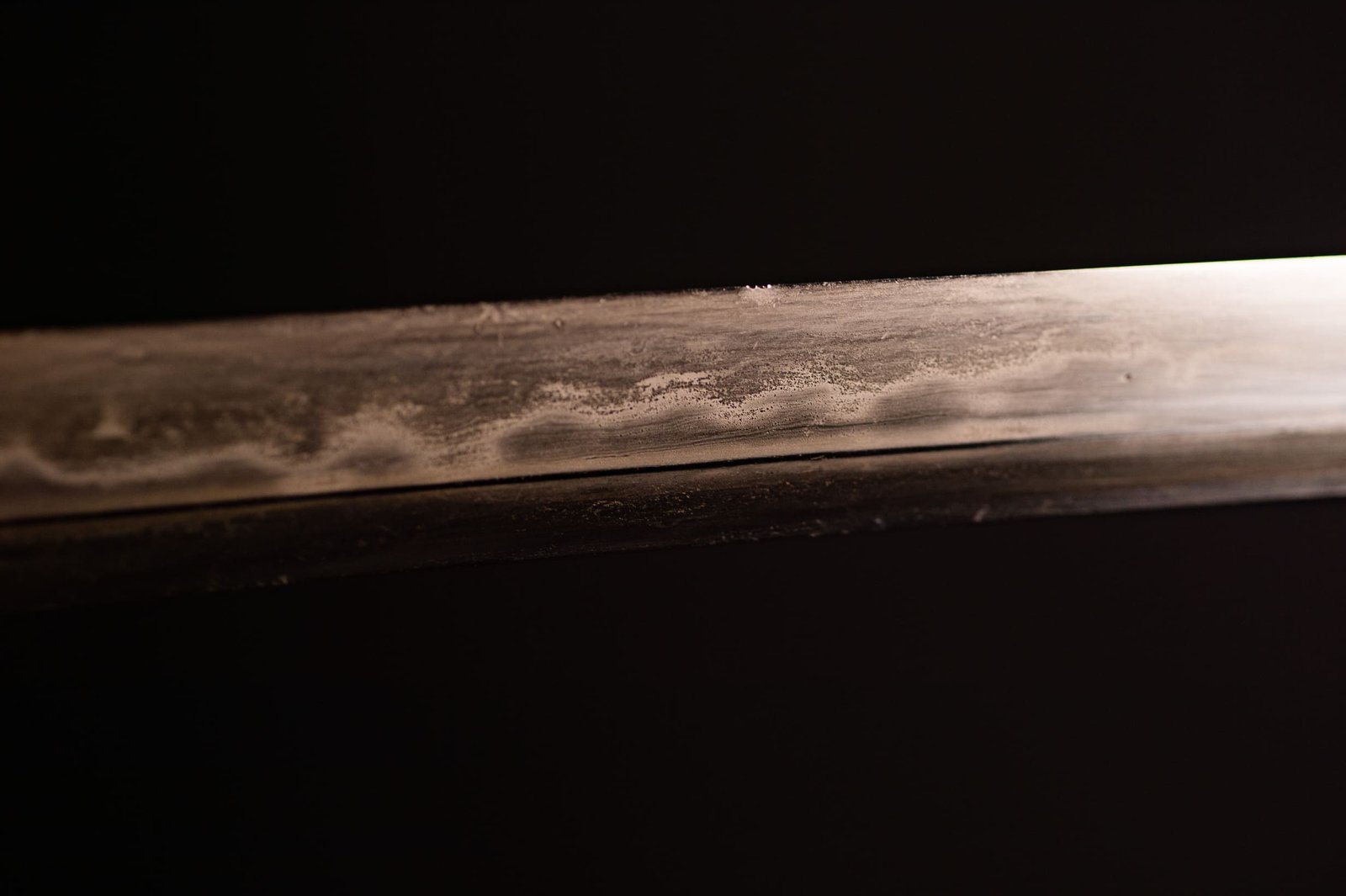
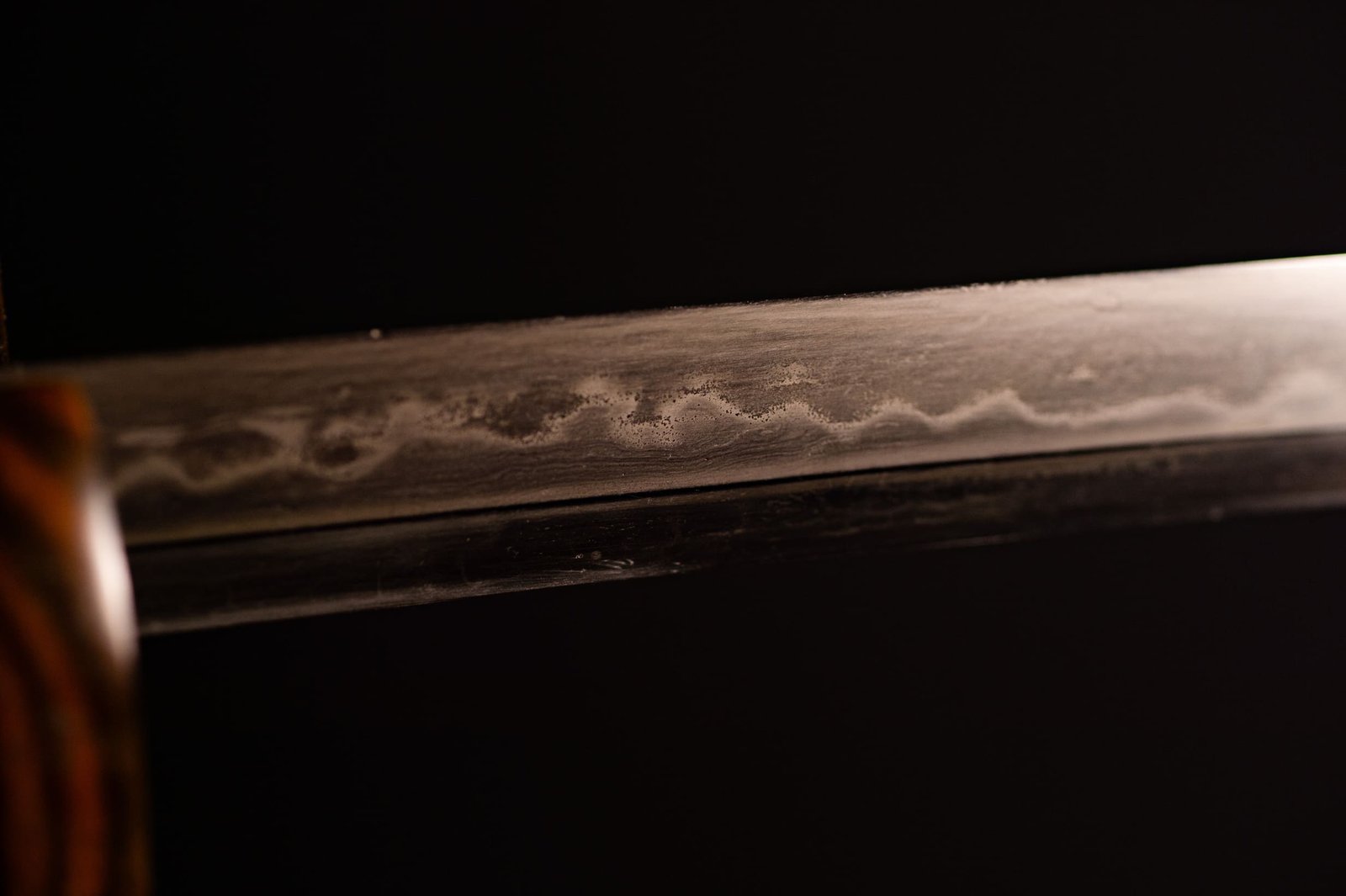
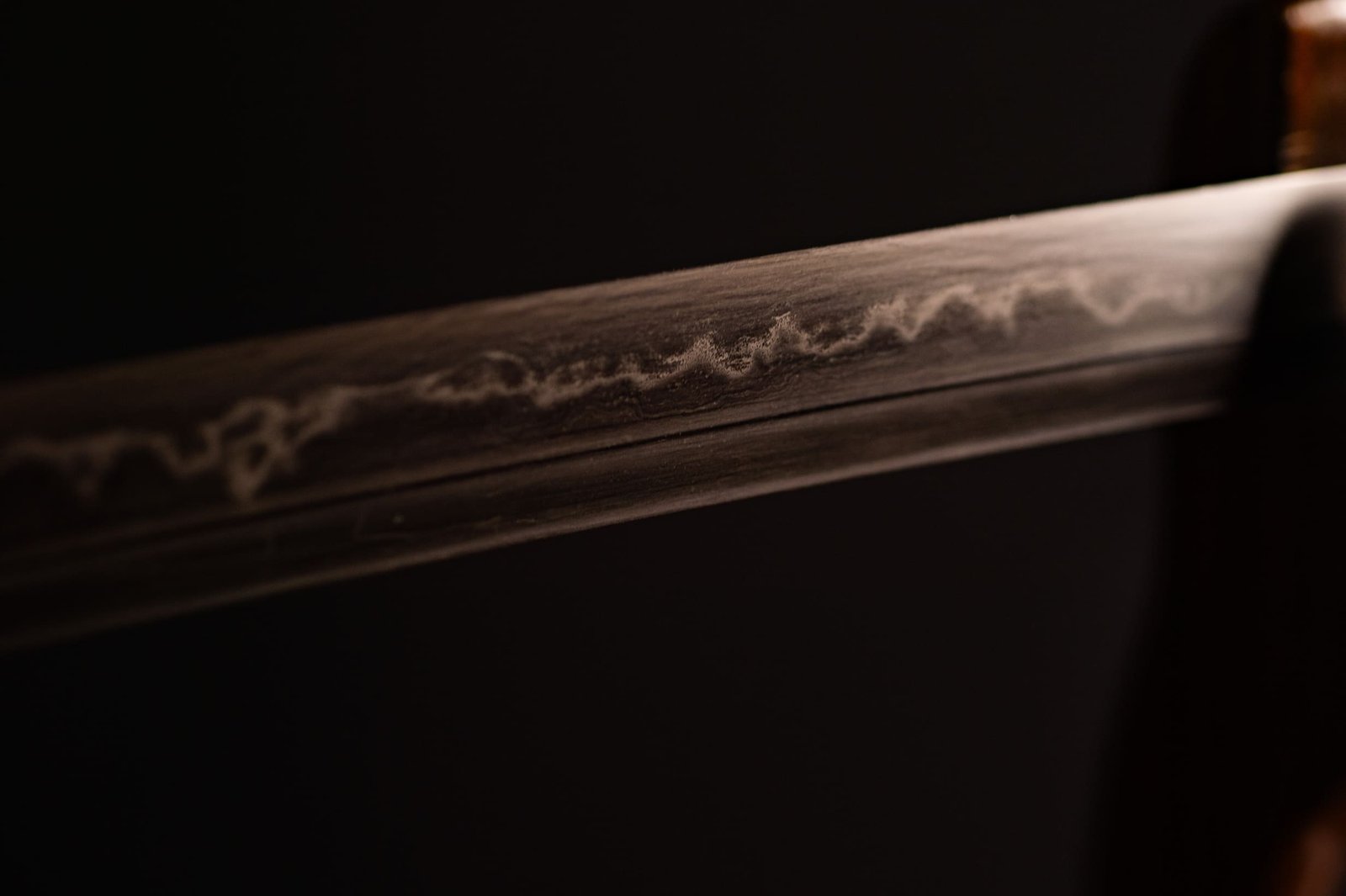
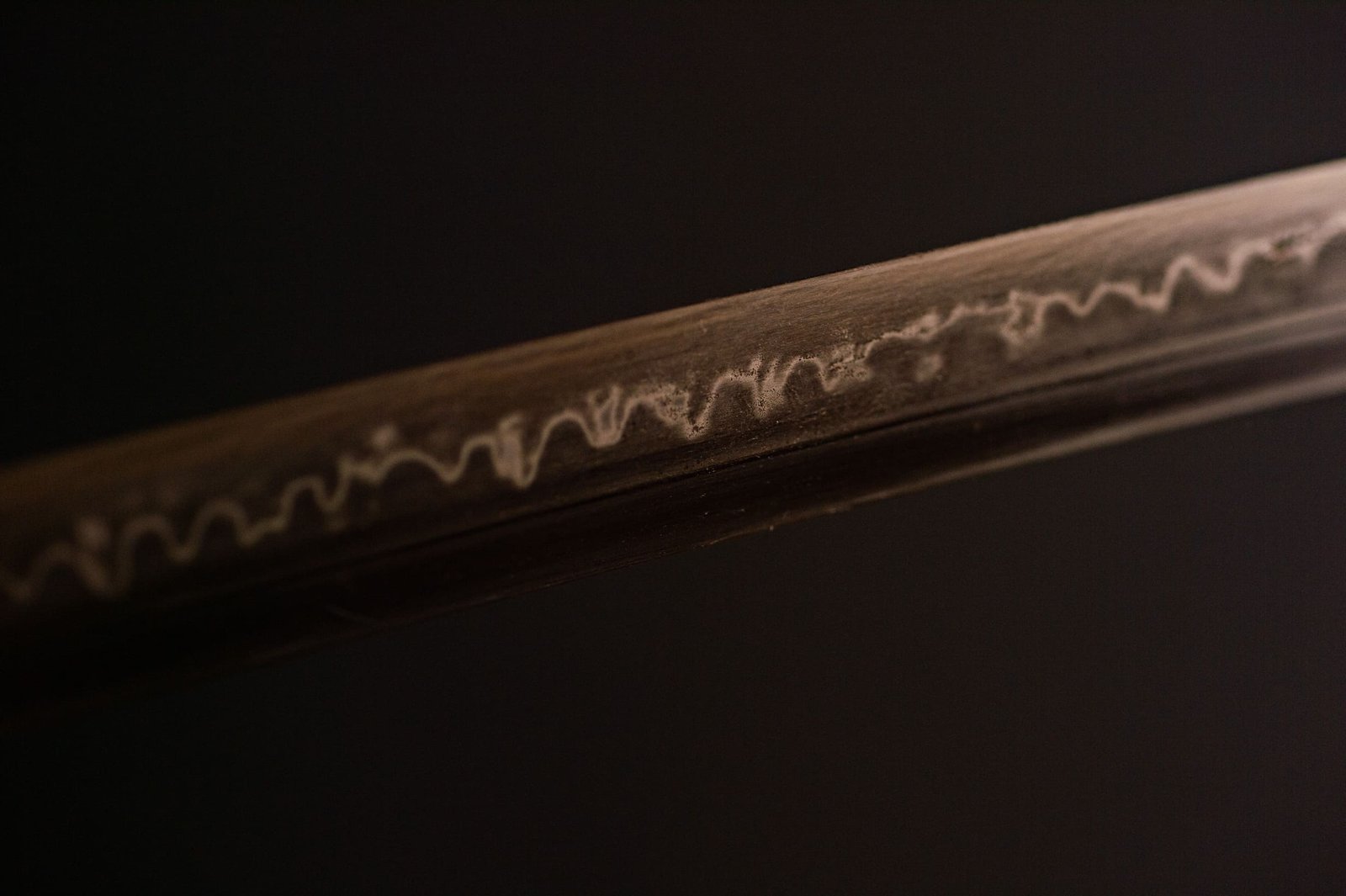
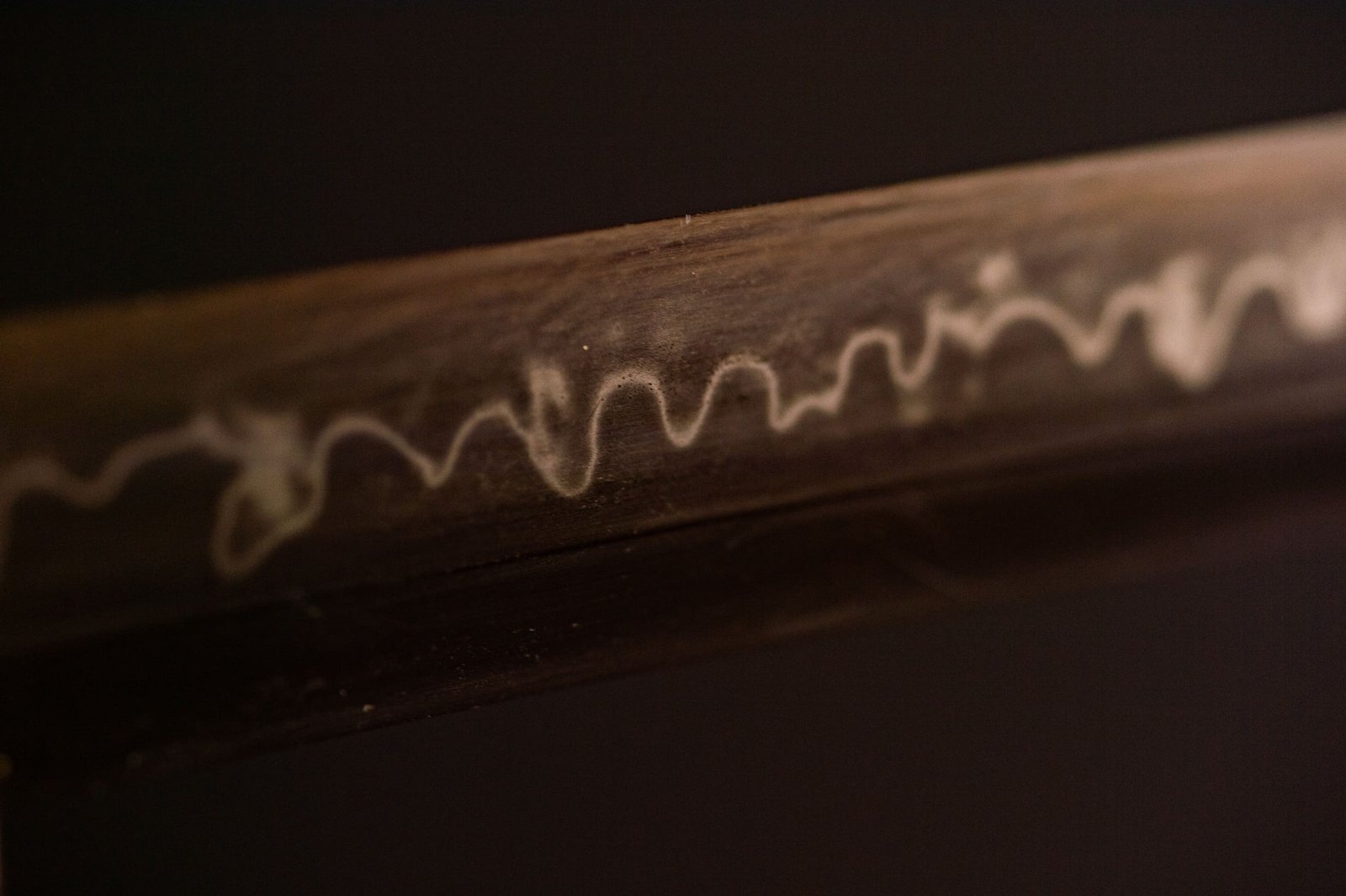
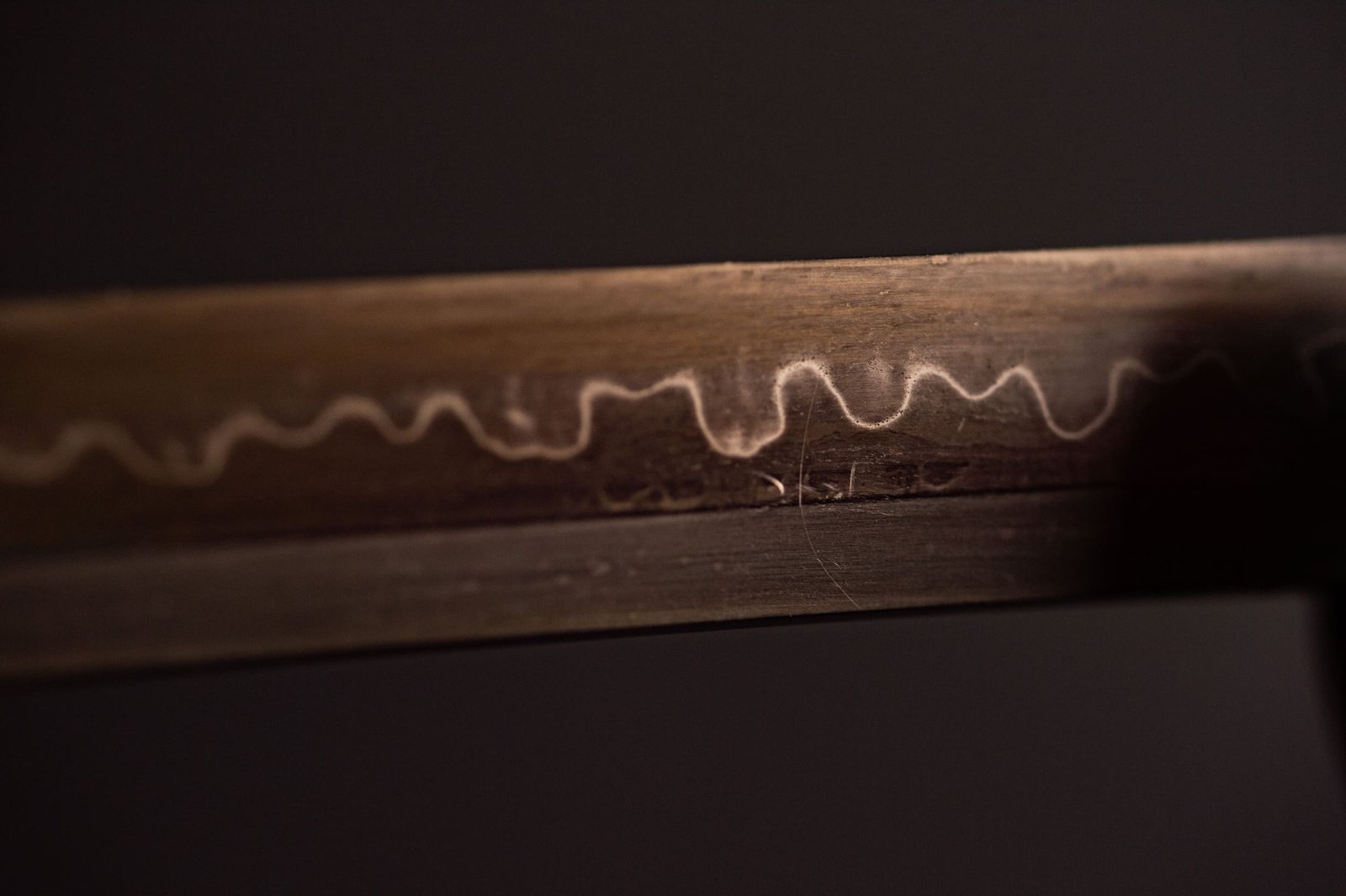
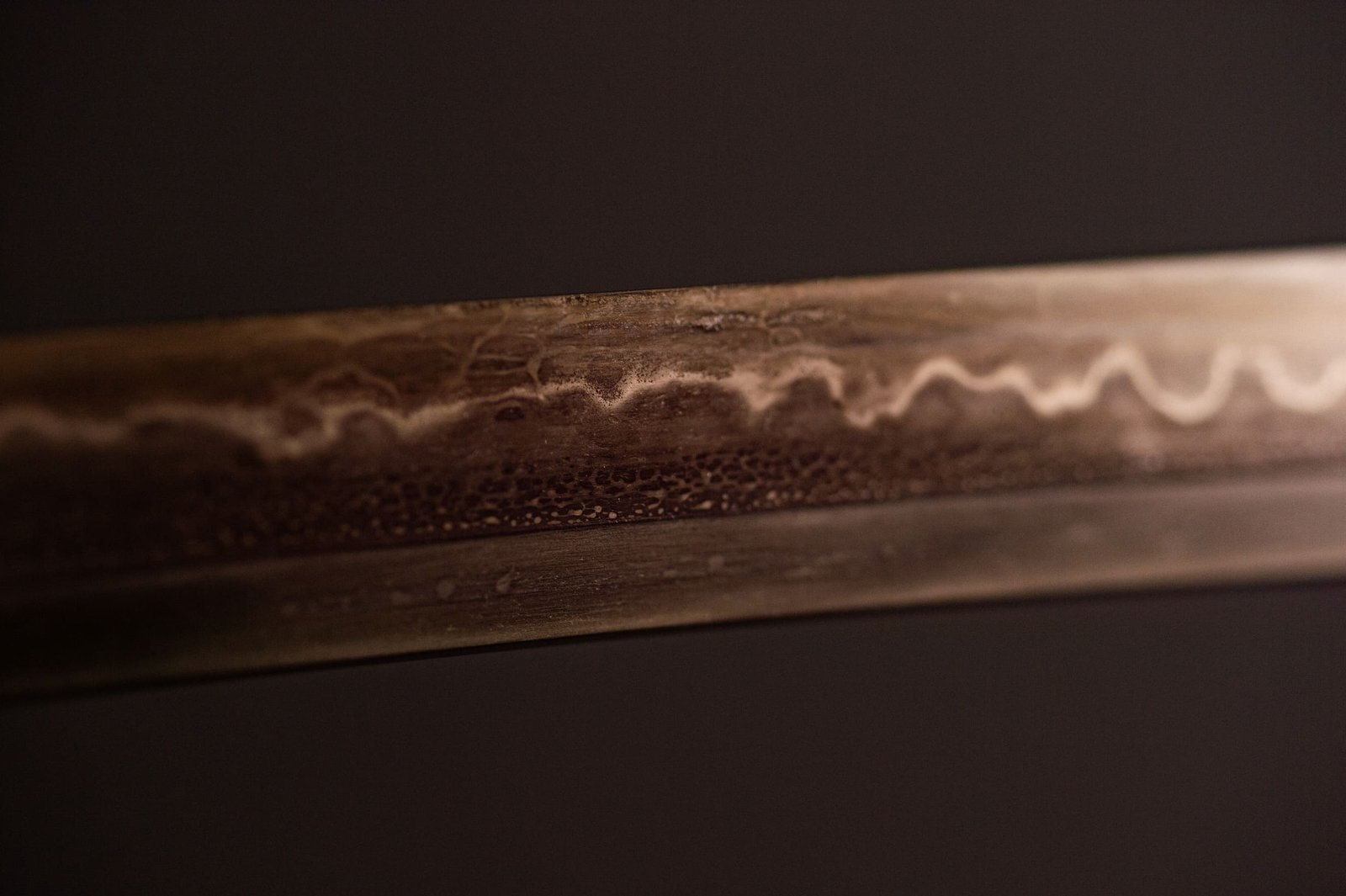
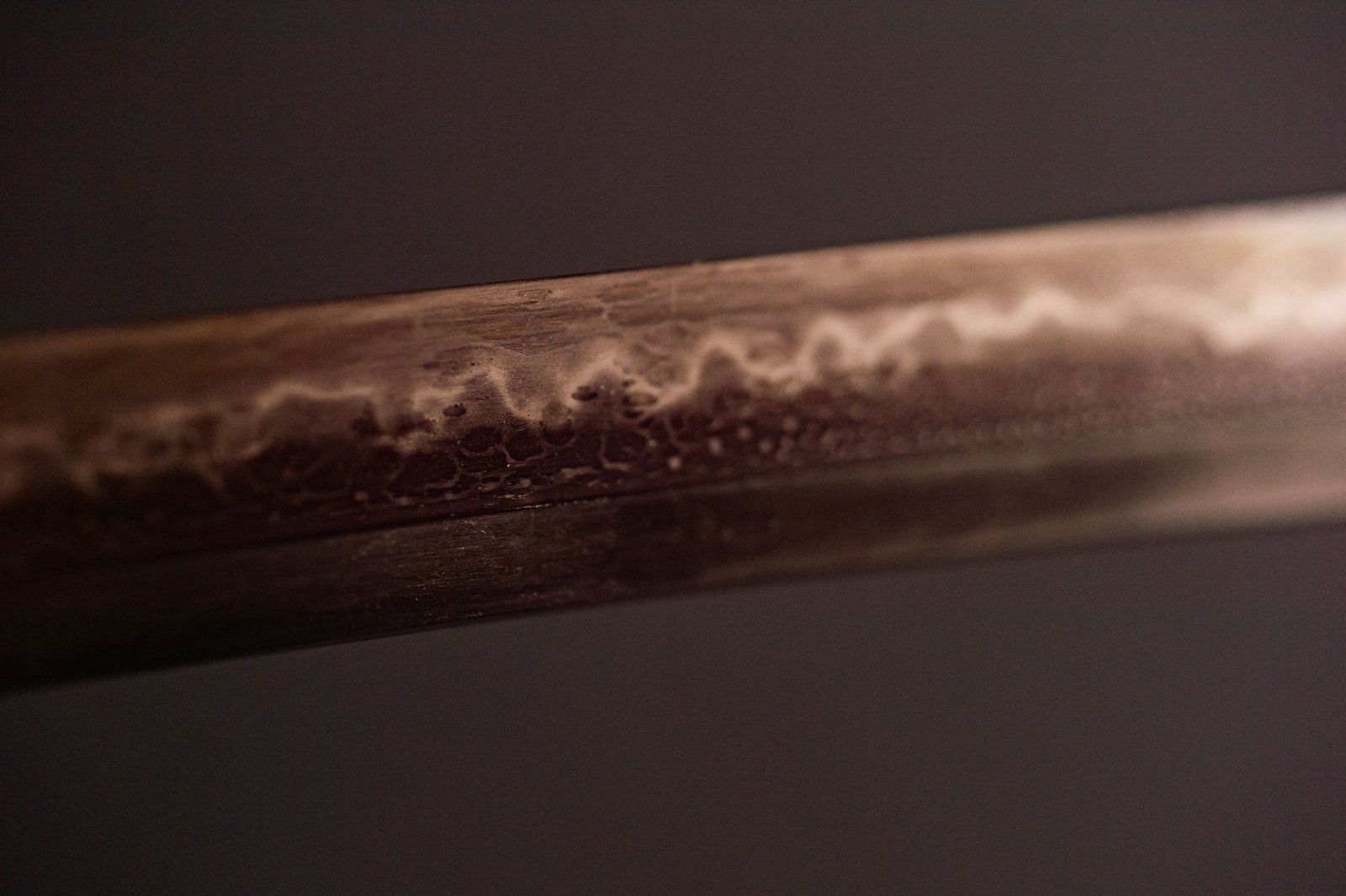
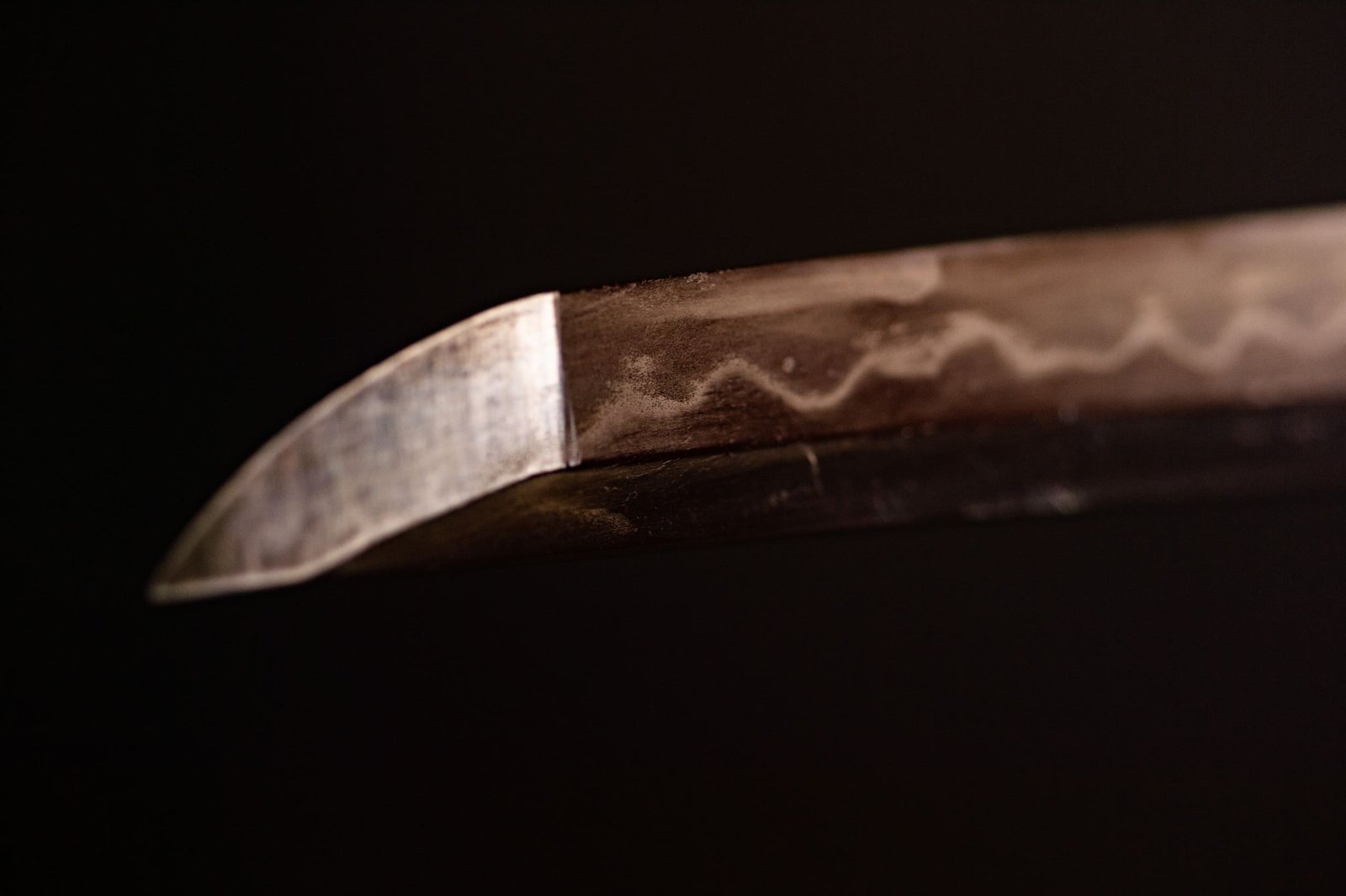
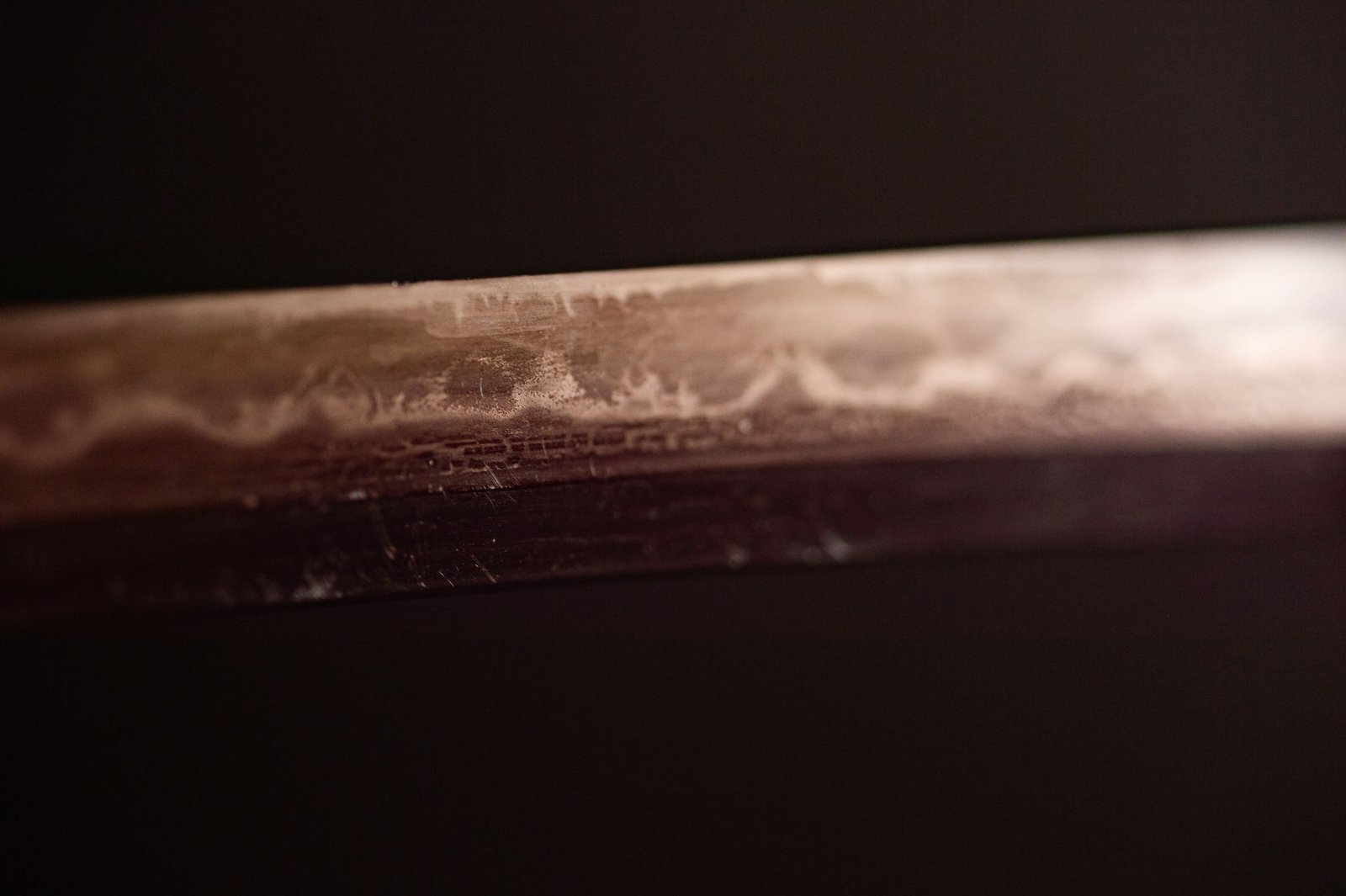
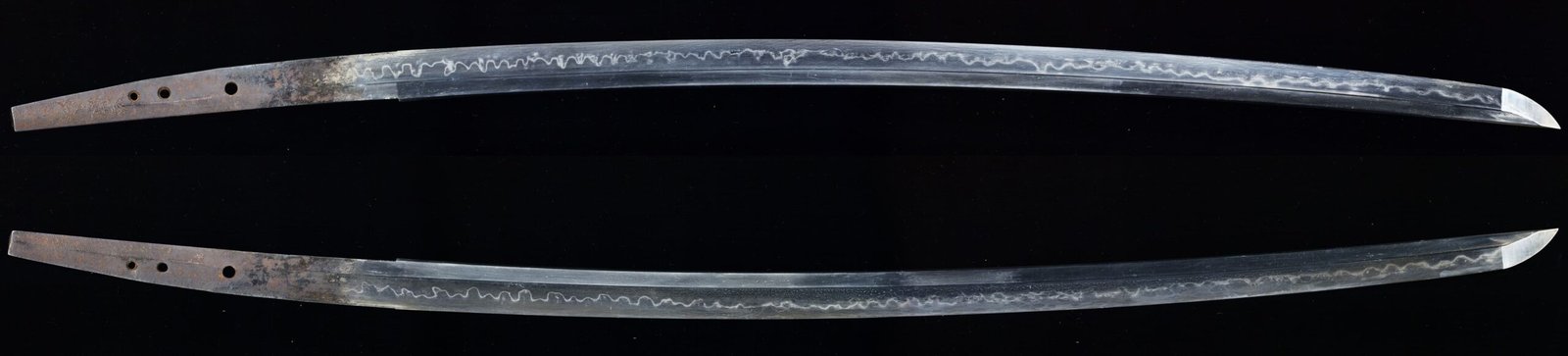
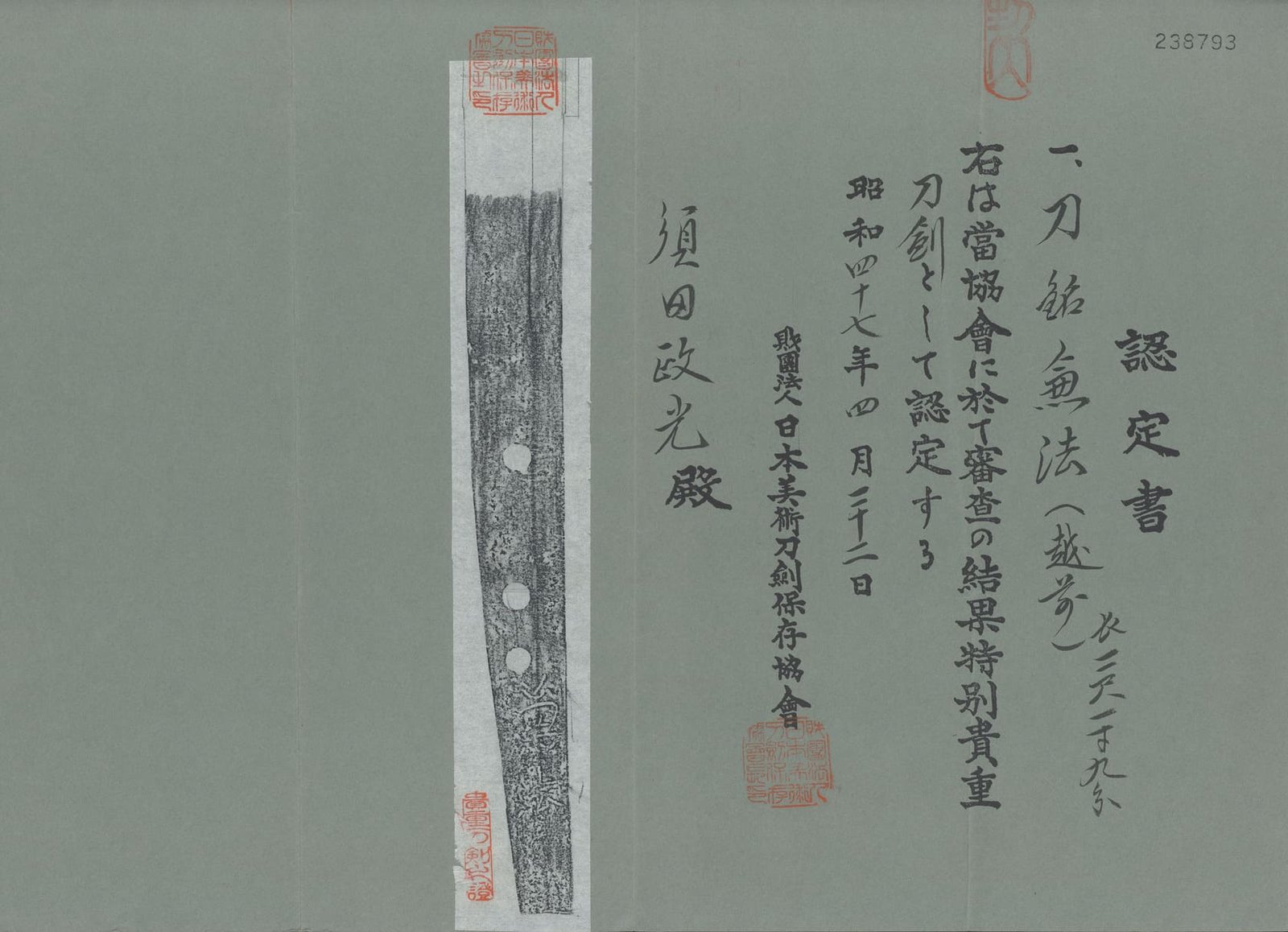
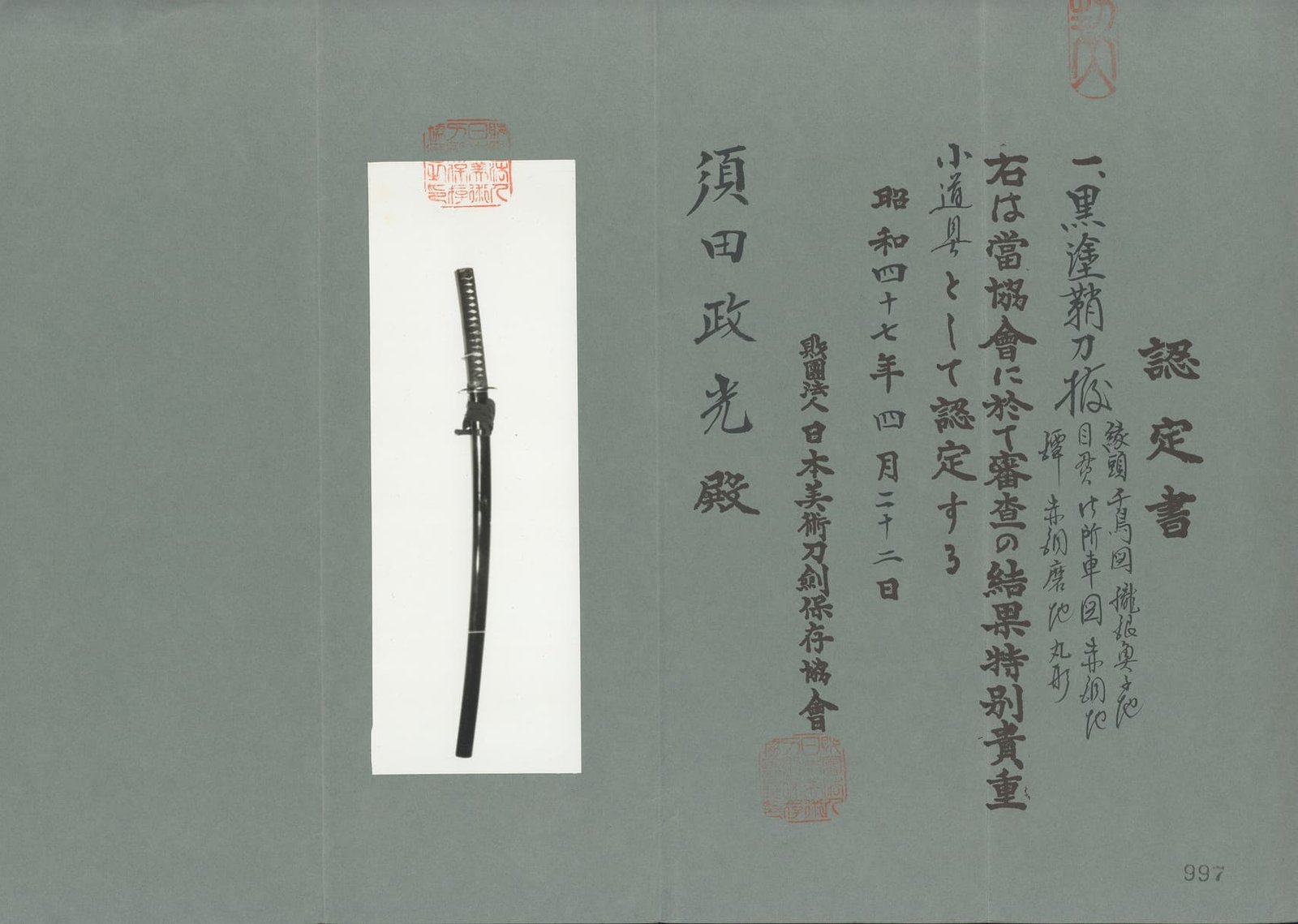
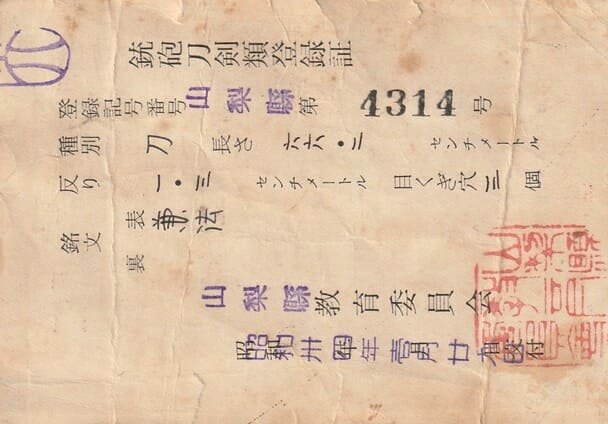
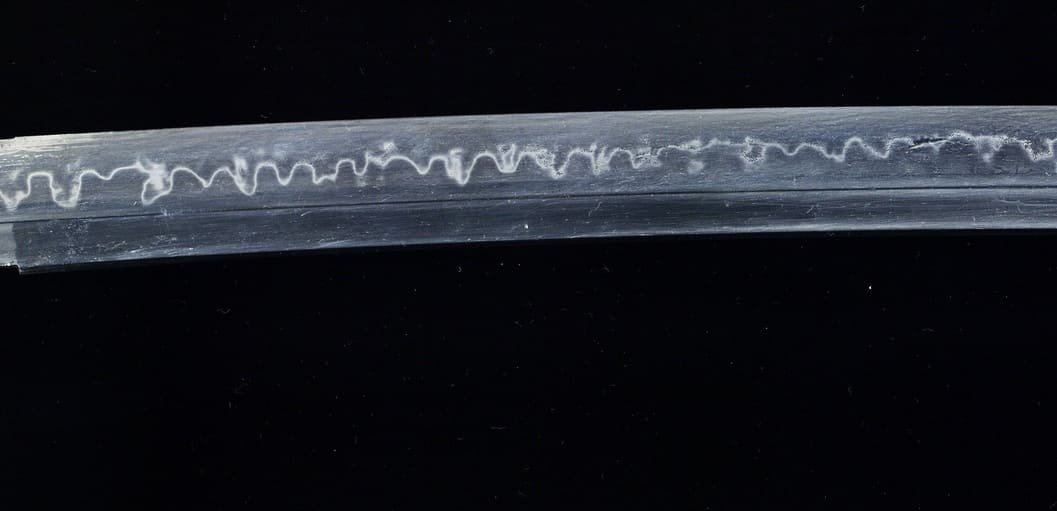
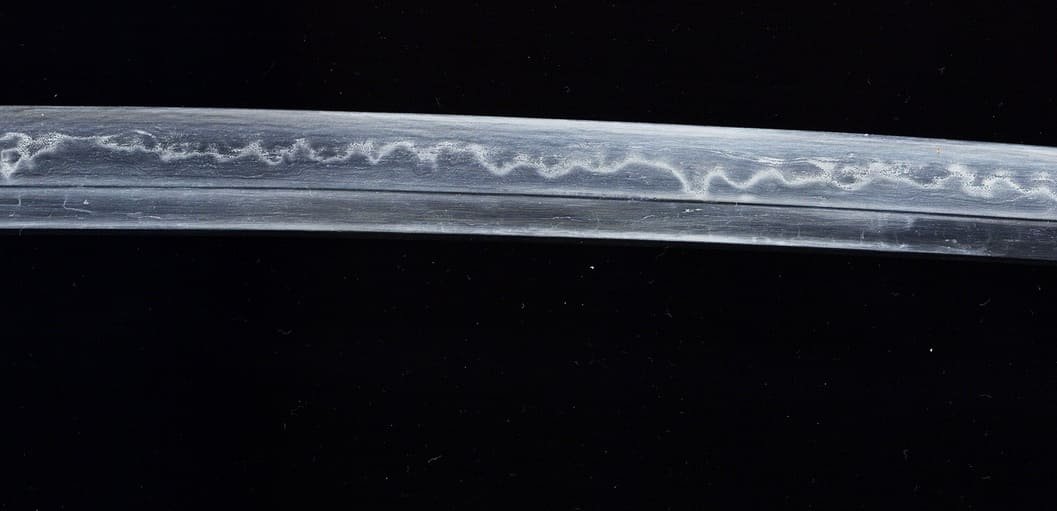
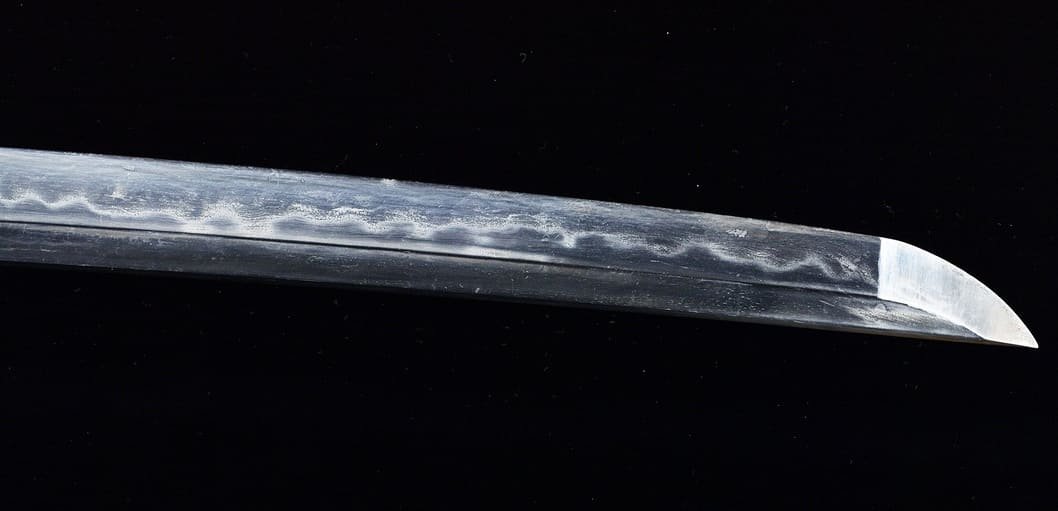
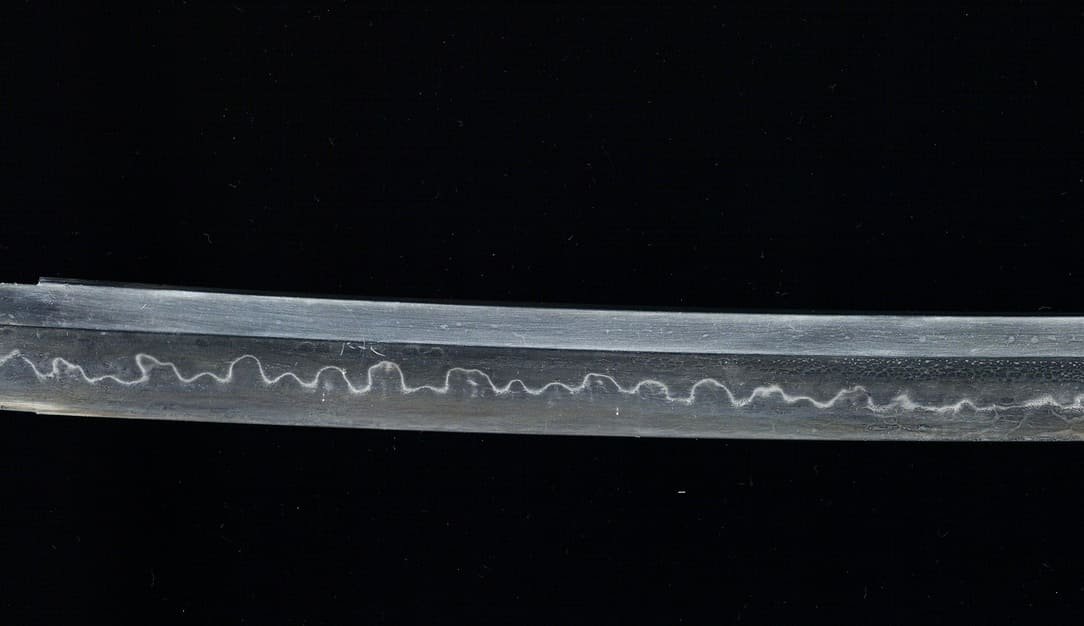
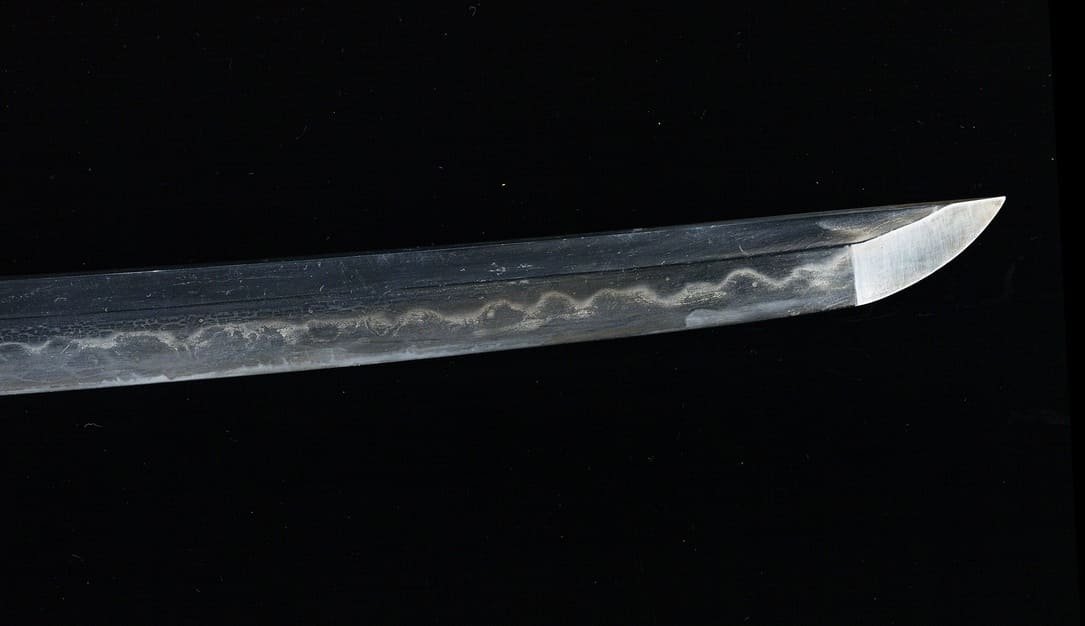
Signed katana by Kanenori (兼法), of a smith line that moved from Mino to Echizen, with a nagasa of 66.2 cm, a well-balanced shinogi-zukuri form and a striking notare hamon breaking into deep, rounded gunome. The blade and koshirae were certified together by the NBTHK in 1972 (Tokubetsu Kichō Tōken and Tokubetsu Kichō Kodōgu). The mounting features shakudō fuchi and kashira with gold plovers, goshoguruma menuki and a polished shakudō tsuba. Excellent condition for its age, with a tōroku-shō issued in 1959.
EUROPEAN UNION - ALL DUTIES & TAXES COVERED
We cover all import duties, taxes and customs fees. No additional customs charges upon delivery.
Free shipping on all orders over €1,000.
INTERNATIONAL - PREFERENTIAL IMPORT RATES
In many countries, genuine antiques benefit from preferential tax treatment, with reduced import VAT and, in some cases, zero import duties.
Free worldwide shipping on all orders over €10,000.
1 in stock
Add to Compare
Add to Wishlist
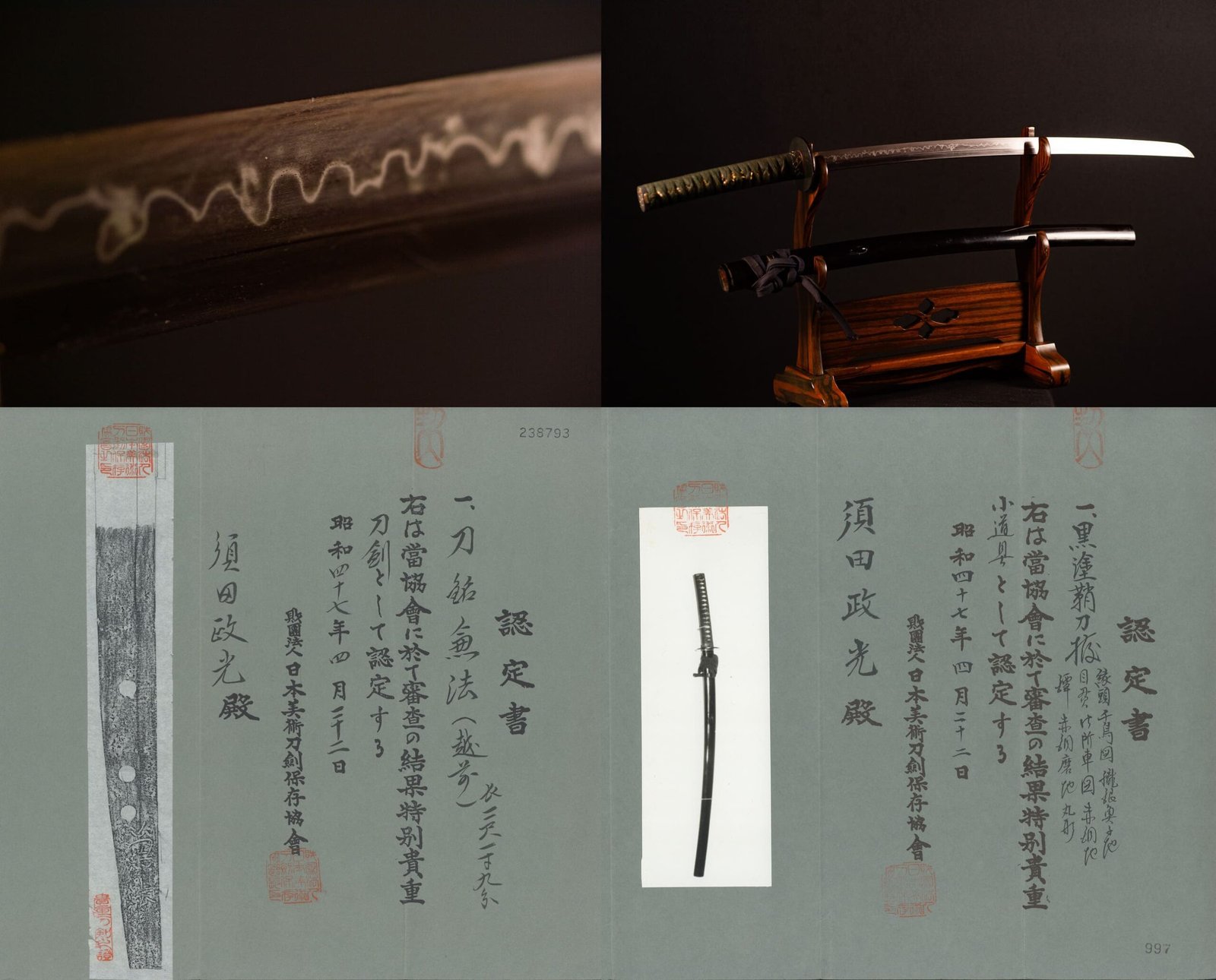
A signed katana by Kanenori (兼法), of a smith line that moved from Mino to Echizen, with a nagasa of 66.2 cm and a striking notare hamon breaking into deep, rounded gunome. The blade and its koshirae were certified together by the NBTHK in 1972: Tokubetsu Kichō Tōken for the blade and Tokubetsu Kichō Kodōgu for the mounting, with shakudō fittings decorated with gold plovers and goshoguruma.
At the end of the Sengoku period, the great forging town of Seki in Mino Province began to empty out. With the country close to unification, the demand for mass-produced battlefield blades fell away.
Smiths followed the new power to the castle towns, where daimyō were building their domains and needed swordsmiths of their own.
Echizen was one of the most attractive destinations. Its new rulers were the Matsudaira, of the Tokugawa blood, and they welcomed craftsmen from Mino.
The Kanenori line, which shared the Seki character 兼, was among those who made the move.
Its smiths kept the robust, practical spirit of Mino while working in the service of a powerful castle town.
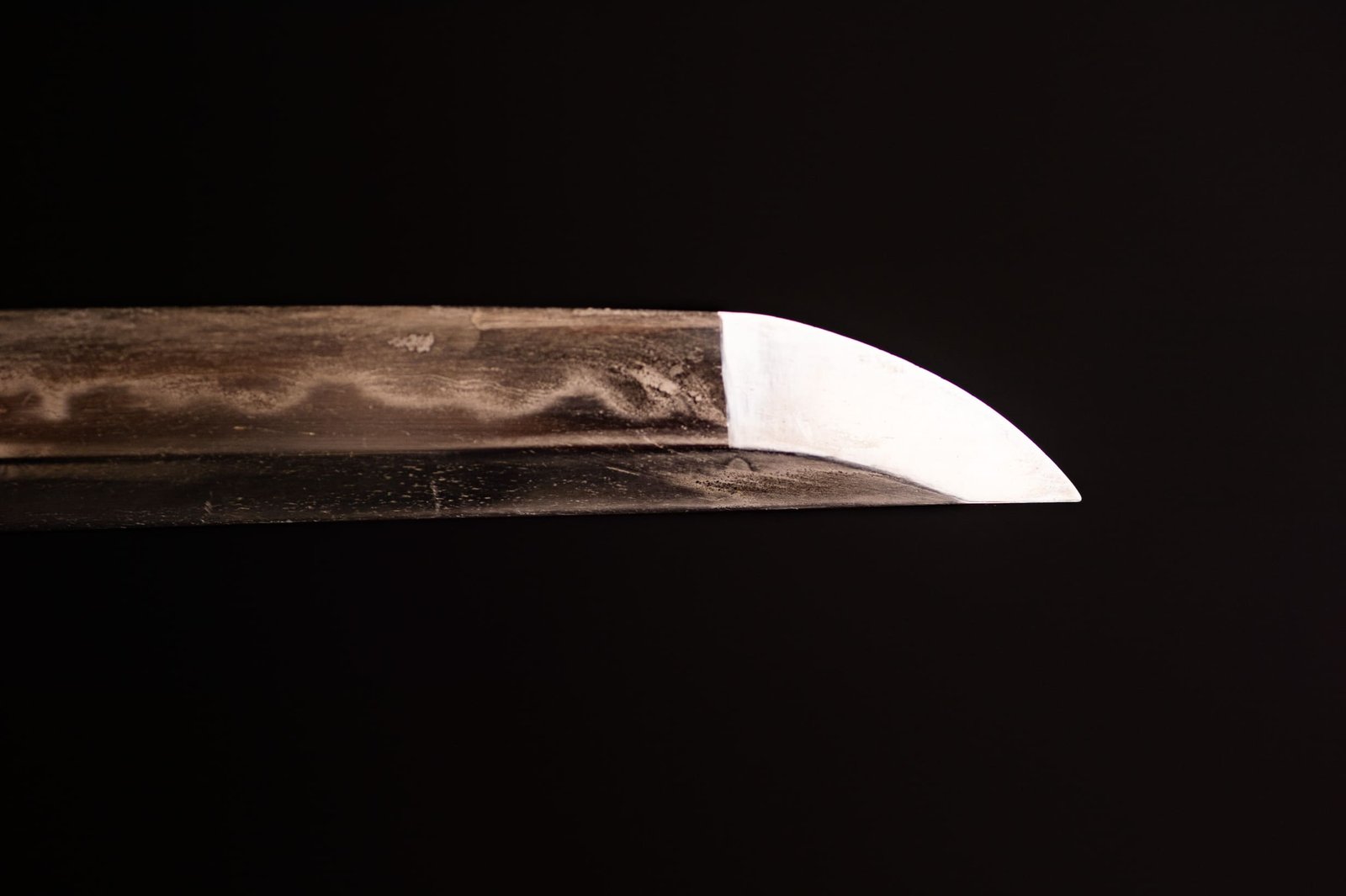
This katana has a well-balanced shinogi-zukuri form with a gentle curvature (sori of 1.3 cm) and a chū-kissaki.
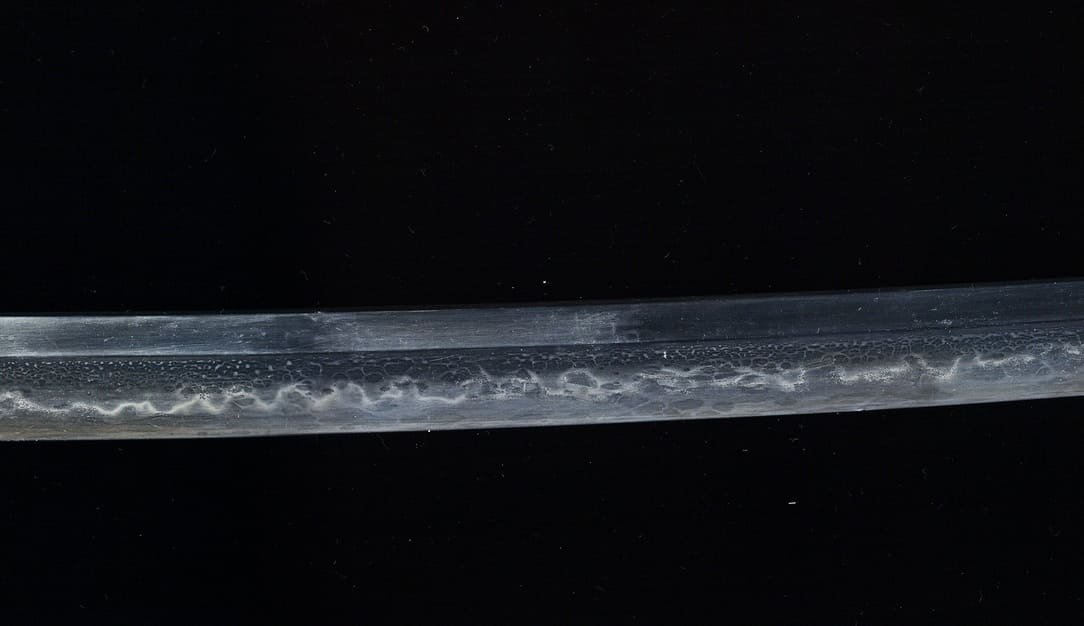
The hamon is a lively notare that breaks into deep, rounded gunome valleys, rising and falling along the whole edge like a line of hills.
It is outlined in a clear, bright nioiguchi with scattered nie, and is set against a visible forged grain.
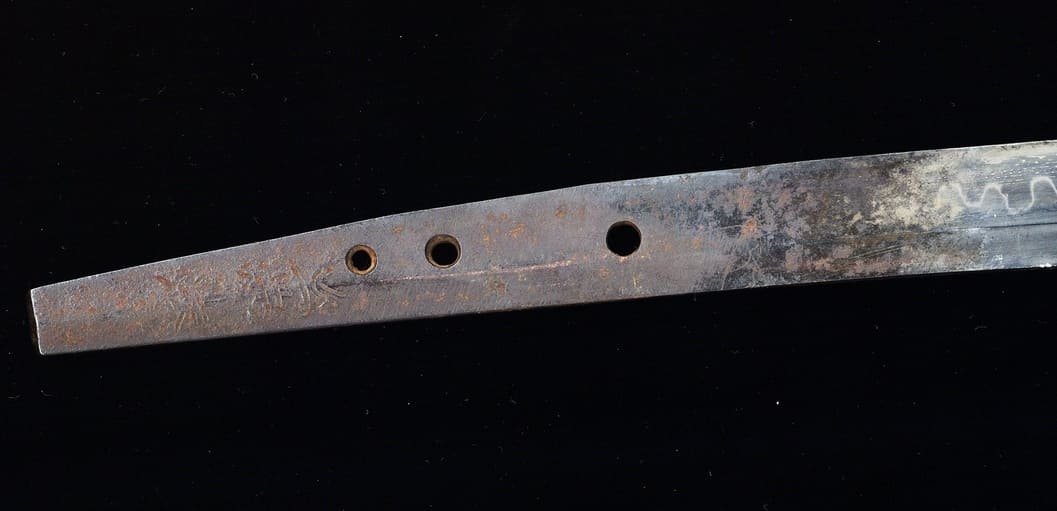
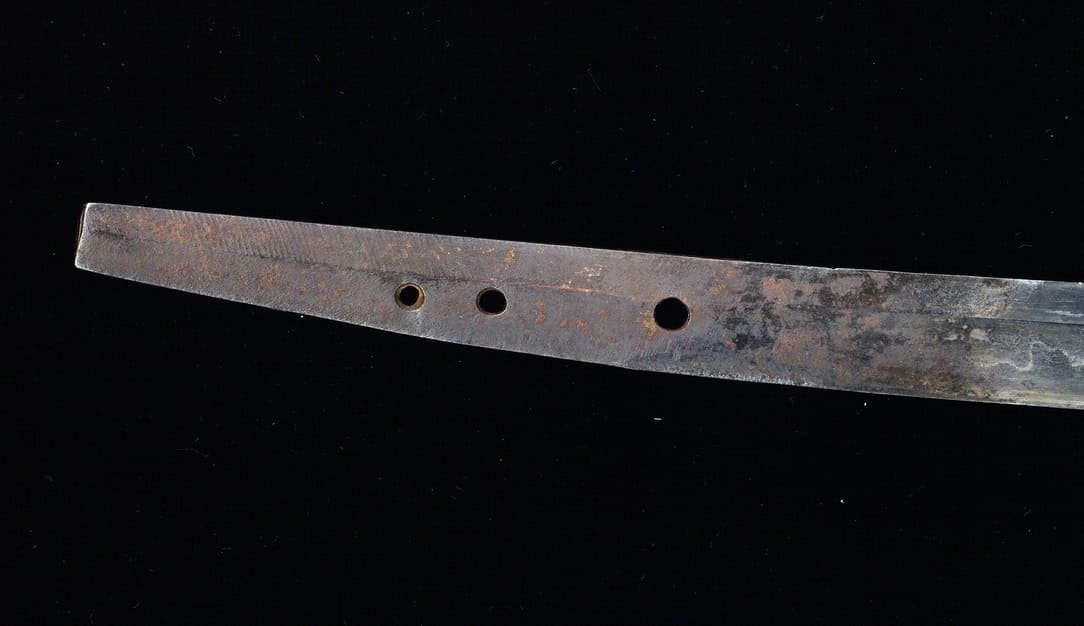
The nakago bears the two-character signature 兼法 (Kanenori) and three mekugi-ana, a sign that the blade was remounted over its long working life.
The NBTHK certified the blade as Tokubetsu Kichō Tōken in 1972, with an attribution to Echizen.
On the same day the association granted the mounting its own Tokubetsu Kichō Kodōgu certificate. A blade and koshirae papered together like this have stayed together for at least half a century.
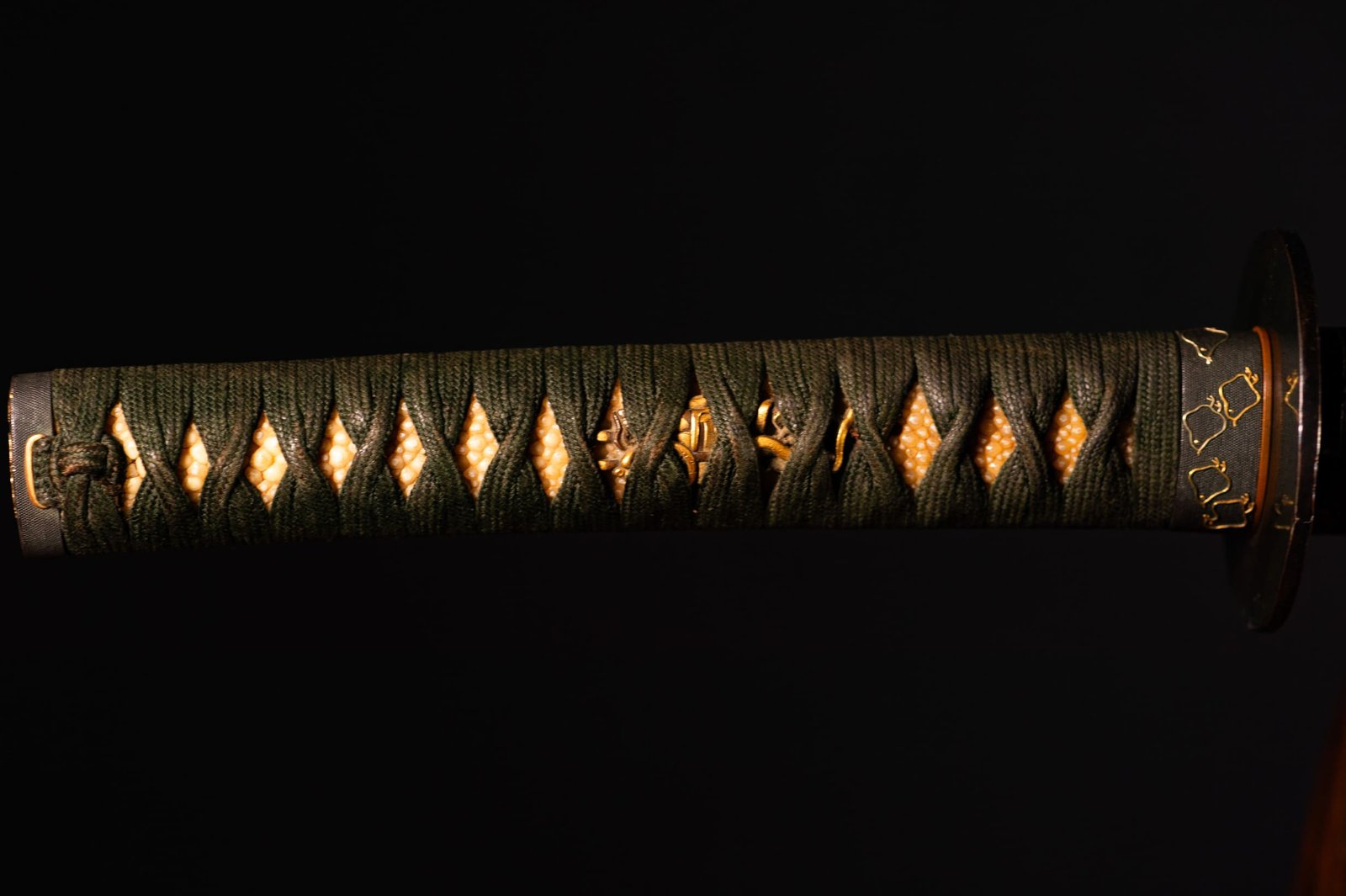
The fuchi and kashira are made of shakudō on a fine nanako ground, inlaid in gold with flights of plovers (chidori).
The playful little birds were a favourite among samurai. Their name can be read as “a thousand catches”, a wish for good fortune and victory, and they were admired for crossing the waves without fear.
The menuki are made of shakudō and gold, in the form of goshoguruma, the lacquered ox-carts of the Heian imperial court and an emblem of elegance and noble refinement.
The round tsuba is made of polished shakudō.
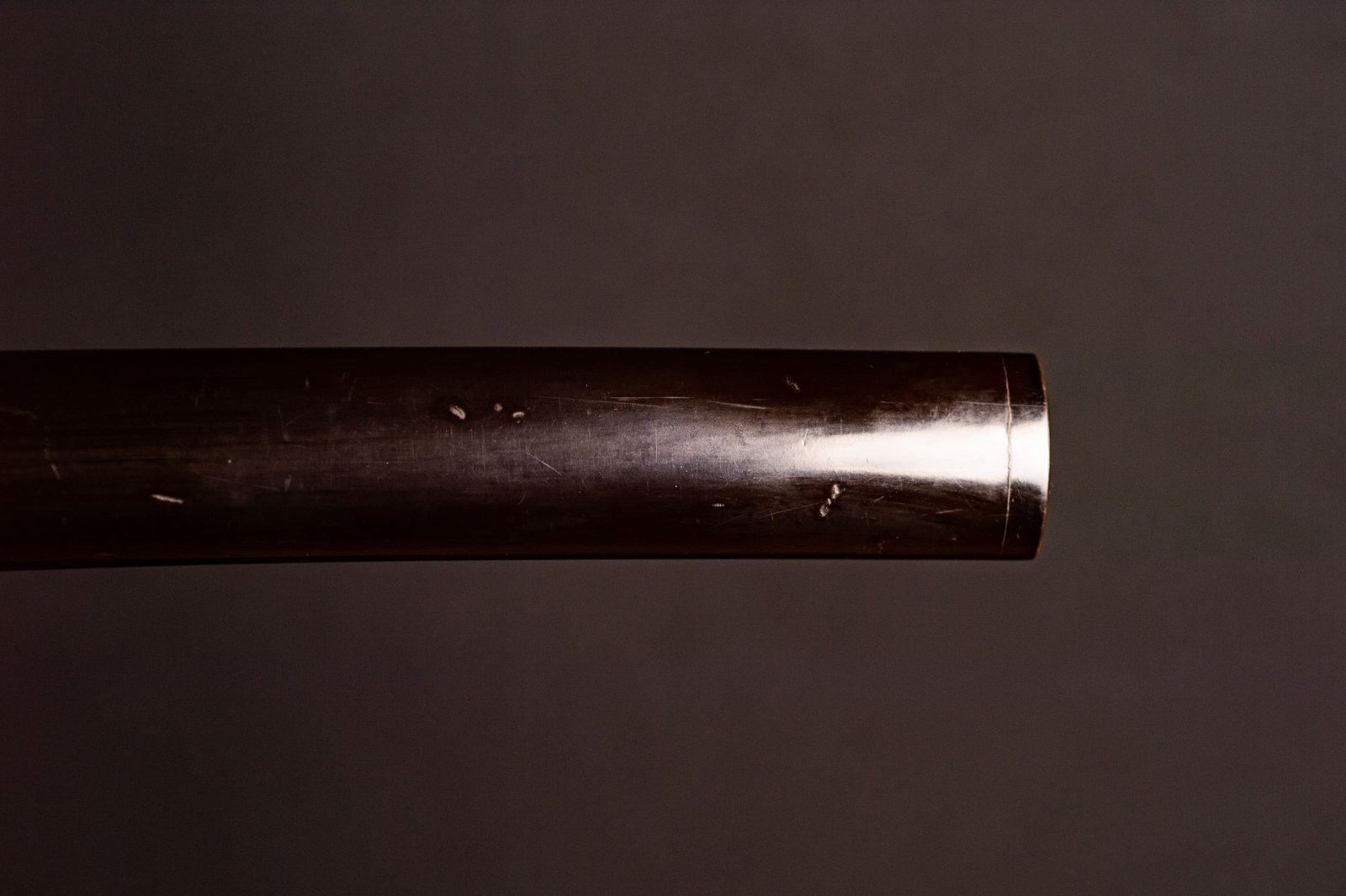
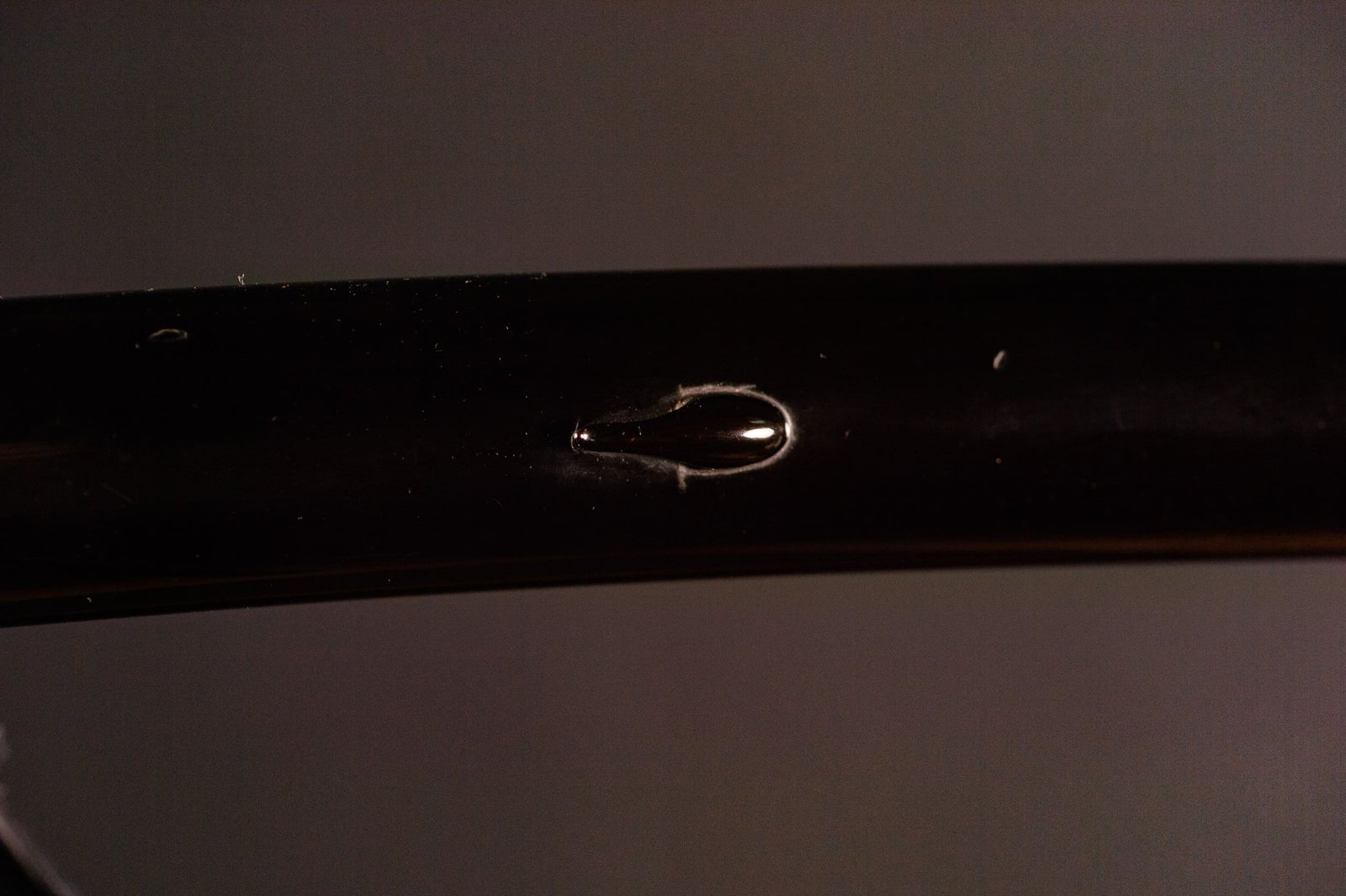
The saya is finished in black lacquer.
Dark green silk ito over white same and a navy sageo complete the ensemble.
The blade also comes with its Japanese registration certificate (tōroku-shō), issued in Yamanashi Prefecture in 1959.
This katana combines a signed blade with a certified koshirae featuring shakudō, gold, silk, same and lacquer.
Excellent condition for its age, with only minor wear consistent with its antiquity.
The blade and its koshirae are accompanied by their NBTHK Tokubetsu Kichō certificates and the Japanese registration certificate (tōroku-shō).
This katana stands out for its striking hamon and for a blade and koshirae that have been papered and kept together for more than half a century.
A katana that carries the robust spirit of Mino into the castle town of Echizen, preserved with the koshirae that has accompanied it for at least half a century. Its striking hamon, refined shakudō fittings and double NBTHK certification make it a particularly compelling addition to a collection of antique Japanese swords.

Order above 1.000,00 € gets free shipping.

Secure and hassle-free payment process.

Certificate of authenticity included.

Have questions? Contact us via WhatsApp.
Contact
Discover exceptional Japanese swords, armor and works of art with our limited-time Black Friday offers.
OFFER ENDS NOVEMBER 30, 2026
Enter your code at checkout. Discounts cannot be combined with other coupons. Eligible orders only.