

1 in stock
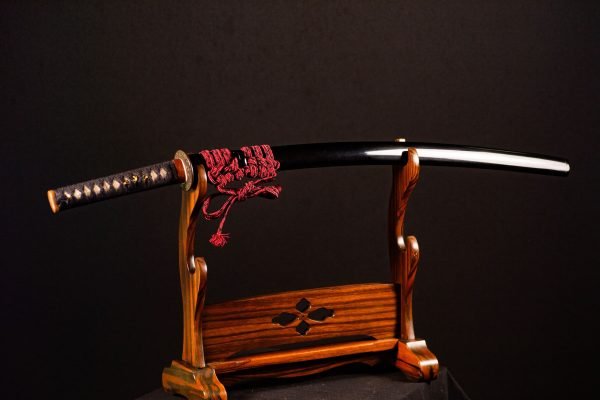
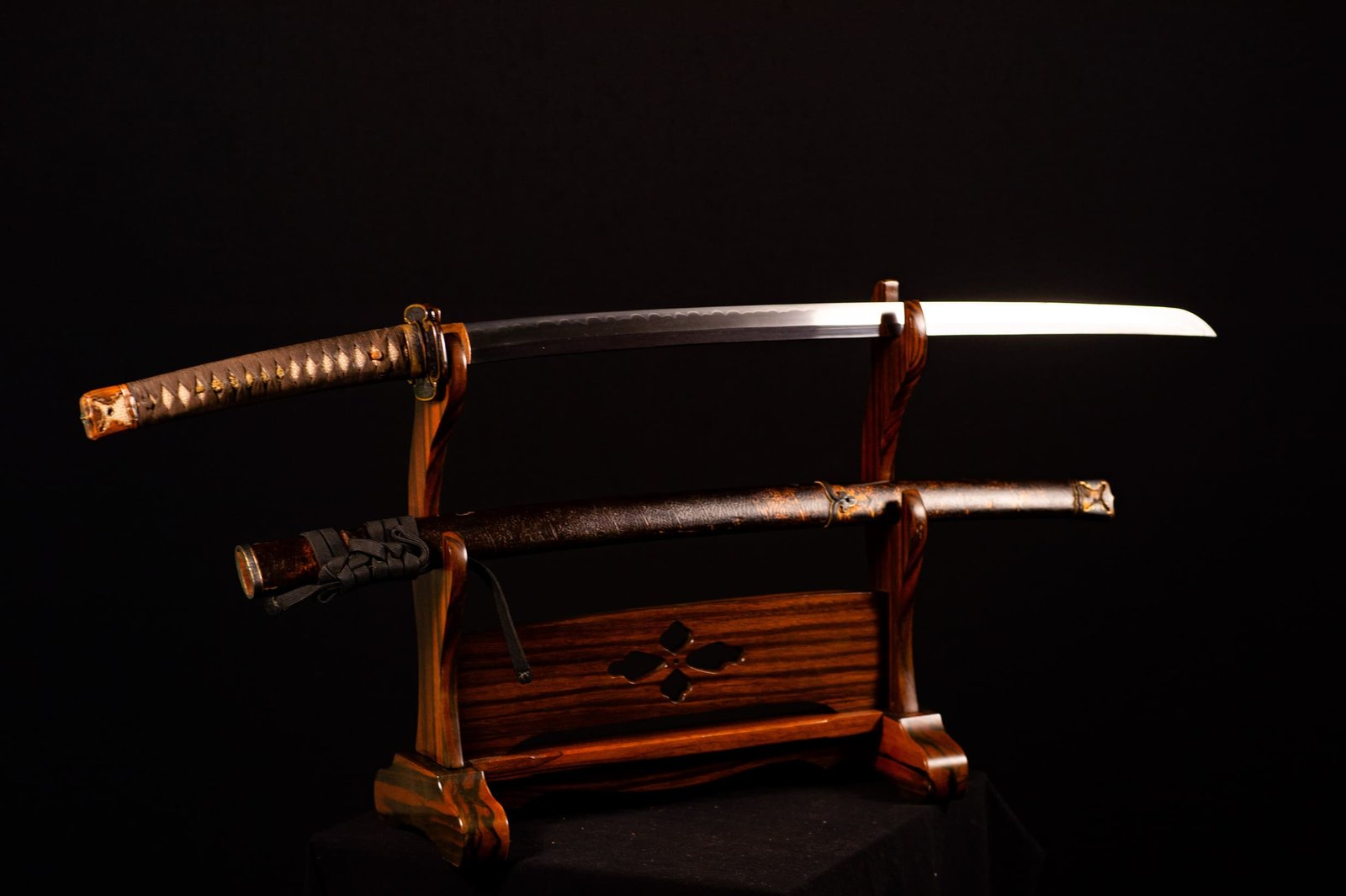
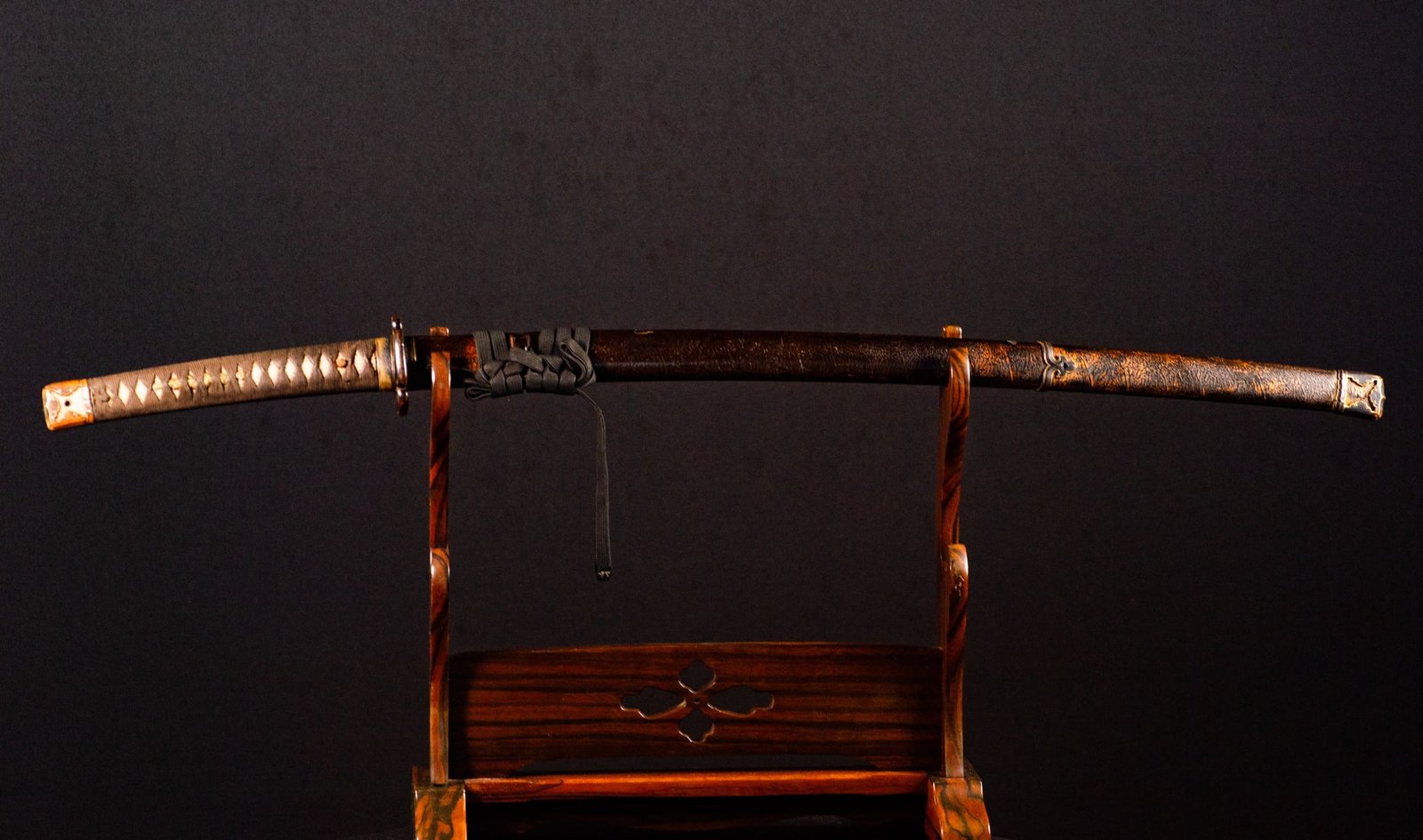
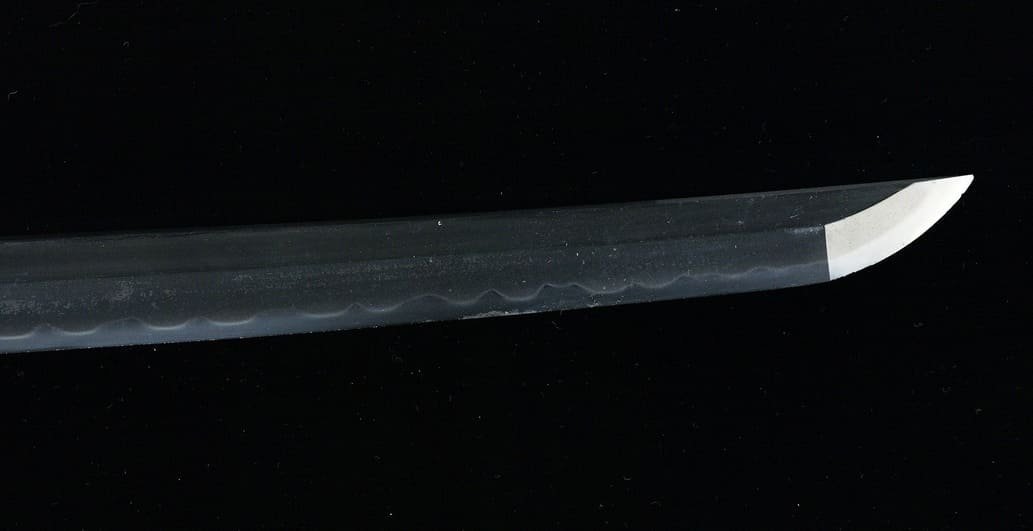
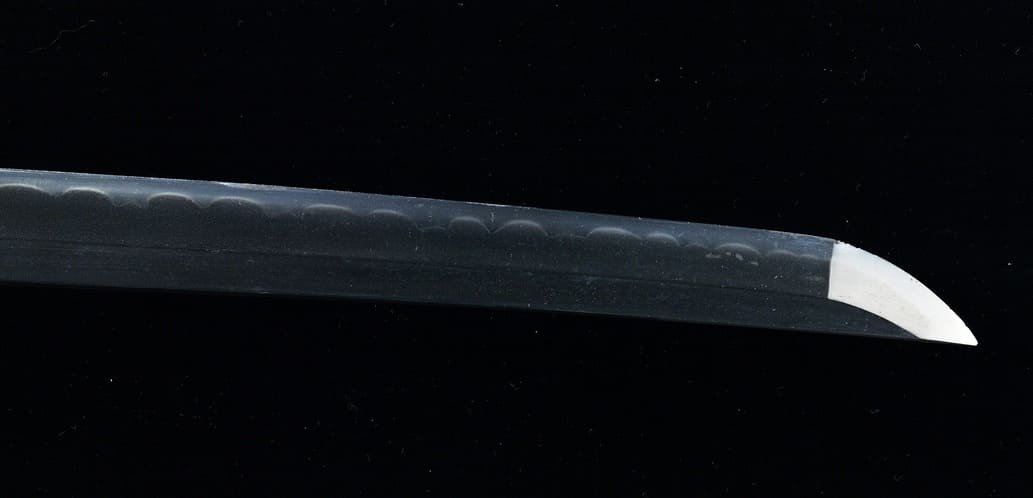
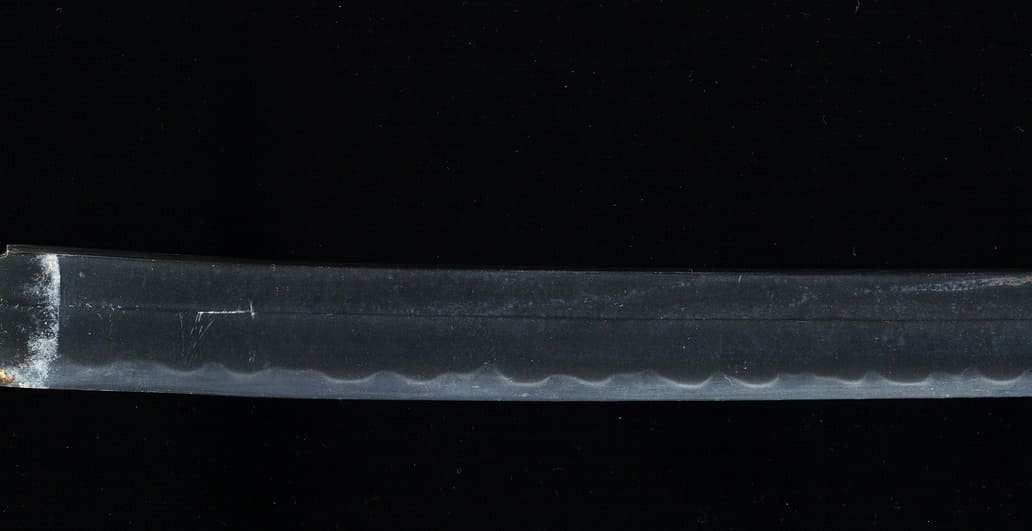
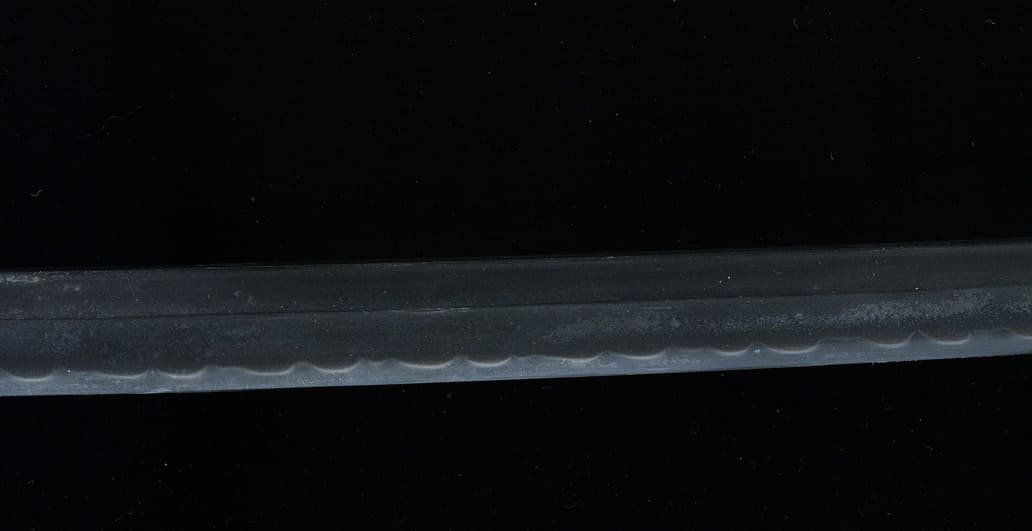
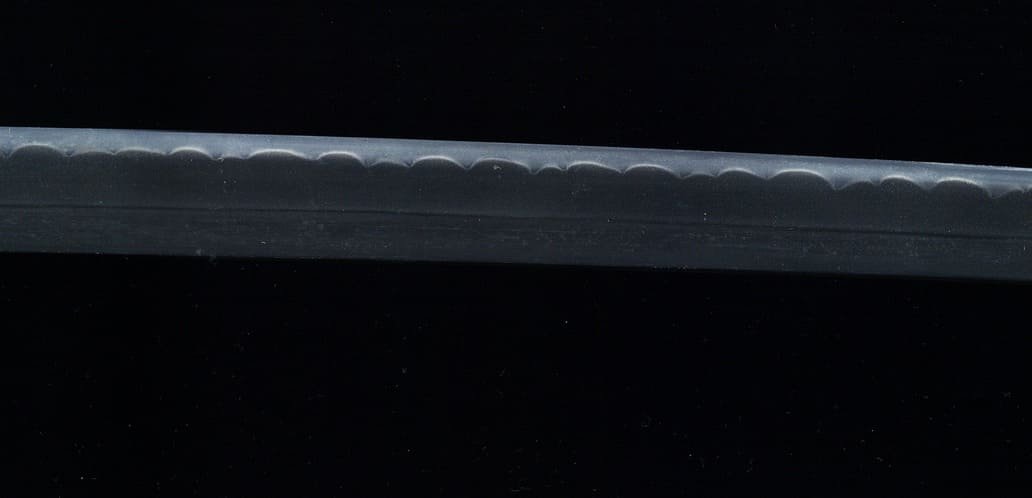
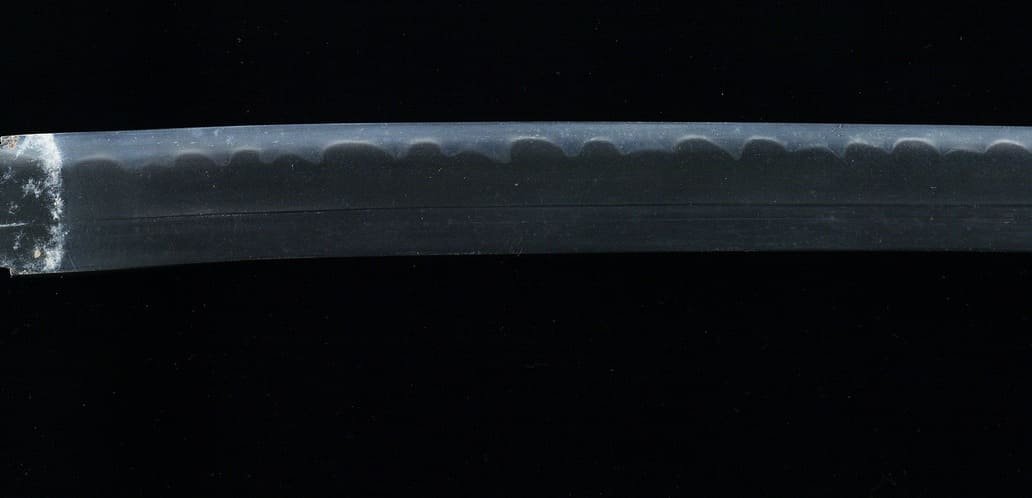
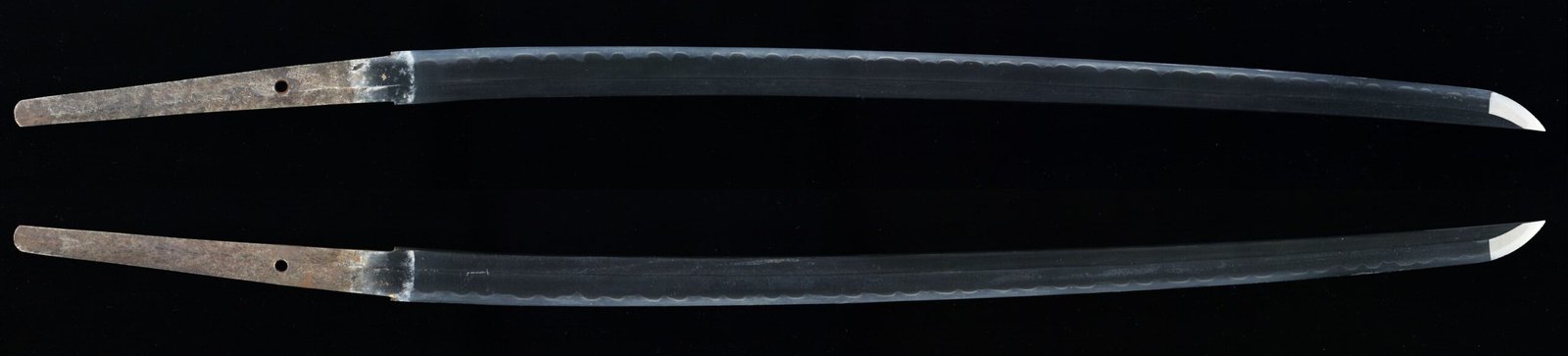
Signed katana by Fujiwara Kaneharu (関住藤原兼治作), resident of Seki in Mino Province, the home of the Mino-den. With a nagasa of 64.7 cm, an elegant shinogi-zukuri form, a balanced chū-kissaki and a regular, rhythmic gunome hamon in bright nioi. Dressed in a han-dachi koshirae with kabutogane-style kashira, four-lobed tsuba with gilt rim and engraved karakusa, and a richly textured lacquered saya with tachi-style fittings. Excellent condition for its age, with its Japanese tōroku-shō.
EUROPEAN UNION - ALL DUTIES & TAXES COVERED
We cover all import duties, taxes and customs fees. No additional customs charges upon delivery.
Free shipping on all orders over €1,000.
INTERNATIONAL - PREFERENTIAL IMPORT RATES
In many countries, genuine antiques benefit from preferential tax treatment, with reduced import VAT and, in some cases, zero import duties.
Free worldwide shipping on all orders over €10,000.
1 in stock
Add to Compare
Add to Wishlist
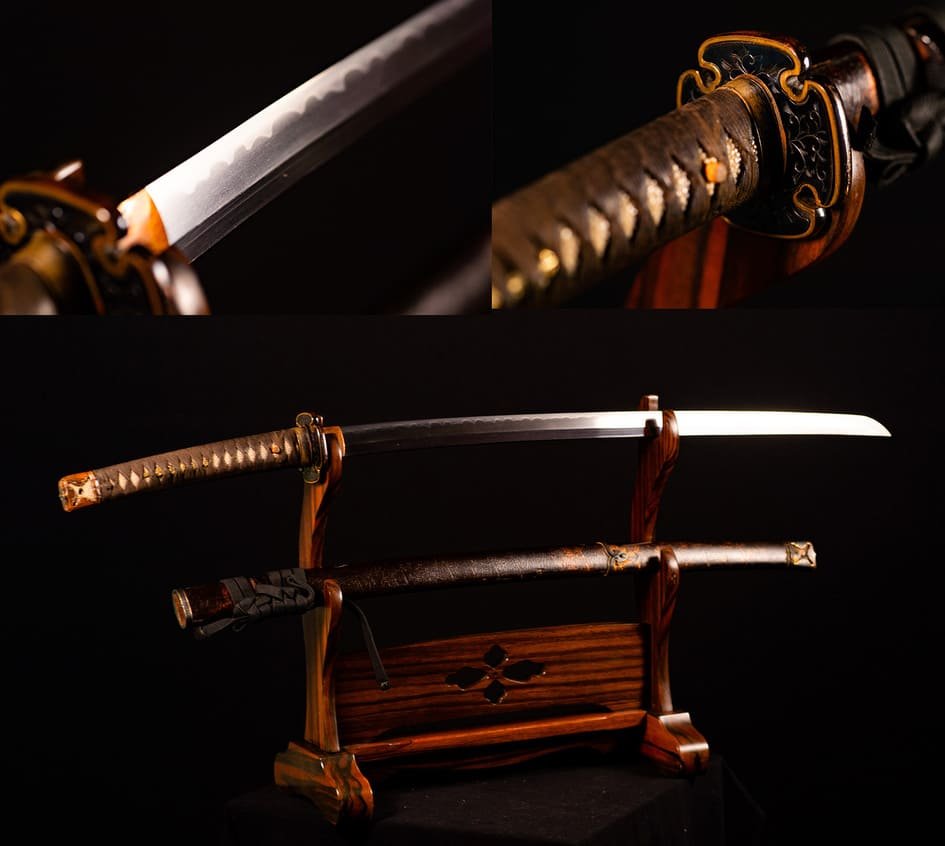
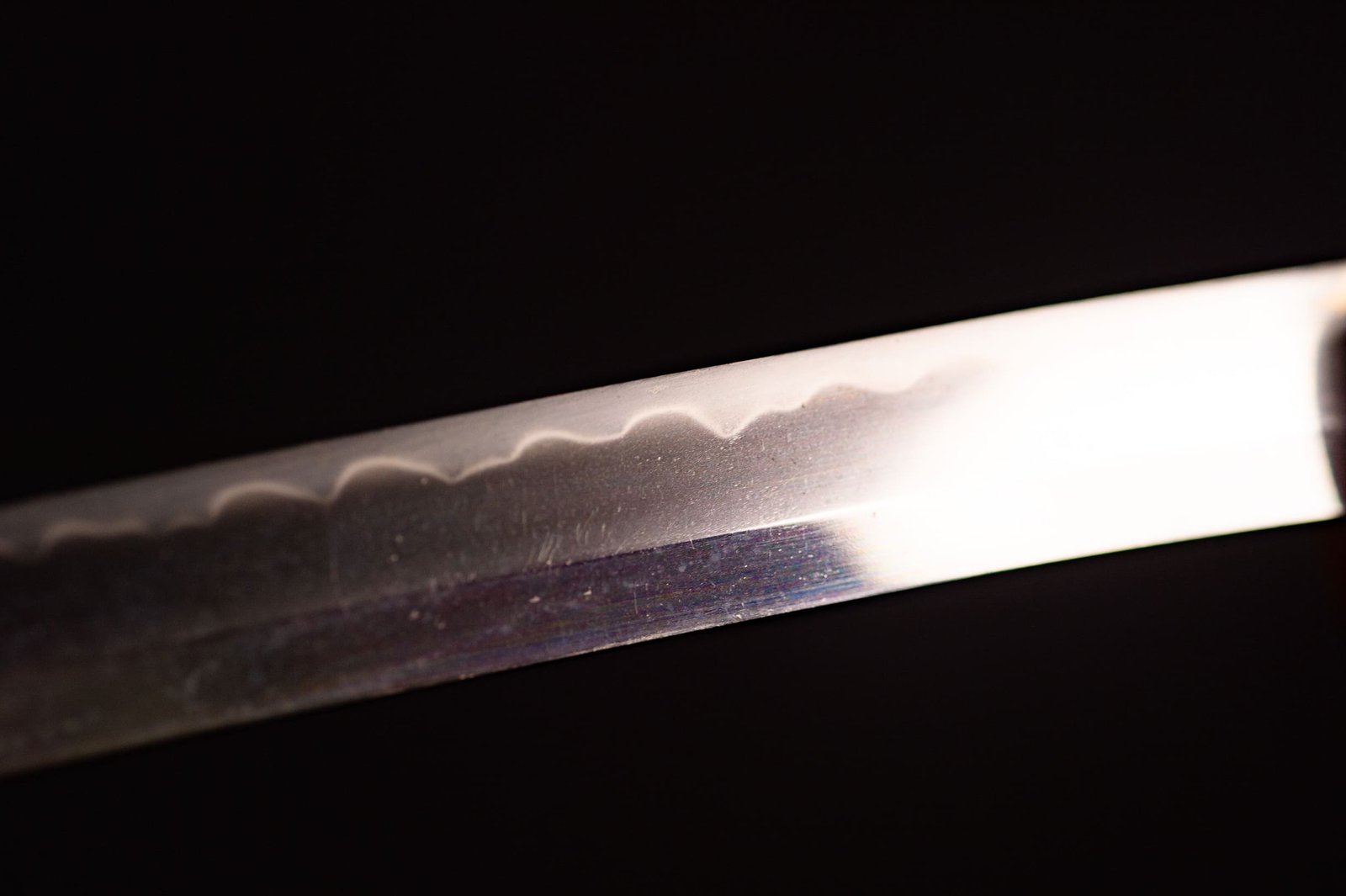
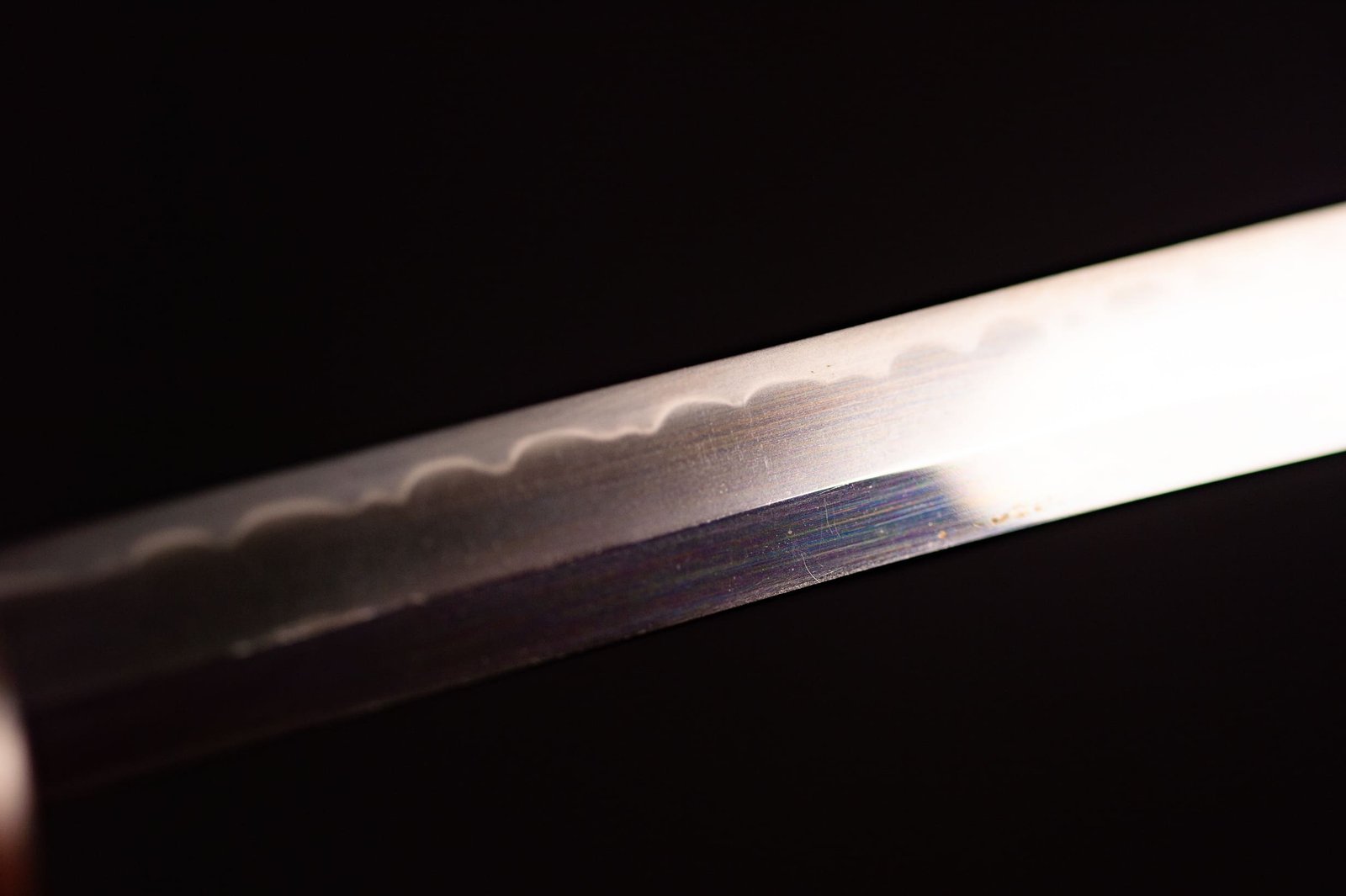
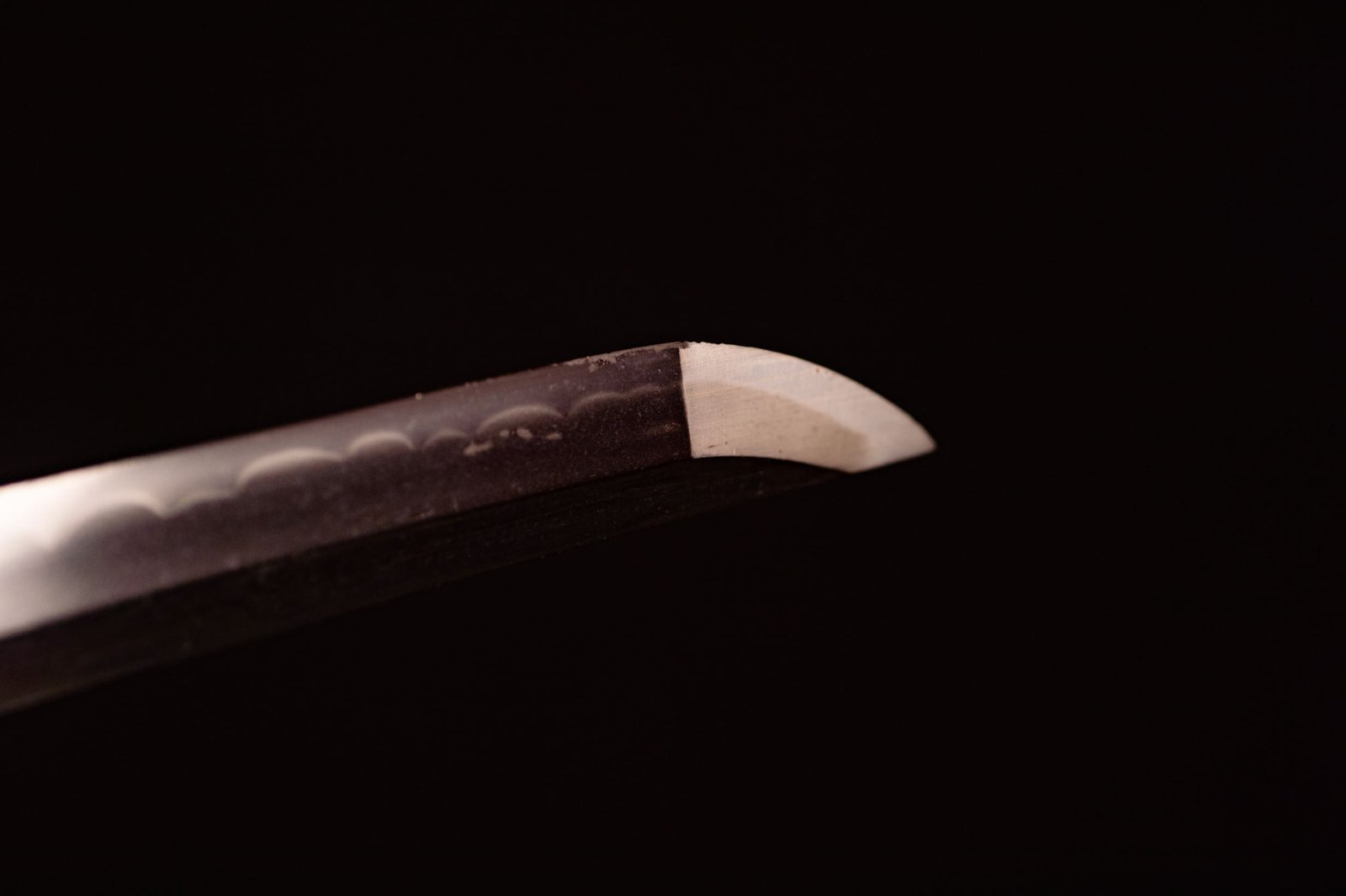
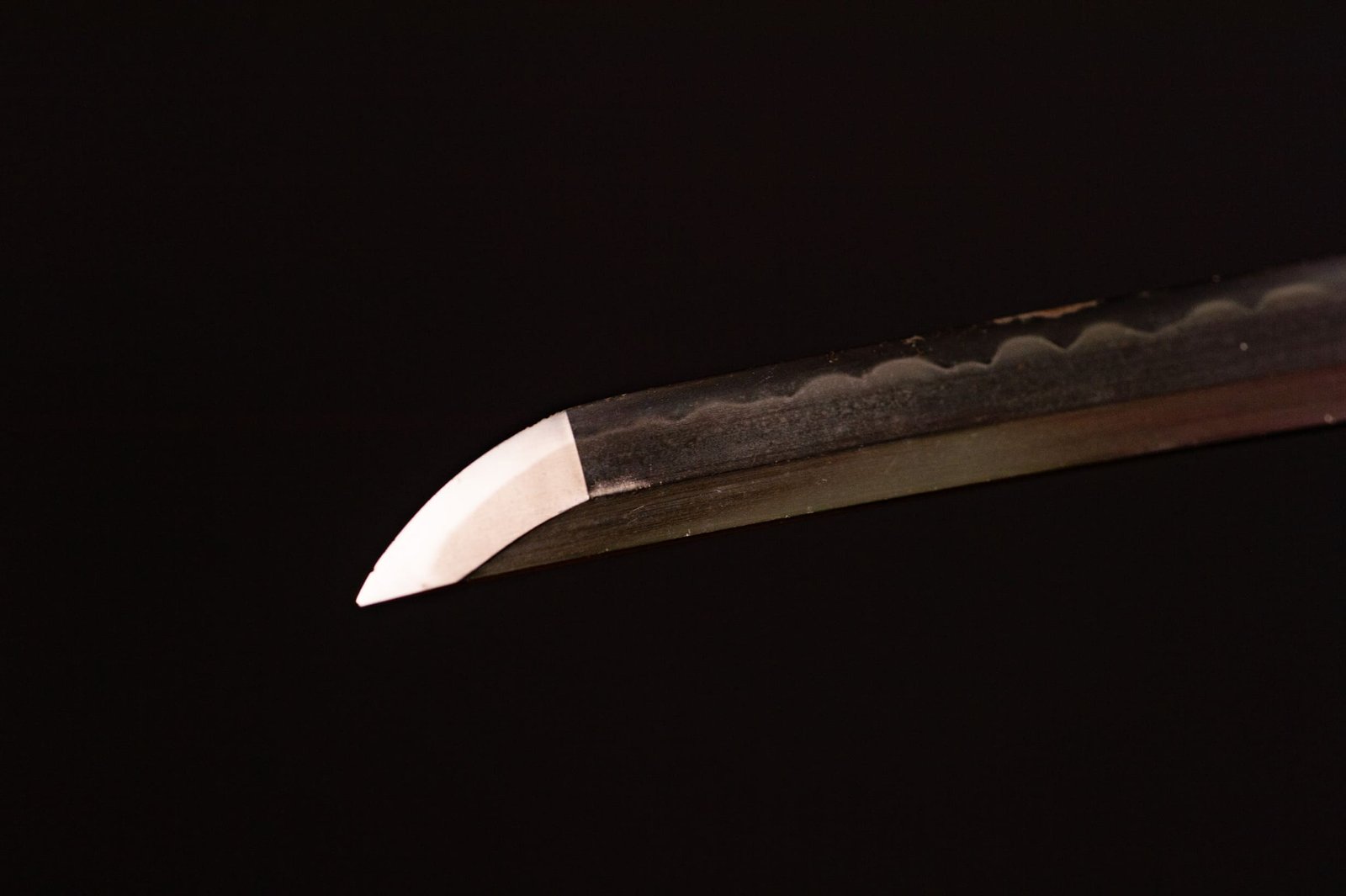
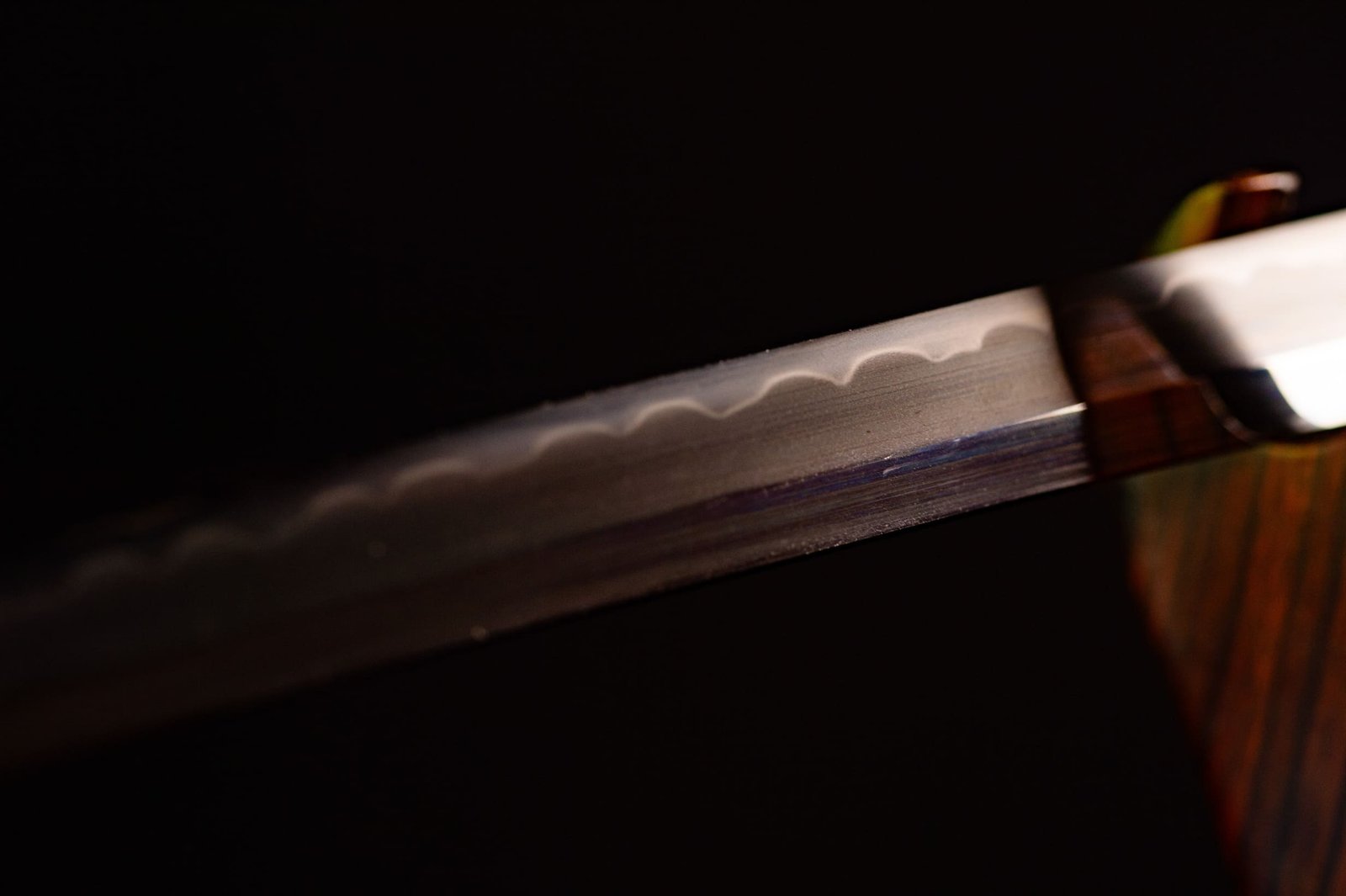
A signed katana by Fujiwara Kaneharu, resident of Seki in Mino Province, one of the great sword-making centres of Japan. With a nagasa of 64.7 cm, an elegant shinogi-zukuri form and a regular, rhythmic gunome hamon in bright nioi, the blade is dressed in a han-dachi koshirae with gilt fittings, engraved karakusa decoration and a richly textured lacquered saya.
Few places shaped the samurai sword like the town of Seki in Mino Province. From the Muromachi period on, its forges became one of the two great production centres of Japan, alongside Bizen.
Seki was ideally placed, with good iron sand, abundant charcoal and clear water from the Nagara River, and the town gave its name to a whole tradition: the Mino-den.
Seki blades were known for being sharp, resilient and reliable in battle, and generations of warriors trusted them with their lives.
The smiths of the Kane- lineage, who all shared the character 兼 in their names, carried the reputation of Seki through the centuries.
Kaneharu signed this blade as a resident of Seki, placing his work firmly within this tradition.
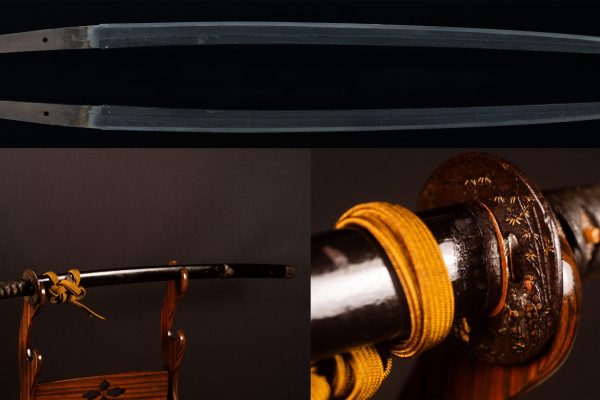
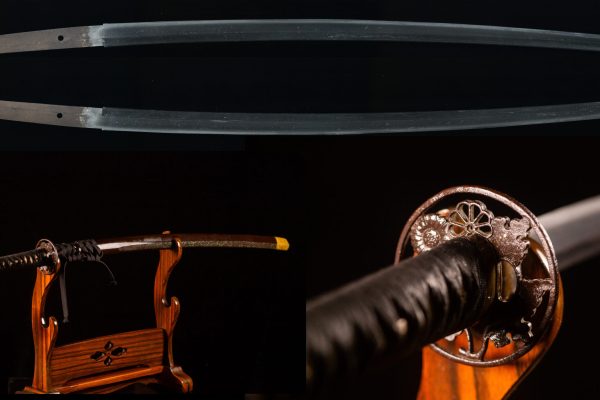
This katana has an elegant shinogi-zukuri form, with a healthy curvature (sori of 1.7 cm) that deepens toward the point and a balanced chū-kissaki.
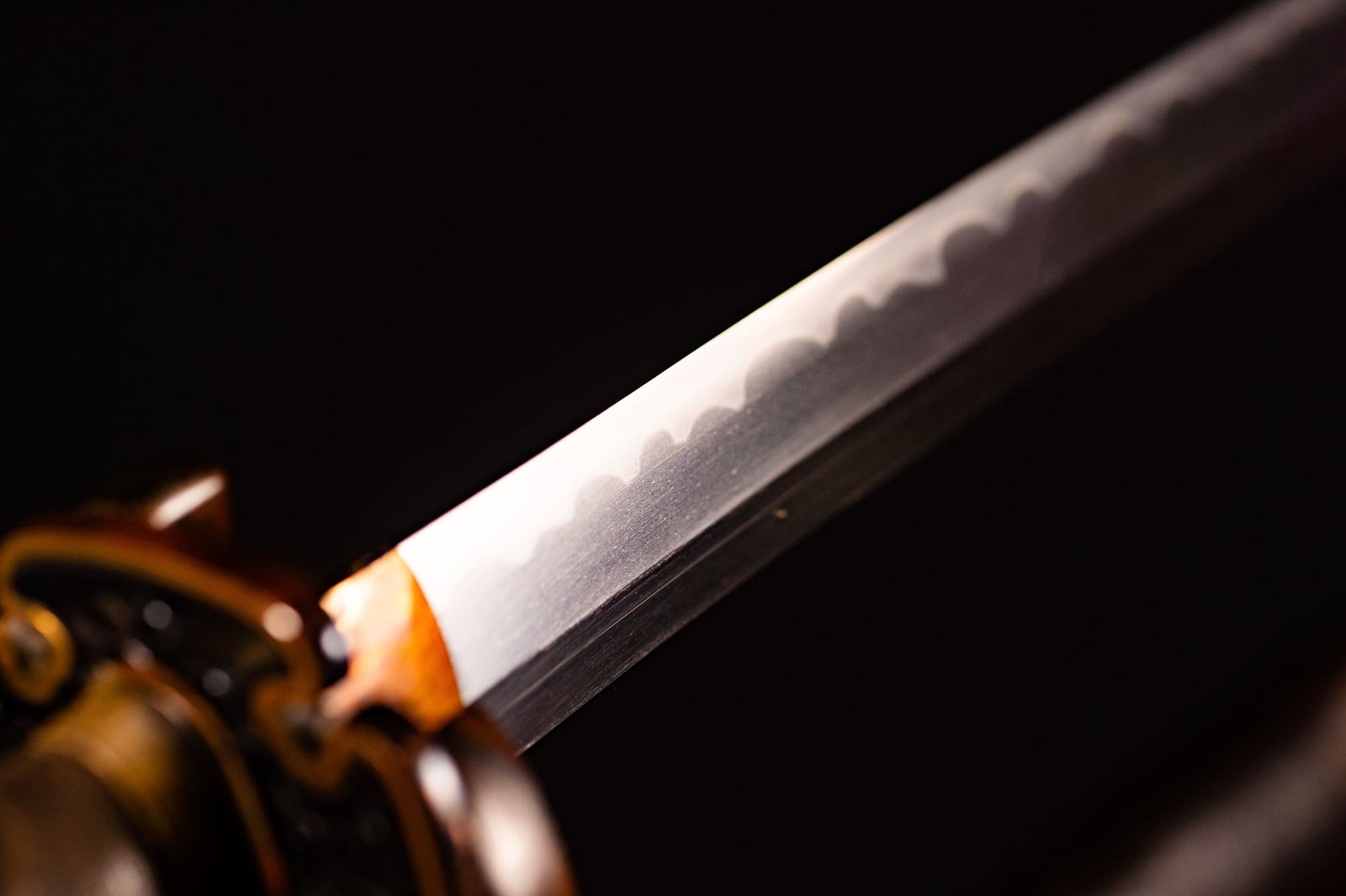
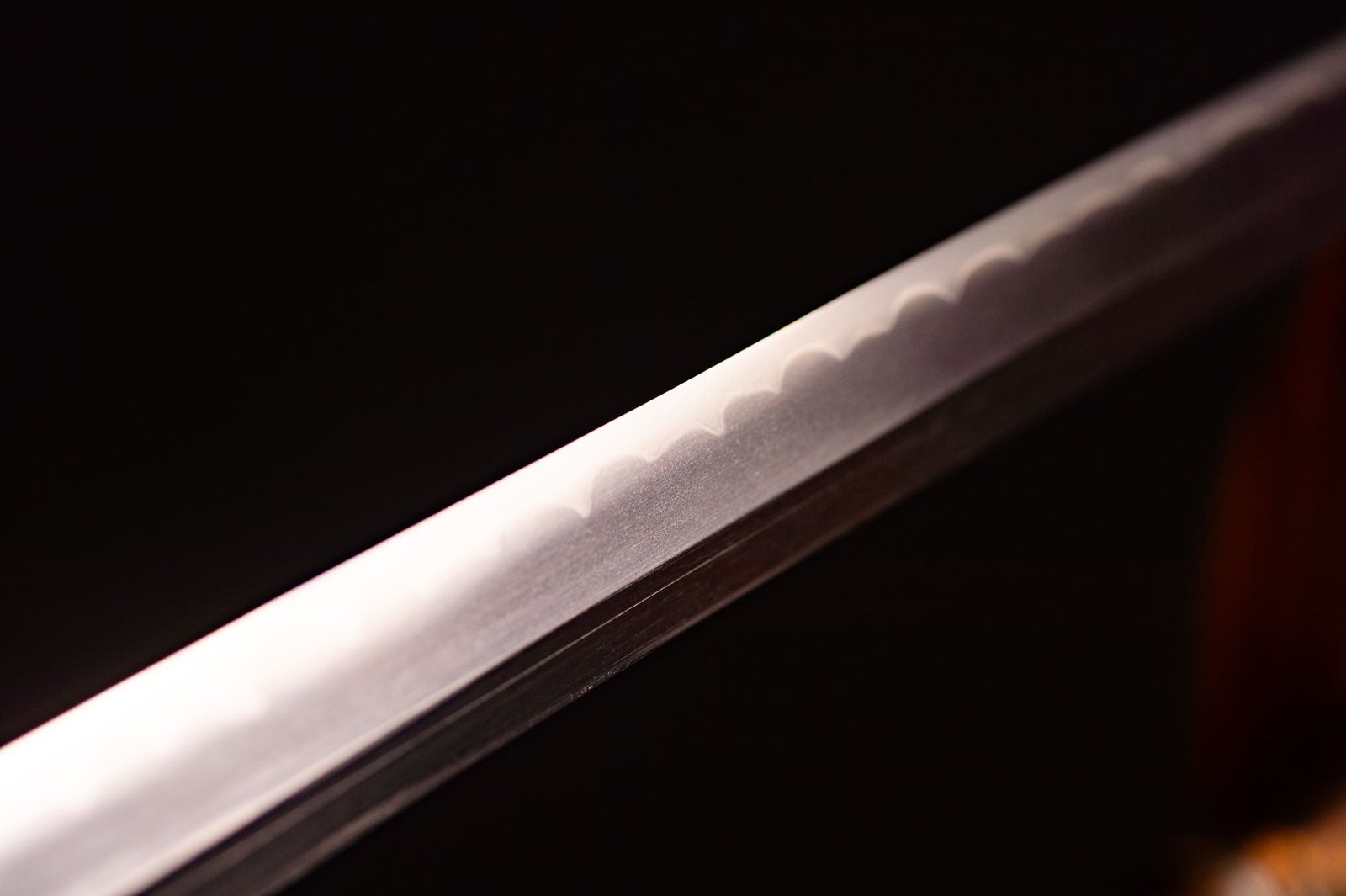
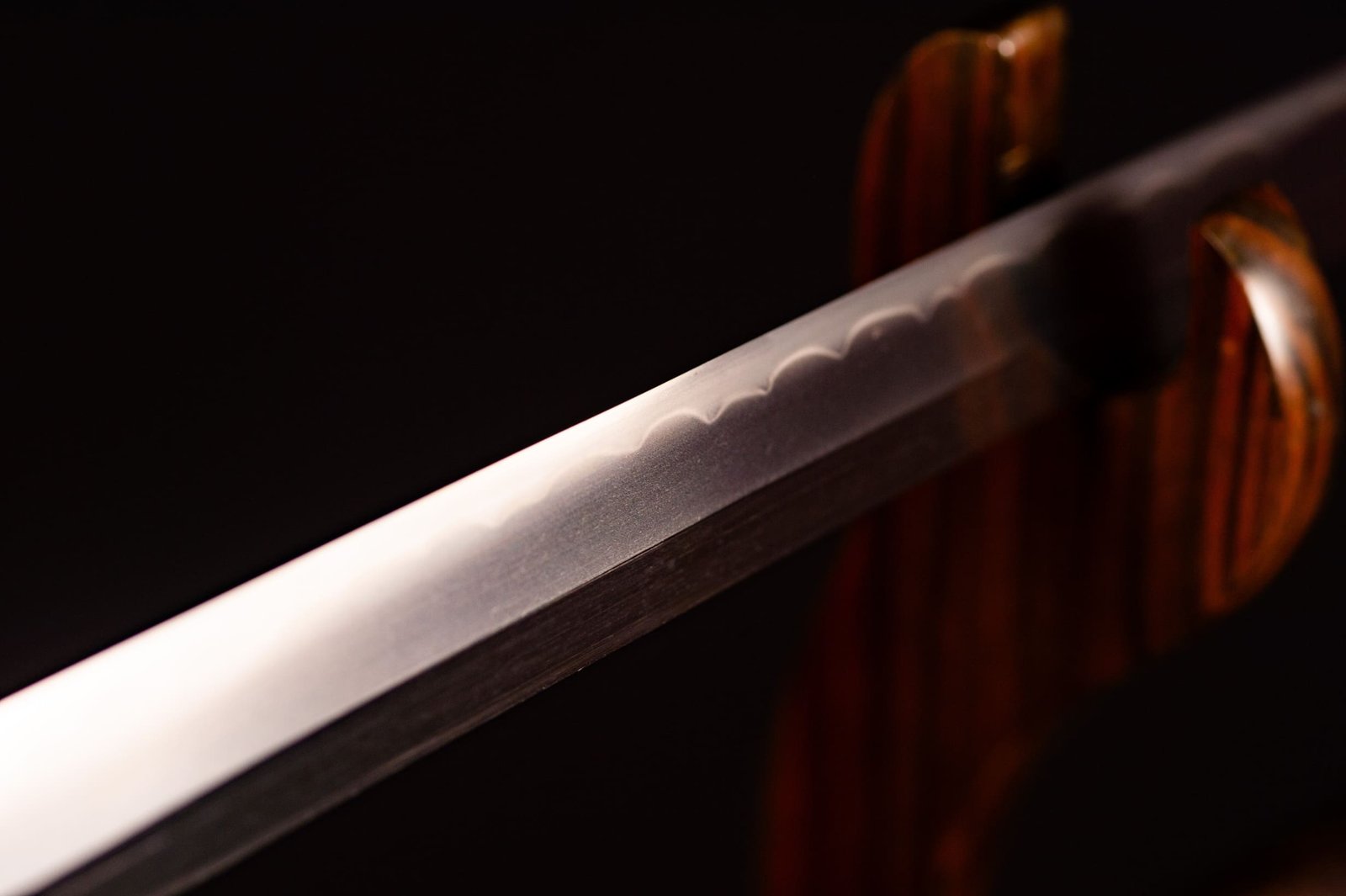
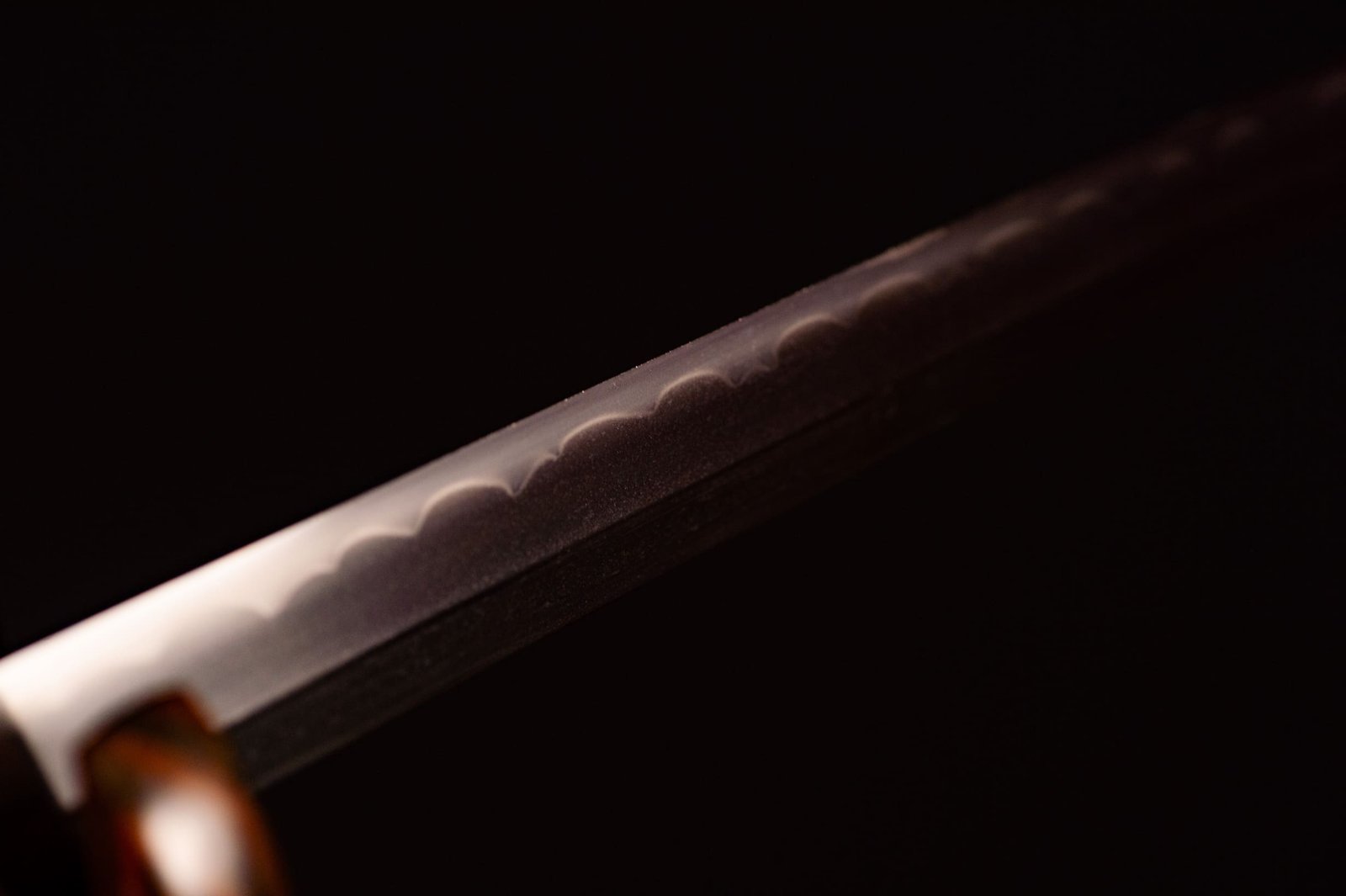
The hamon is a regular, rhythmic gunome in bright nioi, its rounded peaks marching evenly along the edge like a line of hills.
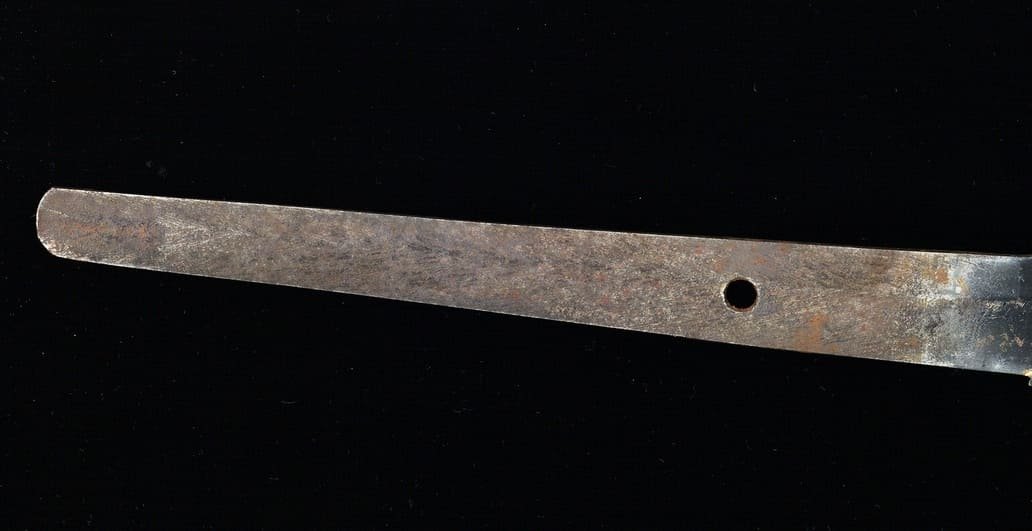
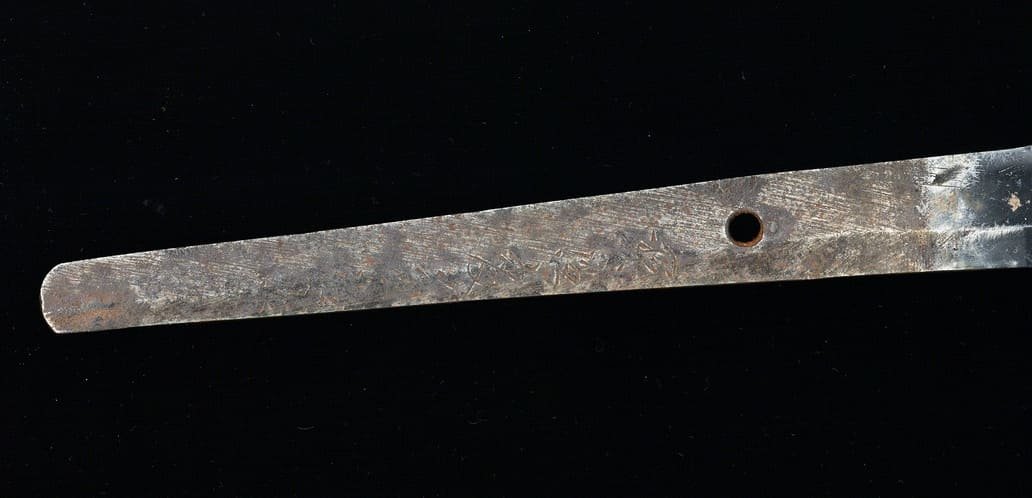
The nakago keeps its original form and its single mekugi-ana, with clear file marks.
It carries a full signature: 関住藤原兼治作, “made by Fujiwara Kaneharu, resident of Seki.”
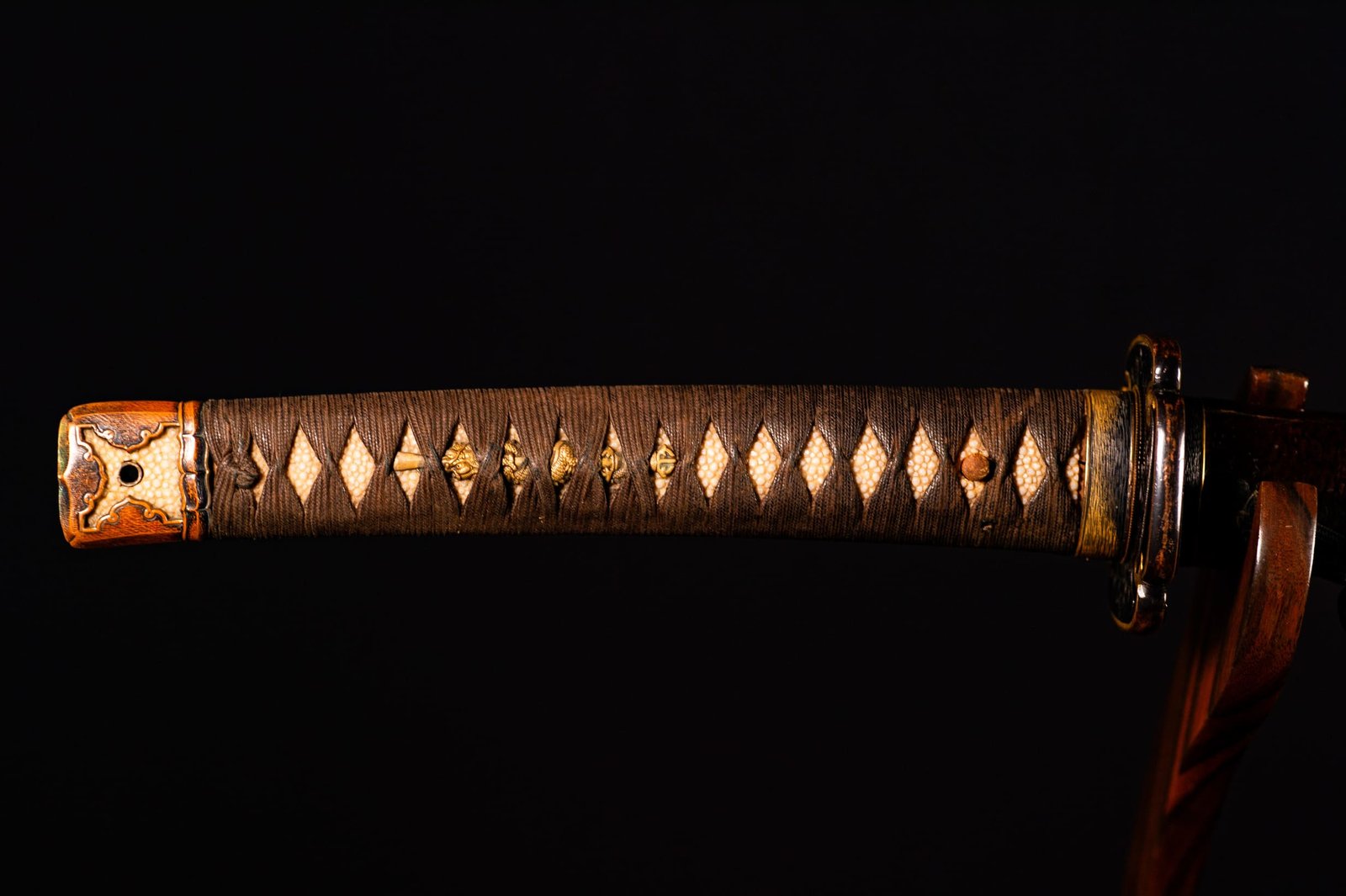
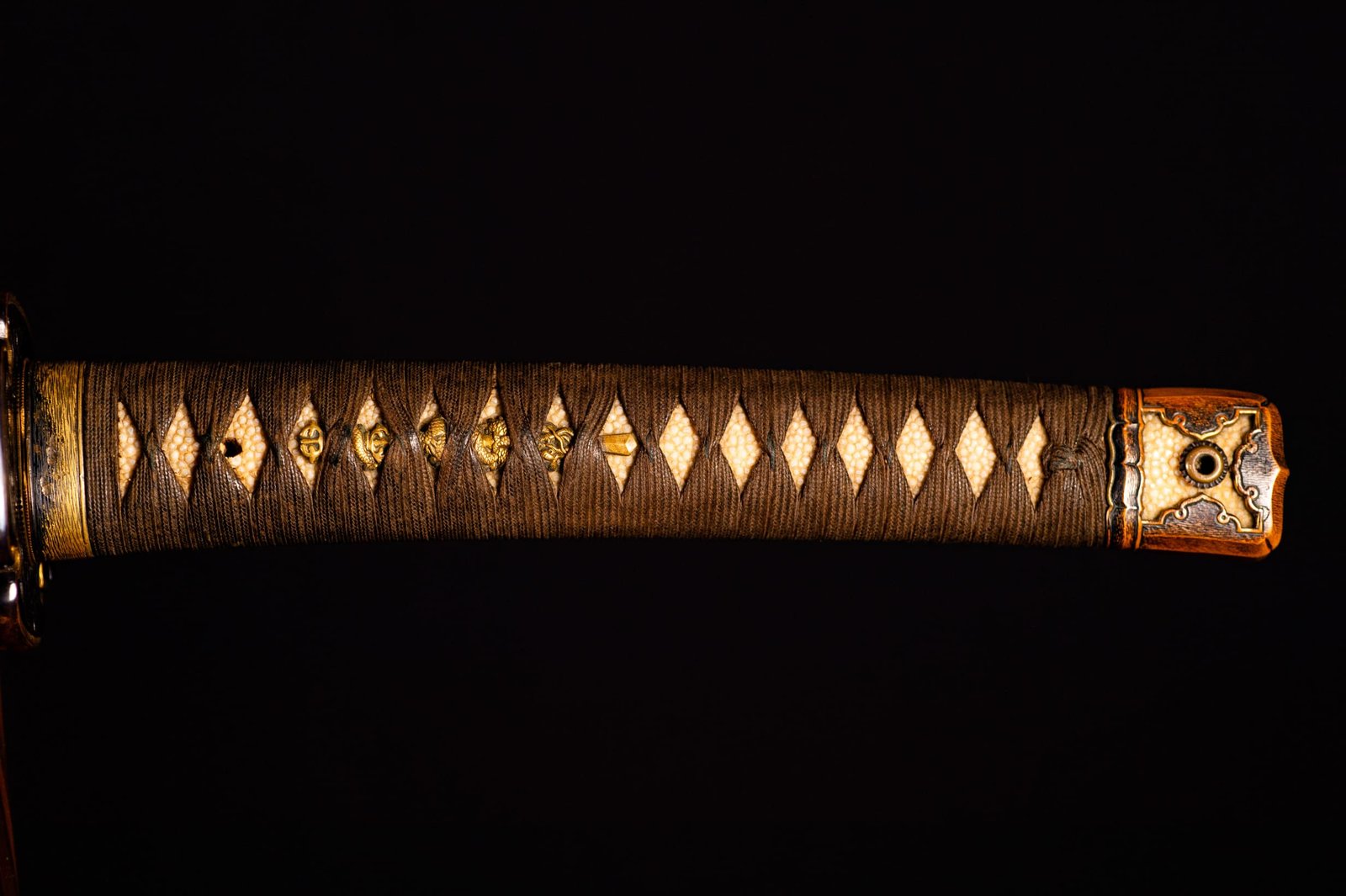
The blade is dressed in a han-dachi koshirae. This hybrid style was worn edge-up through the sash like a katana, but finished with metal fittings recalling the slung tachi of earlier centuries.
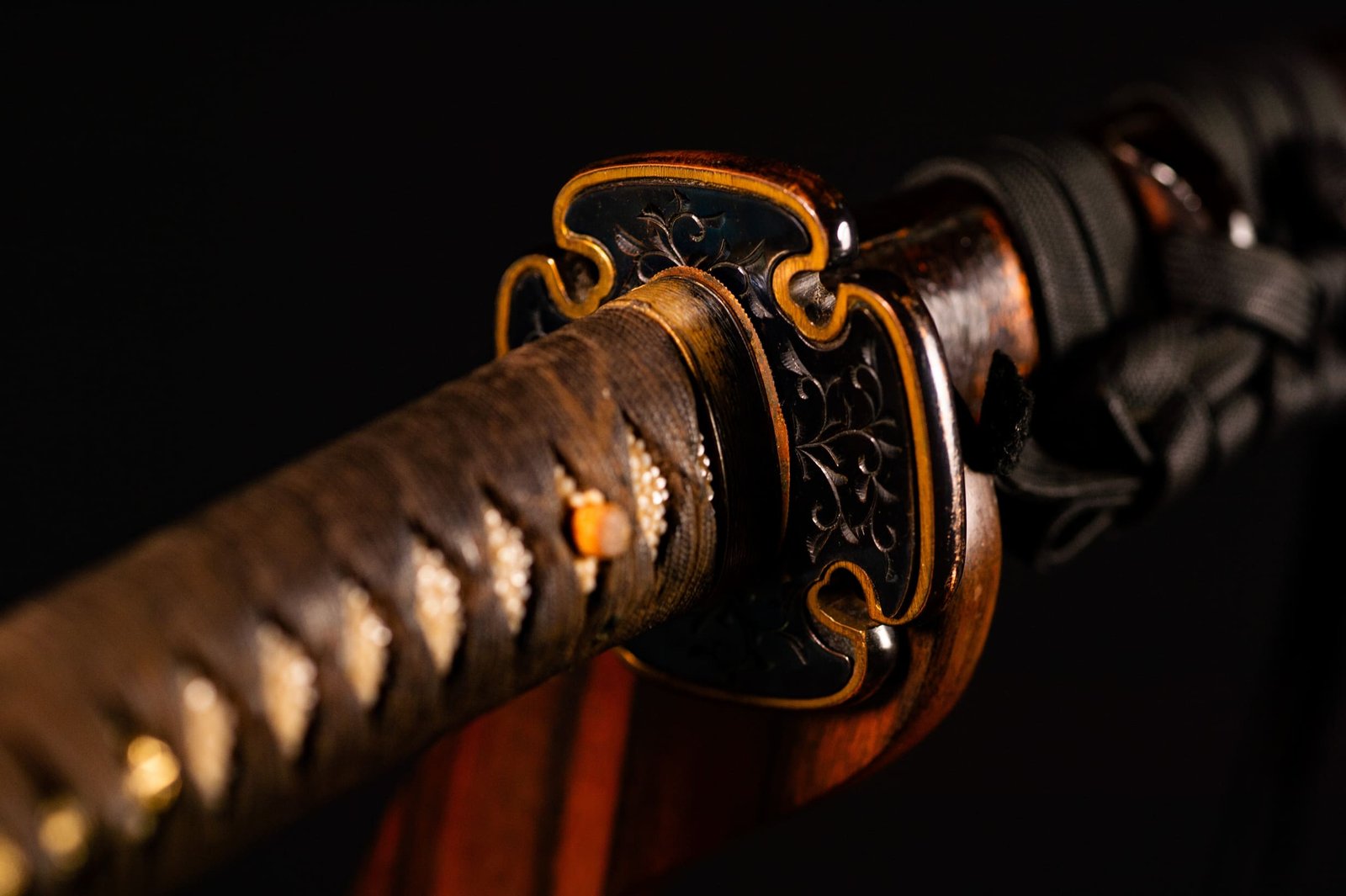
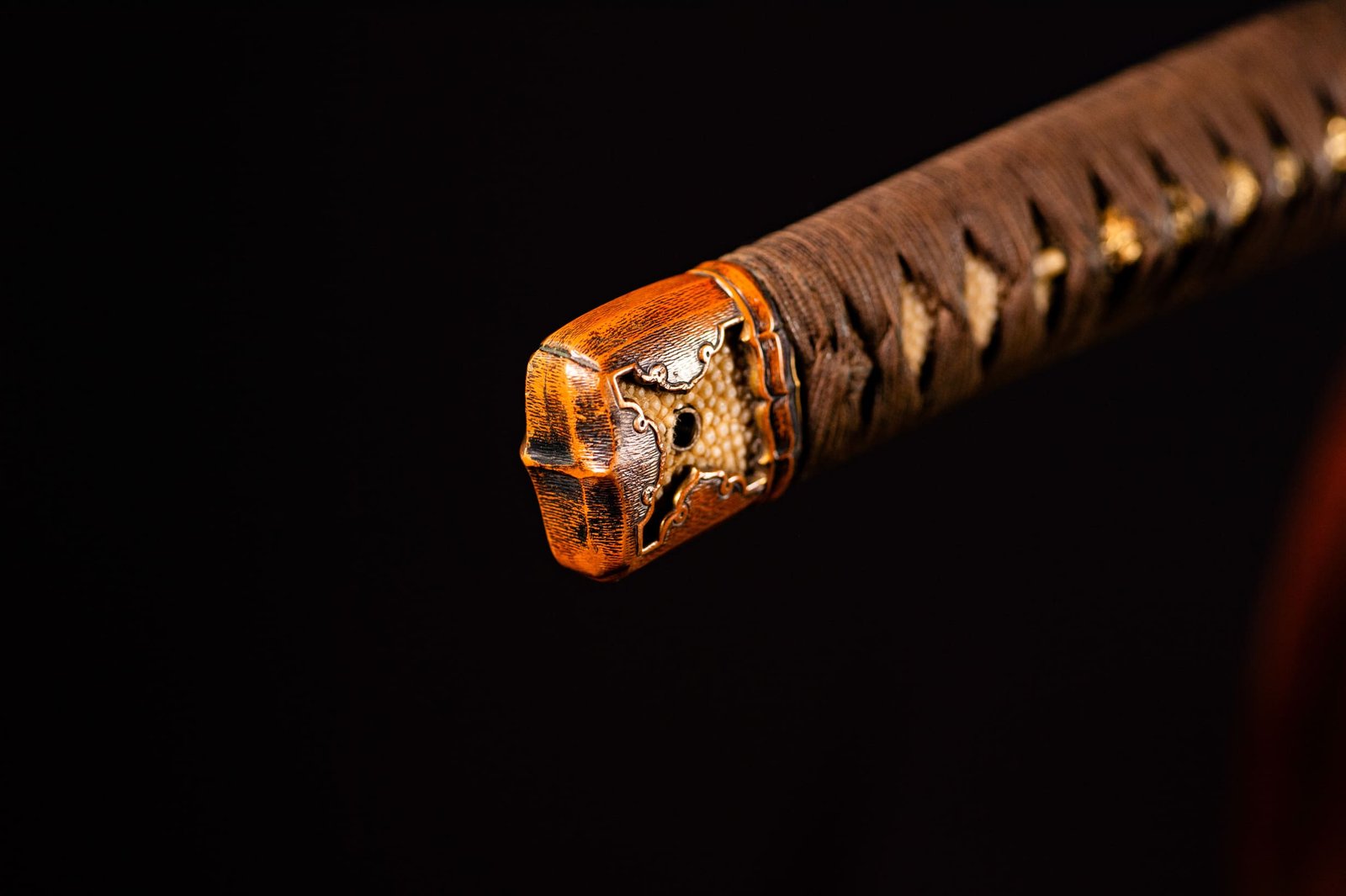
The kashira is a kabutogane-style pommel, cut with openwork windows through which the same shows, edged in gold.
The fuchi is finished with matching engraving.
The four-lobed tsuba has a gilt rim and is finely engraved with karakusa scrolling vines.
The tsuka is wrapped in dark brown silk ito over white same, with gilt menuki showing between the diamonds of the wrap.
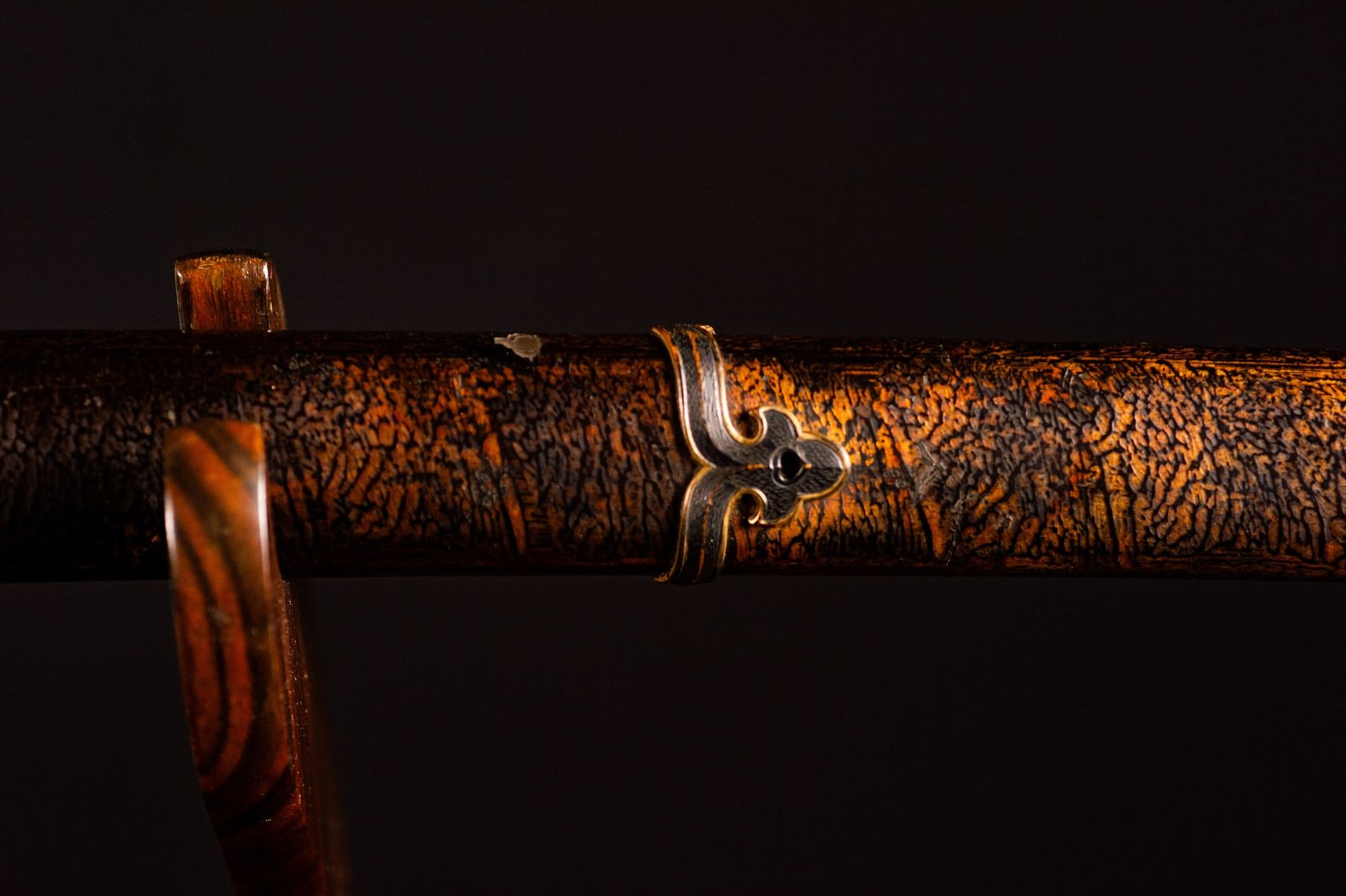
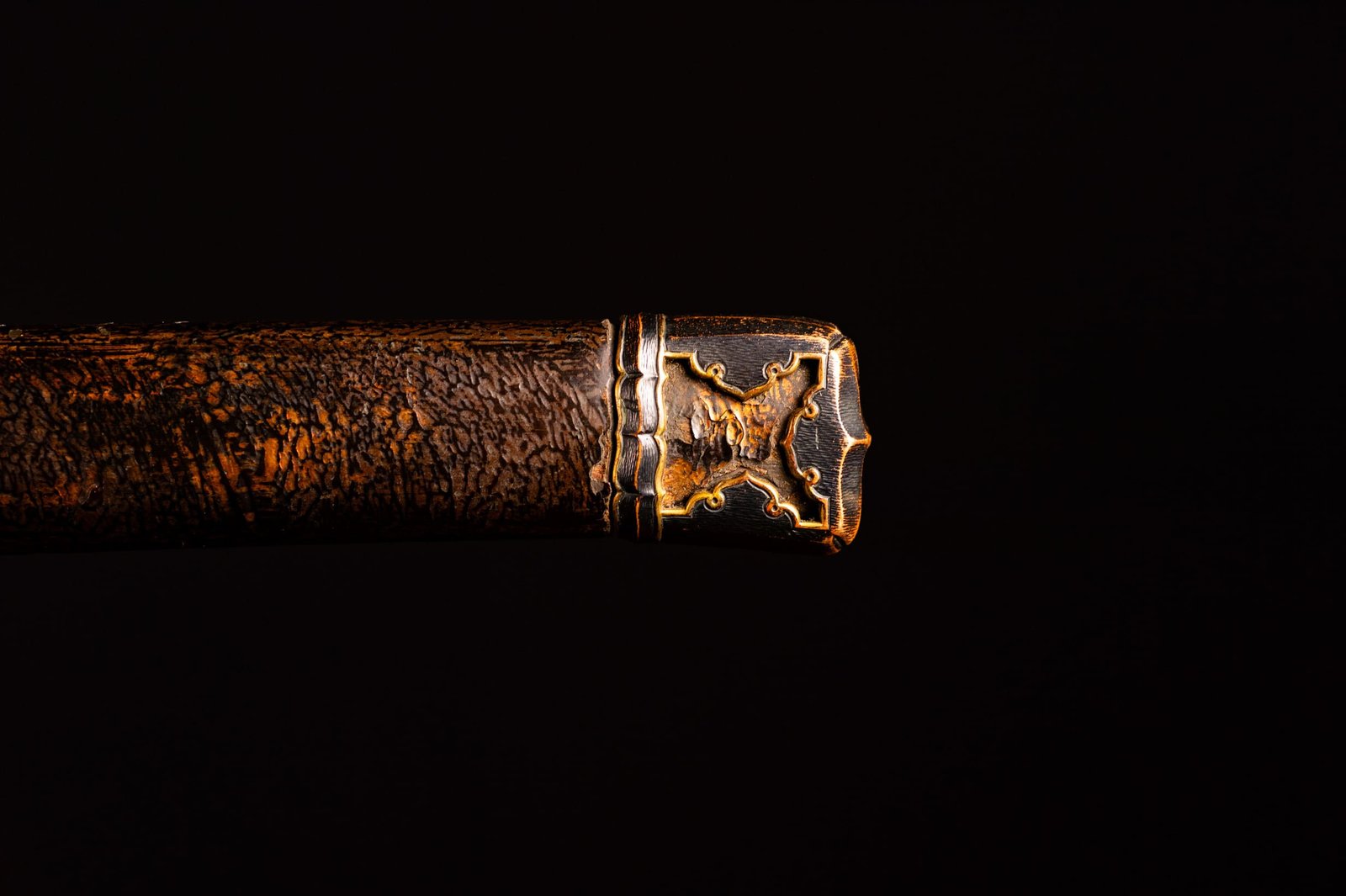
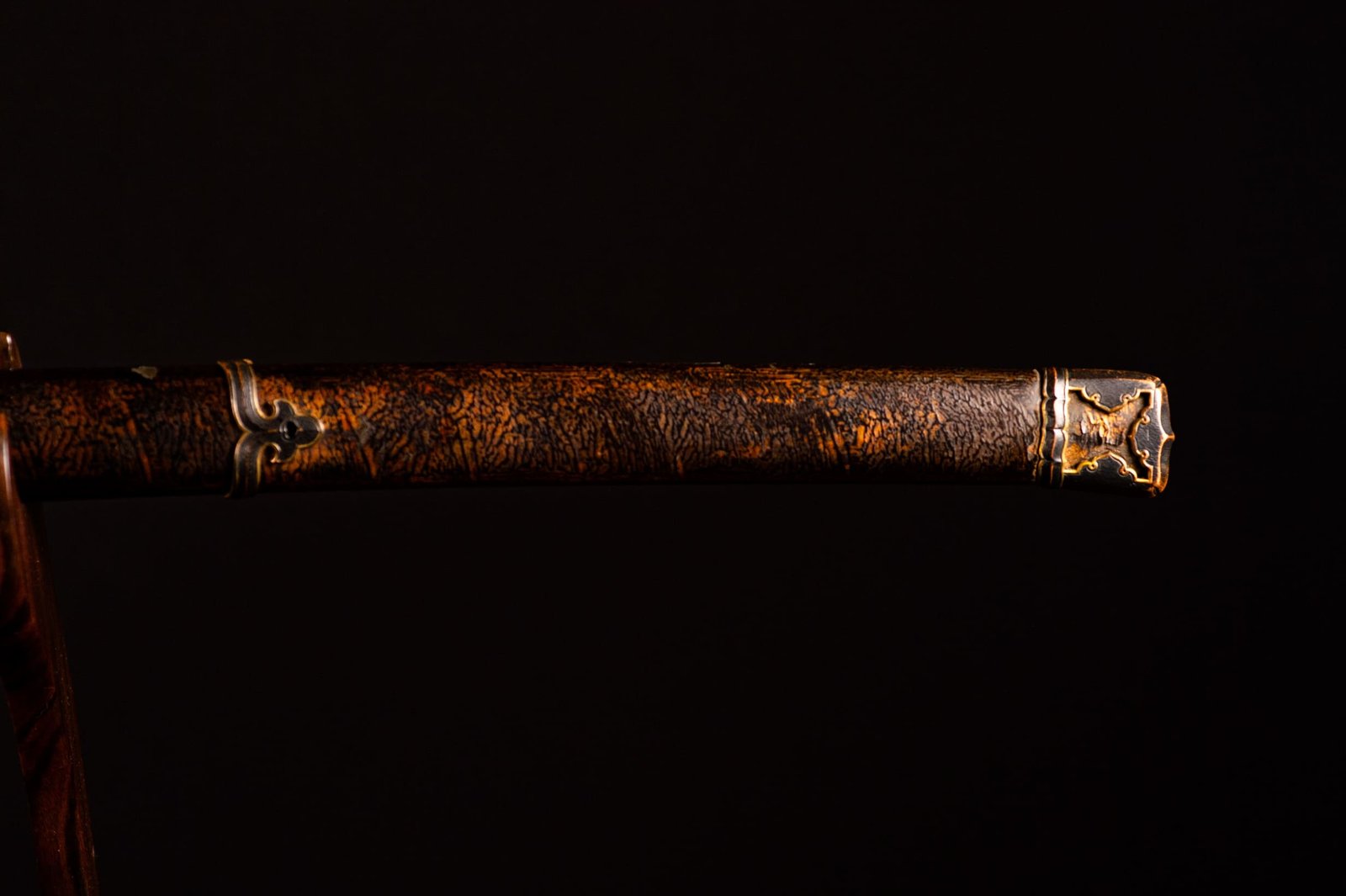
The saya is finished in a richly textured lacquer in mottled black and warm amber tones.
It is mounted with tachi-style metal fittings at the waist and the tip, and carries a dark sageo.
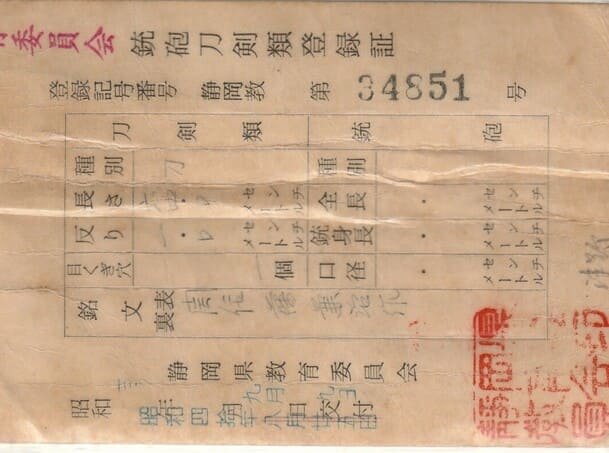
The blade comes with its Japanese registration certificate (tōroku-shō), issued in Shizuoka Prefecture.
This katana combines a signed Seki blade with a han-dachi koshirae featuring gilt metal fittings, silk, same and textured lacquer.
Excellent condition for its age, with only minor wear consistent with its antiquity.
The nakago keeps its original form and full signature, and the blade is presented in its han-dachi koshirae with its Japanese registration certificate (tōroku-shō).
This katana stands out for its signed Seki blade and its distinctive han-dachi mounting.
A katana that carries the reputation of Seki, where generations of smiths forged sharp, resilient blades trusted in battle. Its fully signed nakago, rhythmic gunome hamon and elegant han-dachi koshirae make it a compelling addition to a collection of antique Japanese swords.

Order above 1.000,00 € gets free shipping.

Secure and hassle-free payment process.

Certificate of authenticity included.

Have questions? Contact us via WhatsApp.
Contact
Discover exceptional Japanese swords, armor and works of art with our limited-time Black Friday offers.
OFFER ENDS NOVEMBER 30, 2026
Enter your code at checkout. Discounts cannot be combined with other coupons. Eligible orders only.