October 24, 2026

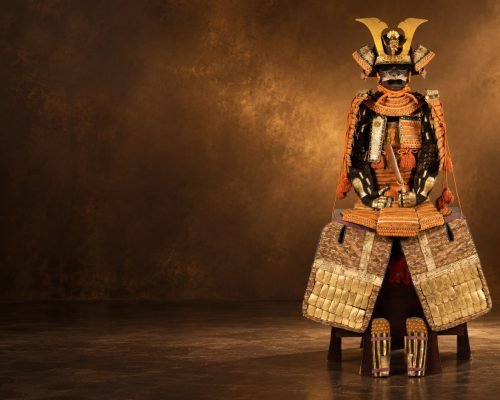
Samurai armor in the Tokugawa peace shifted away from battlefield use and toward ceremonial display. As formal processions to Edo became central, many suits were made lighter and easier to wear. Lacquered leather was often chosen because it was better suited to processions than heavy iron.
Gusoku Tiger Do.
Explore our Armor collection.
Samurai armor in the Tokugawa peace changed because the political world changed. Once Japan entered a long period of stability after around 1615, armor was no longer made mainly for battlefield use. It was increasingly worn for ceremonies and for the required processions that daimyō made from their domains to Edo, and much of what was produced served parade display rather than combat.
Lacquered leather was practical for procession armor because it made the suits lighter. That mattered when armor had to be worn for formal movement, public display, and long journeys rather than constant fighting. Compared with heavy iron construction, lacquered leather helped the armor remain manageable while still presenting the polished appearance expected in elite settings.
Even when armor became more ceremonial, makers did not abandon protection entirely. Important defensive sections were still made of iron, showing that Tokugawa-period armor kept some practical function. The result was a hybrid object: visually refined for procession, but still rooted in the older need to defend the wearer.
Helmets were especially important in this transformation. Rather than being made entirely anew in every case, earlier helmets were often incorporated into later suits and remodelled to suit the new age. This let them serve both decorative and practical purposes, preserving the prestige of older pieces while adapting them to procession use.
In Edo-centered Tokugawa society, armor became part of political theater as well as material culture. The procession to the military capital allowed a daimyō to show taste, wealth, and rank through the splendor of his entourage. Samurai armor in the Tokugawa peace therefore reflected a world where social status and ceremony mattered as much as martial readiness.


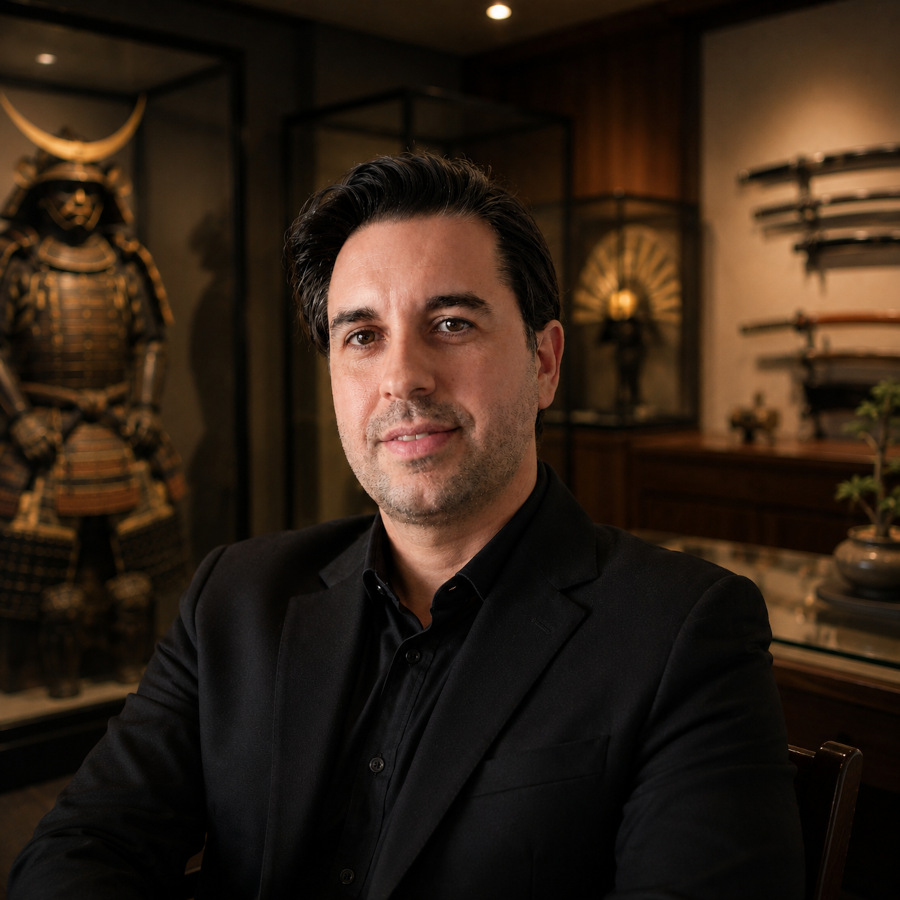
CEO of SupeinNihonto, dealer and collector of ancient Japanese art and weapons from Canillo, Andorra.
Contact