Sell Inro

Sell your antique Japanese Inro

Do you own an antique Japanese Inro that you are considering selling?
Supein Nihonto buys authentic Japanese inro directly from private collectors, families, estates and dealers worldwide.
We are interested in individual pieces, signed and unsigned Inro, lacquer examples, works by recognised artists, complete sets with netsuke and ojime, inherited pieces and larger collections.
If you are unsure about the maker, technique, age or authenticity of your inro, send us clear photographs and we can assess it.

What Inro do we buy?

We consider a wide range of antique Japanese Inro, including:
How to Buy an Antique Inro
  • Lacquer inro
  • Makie inro
  • Gold lacquer examples
  • Black lacquer inro
  • Shibayama-style decorated pieces
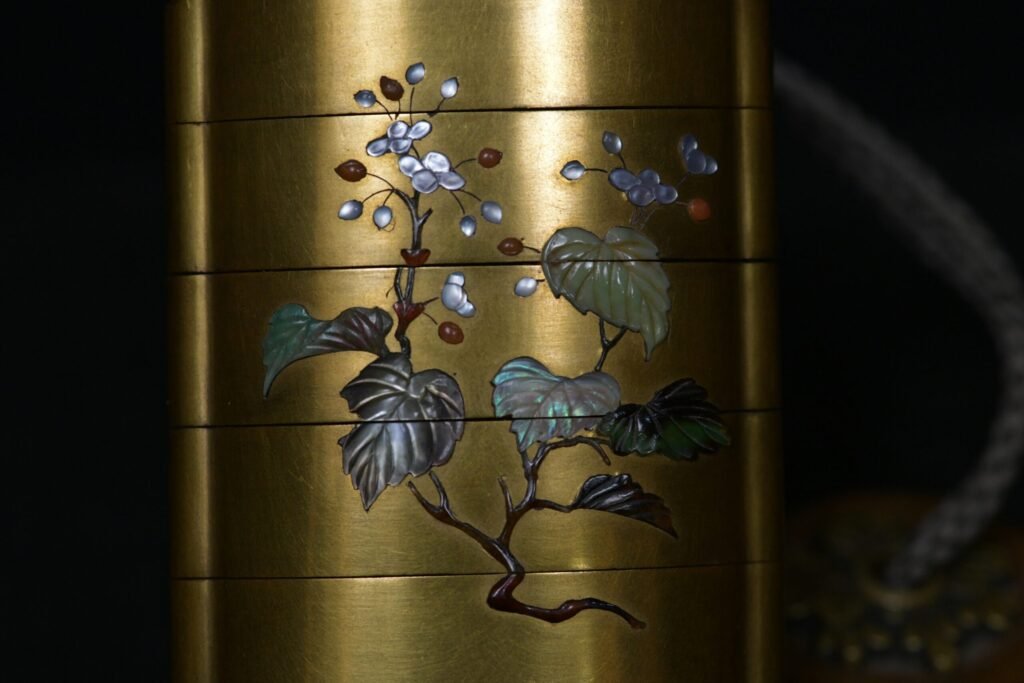
  • Inro with mother-of-pearl decoration
  • Inro with metal or shell inlay
  • Signed inro
  • Unsigned inro
  • Edo-period pieces
  • Meiji-period pieces
  • Inro with provenance
  • Inro preserved in storage boxes
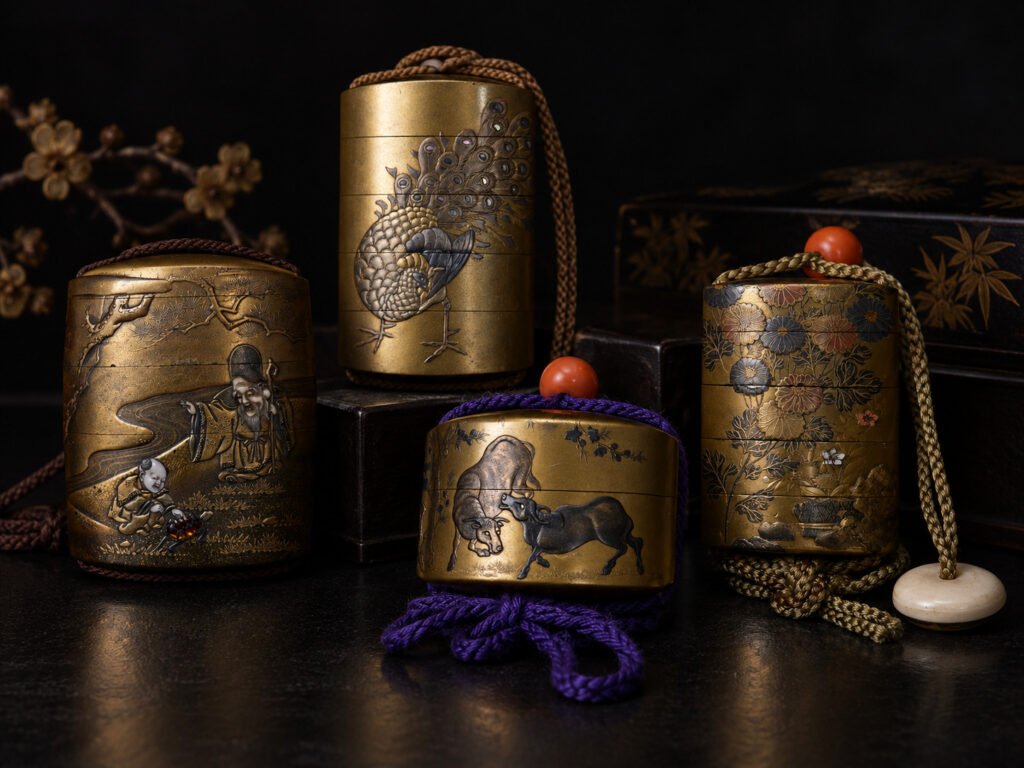
  • Inro with netsuke and ojime
  • Individual pieces
  • Complete collections
We are primarily interested in genuine Japanese pieces with artistic, historical or collector value.

What is an Inro?

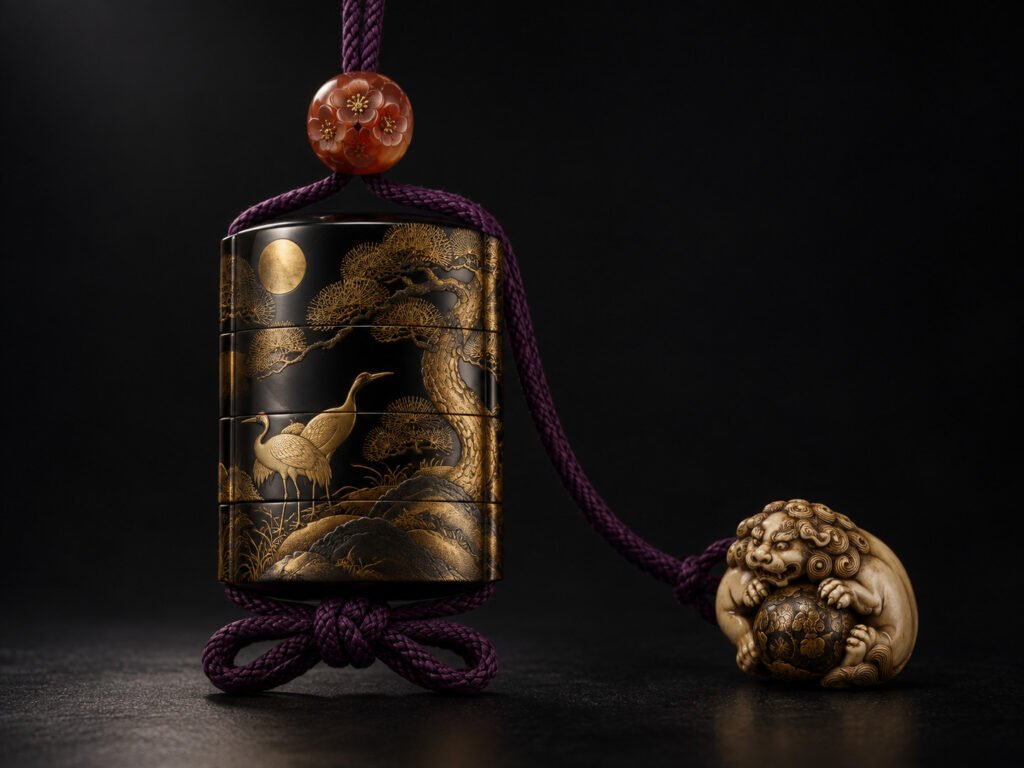
An Inro is a small traditional Japanese container composed of several interlocking compartments.
It was traditionally suspended from the obi by a cord and commonly used to carry small personal items.
The suspension system could also include:
  • A netsuke
  • An ojime
  • A cord
  • Other associated fittings
Over time, Inro developed into highly sophisticated objects of Japanese decorative art, particularly through the use of lacquer.

How an Inro is constructed

A traditional Inro is formed from several fitted sections stacked vertically.
The compartments should align correctly and close together precisely.
Important elements may include:
  • Upper and lower compartments
  • Internal chambers
  • Cord channels
  • Lacquered surfaces
  • Decorative panels
  • Signature areas
  • Suspension cord
  • Ojime
  • Netsuke
The quality of construction can be important when assessing the piece.
Please photograph the Inro both closed and opened.

What determines the value of an Inro?

The value of an antique Japanese Inro depends on several factors.
These may include:
Artist or workshop, historical period, quality of lacquer, decorative technique, complexity, subject, construction, number and condition of compartments, signature, originality, condition, associated ojime, associated netsuke, provenance, storage box, rarity, collector demand.
An elaborate design does not automatically mean that an Inro is valuable.
Quality of execution, authenticity and condition remain essential.

Lacquer and decorative techniques

Many of the most collectible Inro are distinguished by sophisticated Japanese lacquer techniques.
These may include:
  • Makie
  • Takamakie
  • Hiramakie
  • Togidashi makie
  • Nashiji
  • Raden
  • Gold lacquer
  • Silver lacquer
  • Mother-of-pearl inlay
  • Metal inlay
  • Carved lacquer
  • Mixed techniques
Some Inro combine several techniques within a single composition.
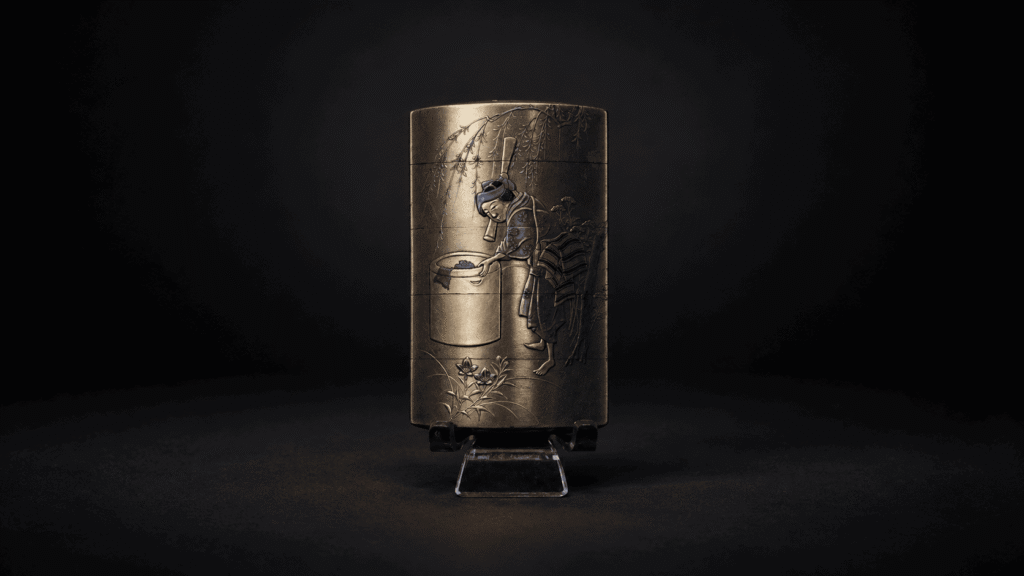
Detailed photographs taken under soft light are especially useful for evaluating lacquer surfaces.
what is an inro
How to Buy an Antique Inro

Makie inro

Makie is one of the decorative techniques most closely associated with Japanese lacquerware.
Metal powders, particularly gold or silver, are applied to lacquer to create designs that can range from subtle flat decoration to highly raised relief.
The quality of Makie can vary considerably.
When assessing an Inro, we may consider:
Precision of the decoration, relief, surface finish, use of gold and silver, composition, detail, integration with other, techniques, condition.
Fine lacquer work can be one of the principal factors influencing collector interest.

Shibayama and inlaid Inro

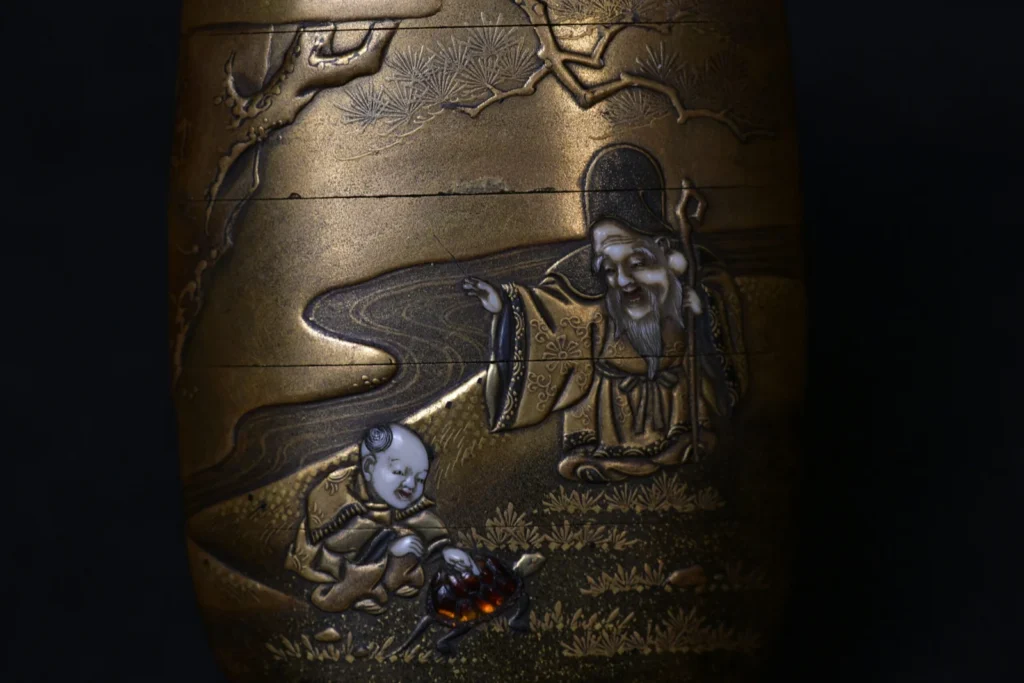
Some Inro feature elaborate inlaid decoration using combinations of materials.
These may include:
Mother-of-pearl, shell, coral, metal, bone, other decorative materials.
Such pieces can be highly detailed and may depict:
Birds, flowers, landscapes, figures, animals, seasonal subjects.
Because small losses can occur in complex inlay work, detailed photographs are particularly important.
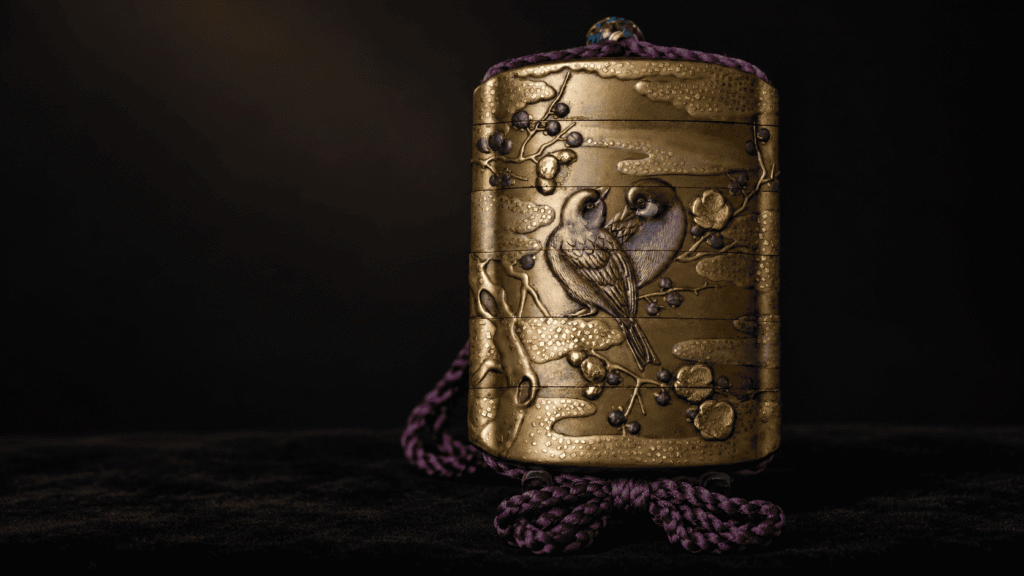
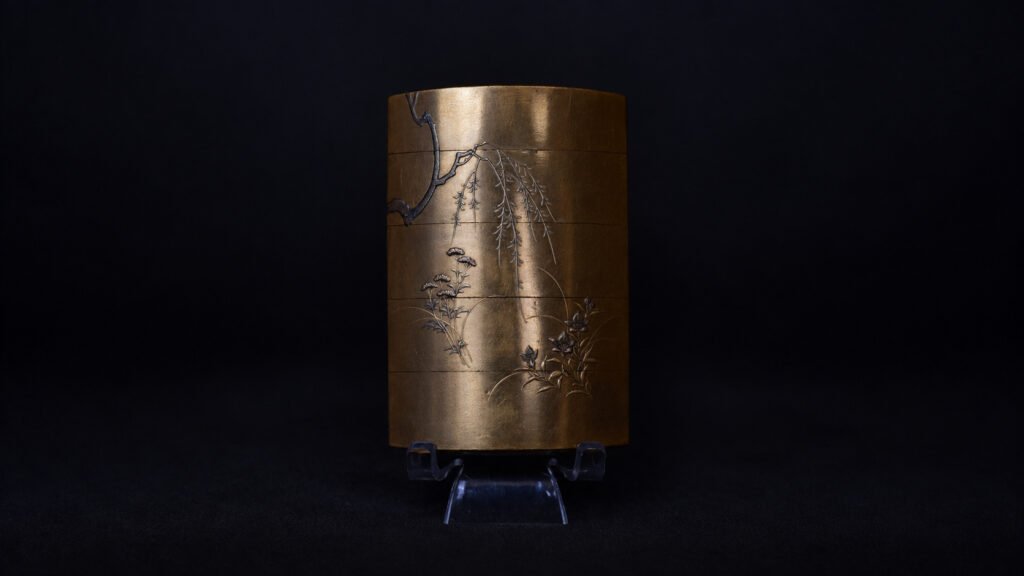
Inro Makie Shibayama Fukurokuju
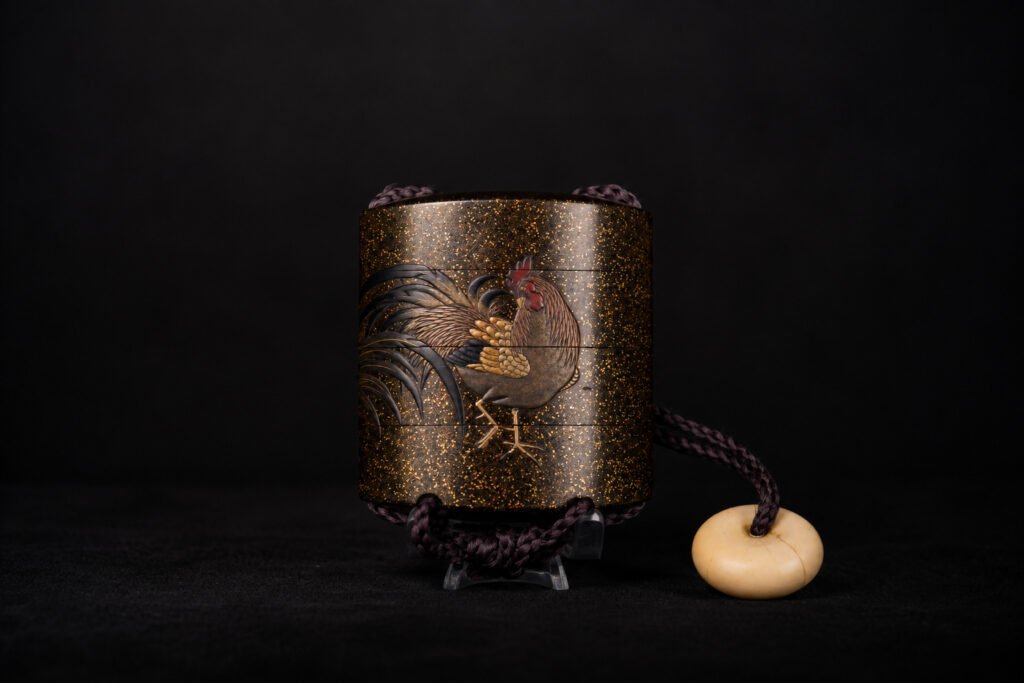
Inro makie chicken and hen

Signed and unsigned Inro

Many antique Inro are signed, although unsigned examples also exist.
A signature may provide information about:
Artist, workshop, school, period, decorative tradition.
However, a signature alone does not establish authenticity or value.
We assess the complete object, including:
Lacquer quality, construction, decoration, technique, condition, signature, period, provenance, artistic quality.
Fine unsigned inro can also be highly collectible.

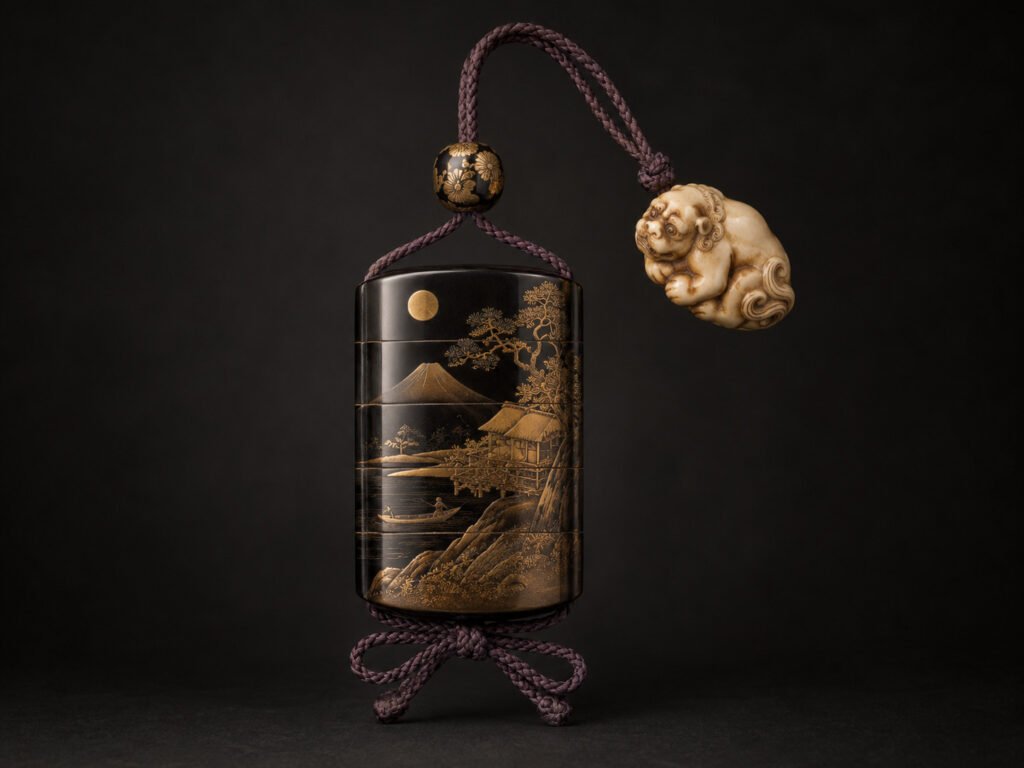
Inro with Netsuke and Ojime

Some Inro survive together with their original or historically associated Netsuke and Ojime.
If you have a complete set, please keep the pieces together.
Photograph:
  • The inro
  • Netsuke
  • Ojime
  • Cord
  • Complete suspended ensemble
The relationship between these objects can provide important historical and collector context.
Do not separate a complete group before it has been assessed.
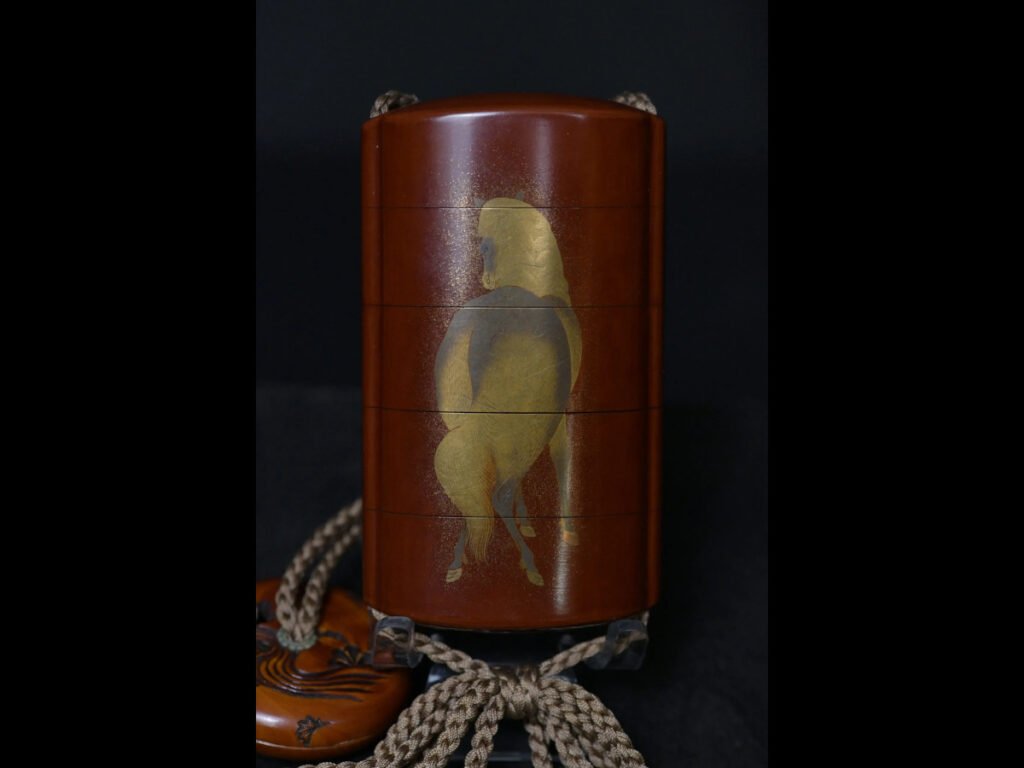
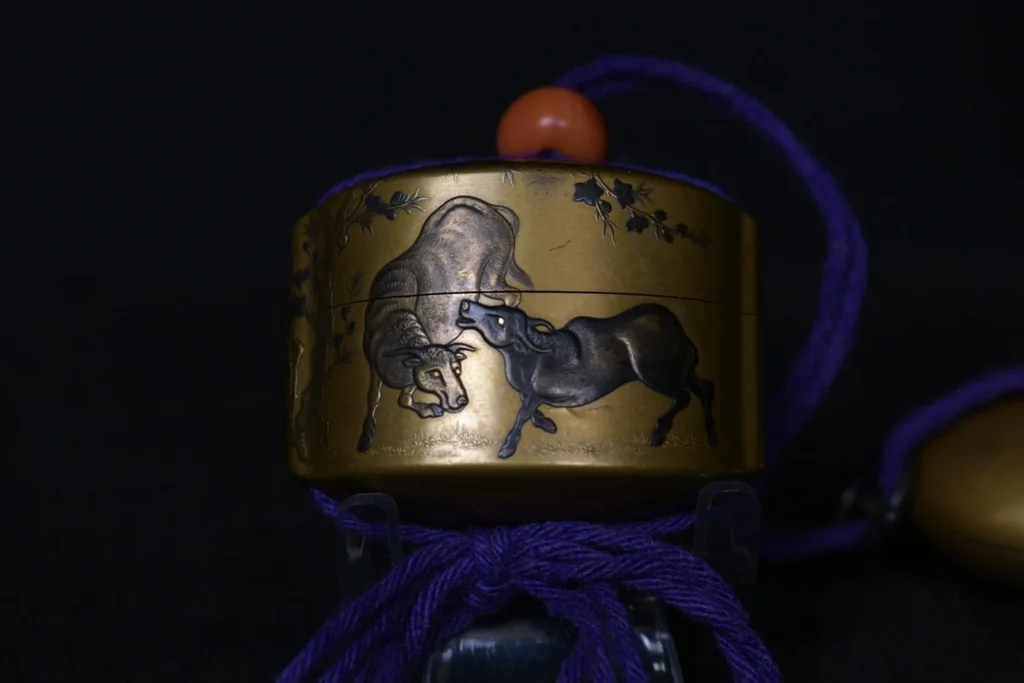
Inro with netsuke and ojimepng
The Ojime

The Ojime

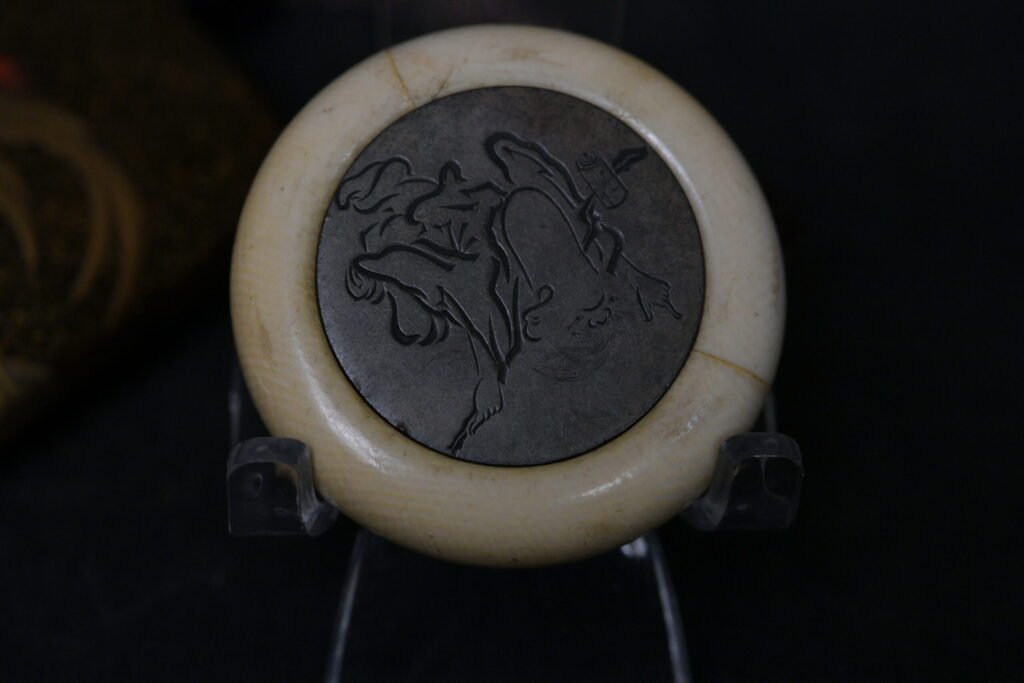
An Ojime is the sliding bead used on the cord between the inro and Netsuke.
Although small, an ojime can itself be finely made and collectible.
Materials may include:
  • Metal
  • Glass
  • Stone
  • Wood
  • Lacquer
  • Other decorative materials
If your Inro retains an Ojime, include detailed photographs of it.

Inro subjects and motifs

Inro decoration can depict an enormous range of subjects.
These may include:
Birds, flowers, plants, landscapes, animals, dragons, shishi, insects, samurai, literary scenes, historical figures, religious subjects, seasonal motifs, everyday Japanese life.
The artistic treatment of the subject can be more important than the subject itself.

Inherited Inro

Many antique Inro are inherited without any detailed information.
You do not need to know:
  • The artist
  • The period
  • The lacquer technique
  • Whether the signature is genuine
  • Whether the netsuke belongs to the Inro
  • The current market value
Clear photographs are normally sufficient for an initial assessment.

How the selling process works

Complete the form and upload clear photographs of the Inro and any associated pieces or documentation.
We assess construction, lacquer, decoration, condition, signature, attribution and collector interest.
We may request more photographs, dimensions or information about provenance and associated pieces.
If the Inro is of interest and an agreement is reached, we will explain the next steps for payment and secure delivery.
How to Buy an Antique Inro

Edo and Meiji-period inro

Both Edo and Meiji-period inro can be collectible.
Edo-period examples are often closely connected with traditional use and the culture of wearing sagemono.
Meiji-period pieces can display exceptionally elaborate craftsmanship and decorative techniques.
Period alone does not determine quality or value.
We assess each piece individually.

Inro with provenance

Documented ownership can be important for collectible Japanese lacquerware.
Relevant provenance may include:
  • Previous collectors
  • Dealer invoices
  • Old auction records
  • Exhibition history
  • Published catalogues
  • Collection labels
  • Family documentation
  • Photographs
  • Old correspondence
Please send whatever documentation you have, even if it appears incomplete.
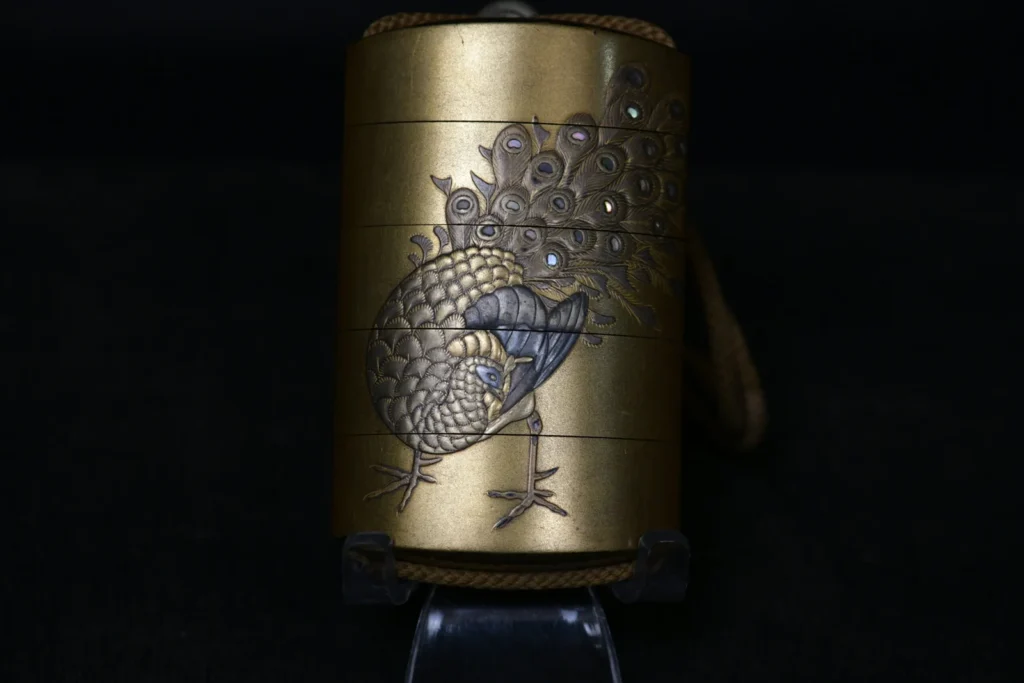
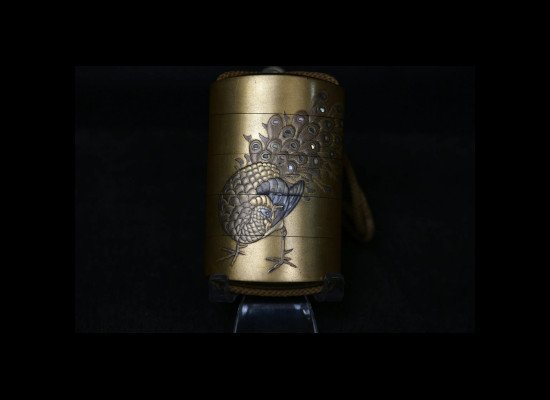
Inrō maki-e shibayama con pavo real

What photographs should i send?

Please send:
  • Front
  • Back
  • Both sides
  • Top
  • Bottom
  • Inro opened
  • Individual compartments
  • Interior
  • Signature
  • Detailed decoration
  • Any damage
  • Ojime
  • Netsuke
  • Cord
  • Storage box
  • Labels
  • Provenance documentation
Sharp close-up photographs are especially helpful for lacquer techniques and signatures.

Condition and restoration

We also consider Inro that are not in perfect condition.
Possible condition issues include:
  • Surface wear
  • Lacquer loss
  • Fine cracks
  • Small chips
  • Missing inlay
  • Worn gold decoration
  • Separation between components
  • Old repairs
  • Historical restoration
  • Cord replacement
Condition can significantly affect value, but an imperfect inro may still be historically or artistically important.

Do not polish or restore an antique Inro

Please avoid attempting restoration before assessment.
Do not:
  • Polish lacquer aggressively
  • Apply oils
  • Repaint losses
  • Reglue loose decoration unnecessarily
  • Replace original elements
  • Remove old labels
Intervention can alter the original surface and potentially reduce both historical information and collector interest.
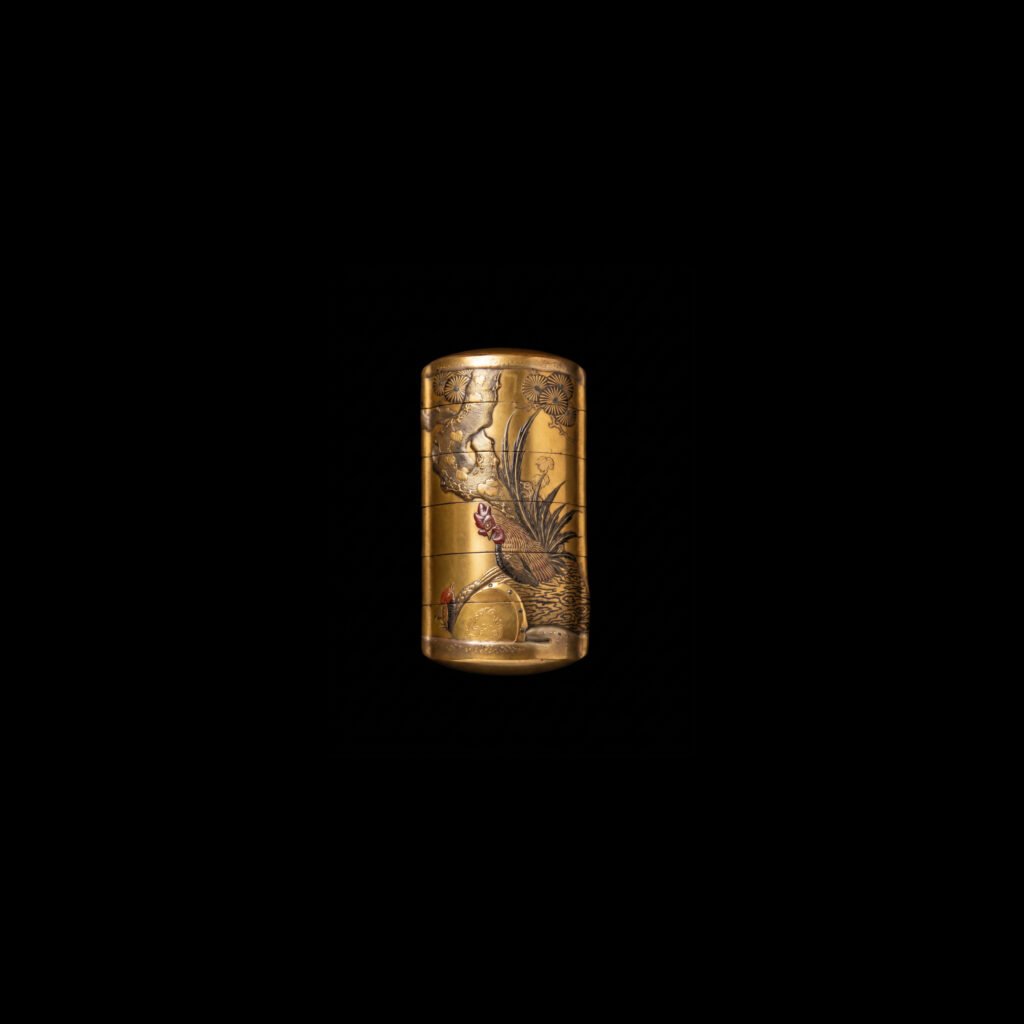
Inro Makie Shibayama Flowerpot
inro collect

Sell an Inro collection

We also purchase collections containing multiple antique Inro and related Japanese objects.
These may include:
Lacquer inro, makie inro, signed examples, unsigned examples, inro with netsuke, ojime, netsuke collections, sagemono, boxed pieces, pieces with provenance, complete private ,collections.
For larger collections, you do not need to prepare a professional catalogue.
Overview photographs and detailed images of the most important pieces are sufficient for the initial contact.

Sell your Inro

If you own an antique Japanese Inro or a complete collection that you are considering selling, send us photographs for an initial specialist assessment.
Individual Inro, signed examples, complete sagemono sets and collections are welcome.

    One itemSeveral itemsA complete collectionAn inherited collectionI am not sure

    YesNoI am not sure

    What our customers say

    SupeinNihonto was born from years of dedication to traditional Japanese martial arts such as Aikido, Kendo, and Iaido, and a deep passion for collecting authentic samurai weapons and armor.
    Emanuele S. profile picture
    Emanuele S.
    6 months ago
    I had an excellent experience with Supein Nihoto. I purchased a katana and a wakizashi, and both pieces are truly beautiful — carefully selected and of remarkable quality. You can immediately see the attention to detail and the seller’s passion for what he offers. The packaging was also exceptional: all the documentation was perfectly arranged in a refined envelope, which added a very elegant touch to the whole experience. As a thoughtful gesture, he even included a small katana kake stand as a gift, which I greatly appreciated. Beyond the objects themselves, the seller was very helpful, responsive, and clearly knowledgeable. His selection is outstanding, and you can tell he deals in genuinely fine items. Highly recommended — I would definitely purchase from Supein Nihoto again
    Dimitrios K. S. profile picture
    Dimitrios K. S.
    8 months ago
    Legit dealer of Japanese treasures ! This man loves his work is not just reselling items, at first he is a collector and does this out of true passion.
    Burke J. profile picture
    Burke J.
    9 months ago
    I received a beautiful tokubetsu hozon nihonto for Christmas from Supein. Actually my wife purchased the sword after receiving some helpful hints and recommendations lol. She knows absolutely nothing about nihonto but Supein walked her through everything honestly and I ended up with something beyond my dreams and expectations, honestly. The packing was exceptional, shipping fast and the sword itself a literal work of art. Supein has a lifetime customer now as my collection grows. Thank you!
    Anton S. profile picture
    Anton S.
    10 months ago
    Great packaging and quick delivery — thank you! The item’s quality was exactly as described. I’m very pleased with the purchase.
    Nathan C. profile picture
    Nathan C.
    1 year ago
    Excellent service, great communication, object exactly as described. Recommended seller! +++
    Javier L. profile picture
    Javier L.
    2 years ago
    I had been looking for a tachi with a lot of curvature for a long time and I called Supein Nihonto. They didn't have any tachi with the sori I was looking for, but I was treated with a lot of love and professionalism and we were talking for a long time. The next day I received a call from the shop, telling me that they had received new swords and that there was a tachi with a lot of sori. That same afternoon he already had a lot of photos of the sword and its measurements. I found the price good, especially if I compared it to other Spanish sellers of Nihonto. The shipment took a day and the package arrived in perfect condition, as the person in charge of the packaging puts a lot of effort into the work and the result is a strong packaging. Without a doubt, Supein Nihonto is my 100% recommendation!

    Contact

    Authentic Japanese swords, samurai armor, and historical artifacts directly sourced from Japan for collectors and enthusiasts worldwide.

      © 2026 Developed by Tu Especialista Web
      Supein Nihonto
      Privacy Overview

      This website uses cookies so that we can provide you with the best user experience possible. Cookie information is stored in your browser and performs functions such as recognising you when you return to our website and helping our team to understand which sections of the website you find most interesting and useful.