The world of Japanese swords fascinates collectors, historians, and enthusiasts of samurai culture. However, not all japanese swords are the same. There are Nihonto, blades forged through traditional methods with centuries of history, and modern replica swords inspired by that legacy but produced with contemporary techniques mostly in China, cause in Japan is forbidden create new swords with cutting edge that has been made for a non traditional methods, smiths and materials. Understanding the differences is essential for those seeking authenticity and historical value.
The term Nihonto refers to traditional Japanese swords forged in Japan using artisanal techniques passed down through generations. These pieces meet strict standards in terms of materials, forging process, and steel treatment. They are often registered and accompanied by official certificates of authenticity issued by Japanese organizations such as NBTHK or NTHK.
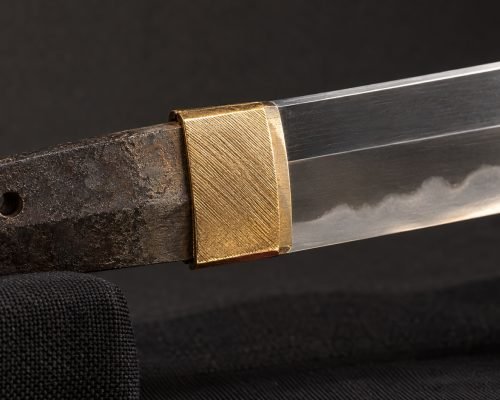
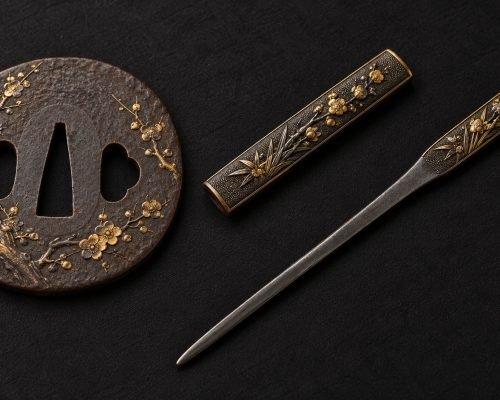
Each Nihonto is unique, with a distinctive hamon (temper line), blade shape, and mount details. Its value is not only aesthetic or functional but also cultural and historical.

Modern Japanese swords, while they can be of excellent quality, do not meet the standards that define a Nihonto. They are produced using industrial and semi-automated processes, employing modern steels and techniques that reduce time and cost.
These swords are ideal for practices such as iaido or tameshigiri, as they provide functionality at a more affordable price. However, they lack the historical character and official recognition of Nihonto.

For collectors and samurai culture enthusiasts, a Nihonto represents much more than a sword: it is a link to history, a reflection of the spirit of Japanese master swordsmiths, and an irreplaceable piece that will never exist under the same conditions again.
At Supein Nihonto you will find authentic Nihonto directly imported from Japan. Each sword is unique, certified, and carefully selected to guarantee maximum authenticity.

PDG de SupeinNihonto, marchand et collectionneur d'art japonais ancien et d'armes japonaises anciennes, basé à Canillo, Andorre.